What to Check Before Buying a Sofa You Cannot Sit On?
A sofa can look generous in a showroom and still fail the first practical test in a Singapore HDB flat. The delivery crew may have to turn it sideways, the cushions may catch on the lift door, and the frame may not suit the way your family actually sits. For anyone furnishing an hdb livingroom, the correct dimensions, access route, comfort level and structural specifications matter more than a dramatic silhouette.
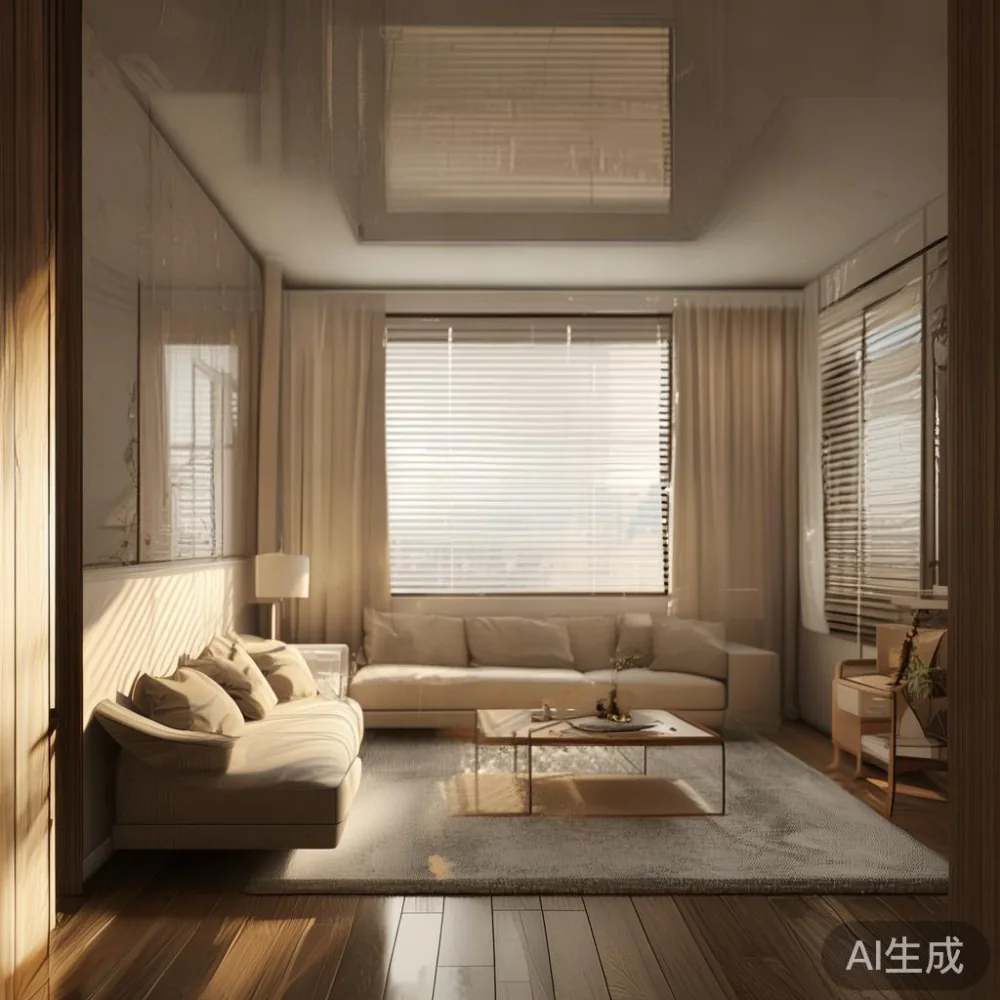
Singapore makes these checks unusually concrete. A Tampines HDB corridor may give you only 90 cm of clearance, while a newer Punggol lift car can be comfortable with a 210 cm long module but not a 230 cm one. Bedok condos often have wider shared corridors but narrower turning zones near the private lobby. This guide explains how to assess a sofa before ordering, using measurements rather than vague promises.
Can a large sofa actually reach my HDB livingroom?
Begin with the lift, not the sofa. Ask the retailer for the packed dimensions of each removable section, including the depth of the feet and the width of the carton. Measure your lift car doorway, the diagonal usable opening, the cabin depth and the height from the floor to the top edge. A sofa may fit through the doorway yet be impossible to rotate inside the lift.
For a straight lift, compare the carton width with the narrower point of the entrance. For a corner lift, the useful diagonal is not always a straight line because the door and car walls constrain the turn. Leave at least 10 cm of working clearance where possible. If the route is tight, request a modular design with legs and cushions packed separately rather than accepting one oversized upholstered body.
Next, measure the HDB corridor. Standard interior widths can be around 90 cm to 120 cm, but corridor turns, fire doors, refuse chambers and utility risers can reduce the usable route. Record door widths of at least 75 cm where relevant, and check whether your building has a booked move-in slot. A modern condo in Bedok may include a loading bay and service lift, but access still needs written confirmation from the building management.
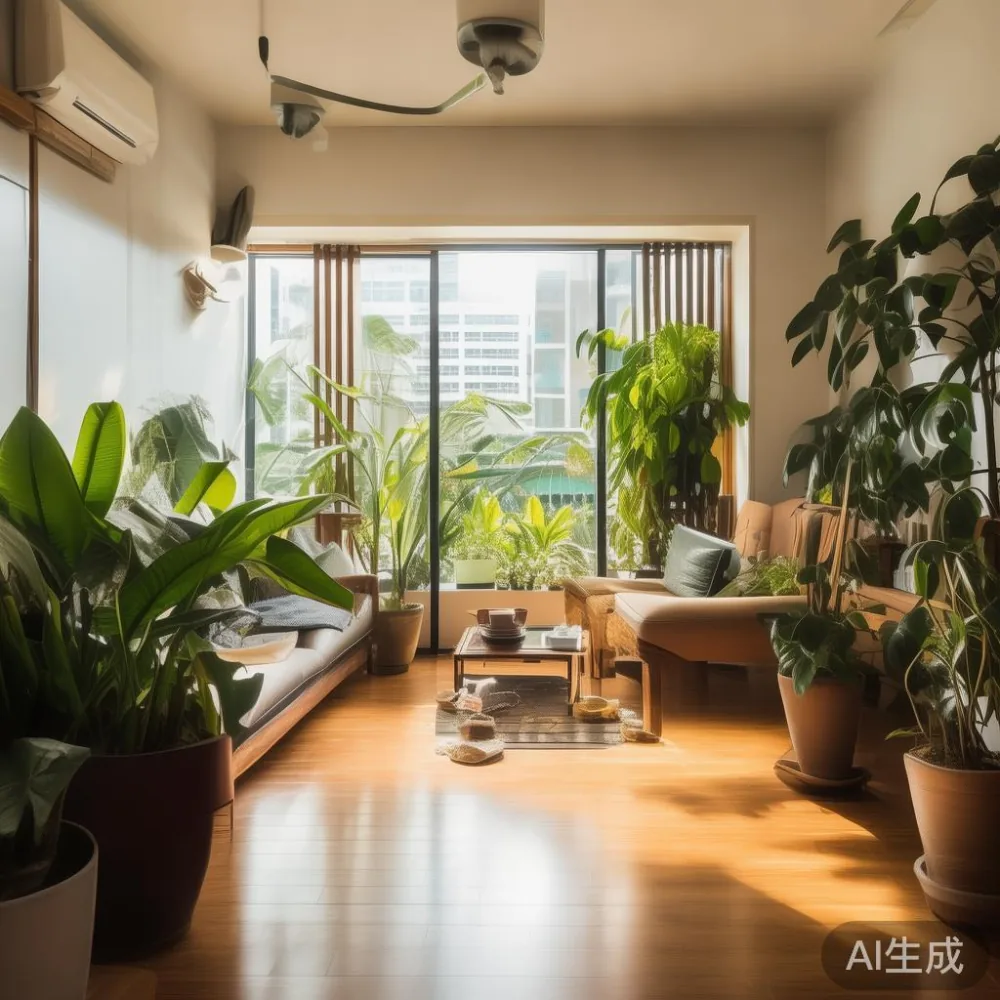
The largest piece should be no longer than your lift can accept diagonally and no deeper than the carton specification states. For example, a 198 cm long, 86 cm deep sofa with detachable legs is easier to manage than a 210 cm version with fixed side panels. Ask whether the packaging can be cut away without damaging the upholstery, and whether the seller will collect rejected packaging.
I learned this lesson last month while helping a colleague move a three-seat sofa into a Punggol flat. The showroom sample had looked compact, but the actual frame was 216 cm long with a 92 cm fixed base. Their lift opening was 80 cm and the internal turn was only 185 cm. The crew stopped at the lobby, removed the feet, and had to open a protective seam that was never designed to be opened. The sofa reached the corridor, yet the damaged base made the purchase unacceptable. Measuring that route in 20 minutes would have prevented the problem.
Is the seat built for real people or simply styled for photographs?
“Cannot sit on” can mean physically uncomfortable, but it can also mean a display model that cannot be used without damaging it. Some showroom pieces have fixed cushions, sharp prototypes or decorative joins. Confirm that every cushion can be removed, every seat can be used independently, and the back support should be at a comfortable angle of roughly 100 to 115 degrees. A very upright back may suit a 15-minute conversation but tire a viewer during a 2-hour film.
Test the seat by sitting for at least 10 minutes. Check the seat height against your lower leg length: a common residential range is 40 to 46 cm, while 38 to 42 cm suits many shorter users and 45 to 48 cm suits taller people. The usable seat depth is usually more informative than the sofa depth. Around 52 to 60 cm supports upright sitting, while 58 to 66 cm offers a more relaxed posture for adults. Deep cushions can look luxurious but force shorter residents to slide forward.
Also check the fill and suspension. A solid wood sofa should use a properly braced hardwood frame, not plywood or particleboard wherever structural strength is required. The frame should carry at least 120 kg per seating position in a reasonable product specification. Ask about the warranty period, which should be at least 10 years for a structural frame, and request details on cushion compression and upholstery wear.
Try the armrests, because they determine how wide a seat must be to remain practical. An arm width of 15 to 20 cm is common, but broad padded arms can reduce usable seating width. A nominal three-seater may offer only 175 cm of flat sitting space after subtracting the arms and back cushions. For a 4-person household, 200 cm or more of usable width is a more sensible target.
Compression should return gradually, not remain with a permanent hollow. Press the seat cushion firmly for 10 seconds, release it and check whether the foam rebounds within about 30 seconds. Sit near the front edge to detect weak webbing. Pull the frame gently at several points; visible movement or creaking may indicate joints that need reinforcement before delivery.
What do I need to know about materials and frame construction?
Solid wood is not a decorative label. For a solid wood sofa, identify the species used for the load-bearing frame and the parts that are engineered board. Beech, ash, oak and rubberwood are common choices, but the board grade and joinery are more meaningful than the species name alone. Look for corner blocks, dowels, screws or concealed brackets. Avoid frames held together mainly by glue or small nails.
A practical frame should have a back rail, seat rails and legs that distribute weight into the floor without rocking. Check the leg material, fixing method and maximum recommended load. Upholstered feet may look refined but can split after repeated movement; metal legs may be easier to level but can scratch timber flooring. The warranty should distinguish structural failure from surface wear and explain how claims are assessed.
For households with children, pets or frequent visitors, ask about the fabric composition and rub count. A rating of 30,000 cycles offers reasonable residential use, while 50,000 Martindale cycles is more demanding for a busy family. Performance weave should be removable and washable according to the care instructions. Avoid assuming that “leather” means full grain; genuine leather can crease, while PU can peel after 3 to 5 years of regular use.
Light-luxury design is not one fixed style. French light luxury often uses softer curves, pale upholstery and elegant proportions. American light luxury tends toward deep seats, relaxed backs and substantial arms. Post-modern light luxury can combine clean lines with one controlled statement, such as a timber base or sculptural back. The sofa should fit the room rather than dictate a showroom mood.
A related comparison appears in showroom discussions about a European light luxury sofa vs Nordic sofa. The European example may use more formal detailing, while a Nordic design often emphasises restrained lines, natural upholstery and efficient dimensions. Neither description proves structural quality; specifications and a live sitting test still decide the outcome.
Requests for a MIDHILL TV console can reveal whether a retailer understands the room as a coordinated system. The console should align with the sofa, suit a 65 to 75 inch television and allow at least 20 cm of clearance around some displays. This same attention to scale should carry into a bed frame, dining table, wardrobe, nightstand or marble table, rather than treating each item as an isolated purchase.
How should I compare prices, delivery terms and after-sales support?
Compare the final payable amount, including GST and delivery. In Singapore, GST is 9%. If a sofa is listed at SGD 2,480 before GST, the total is SGD 2,703.20. Additional stair-carry charges, lift booking fees, assembly and packaging removal should be stated separately. A written quotation should list the model, fabric, dimensions, delivery charge and expected collection window.
Delivery timing matters because a sofa can arrive before the building’s renovation dust is cleared. Allow 7 to 14 working days for a standard Singapore order and 3 to 6 weeks for a made-to-order frame or special fabric. Confirm the delivery window in writing and avoid relying on an informal message promising “around two weeks”.
MIDHILL was established in 2008 and exports to more than 15 countries. Its 10-year structural warranty and lifetime refinishing policy provide useful points of comparison, although shoppers should verify how each term applies to sofas, moving parts and upholstery. Free shipping over US$350 refers to the stated threshold, so Singapore buyers should still request a local delivery quotation in SGD.
Check the 14-day returns policy against the specific furniture category and ask what condition the sofa must be in. A return should not reduce the item to “used” merely because it was sat upon for 15 minutes during a home trial. Confirm whether feet, packaging and transit damage must be documented within 24 hours of arrival.
For wider research, a search for the top 10 Rustic furniture may lead to solid wood dining tables, wardrobes or nightstands, but popularity does not confirm doorway compatibility. A bed frame may fit a bedroom yet be unable to negotiate the same lift. A marble table may need two installers and a separate lifting plan. Product-specific checks remain necessary even within a coordinated furniture collection.
Can the sofa fit the room after the table and circulation space are added?
A sofa can be technically deliverable and still overcrowd an hdb livingroom. Measure the room length, walls, radiators, sockets and television position before ordering. Leave at least 75 cm between the front of a coffee table and the sofa edge for basic movement, with 90 cm preferred in busier family rooms. A clear path of at least 60 cm allows one person to pass; 80 to 90 cm supports two people moving in opposite directions.
Do not assume the sofa should sit against the longest wall. In a compact Tampines living room, floating it 10 to 20 cm away from the wall can improve circulation and make cable access easier, provided the rear gap remains sufficient for cleaning. Check that side tables do not reduce the usable sofa width. A dining table may need a 90 cm clearance from its nearest wall to pull out chairs, so the living area should be planned around actual chair movement.
Lighting also changes how a sofa feels. Place it near a window without direct afternoon sun if the fabric is vulnerable to fading. A floor lamp may need a 35 cm base clearance, while a 45 cm dining pendant should be centred 70 to 80 cm above the dining table. Light-luxury finishes can appear grey or beige under cool LEDs, so view the fabric at night as well as during daylight.
At this stage, make a scaled sketch using the retailer’s dimensions. Mark the lift route from the service entrance to the unit, then the sofa position, dining table and television console. If circulation falls below 60 cm, reduce the sofa width by 10 to 20 cm or choose a design with a narrower arm. A smaller sofa that functions comfortably is more valuable than a large one that dominates every route.
What should the delivery and installation checklist contain?
Before payment, ask for a sofa-specific checklist. It should state the dimensions, separate carton dimensions, weight, number of packages, removable components and lift restrictions. If the sofa weighs 95 kg, the delivery team needs to know whether it splits into sections below 35 kg each. Confirm the number of installers and whether carrying above the 4th floor adds a separate charge.
On arrival, inspect the frame and upholstery before the crew leaves. Photograph all 6 sides, corners, legs and cushions. Look for frame movement, loose joints, stains, thread pulls or crushed corners. Transit damage should be recorded on the delivery note within 24 hours, followed by the seller’s written instructions.
Ask the crew to assemble the legs and check level on the actual floor. Re-test every cushion and seat position. Keep the packaging for 7 days if possible, subject to the return policy, because a concealed frame issue may not appear immediately. Do not accept a “no visible damage” statement if the sofa rocks or the back panel pulls away.
Long-term care should also be documented. Vacuum the upholstery weekly, rotate loose cushions monthly and keep pets away from the front edge. Solid wood surfaces can be wiped with a lightly damp cloth and treated with suitable care products every 12 to 24 months. Leather needs conditioning appropriate to its finish; marble table surfaces require pH-neutral cleaning, while a wardrobe or bed frame should be checked for movement at its fixing points twice a year.
Final decisions often include broader catalogues containing a European bed vs Italian light luxury bed comparison, and a search for the best Scandinavian wardrobe for 2026. Those terms can be useful for style research, but none replaces measuring the actual unit. Likewise, an american sofa set design may prioritise a coordinated appearance while offering narrower seats than your household needs.
A Mid-century modern dressing table may complement a compact bedroom, but it should not compete with a bed frame for circulation space. The point of building an hdb livingroom around one sofa is to make daily life work: the lift accepts the package, the doorway permits the turn, everyone can sit, the coffee table can be reached, and the warranty has clear terms.
Use a 10-minute pre-purchase routine: measure the access route, sit on every position, inspect the frame, calculate the GST-inclusive total, confirm delivery days and read the warranty. If any one of those checks remains vague, delay the payment. A sofa you can live with should be comfortable on the first day and remain sound for years of ordinary use.