Styling a Small HDB Living Room: A Practical Guide for Singapore Homes
Most Singaporeans I know treat the hdb livingroom as the busiest room in the house. It absorbs the TV, the dining table, the occasional work-from-home corner, and often a guest mattress that appears once a year when an ah ma visits. The challenge is not buying more furniture — it is buying the right amount of the right furniture, and arranging it so the room still breathes. This guide draws on what I have seen across Tampines, Bedok and Punggol flats over the last few months, plus a few supplier visits at MIDHILL's Foshan showroom in October, where I watched how a 4-seater solid wood sofa is packed for export to a 9 by 12 HDB living room.
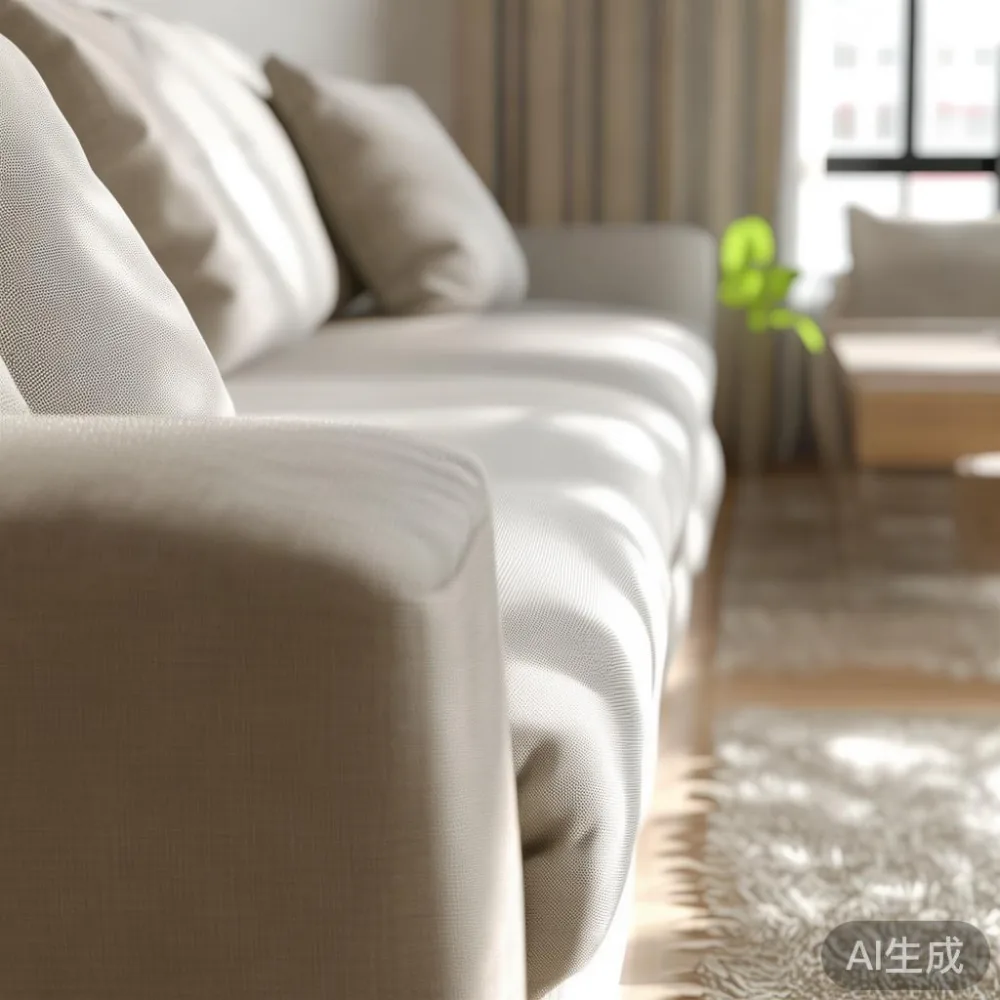
How big is your HDB living room, really?
Before anything else, measure. The typical 4-room BTO living room in Punggol runs about 4.2 metres wide by 3.1 metres deep, which gives you roughly 13 sqm once you subtract the 30 to 40 cm skirtings and the corridor to the kitchen. A 5-room flat in Bedok usually stretches to 4.6 by 3.4 metres. These numbers matter because a 2.4-metre solid wood sofa will eat 55% of your long wall, while a 2.0-metre modular one leaves room for a 60 cm side table and a 45 cm walkway. I bring a 5-metre tape to every home visit; the difference between a room that feels calm and one that feels squeezed is usually 20 cm of clearance you forgot to keep.
Two practical tips from my own flat hunt in Tampines last month. First, write down the lift opening at ground level — most HDB service lifts are 1.1 m wide by 2.1 m tall, so any sofa longer than 2.3 m has to come in vertically. A good supplier will tell you the box dimensions in centimetres before you pay. Second, check the corridor turning radius from the lift lobby to your door; older blocks in Bedok have a 90-degree bend that swallows anything wider than 1.0 m. Knowing this saves a S$180 redelivery fee.
What does "light luxury" actually mean for a small flat?
Light luxury is not shiny marble and gold trim. In the local scene it usually means restrained silhouettes, warm neutrals, and one or two pieces that carry visual weight — a fluted marble table, a slim-line brass floor lamp, or a solid wood dining table with a softly chamfered edge. MIDHILL's French light luxury line, for example, leans on ash timber in a muted honey tone, paired with boucle or linen-look upholstery. I sat on a 2.1 m version at their showroom and the seat depth was only 58 cm, which is friendly to short arms and shorter corridors alike.
Post-modern light luxury, on the other hand, plays with curved corners and asymmetric shelving — useful if your hdb livingroom has an odd column you would rather not look at. American light luxury tends to be slightly chunkier, with rolled arms and turned legs, which works in a 5-room flat but can swamp a 4-room. Stick to one vocabulary per room. Mixing three styles in a 13 sqm space is how crowds arrive.
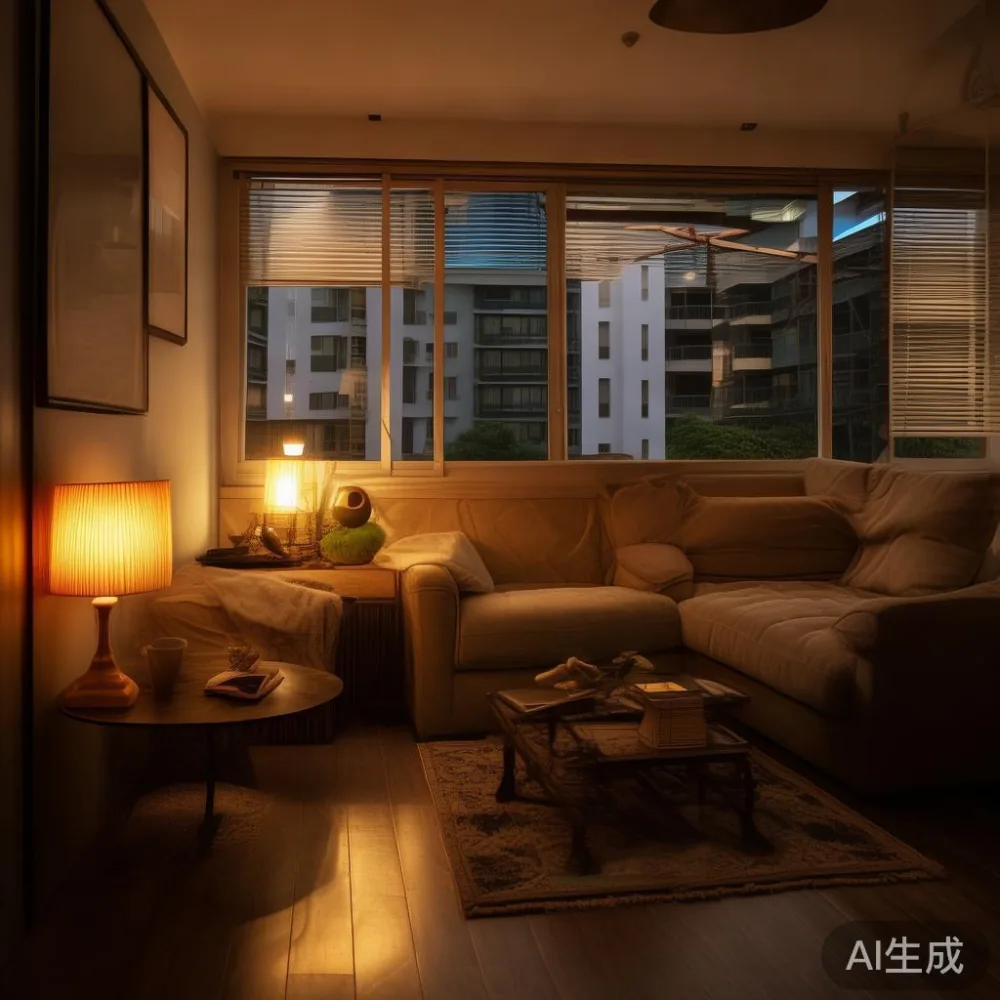
Where do I start when planning the layout?
Begin with the largest piece and work down by footprint. For most HDB living rooms the order is: sofa, then TV console, then dining table, then rug, then everything else. A solid wood sofa between 2.0 and 2.2 metres seats three comfortably and weighs 65 to 85 kg depending on the frame — heavy enough to feel anchored, light enough that two delivery men can carry it up to the 12th floor without drama. After the sofa lands, anchor the room with a 200 x 280 cm rug; anything smaller looks like a bath mat and visually shrinks the seating zone by a third.
For the dining zone, a 1.4 m solid wood dining table seats six when extended with a 40 cm leaf, but most evenings in a Punggol couple's flat it sits four. Allow 90 cm behind each chair for push-back. In a tight room I prefer a 1.2 m round table — no corners means no awkward shuffling past a sibling's schoolbag. Add a slim nightstand or side chair pulled up to the table for that spare-seat-on-demand feeling.
How do I choose a sofa that won't dominate the room?
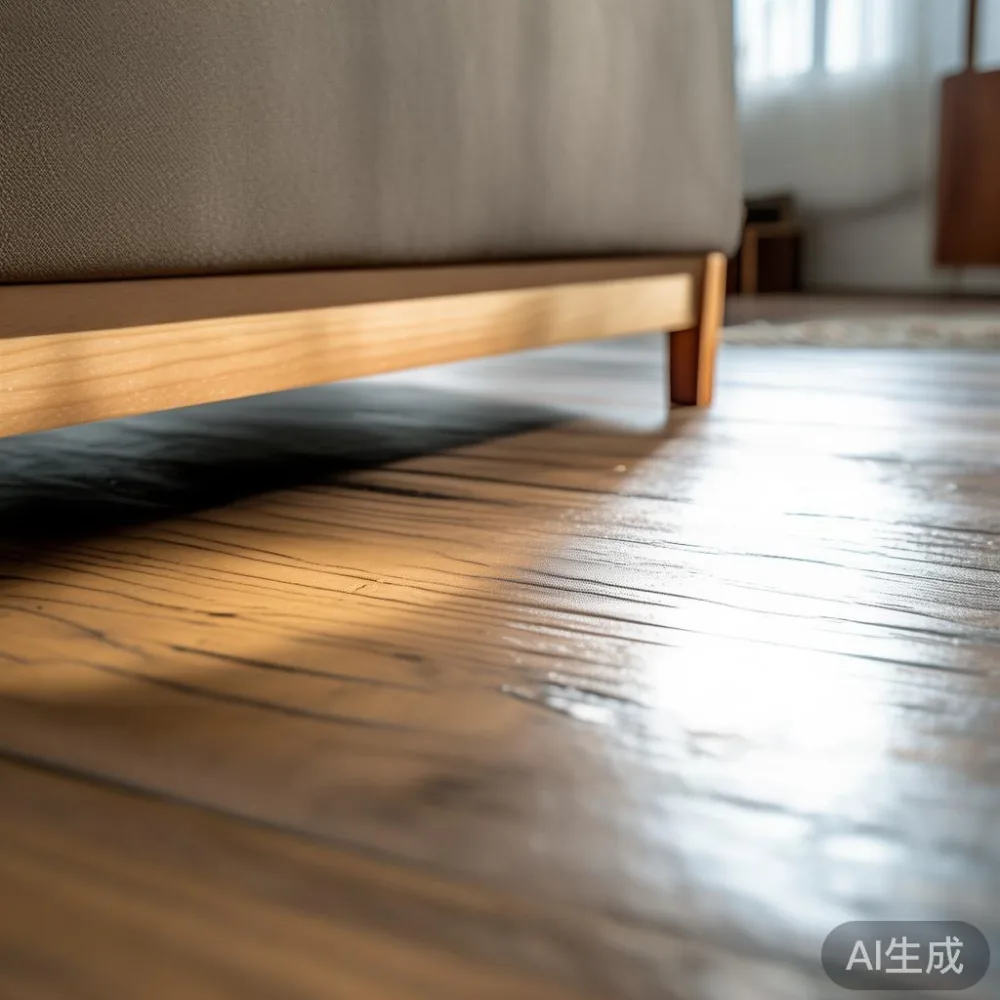
Three numbers decide everything: width, seat depth, and leg height. For a 4-room flat, keep the sofa width under 2.2 m, seat depth at 55 to 60 cm, and leg height at 12 to 15 cm. The leg gap is what lets light pass under the piece, which is the simplest trick for making a small hdb livingroom feel taller. A heavy skirted base blocks that light and visually lowers the ceiling.
Frame material matters more than fabric in our climate. A solid wood sofa with kiln-dried ash or oak tolerates the 80 to 90% humidity we get from June to September. Particle-board frames start to swell at the joints after two wet seasons, and the squeak becomes part of your evening soundtrack. Ask the supplier what the internal frame is — a 10-year structural warranty is a useful signal because no maker will write that promise on chipboard.
If your room is genuinely compact, consider a two-seater at 1.6 m and pair it with two armchairs instead of a long three-seater. You get the same seating count, more flexible layout, and the eye reads the room as a collection of pieces rather than one large block. A compact marble table — a 70 cm round top on a slim metal base — sits nicely between the armchairs as a tea spot.
How do I handle storage without filling the walls?
Vertical storage is the friend of a small hdb livingroom. A 2.4 m tall wardrobe or display cabinet uses the same floor footprint as a 1.2 m sideboard yet holds roughly four times the volume. The catch is ceiling height: standard HDB ceilings are 2.7 m, so a 2.4 m cabinet leaves a comfortable 30 cm gap above, enough for a small framed print or a discreet sensor light.
Mid-century modern wardrobes are particularly suited to this trick because they sit on slim tapered legs instead of a solid plinth. If you are wondering how to choose Mid-century modern wardrobe for a HDB context, the checklist is short: confirm the back panel is at least 9 mm thick (anything thinner warps in our humidity), check the drawer rails are metal not plastic, and make sure the doors come pre-drilled for either left- or right-hand opening — site conditions change on installation day. A 1.8 m three-door wardrobe typically weighs 90 to 110 kg, so two delivery men plus a third for staircases above the 10th floor is a reasonable ask.
Closed storage is calmer than open shelving in a small room. Display the top 20% of what you own, store the rest behind a door. A sliding-door wardrobe saves the 60 cm swing clearance that a hinged door needs, which can be the difference between fitting a bed and fitting a desk in the same room.
How do I make the bedroom feel like part of the same home?
Treat the bedroom and the living room as a single material conversation. If the dining table is warm ash, the bed frame should be a similar tone, not a contrasting walnut. A solid wood bed frame in the same finish as your sofa ties the two spaces together when the door is open and the corridor connects them visually. For a 4-room flat's master bedroom, a 1.6 by 2.0 m bed leaves 60 cm walkways on three sides, which is the minimum comfortable clearance for changing sheets.
Nightstands are the most under-rated piece. Two matching nightstands at 45 cm wide and 40 cm deep, 55 cm tall (roughly mattress height), bring symmetry that calms the eye. A single oversized nightstand on one side looks unbalanced and pushes the bed off-centre. Keep them floating on slim legs so the floor continues underneath; this is the same trick that works in the hdb livingroom, and the consistency makes the whole flat feel more designed.
If you are researching how to style Japandi bed in bedroom for a HDB setting, the core rules are low-profile platform, neutral linen, and one warm wood tone repeated twice in the room. Japandi pieces tend to run 25 to 35 cm off the floor, so a thin 5 cm mattress gives a total seat height around 45 cm — easy to sit on, easy to make. One customer I spoke to in Punggol paired a 1.8 m Japandi bed with a 60 cm round marble bedside table and a paper lantern; the room reads as calm despite being only 9 sqm.
How do I prepare a guest room without wasting square metres?
The guest room in a Singapore flat usually doubles as a study or a storeroom, which is why a single bed at 0.9 by 1.9 m or a daybed works better than a full queen. If you want a queen for the rare occasion, consider a Murphy bed or a sofa bed with a 12 cm foam mattress; closed up it adds only 35 cm of depth to the wall. Light luxury for guest room styling tends to read softer than the main living areas — a powder-blue linen headboard, a brass wall sconce, and a slim wardrobe in ash or oak.
European for guest room styling leans towards pale oak, slim Shaker panels, and a fitted desk at 60 cm deep. A 1.2 m desk with two soft-close drawers fits a 12-inch laptop, a notebook, and a cup of kopi without crowding the wall. Keep the wardrobe at 1.2 m wide if the room is under 7 sqm; anything wider eats the walkway. The colour palette should pick up an accent from the hdb livingroom — the same marble table grey, the same brass tone — so the flat feels connected even with the doors closed.
If you are also hunting for pieces that read European light luxury furniture under 2000 SGD, the sweet spot in the current market is a 1.6 m ash dining table or a 1.8 m wardrobe. Sofas and marble tables tend to land closer to S$2,800 once you add the GST and delivery, so set your anchor piece first and build around it. A well-chosen dining table at S$1,650 plus four chairs at S$220 each lands you a complete dining zone for around S$2,530, which is realistic if you buy directly from a factory rather than through a local reseller.
What colours and finishes actually work in compact HDB rooms?
Stick to a three-colour rule: wall, floor, and one accent. Most HDB flats ship with a warm beige or pale grey floor tile, which becomes your base. Walls in a soft warm white — something around 9% grey reflectance, not a clinical hospital white — open the room. The accent should appear on no more than 15% of the visible surface: a cushion, a single artwork, the inside of a display cabinet. A marble table with grey veining is a clean accent because it adds pattern without colour.
Finish sheen matters more than people think. High-gloss surfaces bounce light around, which sounds good on paper but in a 13 sqm room creates glare on the TV screen. A matte or eggshell finish on cabinets and wardrobes absorbs light and reduces visual noise. Solid wood with an oil finish sits in this matte zone naturally, which is one more reason a solid wood dining table or bed frame tends to look settled rather than loud.
How do I budget without losing the pieces that matter?
Work backwards from a realistic ceiling. For a full HDB package — living room sofa, dining table, bed frame, wardrobe, two nightstands — most couples in their late twenties budget between S$5,500 and S$8,500 excluding mattress and appliances. Anchor pieces eat roughly half: the sofa at S$1,800 to S$2,600, the dining table at S$1,200 to S$1,800, the bed frame at S$900 to S$1,400, and the wardrobe at S$1,400 to S$2,200. The rest goes on side tables, lighting, and rugs.
Save on pieces that hide (inside of a wardrobe drawer, the back of a bookcase) and spend on pieces that carry the eye. A S$120 storage ottoman is fine; a S$120 marble table is not. Delivery over S$350 is often free from direct-factory sellers; below that, expect a S$80 to S$120 fee depending on the lift access and floor. Returns within 14 days are standard among serious suppliers, but read the condition clauses — wear marks and fabric odour usually void the refund.
What about humidity, sunlight, and daily wear?
Singapore's UV index hits 11 to 13 on clear afternoons, which fades fabric within six months if your windows face west. A solid wood bed frame near a window can also dry on the surface and develop hairline cracks at the joints. Use sheer linen curtains during the day and keep wood pieces 80 to 100 cm away from direct afternoon sun. A S$40 hygrometer and a dehumidifier set to 60% RH keeps both your wood and your sofa foam happy.
Lifetime refinishing is a quiet benefit worth asking for. MIDHILL offers re-oiling and re-upholstery on solid wood pieces, which means a 12-year-old dining table can come back looking close to new. In a market where most flat-pack furniture is designed to last five to seven years, that promise changes how you shop. Buy once, refinish twice, and you spend roughly the same over 20 years while keeping the pieces you actually like.
How long does delivery and installation usually take?
For pieces coming from Foshan to Singapore, sea freight runs 18 to 24 days to port, then 3 to 5 days for customs clearance and last-mile delivery. Express airfreight cuts it to 9 to 11 days at a higher landed cost. Allow an extra 7 to 14 days during Chinese New Year (late January to mid-February) and the September peak when shipping lanes are tight. Installation on site typically takes 60 to 90 minutes for a wardrobe and 30 minutes for a sofa or dining table.
Confirm the warranty in writing: structural warranty of 10 years on solid wood frames, 3 years on soft-close hinges, and 1 year on upholstery is the current industry baseline. Anything below that signals a cost-saving supplier. If you need to reach a specialist quickly, the MIDHILL team can be contacted at +86 188 2788 2512 for project quotes, custom sizes, and shipping estimates to Tampines, Bedok or Punggol.
How should I style a French provincial sofa in a HDB bedroom?
Sounds unusual, but I have seen it work twice in compact flats where the bedroom doubles as a reading room. If you are planning how to style French provincial sofa in bedroom for a HDB context, the sofa should be a small two-seater at 1.5 to 1.7 m, with rolled arms and a soft linen-look upholstery in oat or sage. Keep the wall behind it in a chalky warm white, add one botanical print, and a slim brass floor lamp. The sofa becomes the focal point, the bed becomes a quieter background piece, and the room reads more like a Parisian flat than a HDB bedroom.
French provincial pieces are slightly heavier than modern lines — expect 70 to 95 kg for a 1.6 m sofa — so the same lift and corridor checks apply. A pair of French-style nightstands at 50 cm wide with cabriole legs echoes the vocabulary without repeating the silhouette exactly. The result is a small room that feels curated rather than crowded, which is the whole point.
How do I keep the room feeling new after the first year?
Small rooms show wear faster because every object competes for attention. Rotate two sets of cushions every six months, swap the rug for a lighter weight in our dry season, and re-oil solid wood pieces once a year. Move one artwork or lamp to a different wall each quarter; the eye registers the change even if nothing was bought. A S$60 plant in a stoneware pot on the marble table does more for a tired hdb livingroom than a S$300 accessory that adds clutter.
None of this is about buying more. It is about letting the four or five anchor pieces — your solid wood sofa, dining table, bed frame, wardrobe and nightstand — keep doing the heavy lifting, while everything else rotates quietly around them. A small HDB living room styled with care feels bigger than a large one stuffed without thought, and it will still look composed when the next round of house visits comes around.