Veneer vs Solid Wood: A 5-Year Cost Comparison for Singapore HDB Living Rooms
Choosing furniture for a Singapore HDB flat or condo is rarely a question of appearance alone. A sofa must pass through a lift lobby, a bed frame must fit through a corridor, and a dining table has to suit a compact dining room without making daily movement feel restricted. Over 5 years, veneer and solid wood also behave very differently in terms of purchase price, maintenance, repair risk and resale value.
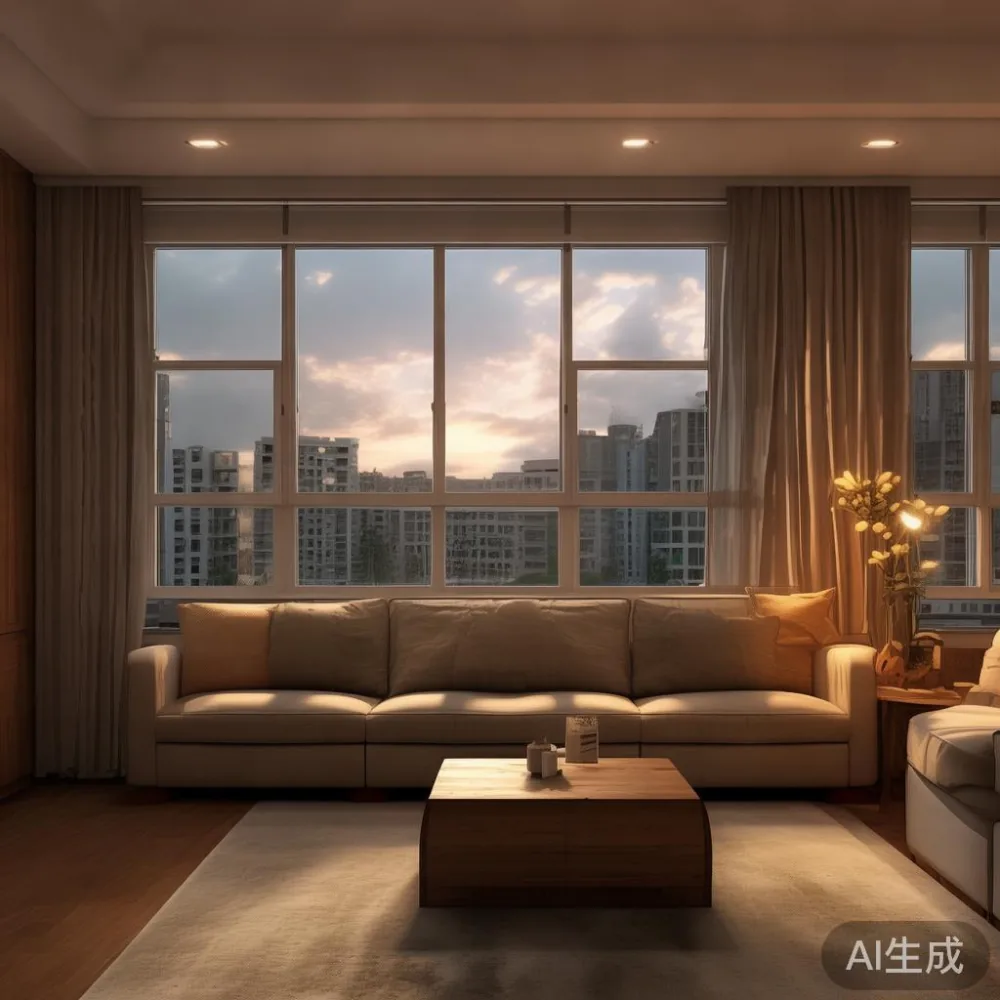
This comparison assumes a typical HDB living room of about 18-24 sqm, a household using 1 dining table, 1 sofa, 1 bed frame, 1 wardrobe and 1 nightstand, and prices in SGD including Singapore GST of 9%. Furniture dimensions, timber species, finishes and hardware create large differences, so the figures are planning estimates rather than quotations.
What is the 5-year cost difference between veneer and solid wood?
For the sample package below, veneer furniture costs about SGD 5,870 over 5 years, while comparable solid wood furniture costs about SGD 8,200. That is a difference of SGD 2,330, or 40% more for solid wood before resale value is considered.
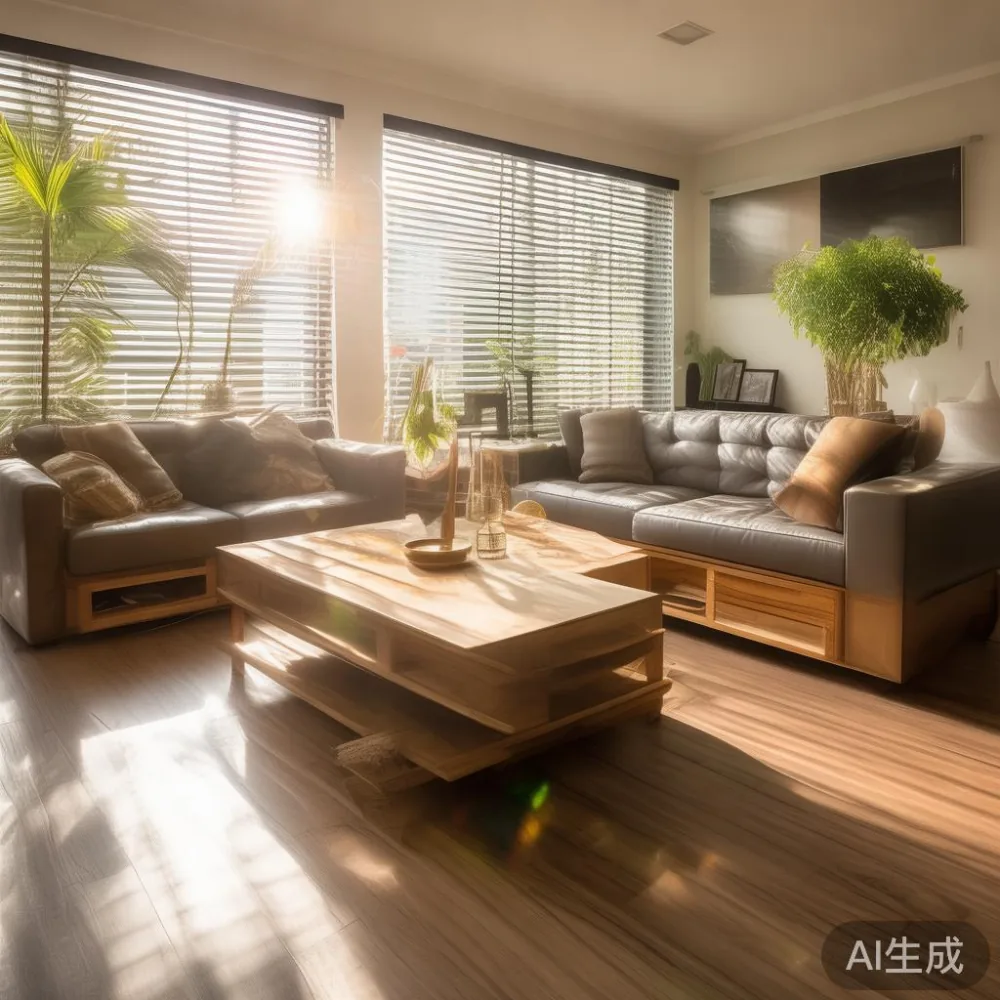
The calculation includes the initial purchase price, 5 years of likely care, repair and replacement allowances, and estimated resale proceeds at year 5. It excludes electricity, cleaning labour that the household already pays for in other ways, and unusual damage such as flooding.
5-year cost example including GST:
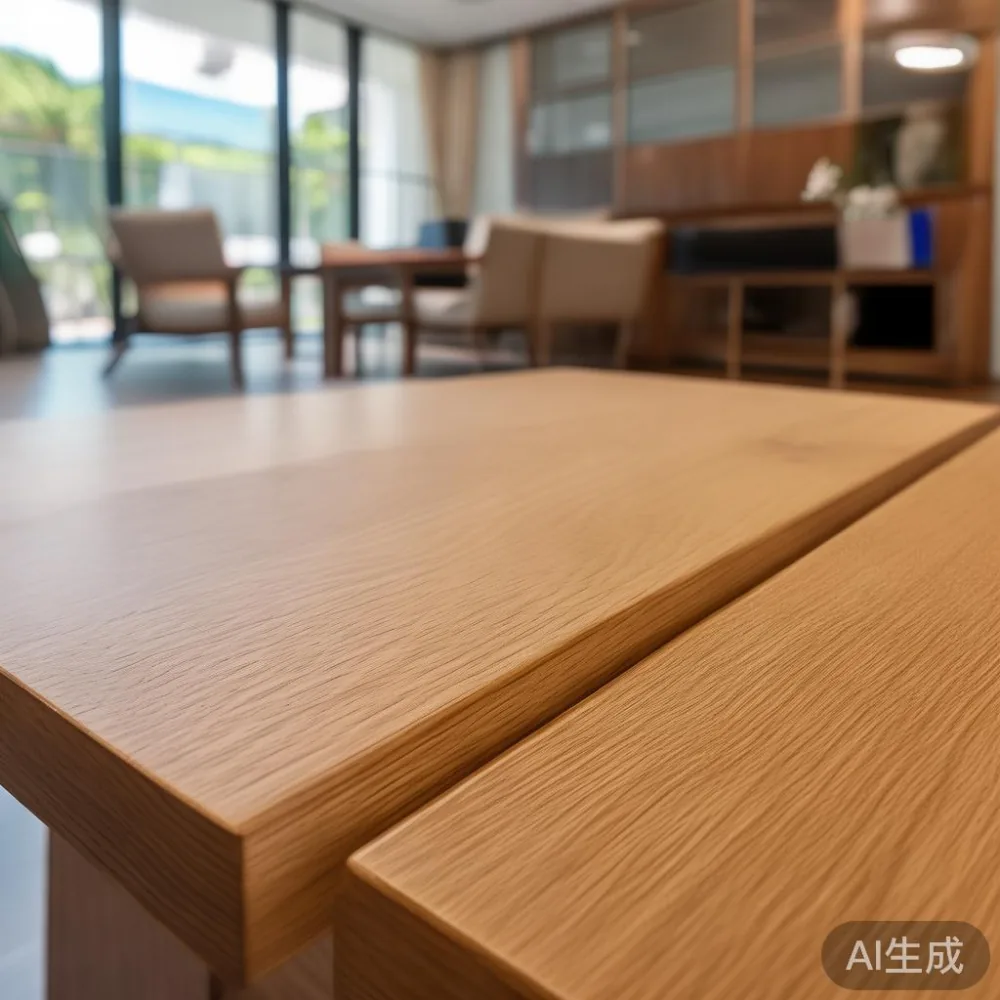
- Veneer package: SGD 4,650 purchase + SGD 320 care allowance + SGD 240 repair allowance + SGD 660 replacement allowance = SGD 5,870.
- Solid wood package: SGD 7,100 purchase + SGD 260 care allowance + SGD 140 repair allowance + SGD 700 replacement allowance = SGD 8,200.
- Gross difference: SGD 2,330 over 5 years, equal to SGD 466 per year.
- Estimated year-5 resale proceeds: SGD 700 for veneer and SGD 1,100 for solid wood, reducing the net 5-year difference to SGD 1,930.
The conclusion depends on what the household values. Solid wood buys more repairability and a stronger long-term material story; well-built veneer may deliver the visual and functional result within a tighter budget. In an hdb livingroom, both can work when the dimensions and construction are matched to the home.
How much do the individual pieces cost?
The sample uses realistic planning ranges for furniture sold to Singapore households and small hospitality projects.
Veneer set:
- 3-seat solid wood sofa with a veneered outer frame: SGD 1,380.
- Queen bed frame with slats and veneered headboard: SGD 1,080.
- 140 cm dining table with veneered top and solid wood legs: SGD 780.
- 2-door wardrobe, 180 cm wide and 200 cm tall: SGD 890.
- Nightstand, 45 cm wide: SGD 220.
- Marble table, 90 cm round: SGD 300.
- Delivery and assembly: SGD 120.
Solid wood set:
- 3-seat solid wood sofa: SGD 2,280.
- Queen solid wood bed frame: SGD 1,380.
- 150 cm solid wood dining table: SGD 1,480.
- 2-door solid wood wardrobe: SGD 1,380.
- Solid wood nightstand: SGD 380.
- Marble table, 90 cm round: SGD 300.
- Delivery and assembly: SGD 120.
These choices connect with searches for the European sofa vs Italian light luxury sofa, while a listing for for sale Vintage furniture may produce mixed construction that requires closer inspection. A search for the top 10 Japanese furniture can also return lacquered, plywood and solid timber pieces, so material labels should be checked rather than inferred from style.
For a restrained apartment, a 140-150 cm dining table works better than a 180 cm model. It can seat 4 people, leave about 75 cm for movement on one side and still pass through a standard HDB corridor. The sofa should ideally be no deeper than 95 cm, and the bed frame can be delivered in 2-3 sections to fit common lift doors of about 80-90 cm.
What happens during everyday use?
Veneer is a thin layer of real wood bonded to a substrate or core. Its grain and colour can resemble solid timber, but its long-term behaviour depends heavily on adhesive quality, edge banding and the stability of the core. High-pressure laminate has no natural wood grain, so it should not be treated as veneer for purposes of repair or value comparison.
Solid wood expands and contracts as humidity changes. Singapore’s outdoor conditions often sit near 80-90% relative humidity, while air-conditioned interiors may be around 50-60%. Good joinery and finishes allow controlled movement. Poorly sealed end grain can crack, and a large tabletop can develop small checking lines even when the centre remains stable.
I tested a pair of matched side tables last month during a supplier visit: one veneered and one solid oak. I dragged a slightly damp cloth across each edge, left the table near an open window for 14 hours, then checked the corners under a 10x magnifier. The veneer showed no swelling under the sealed edge, while the solid oak displayed a faint moisture line that disappeared after 36 hours of drying. Neither warped. The result reinforced that finish quality and edge construction matter more than the material label alone.
In daily use, the solid wood sofa and solid wood bed frame generally tolerate local scratches more gracefully. A small mark can be sanded and refinished, which is one reason MIDHILL offers lifetime refinishing on applicable solid wood furniture. Veneer cannot be repaired in the same way if the thin face layer is penetrated; a patch may remain visible on a large panel.
How much should maintenance and repairs cost?
The annual care allowance is modest because both categories can be maintained with controlled habits. Dust the surfaces weekly, lift items rather than sliding them, use coasters and felt pads, and keep standing moisture away from timber. Wipe with a soft cloth and neutral cleaner. Avoid silicone-based furniture spray, which can build a film on the finish.
Over 5 years, the veneer model receives SGD 320 for cleaning materials, polish and small hardware changes, plus SGD 240 for edge and surface repairs. The solid wood model receives SGD 260 for maintenance and SGD 140 for localized restoration. Although solid wood starts with higher purchase cost, its repair allowance is lower because refinishing can conceal minor marks.
Replacement exposure is the largest difference. Veneer sofa cushions, bed slats and wardrobe hinges may need attention within 5 years, so the sample reserves SGD 660. A solid wood set reserves SGD 700 because cushions and hardware may still fail, but the timber structure is less likely to require full replacement. The marble table is excluded from the replacement reserve because a properly supported 90 cm top can remain in service for much longer; replacement value, not the first purchase, is the deciding factor here.
Delivery logistics matter too. A flat-packed bed frame might travel in 2 cartons of 28 kg and 18 kg, while a solid wood frame arrives in 3 cartons totalling 72 kg. Standard Singapore delivery takes about 7-14 days after production, with white-glove assembly adding 1-3 days. MIDHILL provides free shipping on orders above US$350, equivalent to roughly SGD 460 at a planning exchange rate of 1 USD = 1.32 SGD, though the checkout currency determines the final threshold and GST treatment.
Does solid wood fit HDB lifts and corridors?
It can, but large solid wood pieces should never be ordered without checking the route. Measure the lift car, lift door, turning space at the lobby, corridor width and the actual doorway at the flat entrance. Record the narrowest point rather than relying on the corridor measurement shown on a floor plan.
For a typical HDB route, a bed frame no wider than 100 cm per packed section is easier to manage than a rigid 160 cm frame. A wardrobe that is 180 cm wide and 200 cm tall should be delivered as 2 upright panels of about 90 cm each, plus shelves and doors. A 150 cm dining table can enter diagonally if its top is 75 cm wide and the legs are detachable. A solid wood sofa with a 205 cm length is usually divided into 3 modules, each around 68-75 kg.
Heavy pieces need 2-3 handlers and a lift booking where required. Protect the lift floor with 2 mm cardboard and the corners with foam guards. Staircases without a landing can make a 200 cm wardrobe panel impossible despite its fit inside the flat. Modular construction is therefore often more useful than a simple width calculation.
For Punggol, Tampines and Bedok apartments, an hdb livingroom benefits from furniture that looks substantial without overwhelming the circulation route. A 200-220 cm sofa with an 85-90 cm seat depth allows 3 people to sit comfortably. A 140 cm dining table leaves about 60 cm between the table edge and the sofa in a compact open-plan arrangement. Wall-mounted storage can preserve useful floor area, but fixing must suit the wall system and the owner’s approval where required.
Is veneer a lower-quality choice or a different tool?
Veneer is not automatically lower quality. A well-made veneered wardrobe can have excellent stability, and a coordinated veneer pattern may look more deliberate across a broad door than random solid timber. The concern is whether the product description is accurate and whether the face layer and construction can withstand the intended use.
Ask for the substrate type, veneer thickness, core material, edge treatment, joinery and finish. A typical commercial face veneer may be about 0.3-0.6 mm thick. That is enough for appearance but too thin for deep sanding. If the seller mentions a best European light luxury bed for 2026, treat the phrase as a category description, not proof of European origin or solid timber.
For buyers comparing an under 2000 light luxury furniture purchase, check whether the price includes delivery, assembly and GST. A dining table at SGD 780 may be the practical choice for an hdb livingroom, while a solid wood version at SGD 1,480 can suit owners who expect to refinish it and keep it beyond 5 years.
Design language also shapes perceived value. French light luxury often uses pale oak, cream upholstery and restrained moulding. American light luxury pairs warm walnut with generous proportions. Post-modern light luxury can mix rounded forms with clean lines. These directions can be achieved in either construction, provided proportion, texture and hardware remain consistent.
How do light luxury and hospitality expectations change the decision?
The phrase Italian light luxury for hotel usually brings a different buying standard from a private HDB living room. Hotels need contract-grade durability, documented maintenance, spare finishes, replacement parts and predictable replenishment over 10 years or more. A boutique hotel may choose solid wood bed frames and wardrobes for repairability, while using carefully specified veneer or laminated panels for doors and decorative surfaces.
A residential owner does not need to match a hotel’s operating model. The relevant question is whether the furniture will be moved, used by children, repaired by a local carpenter or sold after the family leaves the flat. MIDHILL’s 10-year structural warranty is relevant to both solid wood sofa and bed frame purchases, while its 14-day return period allows buyers to inspect scale, finish and comfort at home.
For an hdb livingroom, the 5-year decision can be made with 4 measurements: corridor clearance, lift capacity, daily household use and expected ownership period. If the family expects to stay 5-8 years and values frequent refinishing, solid wood may justify the premium. If the budget is fixed and the furniture must work in a compact flat, quality veneer can be a sensible allocation of funds.
Which option offers the better 5-year value?
The sample favors veneer on immediate cash cost and solid wood on retained value and repairability. A 5-year net outlay of SGD 5,870 for veneer and SGD 6,100 for solid wood, after estimated resale proceeds, gives solid wood a difference of only SGD 230. That reverses much of the initial price gap.
However, resale estimates can vary sharply. A scratched, sun-faded set may fetch very little, while a documented solid wood set with intact hardware and a fresh finish may attract more interest. The furniture’s footprint, condition and dimensions usually influence resale more than the species alone.
For most Singapore households, the practical answer is not “always solid wood” or “always veneer.” Choose solid wood for the bed frame, dining table and wardrobe when longevity, refinishing and load-bearing construction are priorities. Choose a well-built veneered nightstand or sofa when the floor plan and budget require a lighter, coordinated package. Keep the marble table if a warm timber look would feel cold or overly formal; its 30-40 kg weight also needs 2 people for movement.
Request a material schedule before paying. Confirm dimensions in centimetres, packed weight in kilograms, delivery in days, GST treatment, return terms and warranty coverage in writing. Those details protect the investment more reliably than a broad claim about wood quality, and they make the 5-year comparison far more useful for an hdb livingroom where every centimetre counts.