Solid Wood Furniture Pricing: HDB Livingroom Perspectives
Solid wood furniture can look simple from across an HDB living room, yet two dining tables made from timber can differ by several thousand dollars. The visible surface is only part of the story. Timber species, moisture control, joinery, hardware, dimensions, finishing, packaging, and delivery all affect the final price.

In Singapore, those decisions matter because HDB flats and condos impose practical limits. A dining table may need to turn through a 90 cm corridor, pass through a lift with a 210 cm internal height, or fit inside a compact dining bay. A wardrobe must often be assembled inside the bedroom rather than carried in as one large piece. Understanding what you are paying for helps you compare quotations fairly and choose furniture suited to your home instead of simply choosing the lowest sticker price.
MIDHILL was established in 2008 and exports solid wood furniture to more than 15 countries. Its 10-year structural warranty and lifetime refinishing service reflect a longer-term approach to material and construction. This guide explains the cost factors without treating a single timber species or design style as suitable for every apartment.
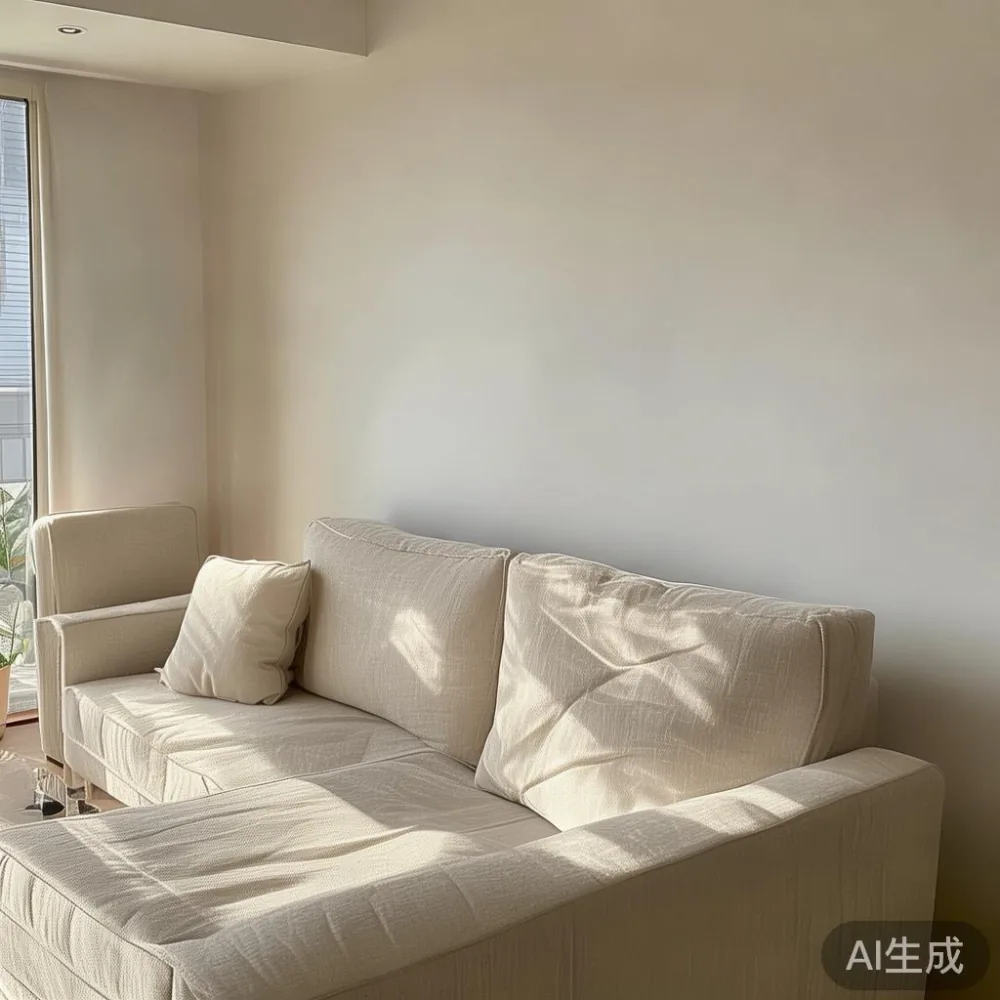
Is timber species the biggest factor in solid wood furniture prices?
Yes, but it is rarely the only factor. Species influence raw-material cost, workability, stability, grain character, and expected demand. Teak and walnut are often priced above pine, oak, and other commonly used hardwoods. The distinction matters because a low price may indicate thinner boards, smaller components, or a different species—not necessarily weak construction.
Ask the seller for the scientific or trade name of the timber on every major component. “Solid wood” should not conceal a mixture of solid timber, veneer, particleboard, and MDF. A solid wood sofa may contain a timber frame with upholstered cushions and metal springs, while a solid wood dining table should identify the material used for its top, apron, legs, and extension sections. Likewise, a solid wood bed frame and a solid wood wardrobe may use engineered panels in limited, clearly disclosed areas.
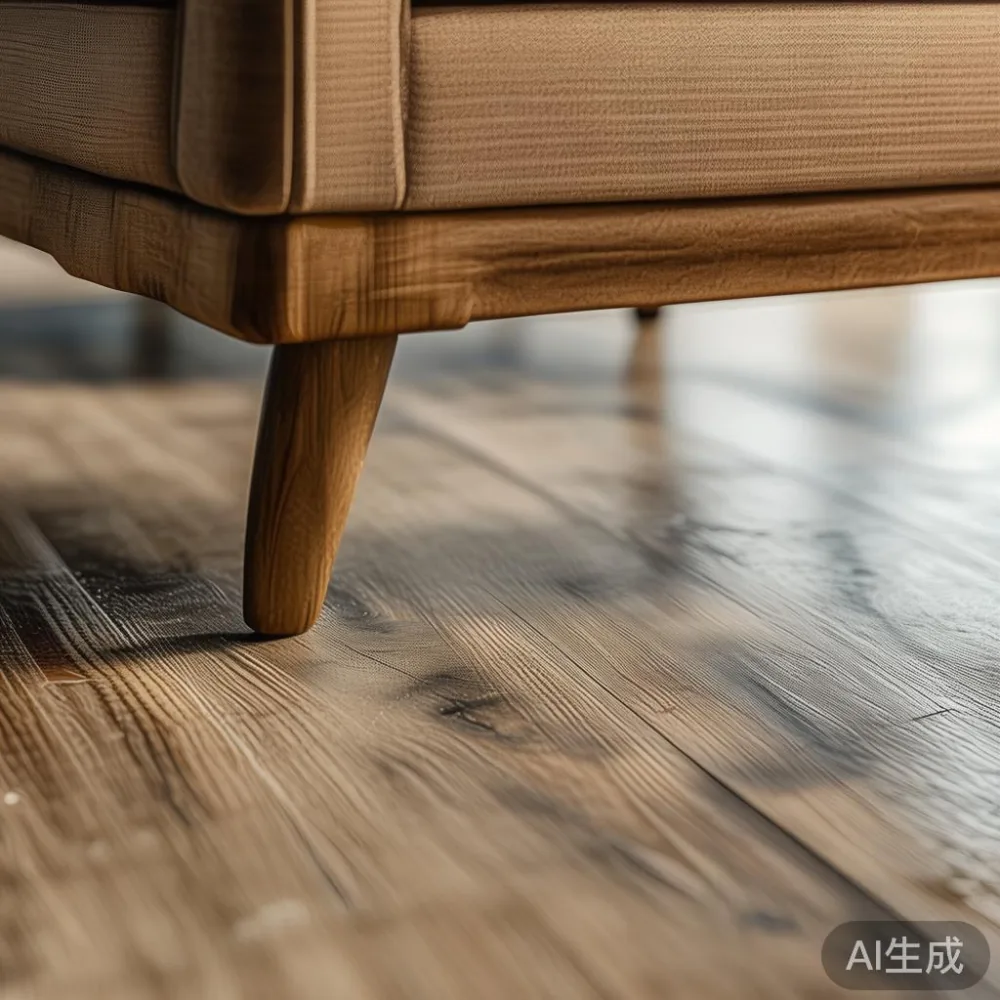
Thickness is measurable. A dining tabletop around 20–25 mm can cost more than a 15–18 mm top because it contains more timber and requires more accurate machining. A 45–55 cm deep wardrobe carcass can use more board area than a 35–40 cm model. The same applies to a 40–45 cm wide nightstand versus a 30 cm unit. These differences are more useful than vague claims of “premium quality.”
Buyers searching for the best Coastal sofa for 2026 should compare frame species, seat width, cushion density, and warranty terms rather than assuming that the name Coastal describes the construction. A coastal palette can be achieved with light oak, ash, or painted solid wood; the colour does not guarantee better timber.
What does joinery and structural construction add to the price?
Joinery affects both cost and longevity. Mortise-and-tenon joints, dowels, dovetail drawers, and bridle joints require accurate cutting and assembly. Some are more demanding than screw-only construction, although a well-designed screw-fixed joint can also perform well. The question is whether the design is engineered for its load and use.
For a dining table intended for daily family meals, look for a stable base, secure apron-to-leg connections, and an extension system that does not weaken the centre of the top. A 180–200 cm table seating 6 people should not flex noticeably at its ends. For a bed frame, the headboard supports, slat spacing, centre support, and leg construction matter more than decorative carving. A king bed frame may carry 150–250 kg when occupied, depending on the mattress and occupants.
One test I conducted last month involved moving a solid wood dining table into a Tampines flat with a 100 cm-wide corridor and a lift measuring 110 cm across the door and 210 cm internally. The table fitted, but its 210 cm length required a careful diagonal turn. That experience showed why delivery planning can affect the quoted price. A wide or heavy item may need partial assembly, two delivery workers, or a larger vehicle.
MIDHILL offers free shipping over US$350, but Singapore orders should still be checked against local lift and corridor dimensions. A nominally free shipment does not remove the need to confirm access on the delivery day.
Why do finishes, hardware, and upholstery create large price differences?
Surface treatment is a major but often underestimated cost. Raw timber may need sanding, filling, staining, sealing, and curing. A natural oil finish generally requires less film build-up, while lacquer, matte coating, or a multi-layer painted finish can add labour, masking, and material costs. White, cream, and pale grey tones can also require extra preparation to achieve an even appearance.
For a marble table, the price may include the stone itself, cutting, edge processing, sealing, and reinforcement beneath the slab. Marble varies naturally in pattern, and slabs with stronger movement can command different prices. Transport is another factor: a 180 cm marble dining top may weigh 70–130 kg and needs specialist handling. Its stone label is only one part of the total.
Hardware should be named by function and grade. A dining table may use concealed hinges, drawer runners, and an extension mechanism; a wardrobe may use soft-close hinges and adjustable hanging rails. A soft-close wardrobe hinge can add around S$5–S$20 per pair depending on the brand and specification. Drawer hardware may add S$20–S$150 to a chest. These costs reflect engineering and ease of use, not merely shiny fittings.
Upholstery introduces fabric, foam, filling, sewing, and labour. A solid wood sofa may have a hardwood frame, webbing or springs, high-density foam, fibre wrap, and fabric covers. Seat density around 35–45 kg/m³ is common for daily-use sofas, though the full build-up matters more than one number. Removable covers, stitched panels, and tailored piping increase labour compared with a simpler loose cover.
This is where light luxury sofa vs Modern sofa comparisons often become misleading. Light luxury may use more detailed shaping, selected fabrics, coordinated piping, and refined joinery; Modern designs may spend the budget on proportion, clean lines, and reclining mechanisms. Style is not a construction grade.
How much should a solid wood dining table cost in SGD?
Prices vary with size, timber, construction, and finish, but useful reference bands make comparison easier. A compact solid wood dining table around 120 cm wide may retail for about S$900–S$1,800. A 160–180 cm model for 4–6 people may cost S$1,500–S$3,500. A larger 200–240 cm table with a substantial top, detailed base, or extension system may range from S$3,000–S$6,500 and above.
These are planning ranges, not guarantees. A pine table with a straightforward construction can sit below them; a hand-finished walnut or teak design can sit above them. Compare quotations line by line: timber, top thickness, dimensions, extension method, finish, hardware, assembly, warranty, and delivery are all measurable.
French light luxury can suit a dining room with curved aprons, shaped legs, and warm timber tones. Post-modern for dining room searches often point toward geometric bases, mixed materials, and sculptural forms. Both need proper proportions in an HDB dining bay. A circular table around 110–120 cm diameter can ease circulation in a 3 m dining zone, while a rectangular table of 160–180 cm suits a longer wall but needs at least 90 cm of clear movement around chairs.
For households comparing cheap light luxury furniture, savings may come from ordering standard dimensions, choosing less complex joinery, or selecting one finish family across the room. A white dining table, nightstand, and console can create visual consistency without three unrelated decorative statements.
How do Singapore access and delivery conditions change the final price?
Local delivery is not a universal charge, but it is not always a fixed amount either. The main variables are product size, weight, packing volume, stairs, lift access, and whether assembly is required. A flat-pack wardrobe can be economical to move but may take 2–4 hours to assemble. A fully assembled 200 cm sideboard may be difficult to manoeuvre through a 90 cm corridor and may need two installers.
Before purchase, measure the route rather than only the room. Record the corridor width, door or fire-door opening, lift car dimensions, internal lift height, turn space, and staircase width. A lift with a 210 cm internal height cannot accept an upright 220 cm headboard unless it is tilted safely and fits diagonally. A wardrobe 240 cm tall and 60 cm deep may fit vertically but still block the lift entrance if the landing is narrow.
Standard delivery in Singapore may take 5–14 working days for in-stock pieces, while custom finishes or made-to-measure wardrobes can require 4–8 weeks. These periods depend on production and stock rather than a promise embedded in generic marketing copy. Confirm the handover date in writing.
GST treatment also matters to Singapore buyers. Prices displayed to GST-registered businesses may be stated excluding GST, while consumer-facing retail prices should be clear about the 9% GST treatment. For example, an ex-GST quotation of S$2,000 becomes S$2,180 after GST. Asking for one all-in consumer price avoids confusion.
MIDHILL’s export experience and 14-day returns policy can provide useful frameworks for expectation setting, but the practical fit still has to be checked against the specific block and access route. Confirm return conditions for made-to-measure items before placing an order.
What makes a solid wood wardrobe and bed frame worth their price?
A wardrobe should be assessed by usable internal space, wall thickness, hanging hardware, and installation method. A 150–180 cm wardrobe can serve one bedroom, while a 200–240 cm unit may suit a couple needing more shared storage. The external height may be 190–240 cm, depending on the design. Full-height sliding doors can look neat but need floor and wall alignment; hinged doors need more swing clearance.
For a 240 cm-high hinged unit positioned opposite a bed, allow roughly 90 cm of opening space. Sliding doors reduce the swing requirement but occupy more wall width. An adjustable hanging system, drawer boxes, LED lighting, and soft-close hinges affect the quotation more clearly than decorative door mouldings.
If you are wondering how to style French provincial wardrobe in apartment, focus on proportion rather than adding provincial ornaments everywhere. One curved-front wardrobe with muted cream, pale timber, or soft taupe can sit beside simple bedding and clean-lined storage. Avoid overcrowding a compact bedroom with matching carved furniture.
A solid wood bed frame should list the supported mattress sizes, slat spacing, centre-leg arrangement, and finished dimensions. For a queen mattress measuring approximately 152 cm by 190 cm in Singapore, the internal frame should allow a few centimetres of clearance and resist side movement. A slat spacing near 5–10 cm can provide support while allowing the mattress to flex.
The frame’s visual weight also affects value. A 20–25 cm headboard and 10–15 cm legs can make a smaller bed appear substantial, but heavy-looking parts are not automatically stronger. Inspect fasteners, rail connections, and floor contact points. A nightstand around 40–50 cm wide and 45–60 cm tall should align with the bed’s visual height; a 55 cm-wide top can hold a lamp, book, and glass within reach.
How can buyers compare two quotations without being misled?
Create a specification sheet for each product. Record and usable dimensions, timber species, board thickness, joinery, finish, hardware, weight, assembly needs, delivery date, warranty, and return terms. A lower figure can be reasonable if it buys less material and simpler engineering. It becomes difficult to defend when important specifications are missing.
Ask for photographs of the underside, drawer joints, bed slats, wardrobe interior, and marble table base. Request an assembly drawing for a bed frame or dining table and an installation plan for a wardrobe. If a retailer cannot answer these questions, the price may not include what you assume it includes.
Look at the whole room budget as well. A S$1,200 dining table is not inexpensive if it leaves no allowance for six suitable chairs. A S$2,600 wardrobe may be good value if it includes adjustable internal storage and soft-close hardware. A S$3,000 marble table may work best with a slim profile and compact footprint, while a visually heavier design could need 2–4 weeks of production.
French for dining room styling often works through one focal piece, pale walls, and coordinated textures. A French-inspired light-toned dining table can be paired with plain upholstered chairs, a simple sideboard, and warm lighting around 2700K. The point is balance: timber grain, stone, fabric, and metal should each have room to register.
Finally, check the service terms. A 10-year structural warranty should define covered defects and the claim process. Lifetime refinishing may apply only to eligible solid timber surfaces, normal wear, or authorised materials. A 14-day return period should distinguish factory-standard products from custom pieces. Clear policies are more valuable than broad claims because they show how the supplier intends to handle an actual problem.
What should you prioritise when buying solid wood furniture?
Prioritise the components you use every day. For a dining table, that means the top, base, joints, and finish. For a bed frame, it means the rails, slats, supports, and fasteners. For a wardrobe, it means internal fittings, doors, and installation. For a solid wood sofa, it means the frame, suspension, seat comfort, and cover serviceability.
Then match the product to the home. In Bedok, Punggol, Tampines, and other HDB developments, access routes can be tighter than showroom floors suggest. Measure in centimetres, record weights where needed, and include 5–15 cm of handling clearance around tight turns.
Price is the result of several linked decisions: timber supply, material thickness, machining, joinery, finish, hardware, upholstery, packaging, and logistics. A higher quotation can be justified when those elements are transparent, while a lower quotation can still offer good value if it is honestly specified. The strongest purchase is not simply the one with the smallest number; it is the one whose construction, dimensions, delivery plan, and after-sales terms match your Singapore home.