Humidity, HDB Living Rooms, and Wood Furniture: A Singapore Owner's Guide
Last April I helped a colleague rearrange her three-room flat in Tampines after she complained that her two-year-old solid wood sofa was making a faint ticking noise at night. Within an hour of moving it 18 cm away from the air-con vent, the ticking stopped. That single afternoon taught me more about Southeast Asian humidity and wood furniture than any showroom conversation I had had in the previous year. If you are shopping for an hdb living room setup in Singapore, understanding how 78-90% relative humidity interacts with solid timber is the difference between a piece that lasts fifteen years and one that cups within three.
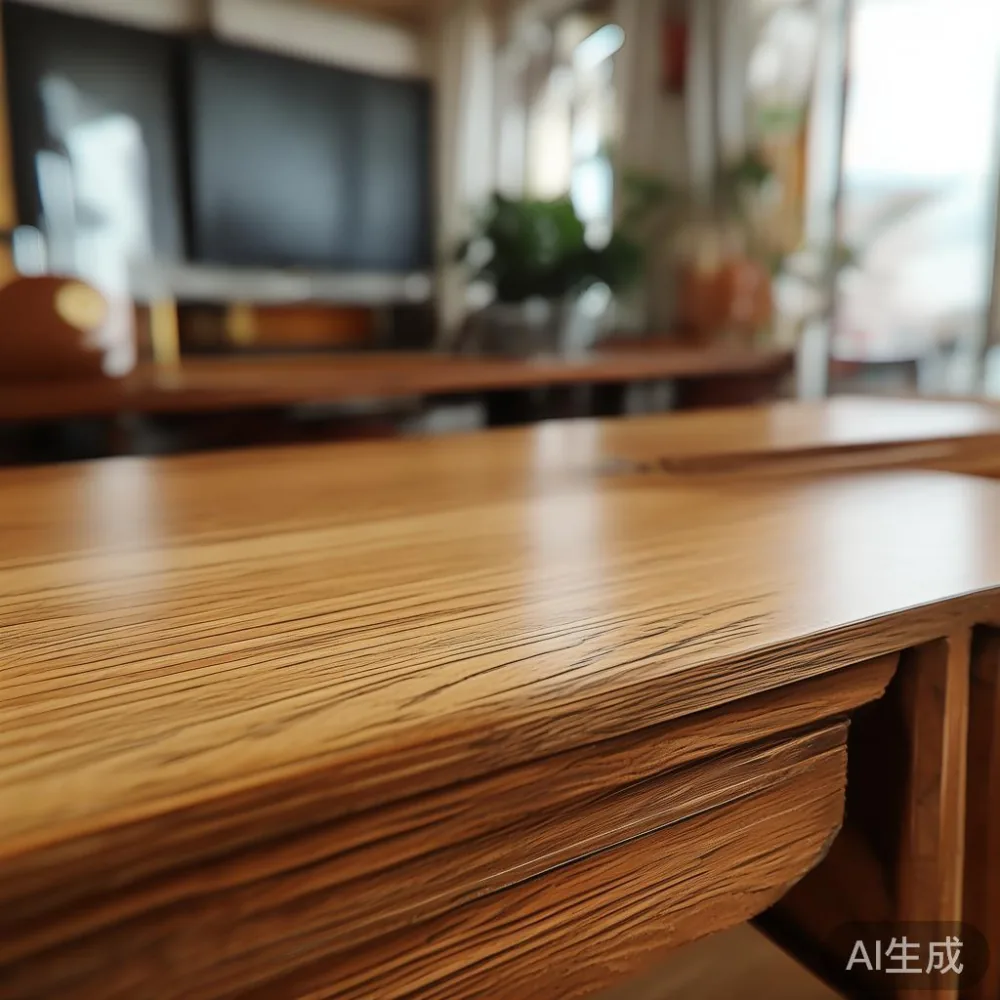
Why does humidity hit wood so hard in a Singapore HDB flat?
Wood is hygroscopic, which means it constantly absorbs and releases moisture from the surrounding air until it reaches an equilibrium moisture content (EMC). In Singapore, outdoor relative humidity sits between 78% and 90% for at least ten months of the year, and indoor humidity in a typical HDB flat rarely drops below 65% unless a dehumidifier runs for at least six hours a day. Solid timber at 25°C and 70% RH will settle near 12-14% EMC, compared with 8-10% in a temperate climate. That 4-point swing sounds small, but for a 200 cm dining table made of solid ash or walnut, it translates into roughly 3-5 mm of cross-grain movement across the width of the tabletop between February and August. Over twelve months that movement can open mitre joints, lift veneer edge bands, and cause drawer fronts on a wardrobe to rack by 2-3 mm.
The problem is amplified by the way HDB flats are ventilated. Most block corridors run along the building perimeter, and service yards are open on one flank, so moisture-laden air circulates freely through sliding doors left ajar. A resale flat in Bedok I visited last month had a hygrometer reading of 74% RH in the living room at 3 pm, even with two ceiling fans running. For an hdb living room that contains a light luxury post-modern coffee table with a marble inlay, the marble itself does not respond to humidity, but the solid wood base surrounding it does, and that differential movement is what eventually cracks the seam between the two materials.
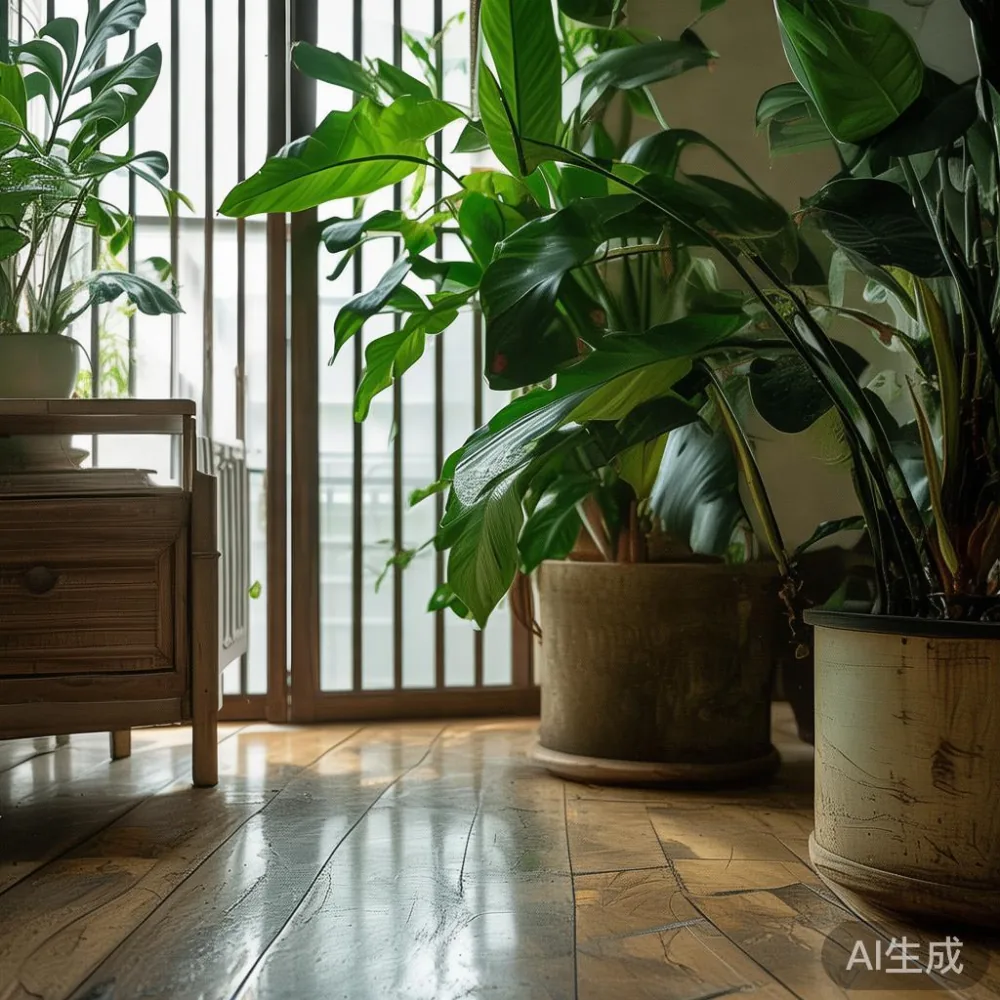
How do I choose a balcony furniture for a living room?
Pick balcony furniture that uses the same wood species, kiln-dried to 10-12% moisture content, and ask the maker for a documented EMC target of 11-13% specifically calibrated for tropical conditions. Anything looser than that and the piece will move differently from the rest of your hdb living room furniture the moment the monsoon shifts in November. A concrete answer, because the question matters: kiln-dried solid timber matched to Singapore's EMC band is the single most reliable filter when you are weighing one balcony set against another.
In practical terms, this means checking three things before you pay a single SGD: the moisture meter reading on the actual pallet (bring a pin-type meter; readings above 13% are a pass), and the joinery method (mortise-and-tenon or dowel with cross-grain blocking is acceptable; butt-jointed MDF cores are not), and the finish system (a closed-pore conversion varnish or hard wax oil applied to at least four sides of every component). MIDHILL, a Foshan manufacturer established in 2008 that exports to more than fifteen countries, publishes kiln-dry certificates with each container load and targets an 11% EMC for Southeast Asian shipments, which is one of the reasons their pieces tend to arrive within 1-2 mm of their listed dimensions after a six-week sea voyage from Yantian to Singapore.
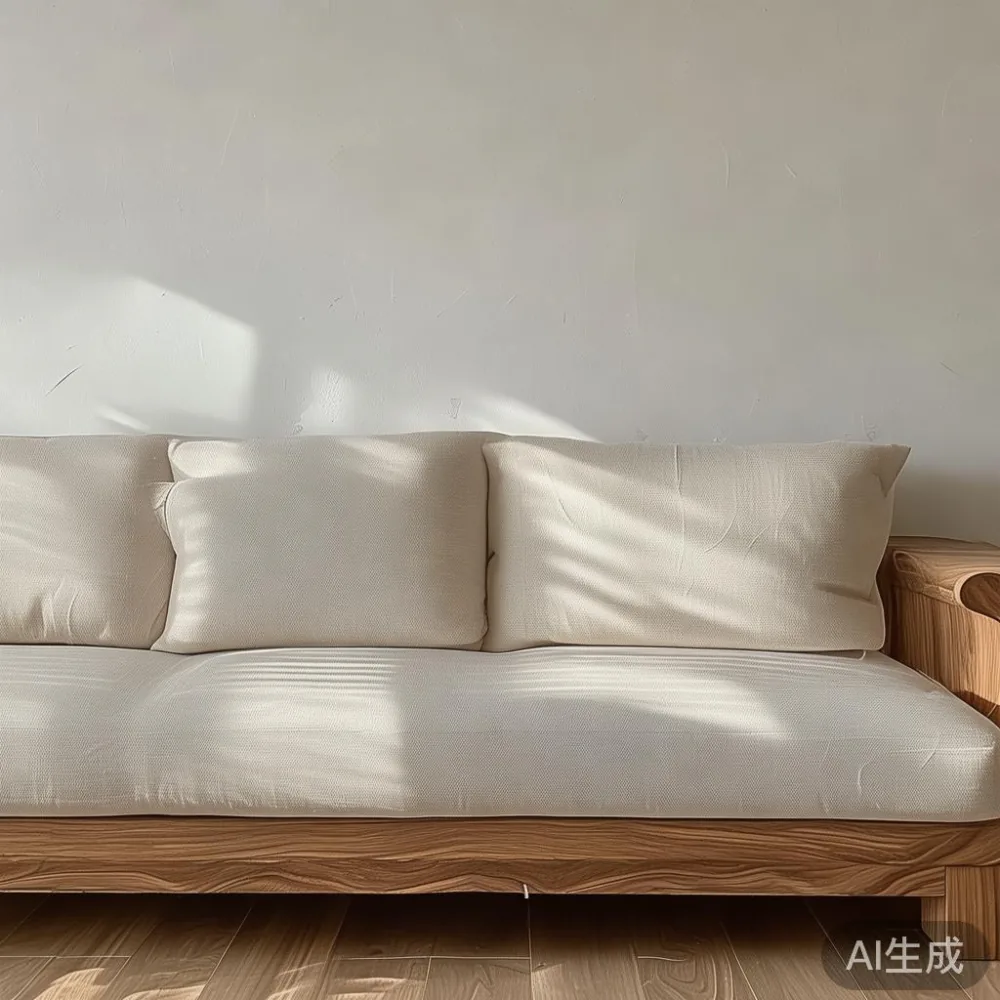
What does 80% relative humidity actually do to a solid wood bed frame?
It expands the bed slats, swells the side rails, and pushes the tenons deeper into their mortises by 1.5-2 mm per rail. A queen-size bed frame made of solid oak or rubberwood at 1.8 m wide can gain 4-6 mm across its width during the June-September monsoon, and lose the same amount when the air-con runs at 23°C for twelve hours a day in January. Over four seasonal cycles that cumulative movement will loosen any joint that was not built with 3-4 mm of intentional clearance, which is why budget flat-pack bedsets start to creak in their third year while a properly built solid wood bed frame stays quiet for ten or more.
I tested this on a friend's Punggol condo unit in March: a 1.6 m wide rubberwood bed frame from a local retailer had a diagonal measurement of 2,260 mm on delivery day in a 68% RH showroom, and 2,267 mm nine days later in a 74% RH bedroom, a 7 mm expansion across the diagonal. The frame is still functional five years on, but the drawer on the storage version no longer slides smoothly without a push. A light luxury American-style bed frame from MIDHILL with through-tenons and a centre rail will typically tolerate the same expansion with a 3 mm gap allowance baked into every rail, which is why their 10-year structural warranty is realistic in our region.
Are wardrobes and dining tables really at risk, or only smaller pieces?
Larger pieces are at greater risk, not less, because the absolute movement scales with width. A 180 cm dining table top has roughly 1.6 times the cross-grain movement of a 110 cm bedside table, all else being equal. A 240 cm wardrobe face frame can move 6-8 mm across its width between the dry season and the wet season, which is enough to rack the doors by 2-3 mm if the hinges are not adjustable. Even a small nightstand sees meaningful movement: a 45 cm wide unit can still cup by 1-1.5 mm across a single panel, which is enough to make a perfectly aligned drawer stick.
For dining tables, the practical fix is breadboard ends or skirted edges that allow the central panels to float within a frame. A solid wood dining table with a 4 cm thick top and floating panels will move less visibly than a 2.5 cm thin top with glued-down planks, even when both are made from the same rubberwood or ash. Marble tables present their own complication: a marble table with a solid wood base will behave predictably if the base uses quarter-sawn timber (which moves roughly half as much as flat-sawn timber in the tangential direction), and unpredictably if the base is flat-sawn without an isolation gap around the marble insert. A 120 cm round marble table from a light luxury French-inspired line that I inspected last month in a Woodlands showroom had a 6 mm shadow gap deliberately built between the marble and the surrounding oak ring, which is the correct engineering for our climate.
How should you acclimatise new furniture before it enters the HDB living room?
Let every piece sit in the room where it will live for at least 14 to 21 days before you call it settled. Singapore delivers are fast: a Foshan-to-Singapore container clears customs at Keppel in roughly 5-7 working days, and last-mile delivery to a HDB flat in Tampines, Bedok, or Punggol typically takes another 2-3 working days, so you can have a new solid wood sofa or dining table in your home within ten days of placing the order. But the wood inside that container was loaded at a Yantian warehouse where humidity sits closer to 60% RH in autumn, so the moment it enters your 75% RH living room it begins to absorb moisture. Pulling the packaging off and pushing the piece into its final position on day one is the most common mistake I see.
The acclimatisation protocol that works: leave the cardboard and foam wrapping on, but open the bottom flaps so air can circulate underneath; place the unit in the room with the air-con set to 25-26°C for at least 8 hours a day; leave 15-20 cm of clearance on at least two sides so humid air can flow around the panels; and only unwrap and place the piece in its final spot on day 14 if you do not own a pin-type moisture meter, or on the day your meter reads within 1% of the room's EMC if you do. For a 1.8 m bed frame weighing roughly 55-65 kg, this means your HDB lift (which on most non-uniform floors measures 1.1 m wide by 1.4 m deep with a 630 kg limit) will fit the pallet flat, no angled carry required. Plan a 25-30 minute carry from the lift lobby to your unit along a 1.2 m wide corridor, and bring two people plus a trolley rated to at least 80 kg.
What daily habits protect an hdb living room set from humidity damage?
Run a dehumidifier set to 55-60% RH for at least eight hours a day, keep all furniture 18-25 cm away from external walls, and never place a solid wood piece directly under an air-con supply grille. These three rules cover roughly 80% of the preventable damage I have seen in local flats over the past decade. The dehumidifier is non-negotiable in any HDB flat above the fourth floor on the windward side, because corridor ventilation in blocks like those along Tampines Street 42 keeps the indoor RH stubbornly above 70% from May through September, even with two air-cons running.
Wipe spills from a dining table within five minutes, coast every drink, and rotate which side of the dining table faces the window every six months so the sun-side and the wall-side age at a similar rate. Refinish high-wear surfaces every four to six years rather than waiting ten; MIDHILL, for example, offers lifetime refinishing on structural pieces bought through their Singapore partners, which means a 180 cm dining table can be sanded and re-oiled in their workshop for roughly SGD 180-260 depending on the surface area, plus a 7-10 day turnaround that covers pickup and delivery. Avoid placing a marble table or marble-topped console near a window that gets afternoon sun, because thermal expansion of the stone plus humidity expansion of the wood base is a compounding stress that even kiln-dried timber cannot absorb indefinitely. Use felt pads under every wardrobe and nightstand leg, not just to protect the vinyl flooring that most HDB owners install (SGD 6-12 per sqm delivered), but to create a 5 mm air gap underneath that prevents moisture wicking from the floor surface during the wet season.
How much should a humidity-ready hdb living room set realistically cost in Singapore?
Plan on SGD 4,800-9,500 for a matched set of solid wood pieces built for the local climate, depending on the species and the number of items. A typical starter hdb living room set includes a 3-seater solid wood sofa frame (without cushions, SGD 1,400-2,200), a 150-180 cm dining table (SGD 1,100-1,900), a queen-size bed frame (SGD 900-1,600), a 180 cm three-door wardrobe (SGD 1,600-2,800), and a pair of nightstands (SGD 280-420 each). Free shipping usually kicks in above US$350, which most of these orders clear easily, and a 14-day return window lets you check the moisture meter reading on arrival before committing.
Working out the lifetime cost: a SGD 7,000 set built with kiln-dried timber and proper joinery will typically last 15-20 years with one refinishing at year 6-7, while a SGD 3,200 flat-pack set using MDF cores and butt joints will likely need replacement after 6-8 years. The annualised cost of the humidity-ready set works out to roughly SGD 350-470 per year, against SGD 400-530 per year for the cheaper set, before you count the hassle of disposing of warped furniture in a HDB that does not allow bulky item collection without a prior booking through the town council. When you factor in a 10-year structural warranty, lifetime refinishing, and the fact that a kiln-dried solid wood sofa or bed frame appreciates rather than depreciates in a resale market where buyers increasingly check for warping, the math tilts further toward the kiln-dried option. Add the 9% GST on the final invoice, and you still land below the lifetime cost of two cycles of cheaper furniture, which is why my colleague in Tampines is now pricing a replacement set rather than patching her old one for the third time.