Veneer vs. Solid Wood: 5-Year Cost Breakdown for HDB Living
Choosing a sofa, bed frame, dining table, wardrobe, nightstand, or marble table for an HDB flat is rarely a question about appearance alone. It is also a question about floor space, lift access, humidity, maintenance, replacement cycles, and what a furniture purchase will cost over 5 years. Veneer can provide the look of timber at a lower purchase price, while solid wood usually carries a higher upfront cost but can offer a different repair and refinishing path. The answer depends on the room, the family, and the product—not on a universal rule.
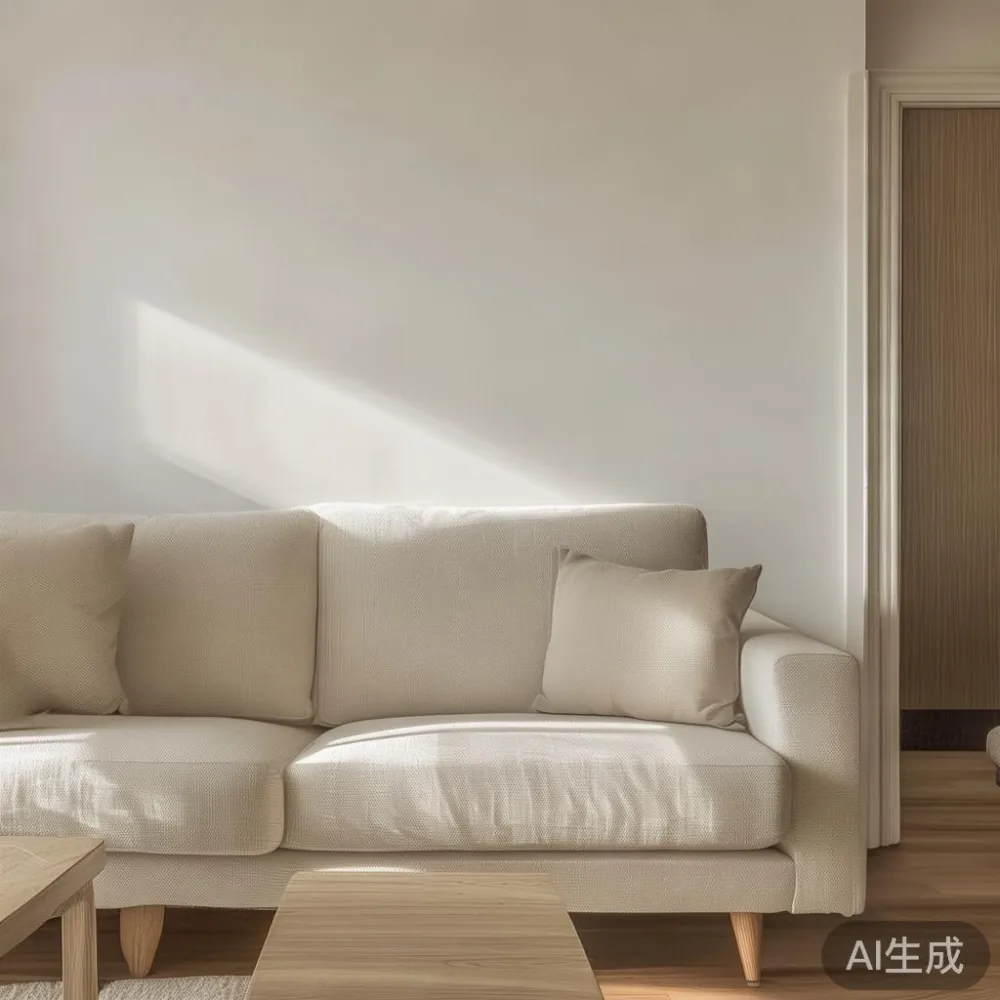
This comparison uses realistic Singapore pricing in SGD, including the 9% GST where it applies, plus estimated delivery, care, and repair costs. It focuses on an HDB livingroom setting, including Tampines, Bedok, and Punggol homes where compact layouts and shared corridors make dimensions and logistics important. MIDHILL is a Foshan solid wood furniture maker established in 2008, exporting to more than 15 countries, with a 10-year structural warranty and lifetime refinishing service.
What does “5-year cost” mean for furniture in Singapore?
The calculation includes the purchase price, GST, delivery to the HDB block, carrying and installation where needed, expected maintenance, and likely repairs or partial replacement within 5 years. It does not treat a furniture item as worthless after 5 years. Instead, it estimates cash spent to keep the item usable and attractive during that period. A solid wood dining table, for example, may still have useful life after year 5; the calculation simply records the expenditure required so far.
For the living room, the comparison assumes a standard HDB livingroom arrangement with one solid wood or veneered sofa, one bed frame in the bedroom, one dining table, one wardrobe, two nightstands, and one marble table. Prices are indicative rather than quotations. Delivery windows are expressed in days, and dimensions use centimetres, with widths and depths that can be checked before ordering.
For Singapore, humidity and moving logistics deserve financial attention. A sofa measuring 220 cm wide may fit a 210 cm internal corridor only if the packaging, turning space, and lift dimensions allow it. A bed frame arriving in two cartons may be easier to manage than a single oversized carton. Those practical differences can save several hundred SGD in delivery labour, stair handling, or replacement purchases.

How do veneer and solid wood differ in purchase cost?
Veneer uses a thin layer of real timber—often 0.6 mm to 1.2 mm—bonded to a engineered board. The visible surface can look convincing, especially with oak, walnut, ash, or teak tones. Solid wood uses timber throughout the visible and structural components, although not every solid wood dining table is made from one species or one uninterrupted board.
A practical Singapore sample shows the initial gap. A 180 cm three-seat veneer sofa might cost SGD 1,480 before GST, while a comparable 180 cm solid wood sofa might cost SGD 2,280 before GST. Add 9% GST: the figures become approximately SGD 1,613 and SGD 2,485 respectively. Over 5 years, the veneer option starts SGD 872 ahead.
The gap narrows for storage furniture. A 120 cm veneer wardrobe may be SGD 1,150 before GST, compared with SGD 1,750 for a solid wood wardrobe. At 9% GST, that is SGD 1,254 against SGD 1,908, a difference of SGD 654. A 50 cm solid wood nightstand might cost SGD 320, while a matching veneer nightstand might cost SGD 210.
For a 140 cm dining table, a veneer model may be SGD 890 before GST and a solid wood model SGD 1,390. The marble table example is different: a 100 cm marble table with a stone top may cost SGD 780 in either category because marble, metal supports, and fabrication account for much of the price. A kitchen or dining table also has a high risk of water rings, heat marks, and scratches, so the finish specification matters more than the material label alone.
These are not a ranking of quality. They are entry points for comparing like-for-like dimensions, finishes, hardware, and expected service. The smart search for Scandinavian for small living room often focuses on pale timber tones and slim profiles, but a light finish on veneer can be more vulnerable to edge wear than a darker, tougher solid wood surface.
Which option costs less after 5 years?
For the sofa, assume the veneer sofa receives one SGD 120 upholstery repair after 18 months and one SGD 90 repair after 42 months. Its 5-year outlay is SGD 1,823, including delivery and minor repairs. The solid wood sofa may need no structural repair in the same period, but its cushions may still require SGD 180 of maintenance. Its total is approximately SGD 2,665. The difference is SGD 842, or about SGD 168 per year.
For the bed frame, the veneer version may cost SGD 698 after GST and require SGD 80 in joint maintenance. A solid wood bed frame may cost SGD 1,138 after GST but may avoid replacement of internal fasteners, while finish care still needs budgeting. The 5-year totals are roughly SGD 778 and SGD 1,138, a SGD 360 gap. An American bed vs Mid-century modern bed comparison can change the result because tapered legs, reinforced rails, and a lower profile affect both price and durability.
The dining table presents a clearer maintenance case. Veneer may require SGD 140 for re-sealing or patching over 5 years, giving a total near SGD 1,110 after GST, delivery, and care. A solid wood table might need SGD 100 in oiling and minor sanding, bringing its total to around SGD 1,616. The price difference is SGD 506, reduced to SGD 101 per year.
For the wardrobe, sliding or framed doors add hardware costs that can obscure the material difference. A veneer wardrobe at SGD 1,254 might need SGD 160 for roller or hinge adjustment. A solid wood wardrobe at SGD 1,908 might need SGD 90 of finish care, for totals of SGD 1,414 and SGD 1,998. The difference is SGD 584.
Two nightstands cost twice the individual figures. A pair of veneer nightstands may total SGD 458 after GST, while a solid wood pair may total SGD 698. Assuming SGD 70 of minor repairs for veneer and SGD 40 for solid wood, the 5-year totals are SGD 528 and SGD 738.
The marble table remains almost unchanged: approximately SGD 920 after GST and delivery for each option. Its 5-year cost may be SGD 1,010 to SGD 1,050 with sealer maintenance and specialist cleaning. Material choice matters less here than stone thickness, support design, edge protection, and the cost of moving a 45–70 kg top.
Across the complete sample, the veneer package is approximately SGD 7,000 over 5 years. The solid wood package is approximately SGD 9,530, a difference of SGD 2,530, or SGD 506 per year. The saving is meaningful, but the result changes if the veneer item is replaced once, moved repeatedly, or maintained poorly.
Can a veneer sofa still work well in an HDB livingroom?
Yes, provided the construction is sound and the household matches the care level. A 180–200 cm sofa is common in Singapore HDB living rooms, while a 220 cm model suits a wider rectangular livingroom or a compact condominium living room with a clear delivery route. The key dimensions are the sofa’s widest point, packaging width, lift door, lift depth, and corridor turning clearance.
For a small family home, a 170 cm veneer sofa with removable covers and replaceable cushions can be practical. It may give more seating width per dollar than a larger solid wood sofa, leaving space for a 90 cm coffee table and a 35 cm side table. The search for a MIDHILL coffee table, for instance, should include a 110 cm wide model if the sofa is 200 cm and the room is only 3.2 m wide, leaving at least 80 cm of circulation space.
There is also a useful distinction between surface repair and structural failure. Veneer can chip at an exposed edge, while solid wood can split along a grain line. Neither outcome is automatic. A stable indoor environment, coasters, careful vacuuming, and avoiding direct air-conditioning airflow can protect both. For families expecting a sofa to remain through several moves, a solid wood frame may reduce the need to replace the entire unit after a damaged corner or loose joint.
Some buyers ask about the best Japanese sofa for 2026 because low-profile comfort and clean lines fit many HDB layouts, but the product category remains the same: a sofa. Whether its visible shell is veneer or solid wood should be checked alongside seat density, frame material, fabric rub rating, warranty, and actual dimensions.
Do delivery and installation change the 5-year equation?
They can. A white-glove delivery from a Singapore warehouse may cost SGD 80 for a sofa, SGD 120 for a bed frame, and SGD 60 for a dining table. A curbside delivery may be cheaper, but it shifts carrying work and timing risk to the household. Lift bookings can add another SGD 30 to SGD 80, depending on the building and operator.
MIDHILL’s stated free shipping threshold is US$350, so Singapore buyers should confirm the local delivery quote rather than assume the overseas threshold applies. Typical order-to-delivery expectations should be checked at checkout; a reasonable planning range is 7 to 21 days for stocked or configured pieces, while custom sizes and finishes can require 30 to 45 days. Transit or production delays should not be treated as a furniture feature.
For a bed frame, choose a design that separates into manageable cartons. A solid wood bed frame with rails packed in boxes of no more than 150 cm and 25 kg each is easier to carry through an HDB corridor than a single 190 cm carton. For a dining table, removable legs can save installation time and reduce damage risk. A marble table may need two or three people because a 100 cm stone top can weigh 45–70 kg.
Warranty terms also belong in the cost calculation. MIDHILL provides a 10-year structural warranty on qualifying solid wood products and lifetime refinishing. A warranty that covers frame or structural failure can preserve the original purchase value for longer than a low-cost replacement. Read the exclusions for commercial use, moisture exposure, and unauthorized modifications, and retain the invoice and order records.
What about French light luxury and other design directions?
Style changes the comparison because materials, finishes, and construction standards move together. A French light luxury living room might use a solid wood bed frame with shaped headboard details, a 190 cm sofa in linen, and a marble table with a pale stone top. French bed vs French provincial bed is a useful way to separate carved, curved, and ornamental profiles from the straighter, more restrained lines of French light luxury. A French provincial bed may need more clearance and careful detailing; a simpler light-luxury bed can be easier to move into a lift.
Post-modern light luxury often combines rounded forms, mixed textures, and durable natural surfaces. A solid wood dining table with softened corners can sit beside a upholstered sofa and a stone coffee table. American light luxury tends toward generous proportions, padded seating, and substantial frames, which can increase both purchase and delivery costs in a compact HDB livingroom.
For wardrobes, the phrase best Italian light luxury wardrobe for 2026 can be misleading in a Singapore context. “Italian” may describe a design language, hardware, or finish rather than the country of manufacture. Compare carcass material, drawer construction, hanging space, door movement, and warranty. A 150 cm wide wardrobe may need a doorway of at least 155 cm after packaging, while a 120 cm model can be easier to install in an older HDB bedroom.
Designers and dealers looking at wholesale French provincial furniture should verify whether the quoted piece is solid wood, veneered, or mixed construction. The same silhouette can have dramatically different repair costs. The relevant question is not whether a style looks expensive; it is whether the specified frame, surface, finish, and dimensions suit the actual room.
Is solid wood worth the extra SGD 2,530 over 5 years?
For the sample livingroom package, solid wood costs about SGD 506 more per year than veneer. That extra amount may be worthwhile when the household expects to keep the furniture for 7–10 years, values refinishing, moves pieces frequently, or has children and pets. It may be less attractive when the item is likely to be replaced after 3 years because of a rental move, a renovation, or a change in room use.
My own test was practical rather than showroom-based. Last month, I visited a Bedok HDB flat with a 198 cm corridor and a lift measuring 105 cm at the door and 135 cm deep. A sofa in a rigid full-width carton could not turn into the corridor. The same sofa, packed in two sections, passed the corner without removing the lift door. Another colleague measured a Punggol dining table route where a 160 cm top could pass the lift but a 190 cm top could not. That single 30 cm difference prevented a delivery-day return charge of about SGD 160.
That experience also showed why the lowest sticker price is not the whole budget. A mis-sized table can incur restocking, return transport, and new delivery. A well-chosen 140 cm solid wood dining table at SGD 1,390 before GST may therefore cost less over time than a cheaper 190 cm veneer table that cannot enter the home.
For most HDB living room users, a mixed approach offers the most controlled result. Choose solid wood for a bed frame, wardrobe, or dining table that will remain in place and endure daily handling. Choose veneer for a sofa or nightstand when the budget benefits from lighter replacement parts, cushion covers, and straightforward size options. Choose marble based on maintenance and weight rather than assuming it is automatically more durable than timber.
Which choice should you make for your Singapore home?
Veneer wins on the first purchase in the sample: about SGD 7,000 over 5 years including basic care and repairs. Solid wood wins on longevity, refinishing potential, and the likelihood of retaining usable value beyond year 5. Its 5-year outlay is about SGD 9,530, including delivery and estimated maintenance, with a 10-year structural warranty and lifetime refinishing option on qualifying MIDHILL products.
Before ordering, measure the lift door, lift cabin, corridor turns, stair width, bedroom door, and the furniture’s final position. Record every packaging dimension, not just the product dimensions. For the sofa, allow 5–10 cm of fitting clearance. For the bed frame, check that the headboard can clear the lift ceiling. For the wardrobe, check the open door swing. For the marble table, confirm the route and whether the top separates from its base.
Then read the 14-day return terms, ask who bears return freight, and confirm the finish-care instructions. Solid wood furniture should be protected from standing moisture and rapid humidity changes, while veneer needs careful edge and surface care. A purchase that fits the room and fits the household’s habits will usually deliver more value over 5 years than a lower-cost item that creates movement, repair, or replacement costs.