How to Care for Lacquered Furniture in a Humid HDB Living Room
Lacquered furniture can look polished and restrained in a Singapore home, but a humid climate changes the care routine. In an HDB flat, a solid wood sofa may face warm air from a lift lobby, condensation near an air-conditioning unit, and repeated hand contact around the dining table. A lacquered bed frame, wardrobe, nightstand, or TV console needs the same attentive treatment: controlled moisture, gentle cleaning, and quick responses to scratches.
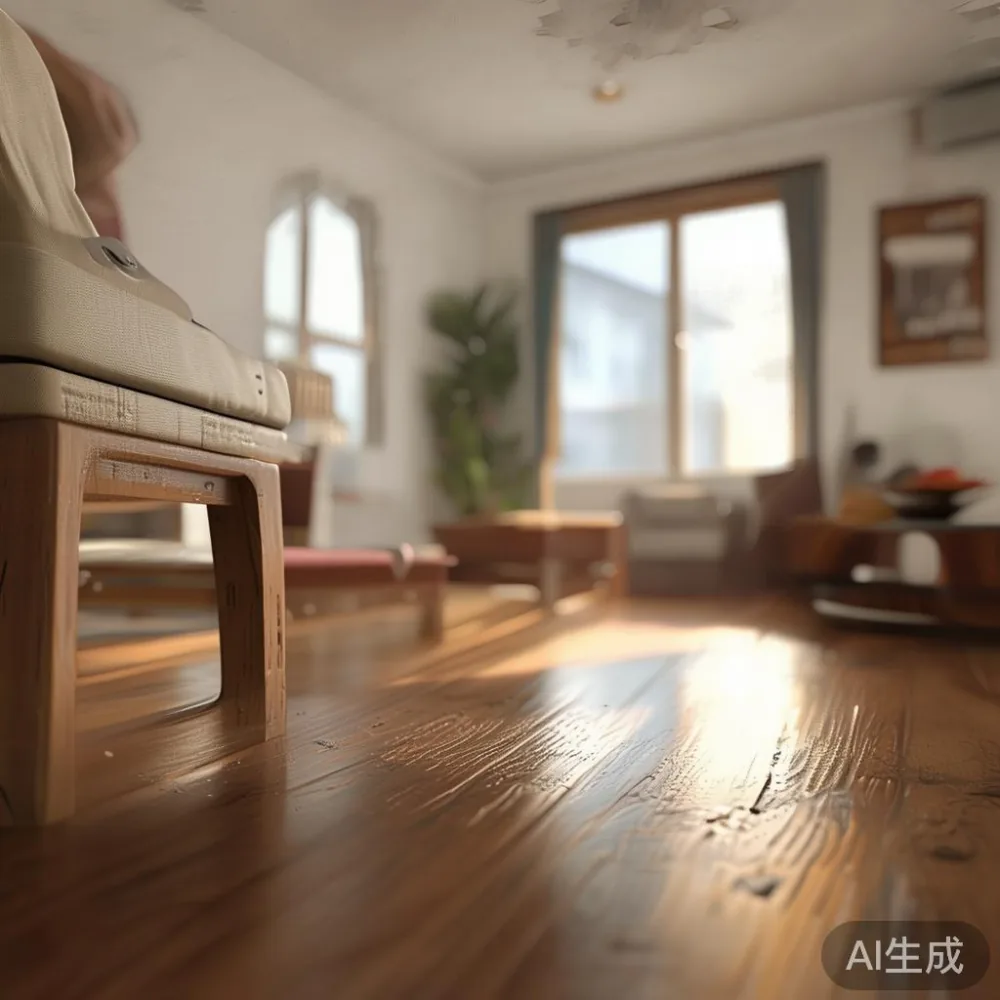
For MIDHILL, this is not only a matter of appearance. Lacquer protects the timber beneath it, while correct care helps the finish remain even and easy to maintain. The following guidance focuses on lacquered pieces used in an hdb livingroom, with practical measurements for Tampines, Bedok, Punggol, and other Singapore apartments. It also explains how to move large items through common lift and corridor widths without damaging either the lacquer or the surrounding building.
Why Does Humidity Affect Lacquered Furniture?
Singapore’s relative humidity often changes between 60% and 85%, especially during monsoon periods. Lacquer is a cured surface coating, not a waterproof membrane. Repeated humidity cycles can make some coatings feel less firm, while prolonged moisture exposure may leave pale marks, haze, or dull patches. Direct heat is another concern: a surface that reaches approximately 40°C may develop tiny bubbles or a cloudy finish as the coating and timber respond differently.
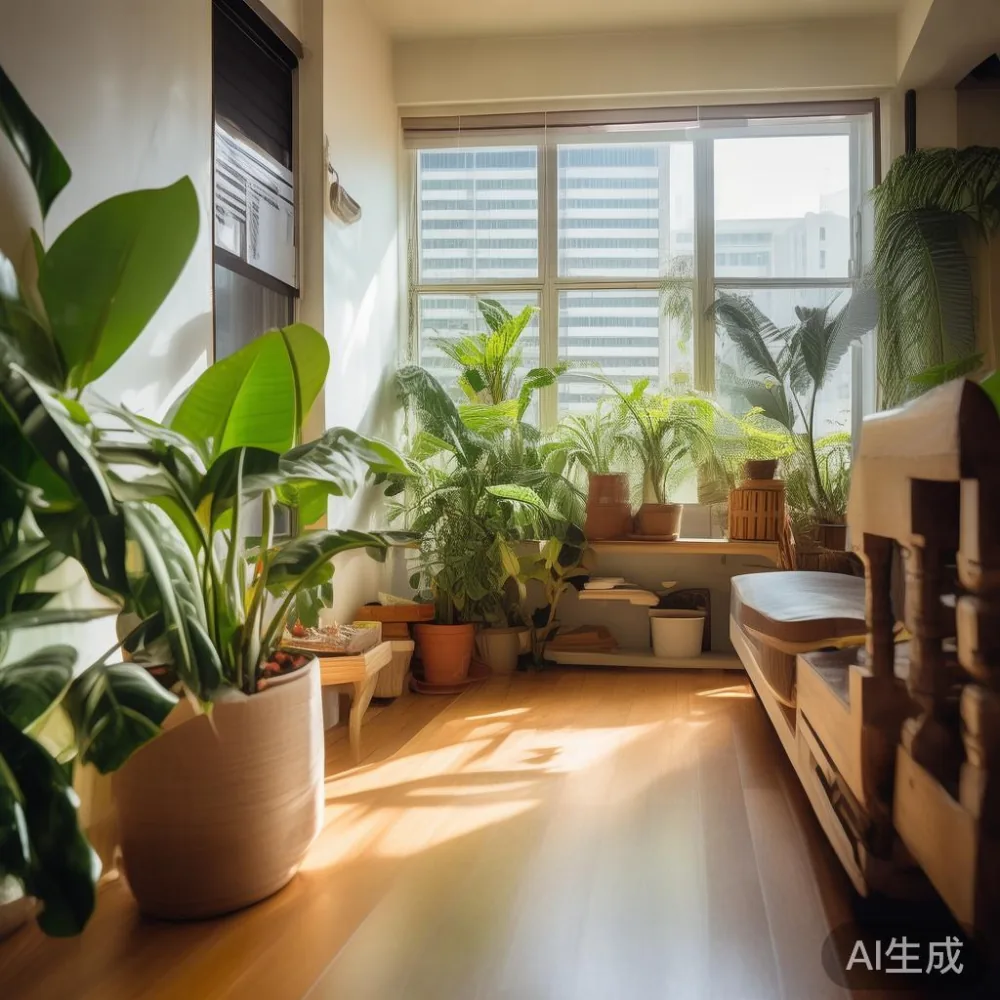
Keep lacquered furniture at least 30 cm from windows with direct afternoon sun, 20 cm from radiators, and 15 cm from walls that may feel cold or damp. Air-conditioning helps because it lowers both temperature and moisture, but the outlet should not point directly at a solid wood sofa or lacquered bed frame. A room reading of 24°C and 55% relative humidity is a sensible target. Use a digital hygrometer costing about SGD 25 to SGD 45 rather than guessing.
The finish should be treated as a layered surface. Wipe liquids promptly, avoid steam cleaners above 60°C, and never mix household cleaners. A soft cotton cloth, mild pH-neutral soap, and a little water are usually enough for routine care.
How Should I Clean a Lacquered Surface?
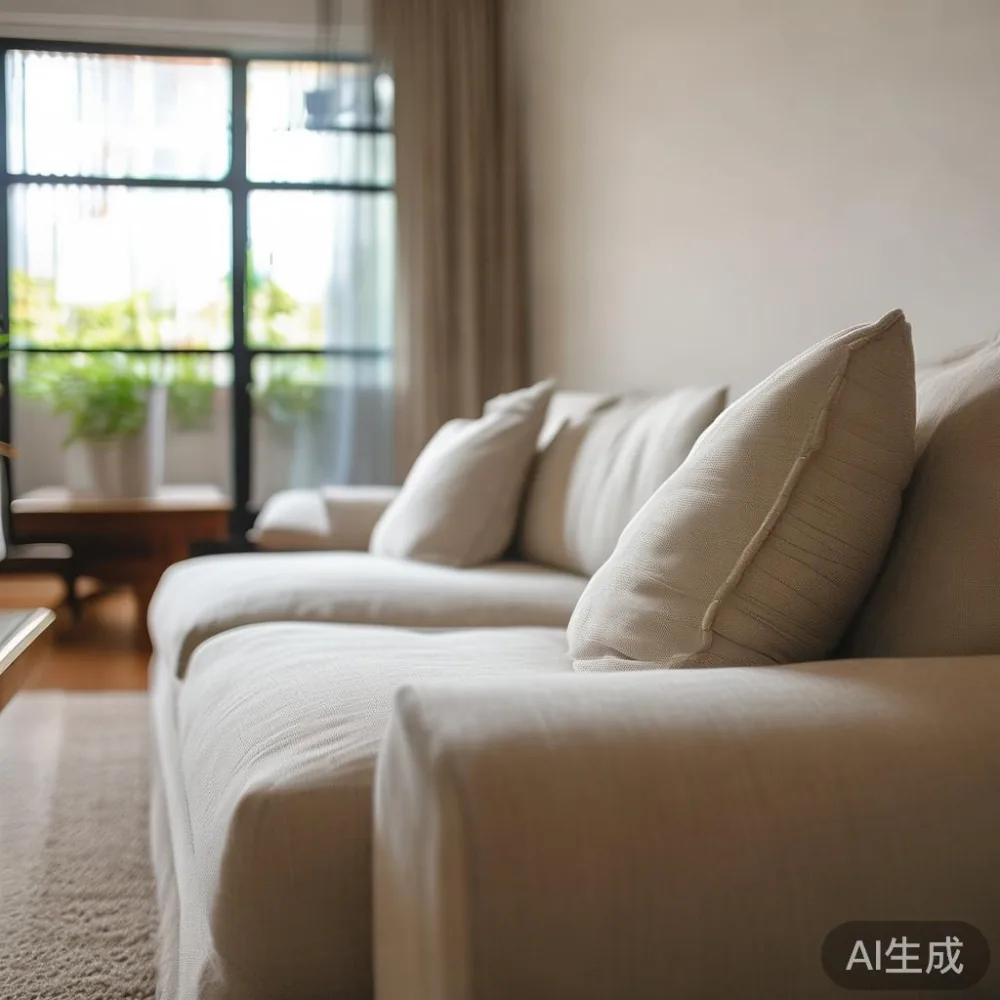
Start with a dry microfibre cloth. If dust remains, dampen a separate cotton cloth with plain water, wring it until only a few drops emerge, and test a 10 cm square near a hidden edge. Wipe with light pressure, then dry immediately with a clean cloth. This two-cloth method avoids leaving moisture around joints, routed edges, or lacquered panels.
For marks, use 1 ml of mild dish soap in a 250 ml bowl of water. The foam should disappear after a few seconds rather than sit on the surface. Apply the solution to the cloth, not the furniture, and work over a 30 cm area. A lint-free cloth should leave no visible residue after 2 minutes. Never use vinegar, lemon juice, ammonia, bleach, alcohol-based glass cleaner, abrasive pads, or silicone polish unless the lacquer manufacturer explicitly permits them.
Spills need speed rather than aggressive scrubbing. Blot water-based spills with paper towel, lift oily residue with a clean cloth, and use a 5-minute interval between attempts if the mark remains. Coffee, soy sauce, red wine, and ink can stain a lacquer finish if they remain for 12 hours or longer. On a lacquered dining table, coasters and placemats are more practical than repeatedly treating the surface.
How Do I Protect Lacquer From Scratches and Heat?
Minor contact marks occur around a lacquered wardrobe, nightstand, and coffee table because these are handled most often. Felt pads reduce friction but should not be left on a damp surface, where trapped moisture can create a mark. Replace pads every 6 months or whenever they become compressed.
Use coasters with a minimum diameter of 8 cm and a base at least 2 mm thick. Add a 3 mm silicone or cork layer beneath the coaster. Avoid hot appliances, laptops, kettles, and hair tools. A mug at 60°C should be placed on a trivet rather than directly on the lacquer. Keep a fabric or cork trivet at least 5 cm away from the edge to reduce heat transfer.
For the sofa, lift cushions instead of dragging them. The legs of a solid wood sofa should have protective pads, while the frame should remain clear of carpets that can trap moisture. A bed frame needs the same restraint: do not tighten fittings against the lacquered panel, and keep bedding from rubbing against the headboard. Marble table users should also place a separate barrier between a warm lamp and the stone, because marble can transmit heat differently from lacquered timber.
What Is the Safe Way to Move Furniture Through an HDB Lift?
Plan the route before the furniture leaves the supplier. Common HDB lift cars measure about 90 cm wide by 140 cm deep, though accessible lifts and upgraded models vary. Measure the door opening, turning space, corridor, and actual lift car rather than relying on a listing. Allow at least 5 cm clearance on each side of a large package, and protect the lacquer with a 3 mm blanket or moving sheet secured with removable tape.
Keep the item upright when the manufacturer permits it, and never carry a lacquered wardrobe or bed frame by its coated edge. Use two people for pieces above 35 kg. The MIDHILL TV console, for example, should be moved in its protective packaging, with corner protection and straps that do not press into the finish. If a corridor narrows below 100 cm, arrange the turn with the building management before delivery.
For customers in Tampines, Bedok, and Punggol, delivery timing matters as much as route planning. A typical Singapore delivery window is 7 to 14 calendar days after the order is confirmed. At the doorway, check the finish under daylight before signing. Photograph the furniture, packaging, and access route. If damage appears during delivery, document it within 24 hours and keep the protective covering in place until the issue is reviewed.
Can a Scratched Lacquer Finish Be Repaired?
Light marks can sometimes be reduced, but deeper scratches should be handled with a product-specific method. A fingernail test can give a rough indication: if the nail catches clearly, the scratch has disturbed the coating and should not be polished aggressively. If it does not catch, a very mild finishing treatment may work, but the manufacturer’s guidance should come first.
Keep fingernails and hard objects away from the repair area. A 2 cm-wide felt block and clean cotton cloth are useful for controlled rubbing, yet force can create a matte patch. Stop after 10 seconds and inspect under a 500-lumen lamp. This is especially important on high-gloss lacquer, where heat and abrasive motion can change the reflection permanently.
For furniture manufactured by MIDHILL, structural issues are covered by a 10-year warranty. Surface wear from humidity, heat, chemicals, or careless movement may require a different remedy, so retain the order records and photographs. A refinishing service can extend the life of a piece, and MIDHILL offers lifetime refinishing for qualifying furniture. Refinishing is not the same as warranty replacement, so agree on the scope, colour, sheen, and expected timing before work begins.
How Do I Style a Lacquered Piece in a Singapore Apartment?
A restrained palette suits the reflective quality of lacquer. Warm white walls around 70% to 80% of the room’s visual field can be balanced with beige, taupe, muted green, or dusty blue. In an hdb livingroom, a lacquered dining table can anchor a compact eating zone, while a solid wood sofa provides a softer counterpoint. Keep the sofa at least 15 cm from the table edge and use a rug with a low pile of no more than 8 mm.
Those comparing silhouettes can use a guide to American sofa vs French provincial sofa to decide on cushions and proportions, although the lacquered cabinetry should remain visually simple. For a more formal apartment, light luxury for apartment styling often means fewer objects, controlled shine, and materials with visible grain. European light luxury for office can inform a desk area with pale timber, cream upholstery, and one dark accent, while keeping cables at least 10 cm from lacquered surfaces.
For softer forms, how to style Japandi sofa in apartment interiors benefits from low seating, straight lines, and uncluttered floor space. These ideas translate well to the hdb livingroom because they make a 90 cm-wide route feel more open. A lacquered nightstand beside a bed can add structure without overwhelming a 9 sqm bedroom, provided it stands within 5 cm of the wall to leave room for sockets and charging cables.
For a coastal bedroom, the best Coastal bed for 2026 can be paired with light textiles and pale lacquer, but avoid salty outdoor air and damp patio air reaching the surface. In a condo, direct sea breezes may still carry moisture. Check the finish every 4 weeks during wetter months and every 8 weeks during drier periods.
When considering a European-style seating arrangement, how to style European sofa in room layouts calls for balanced spacing rather than excess decoration. Leave 75 cm beside a sofa arm for a walkway, 90 cm in front of the main seat, and 60 cm between a dining chair and table. These clearances also give cleaners access and reduce the chance of furniture scraping corridors.
How Often Should I Inspect a Lacquered Finish?
Check lacquer once a month in an air-conditioned HDB flat. Look along the top edge of a dining table, the drawer fronts of a wardrobe, the nightstand handles, and the lower corners where a bed frame meets the floor. Use a clean cloth each time rather than applying product on a schedule; unnecessary polishing creates residue and can make the finish uneven.
Inspect more closely after intense rain, an air-conditioning fault, or a kitchen incident. The useful checklist includes 5 points: no lifting at the edges, no cloudy patches, no tackiness, no colour concentration around handles, and no swelling where the coating meets exposed timber. A 10-lux phone light can reveal bubbles, but avoid placing heat-producing lamps within 30 cm of the finish.
Air purifiers do not replace ventilation. Run them for 8 to 10 hours daily when humidity is above 70%, and use a dehumidifier rated for the room area where possible. Keep the unit at least 60 cm from lacquered furniture so condensation cannot reach a cabinet or wardrobe base. A bedroom around 10 sqm may need a compact unit with a removal rate near 12 litres per day, subject to the room’s construction and ventilation.
What Should I Do Before a Long-Term Maintenance Period?
For a renovation, extended trip, or period of heavy rainfall, remove loose objects from lacquered surfaces and leave the air conditioner operating at about 24°C. Keep windows closed when outdoor humidity is above 80%, and open them for 20 to 30 minutes when outdoor readings fall below 70%. Move plants, damp towels, and open cleaning products away from the furniture.
Do not cover a lacquered surface with plastic for more than 48 hours. Wrapped surfaces can trap humidity, and adhesive tape may lift the coating. Use a breathable cotton cover if dust protection is required. Before returning to the room, let the furniture acclimatise for at least 4 hours, then inspect the edges and joints under daylight.
For a new lacquered bed frame, wardrobe, nightstand, or solid wood sofa, follow the same baseline: keep the room near 24°C and 55% humidity, clean with a barely damp cloth, protect from direct heat, and record any damage immediately. MIDHILL’s 14-day returns policy gives customers time to assess an item in their own hdb livingroom, while free shipping applies to qualifying orders above US$350, equivalent to about SGD 465 at a typical exchange rate of roughly SGD 1.29 per US$1. The final Singapore price should be confirmed in SGD, including GST and delivery charges shown at checkout.
Good lacquer care is measured in small habits: a 10-minute wipe, a 30 cm buffer from sunlight, and an 8 cm coaster. Used consistently, these details protect the surface from Singapore humidity while preserving the clean character of a carefully proportioned home.