What Actually Drives the Price of Solid Wood Furniture (And Why Your HDB Living Room Deserves It)
I moved into a 4-room HDB flat in Tampines last April, and the first piece of furniture I bought was a flat-pack particleboard wardrobe from a Tampines Mall clearance. It cost me SGD 489, looked fine for six months, and by month nine the doors were sagging on their hinges. The carpenter I called to fix it took one look and said, "Bro, this is MDF with a wood print. There is nothing to fix. Buy a real wardrobe next time." That conversation is the reason I started researching what actually drives the price of solid wood furniture, and why a 1.8-metre wardrobe from a Foshan factory can land on the 9th floor of a Punggol HDB for SGD 1,580 while a similar-looking one in a Singapore showroom costs SGD 3,200.
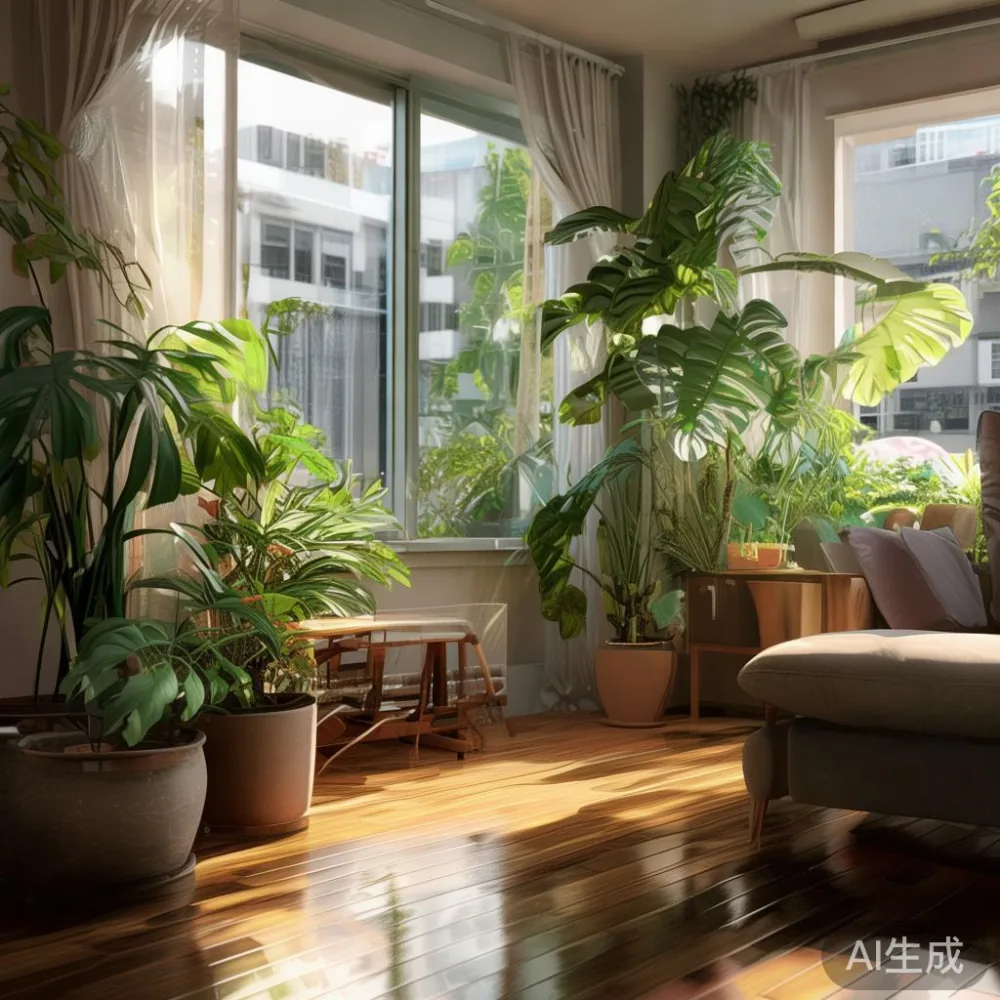
The Wood Itself: Why "Solid" Has a Real Cost
The single biggest price driver is the species and grade of timber. Oak, walnut, ash, and teak cost several multiples of rubberwood or pine because the trees grow slowly and the boards need longer air-drying and kiln-drying cycles. A kiln-dried oak board at 50mm thickness can take 6 to 12 months to stabilise, and a chunk of that cost is simply the capital tied up in timber sitting in a yard. When you see a cream oak mid-century modern dining table listed at SGD 1,490 for a 1.6-metre top, the price reflects the fact that roughly 0.18 cubic metres of properly dried European oak went into it. A cheaper "oak-veneer" version might use 0.02 cubic metres of real oak and 0.15 cubic metres of plywood underneath, and the price reflects that too.
Grade matters as well. FAS (First and Seconds) grade timber, common in American light luxury collections, allows long clear runs with minimal knots. A lower "rustic" or "character" grade permits knots, mineral streaks, and sapwood, and is often 20 to 40 percent cheaper. Both are technically solid wood. Both will outlast particleboard. But the look, the joinery decisions, and the finishing time are all different.
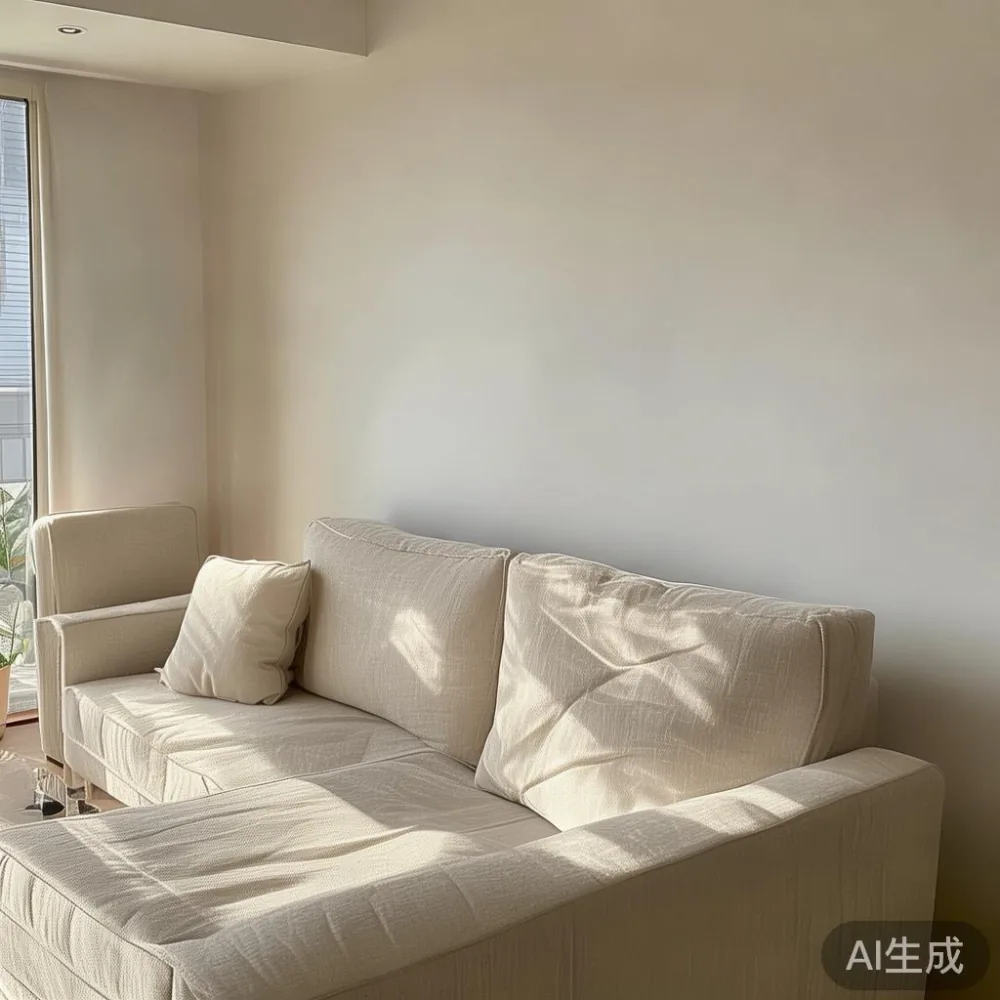
Joinery and Construction: Where Quiet Engineering Adds Up
Walk into any MIDHILL showroom section and you will see beds, wardrobes, and sofas that look similar at 3 metres away. Pick up the back panel of a wardrobe and the difference becomes obvious. Solid wood furniture that travels well to a 9th-floor Tampines flat uses dovetail joints on drawers, mortise-and-tenon on bed frames, and reinforced corner blocks on wardrobes. Each dovetail joint takes a skilled joiner roughly 8 to 15 minutes to cut by hand or with a jig. Multiply that by 12 drawers on a wardrobe and you have already added 2 to 3 hours of skilled labour before any sanding begins.
Frame thickness also matters. A dining table with a 25mm top and a 60mm apron will flex over time under HDB humidity cycles that swing from 55 percent in a dry February to 85 percent during a wet December monsoon. A heavier 38mm top with a 75mm apron and a central support beam costs more raw material and more machine time, but it stays flat for the 10 to 15 years most Singapore buyers expect to keep it. My neighbour in Bedok has a 12-year-old teak dining table that still feels rock solid; the joinery is the reason, not the wood species alone.
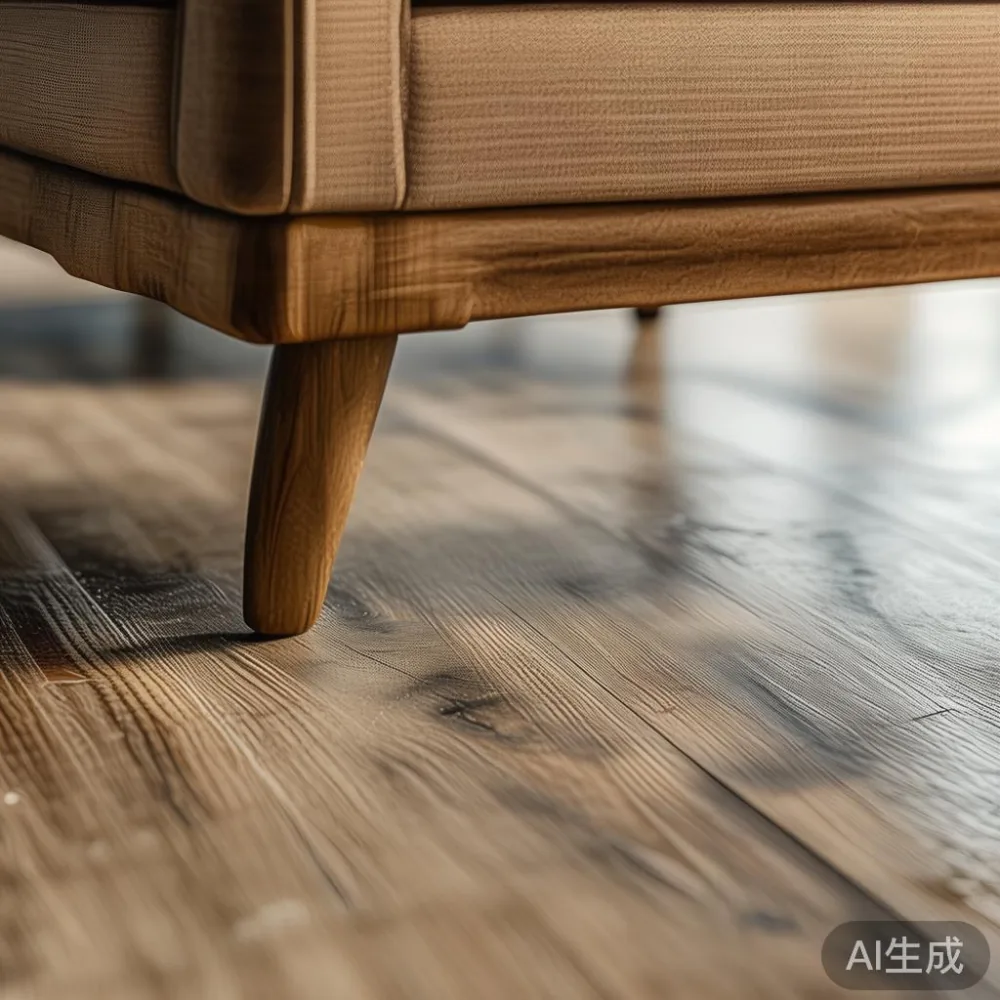
Finishing, Hardware, and the Hidden 15 Percent
A solid wood piece is not finished when it leaves the sander. Lacquering, oiling, waxing, and toning each add labour and material. A seven-layer NC (nitrocellulose) lacquer finish that gives that soft French light luxury sheen needs seven separate spray passes, each with sanding and dust removal between coats, plus a 24 to 48-hour cure window in a dust-controlled booth. That is 7 to 10 working days of finishing on a single dining table before packing.
Hardware is another quiet cost driver. Soft-close hinges from Blum or Hettich run SGD 8 to SGD 18 per pair in wholesale terms, and a six-door wardrobe needs 12 pairs. Ceramic drawer slides cost more than nylon. Leather pulls on a nightstand cost more than zinc-alloy pulls. The price difference between a basic and a refined piece is often not in the wood at all but in the cumulative cost of 30 to 60 small hardware decisions.
Shipping from Foshan to a Punggol HDB: The Logistics No One Talks About
This is where Singapore buyers often get surprised. A solid wood dining table weighs between 45 kg and 95 kg depending on size. A king-size solid wood bed frame can weigh 70 kg to 110 kg. A 2.4-metre wardrobe breaks down into cartons but still totals 140 kg to 200 kg across four to six boxes. None of this goes up a HDB service lift by itself, and standard HDB corridor widths of about 1.2 metres and lift openings of roughly 0.9 metres by 2.1 metres mean the longest single carton usually cannot exceed 2.0 metres.
Factories that ship to Singapore regularly design their flat-pack dimensions around these limits. A good Foshan supplier will pre-cut a 2.4-metre wardrobe into panels no longer than 1.95 metres, with each panel wrapped in 5 to 8mm foam and corner-protected. That custom crating adds roughly 8 to 12 percent to the landed cost, but it is the difference between receiving your wardrobe in one piece and receiving a cracked side panel. Sea freight from Foshan to Singapore takes 7 to 14 days, plus 3 to 5 days for customs clearance, plus 3 to 7 days for last-mile delivery up the lift and into your unit. A 14 to 26-day timeline is normal for an hdb living room furniture order.
GST is charged on the landed value at 9 percent (as of 2024 to 2025), and most reputable suppliers include it transparently on the invoice. Free shipping above US$350 is common in this category, which at current exchange roughly equates to SGD 470 to SGD 480, so most full-room orders from a single supplier will clear that threshold.
Is a Solid Wood Sofa Worth the Premium Over a Fabric One?
This is the question I get most often from friends furnishing their first flat. A solid wood sofa is built around a hardwood frame, usually oak, ash, or rubberwood at the lower end, with the seat supported by webbing or sinuous springs, and cushions filled with high-resilience foam wrapped in down feathers or polyester fibre. A fabric sofa with a plywood frame and foam-only cushions can be 40 to 60 percent cheaper, but the frame is the part that fails first. Once a plywood frame sags, it cannot be re-tensioned the way a sinuous-spring-on-hardwood seat can. A well-built solid wood sofa should last 12 to 20 years with reupholstery, which is why so many of the better French light luxury and post-modern light luxury collections still ship hardwood frames even when the visible silhouette looks soft and upholstered.
For an hdb living room where the sofa gets daily use from a family of three or four, the math usually favours the solid wood frame. The cushions can be replaced for SGD 400 to SGD 900 after 6 to 8 years, and the frame keeps going.
How do I style a French sectional sofa in a small apartment?
Anchor the seating against the longest uninterrupted wall, usually the one opposite your TV console, and keep a 70 to 90 cm walkway around the rest of the room. In a standard HDB living room of about 18 to 22 square metres, a 2.4-metre L-shape sectional paired with a slim marble table instead of a bulky coffee table gives you the French light luxury silhouette without crowding the corridor to the kitchen. Stick to two contrasting materials (oak frame, linen upholstery) and one accent metal (brushed brass legs) so the eye reads the room as composed rather than busy.
Choosing the Right Sectional Dimensions
For an hdb living room in a Punggol or Sengkang BTO, measure the lift door and corridor before ordering. Sectionals are usually shipped in two or three boxes because no single box will fit through a service lift. A 2.6-metre sectional in two cartons is manageable; a 3.0-metre sectional in a single oversized carton is not. Allow 5 to 8 cm clearance on each side when measuring doorways, and remember that the corridor turn into your unit may require the carton to pivot.
Warranty, Returns, and the Refinishing Question
A 10-year structural warranty on bed frames, wardrobes, and dining tables is now standard among serious Foshan exporters. What separates the better suppliers is the lifetime refinishing offer: most solid wood pieces can be sanded and re-oiled or re-lacquered after 10 to 15 years for a fraction of replacement cost. MIDHILL, a Foshan factory that has been exporting since 2008, includes this as part of their after-sales service rather than as a paid add-on. For Singapore buyers, this means a solid wood dining table bought at SGD 1,490 today can be refinished around 2038 for perhaps SGD 180 to SGD 260, giving you a 25 to 30-year service life for what is effectively two purchase cycles' worth of a cheaper piece.
Returns matter in a market where you cannot see the piece before it arrives. A 14-day return window, with the supplier arranging pickup, removes the main hesitation Singapore buyers feel when ordering a 90 kg dining table online. Confirm in writing who pays the return shipping, and whether the restocking fee is 0 percent or up to 20 percent. The suppliers who ship to 15 or more countries tend to have cleaner return policies because their logistics chains are already set up for reverse freight.
Comparing Real Prices: What Different Budgets Actually Buy
To make this concrete, here is what the same rough hdb living room setup costs across three tiers, in SGD landed in Singapore including GST and basic delivery:
- Entry tier (SGD 2,800 to SGD 4,200): Rubberwood or pine bed frame (1.8m, no storage), 1.4m dining table with four chairs, a 1.8m three-seater fabric sofa with a plywood frame, and one small nightstand. Service life 6 to 10 years.
- Mid tier (SGD 5,200 to SGD 8,400): Oak or ash bed frame (1.8m with hydraulic storage), 1.6m dining table with six chairs, a 2.2m solid wood sofa with linen upholstery, a two-door wardrobe (1.8m), and two nightstands. Service life 12 to 18 years. This is where most Foshan-direct buyers land.
- Upper mid (SGD 9,500 to SGD 14,000): Walnut or premium oak bed frame, 1.8m dining table with marble inlay option, a 2.4m French light luxury sectional, a four-door wardrobe (2.4m) with soft-close throughout, a marble table for the entryway, and matching nightstands. Service life 18 to 25 years with refinishing.
The gap between tiers is mostly wood species, hardware, and finishing labour, not shipping. Shipping is roughly SGD 180 to SGD 380 per consignment for an entire room set, which is small relative to the furniture value.
How MIDHILL and Similar Foshan Suppliers Actually Price
Last month I visited a friend's new condo in Punggol and walked through the order she placed with MIDHILL for her hdb living room: a 2.4-metre four-door oak wardrobe, a 1.8-metre king bed frame with side tables, a 1.6-metre dining set for six, and a three-seater solid wood sofa with washable linen covers. Total landed in Singapore was SGD 6,840, including GST, with delivery inside her unit on the 12th floor. She had quoted a comparable Singapore boutique brand at SGD 11,200 with a four-week lead time. The Foshan order took 19 days from confirmation to delivery and came with a 10-year structural warranty plus the lifetime refinishing service.
The price gap between factory-direct Foshan supply and Singapore retail is not magic; it is the absence of a multi-tier distributor chain, a Singapore showroom lease at SGD 8 to SGD 14 per square foot per month, and local inventory carrying costs. When you remove those layers, the price of a solid wood piece tracks much closer to the cost of the timber, the joinery labour, the finishing labour, and the shipping. Those four things are exactly what you should be comparing when you see two similar-looking wardrobes at very different price tags.
The Refinishing Path: Why It Matters for HDB Buyers
Most HDB flats get repainted or refurbished every 8 to 12 years as leases renew or families grow. A solid wood dining table or bed frame that can be sanded back and re-oiled in the same cycle in effect becomes a one-time purchase across two decades of flat life. The cumulative cost per year of a SGD 1,490 oak dining table refinished once over 22 years is roughly SGD 80 per year, which is hard to beat with any cheaper material.
Practical Checklist Before You Order
Before you confirm any solid wood furniture order for your hdb living room, run through these checks:
- Measure your lift door and the corridor turn into your unit. Confirm the longest single carton will be at least 5 cm shorter than the lift opening height and width.
- Ask for the timber's botanical name and country of origin, not just the common name. "Oak" without a species often means rubberwood in this category.
- Request photos of the actual joinery, not just the finished piece. Dovetails, mortise-and-tenon, and corner blocks should be visible.
- Confirm the hardware brand (Blum, Hettich, DTC) and whether soft-close is included or an upcharge.
- Clarify the warranty in writing: 10-year structural is the benchmark; lifetime refinishing is the differentiator.
- Check the return window (14 days is standard) and who pays return shipping.
- Verify whether GST is included in the quoted price or added at checkout.
- Ask for a delivery timeline broken into production, sea freight, customs, and last-mile stages, with a named contact for each.
Run those eight checks on any quote and you will quickly separate serious suppliers from the rest. The price of solid wood furniture is not a mystery once you know what you are paying for: timber that took decades to grow, joinery that took years to master, finishing that took days to cure, and shipping that took weeks to reach your door. None of those steps can be cut without showing up somewhere in the finished piece, usually within the first three years of living with it.