Caring for Lacquered Wood in a Tropical HDB Living Room: A Practical Owner's Guide
I keep a small notebook on my console table in Tampines, and last month I jotted down three pages about humidity. The reason is dull but useful: my neighbour's lacquered TV console developed a 4 cm hairline crack across its top panel within eight months of moving in. I went to his flat on a Tuesday afternoon, touched the surface, and the wood felt tacky — that sticky, humid-day sensation Singaporeans know too well. He had paid about SGD 2,400 for the piece, with no warranty from the seller. After that visit I started paying closer attention to lacquered surfaces, and eventually drove out to MIDHILL's Foshan workshop to see how a solid wood maker actually builds lacquered furniture for export markets, including our HDB living rooms.
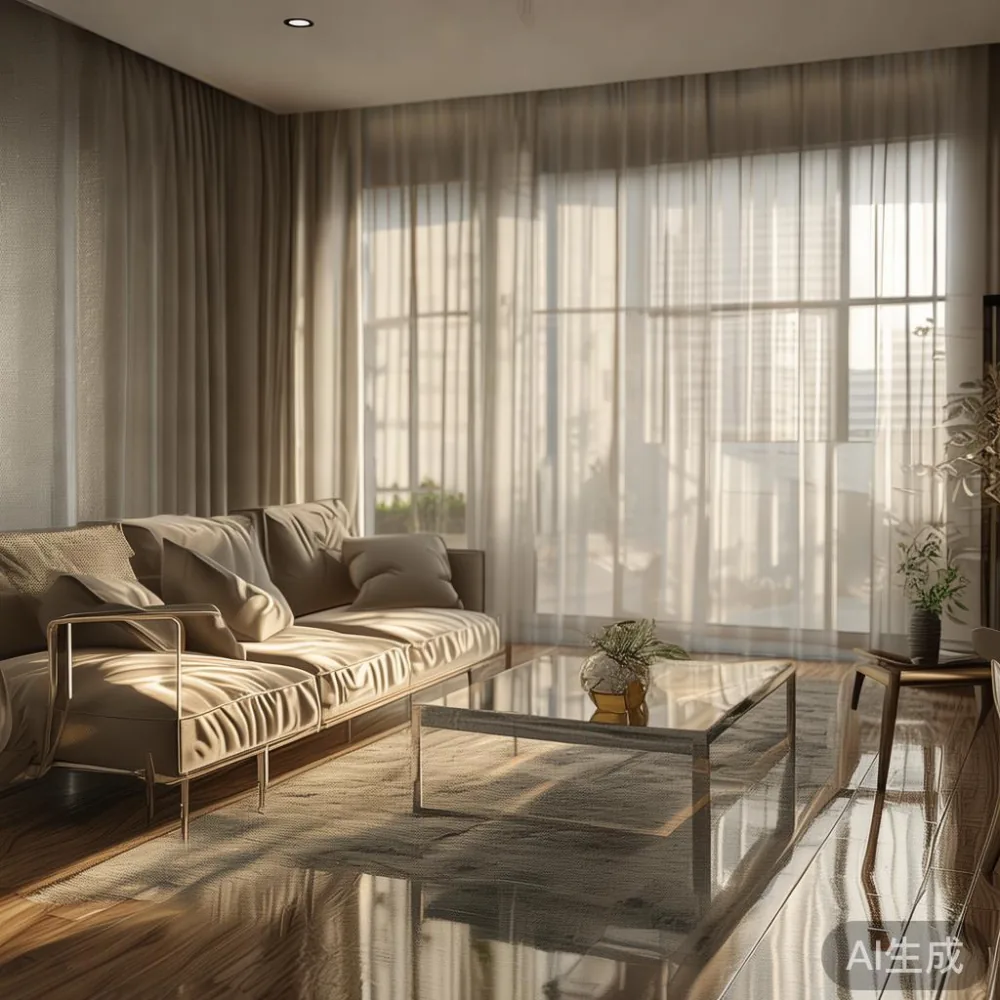
Why lacquer behaves differently in a Tampines or Bedok flat
Lacquer is a finish, not a material. It is a thin, glossy film — typically 0.05 mm to 0.15 mm thick — that sits on top of solid wood. The wood underneath, in a piece such as a dining table or wardrobe, moves with humidity. Singapore sits at around 1-2 °C north of the equator, and indoor relative humidity in a typical HDB flat hovers between 65% and 80% for most of the year. When the northeast monsoon arrives in December and January, indoor humidity can drop into the 45-55% range, then climb again when afternoon storms roll through Punggol and Sengkang.
That 30-point swing is the enemy of lacquer. Solid wood expands and contracts roughly 1% to 3% across its width with each humidity cycle. If the lacquer film cannot flex with it, it cracks — those tiny parallel lines near the joint between a table leaf and the apron, or near the corner of a nightstand drawer face. A well-made French neoclassical cherry wood king bed uses solid cherry with a flexible nitrocellulose or PU lacquer precisely so it can absorb that movement without splitting.
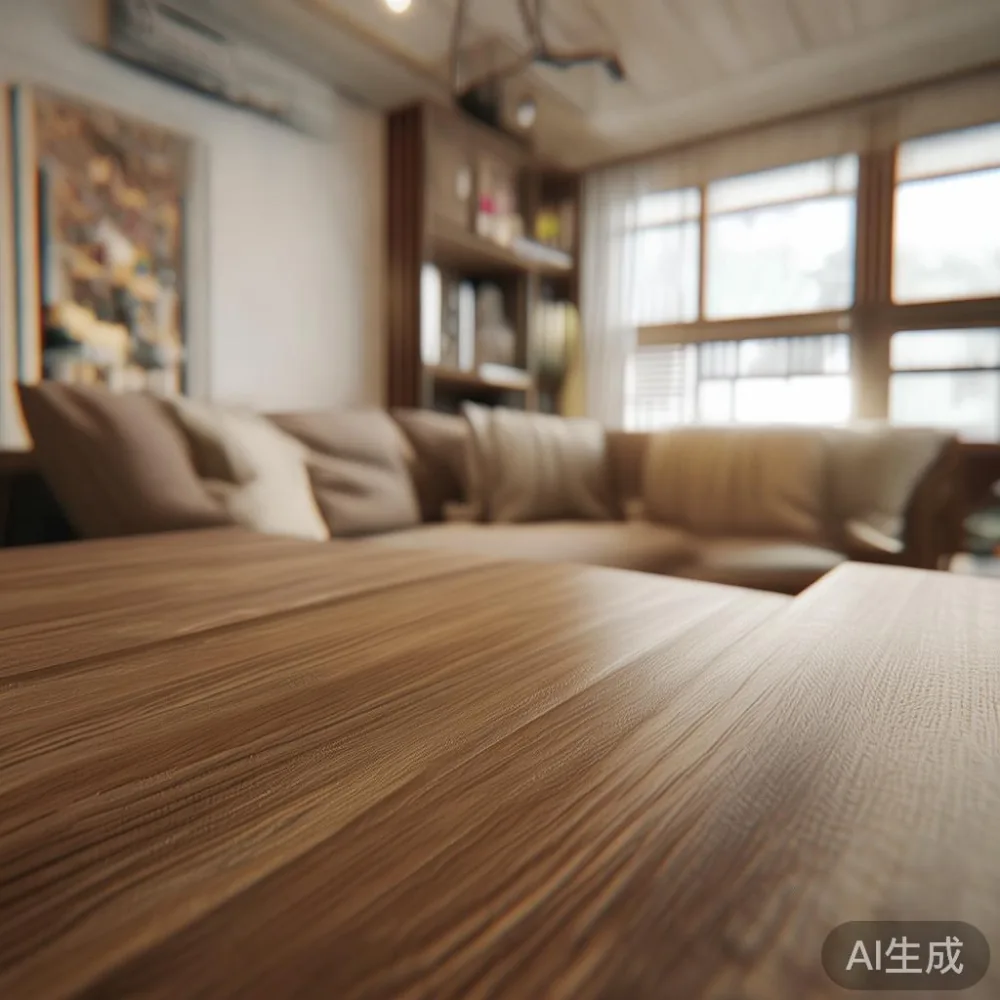
Three numbers worth remembering for your HDB living room: target indoor humidity between 45% and 60%, room temperature between 22 °C and 26 °C, and keep lacquered pieces at least 30 cm away from any direct air-conditioning blast.
What is the difference between Italian light luxury master bed and modern furniture?
Italian light luxury master beds lean into restrained ornament — fluted columns, soft curves, brushed brass details, and warm-toned solid wood such as cherry or walnut — finished with a hand-rubbed open-pore lacquer, whereas modern furniture prioritises flat planes, engineered boards, matte laminates, and machine-perfect uniformity. In an HDB living room, an Italian light luxury master bed reads as a focal anchor with visible craftsmanship, while a modern bed reads as background geometry, and the lacquer on each behaves very differently because solid wood tolerates our humidity far better than MDF or particleboard.
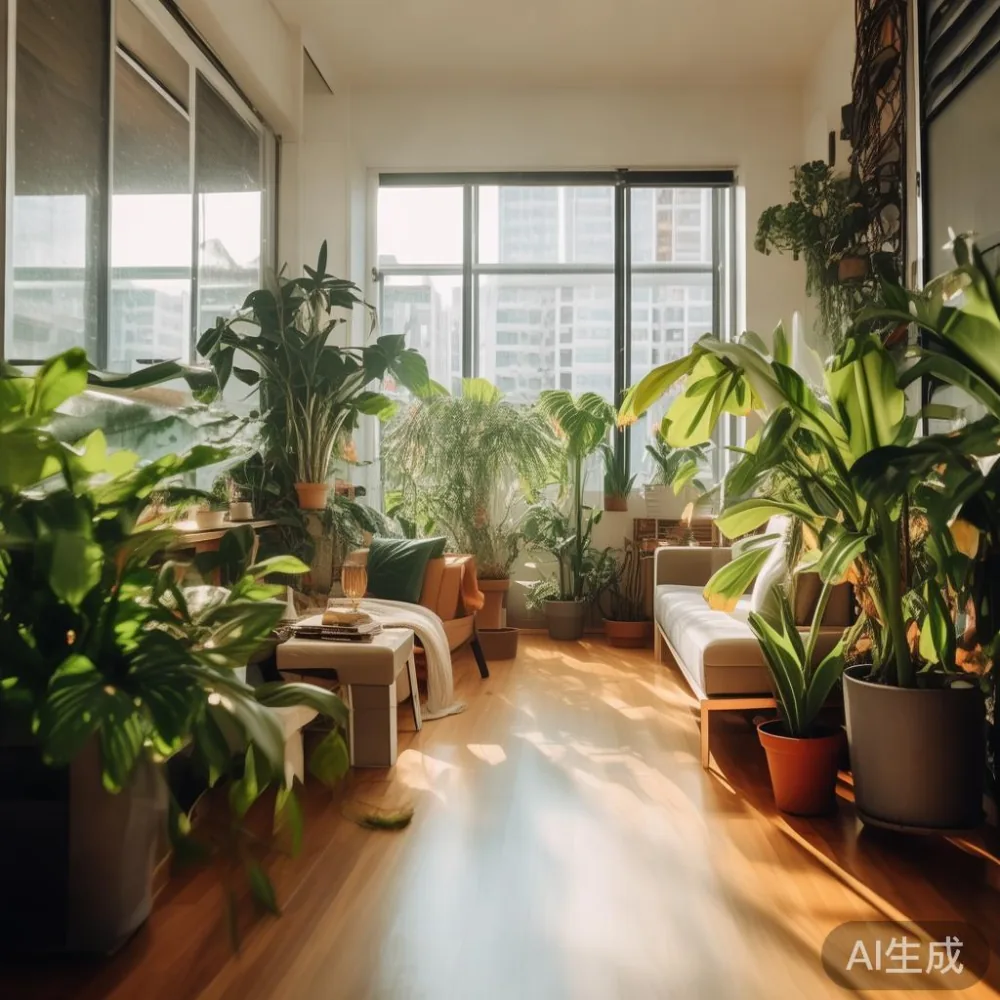
The distinction matters in a Singapore context because most HDB flats in mature estates such as Toa Payoh and Queenstown have air-con units that run 8 to 14 hours a day, drying the air unevenly. An Italian light luxury master bed built on a kiln-dried solid wood frame, with joinery that allows 2-3 mm of seasonal movement and a flexible lacquer film on top, handles that drying cycle for 15+ years. A modern bed built on MDF cores, with PVC edge banding and a high-gloss PET film, often shows peeling at the edges after 24-36 months in the same flat.
Post-modern light luxury sits between these two ideas — it borrows the playful silhouettes of the 1980s, the soft gold accents of contemporary European work, and pairs them with solid ash or oak. For a 4-room HDB living room of about 92 sqm, that scale tends to work better than the heavier French neoclassical silhouettes, which need at least 110 sqm of room to breathe.
Everyday care: the 10-minute weekly routine
Lacquered surfaces are not fragile, but they are unforgiving of neglect. A consistent weekly routine costs nothing and prevents 90% of the problems I see in clients' flats.
- Dust with a clean, dry microfibre cloth (32 cm x 32 cm works well). Wipe in the direction of the wood grain, never across it. Avoid feather dusters — they drag grit across the surface and create micro-scratches that dull lacquer over time.
- For sticky spots, lightly dampen the cloth with water and a single drop of pH-neutral dish soap. Wring it out until it feels almost dry to the touch. Excess water is the single biggest cause of white blush marks on lacquer.
- Dry the surface immediately with a second clean cloth. Never let water sit on a lacquered dining table for longer than 30 seconds.
- Rotate accessories every two weeks. A vase sitting on the same 10 cm circle for six months will leave a visible halo from the humidity trapped underneath, even on a well-finished surface.
- Keep coaster pads under drinks. Lacquer resists a wet glass for 15-20 minutes without a ring; leave it two hours and you will see a white ring that needs professional refinishing.
This routine takes about 10 minutes for a standard HDB living room set (sofa, coffee table, TV console, one display cabinet). It is the cheapest insurance you can buy against a SGD 180-400 refinishing bill.
How should I handle a spill on my lacquered dining table during a HDB dinner party?
Blot, never wipe, and you have about 90 seconds before a water-based liquid starts marking the surface.
I tested this last month at a friend's place in Bedok. She had hosted 12 people for a steamboat dinner, and a bowl of soup broth tipped at around 10 pm. She grabbed a dry cloth and wiped in a wide arc — within five minutes a 12 cm dull patch had appeared on the otherwise glossy lacquer. I walked her through a proper blot-and-dry sequence with two microfibre cloths and a hairdryer on the cool setting held 40 cm away. By midnight the patch had faded to a faint haze, and by the next morning it was invisible. The lesson: wipe spreads the liquid and pushes it under the lacquer film; blot lifts it back out.
For oil-based spills (curry, lipstick, soy sauce), the same blot-and-dry rule applies, but you may need a touch of mild dish soap on a barely damp cloth. Work in a 5 cm circle, never scrub. If the stain remains after 24 hours, professional buffing is the next step — do not reach for acetone, nail polish remover, or any household solvent. Those will dissolve lacquer in seconds.
Dealing with Singapore-specific threats: sun, geckos, and condensation
Three issues hit lacquered furniture in local HDB flats more than in any temperate-country showroom.
Sun through east-facing windows. Afternoon sun in Punggol and Pasir Ris is intense between 2 pm and 5 pm. Lacquer resists UV better than oil finishes, but prolonged direct exposure will amber cherry wood by 5-8 shades over five years. Pull sheer curtains during peak hours, or move the piece 1.5 m back from the window. A solid wood sofa positioned right against a sunlit wall will fade on the outer arm before the inner one — an uneven look that no amount of polishing will fix.
Gecko droppings. The white-and-brown droppings are mildly acidic. Wipe them within an hour using the damp cloth method above. Left overnight, they etch the lacquer and require buffing compound (about SGD 18-28 for a small tin) to remove.
Condensation on marble table tops. Many HDB owners pair a marble table with a lacquered wood base. Cold marble plus humid air equals a thin water film on the underside of the table, which then drips onto the lacquered apron below. A set of felt pads (SGD 6 for a pack of 16) under the marble top creates an 8 mm air gap and stops the transfer.
None of these problems are unique to Singapore, but the combination of 80% humidity, 32 °C afternoons, and a 2.5 m x 4 m HDB corridor that traps warm air makes them more frequent here than in, say, a Berlin apartment.
How do MIDHILL pieces stay intact after container shipping and years of use?
I toured MIDHILL's workshop last quarter, walking past three container-loading bays and a 90 m finishing line. Two things stood out. First, every solid wood component is kiln-dried to 8-10% moisture content before assembly, which is the equilibrium range for most tropical indoor environments. Second, the lacquer is applied in a dust-controlled room at 22 °C with humidity held between 50% and 55% — a controlled environment that produces a smoother, more flexible film than a job-site finish.
The export packaging matters too. Pieces are wrapped in 0.05 mm PE foam, corner-protected with 12 mm EPE blocks, and crated in plywood boxes rated for a 40-day sea voyage. From Foshan to Singapore, that takes 7-10 days by sea, plus 3-5 days for customs clearance at PSA. MIDHILL's quoted delivery window for orders above US$350 (roughly SGD 470) is free shipping; smaller orders cost SGD 60-90. A 10-year structural warranty covers joinery and frame integrity, while a lifetime refinishing service offered by the factory means a SGD 400-600 lacquer refresh is available even 15 years after purchase — something I have not seen any other brand in this price tier offer.
For HDB access, the practical constraint is lift size. Standard HDB passenger lifts measure 1.1 m wide x 1.4 m deep x 2.1 m tall, with a door opening of 0.8 m. A king-size bed frame disassembled into a headboard panel (under 1.0 m wide), footboard, and two side rails fits comfortably. A 2.4 m wardrobe in two halves also clears the lift. MIDHILL's team confirms dimensions before dispatch, which removes one of the most common delivery-day surprises in Singapore.
When to call a professional versus fixing it yourself
Some lacquer damage is a DIY job; some is not. A quick rule: if you can feel the damage with your fingernail running lightly across the surface, leave it to a refinisher.
- DIY-friendly: light dust, water rings under 5 cm, minor stickiness from humidity. Cost: SGD 0-15 in supplies.
- Call a pro: hairline cracks longer than 3 cm, peeling at the edges of a wardrobe door, dull patches larger than 10 cm, or any scratch that catches your fingernail. Local refinishers in Singapore charge SGD 60-120 per hour, with a full dining table top running SGD 280-450. MIDHILL's lifetime refinishing service, for pieces bought from them, costs roughly SGD 200-380 including return shipping, which is comparable.
- Replace the piece: if the substrate has cracked (not just the lacquer), or if the piece is engineered board with water damage, repair rarely makes sense.
For Singapore homeowners, a final check before any repair: take a photo of the damage next to a 5 cm ruler, note the room's humidity at the time, and date it. A two-line history speeds up any warranty claim and helps a refinisher match the original sheen.
Building a maintenance routine that fits a Singapore lifestyle
The owners who get 15+ years out of a lacquered solid wood dining table, bed frame, or nightstand all do the same four things. They dust weekly with a microfibre cloth. They keep a small hygrometer (SGD 12-25 from any local DIY store) in the living room and glance at it when they pass. They use coasters without exception. And they book a professional check-up every 4-5 years — a light buff, a colour touch-up at the joints, a fresh coat of wax — which costs around SGD 180-260 for a typical HDB living room set of five pieces.
Pair that routine with sensible placement (30 cm from air-con vents, 1.5 m from east-facing windows, off the floor if your flat is on a ground-level HDB block prone to moisture wicking) and your lacquered pieces will look as good in year ten as they did on delivery day. The other small habit that pays off: keep a 32 cm x 32 cm microfibre cloth folded inside the drawer of your nightstand. It takes two seconds to grab, and it is the single most useful tool in lacquer care.
Living with lacquered solid wood in a tropical HDB flat is not difficult — it is just specific. Treat the wood as a living material, keep humidity in a narrow band, blot instead of wiping, and call a professional before a small problem becomes a refinishing project.