Factors Behind Solid Wood Furniture Pricing
I spent the second half of last month on a small project that turned out to be surprisingly educational. A friend in Punggol had just collected the keys to a 4-room HDB flat and asked me to help her furnish the hdb living room without falling into the usual traps: MDF pretending to be oak, veneers peeling at the seams, and pricing that jumps 40% the moment you add the word "imported." We visited three showrooms in a single Saturday — one in Tai Seng, one along Macpherson, and one near Tampines — and I left with a notebook full of numbers, a few opinions, and one solid rule of thumb I want to share. This is the article I wish I'd had before that trip.
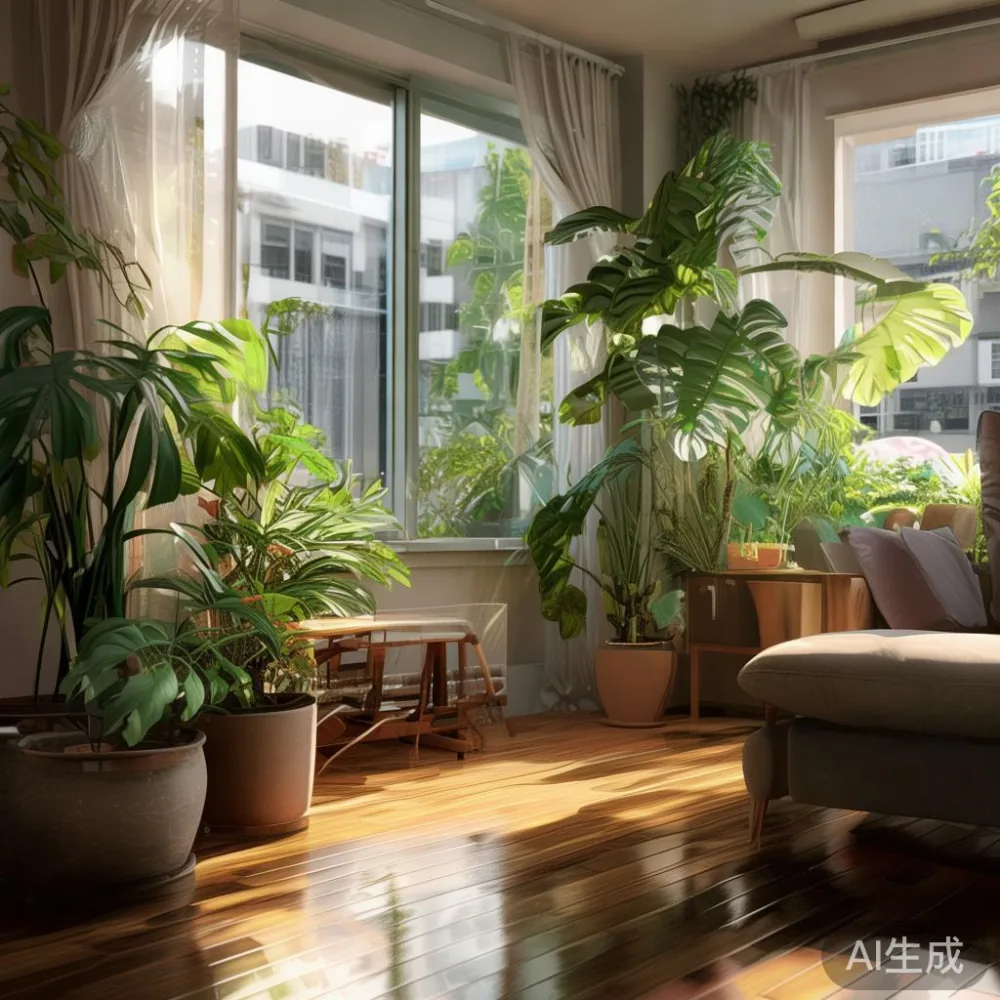
Why does solid wood cost more than "wood-style" furniture in Singapore?
Short answer: because the material is in the board, not printed on top of it. A 180cm x 90cm dining table made of solid ash, with a 4cm thick top, weighs somewhere between 38 and 46 kg. The MDF-and-veneer version that sits next to it in the catalogue typically weighs 22 to 28 kg. That difference — about 18 kg of actual wood fibre — is the first clue. You are paying for cubic volume of timber, kiln-dried to a moisture content of around 8 to 10%, not for a photograph of oak laminated onto particleboard.
For an HDB living room in a resale flat in Bedok or Tampines, that weight is also a practical concern. A 2.4m solid wood wardrobe in white oak will run 120 to 160 kg fully assembled. Your lift door in a typical HDB block is about 90cm wide and 210cm tall, and the cabin itself runs roughly 1.1m by 1.4m. The wardrobe will fit, but only if the courier tilts it and protects the corners — and that is a service, not a freebie. Always ask whether the quoted price includes carrying up to the unit, and whether a second man is included for items above 60 kg. Most reputable Foshan factories I spoke to — including the team at MIDHILL, who have been exporting since 2008 — quote that explicitly, with free shipping over a USD threshold (roughly SGD 475 at today's rate) and lifetime refinishing on the structural frame.
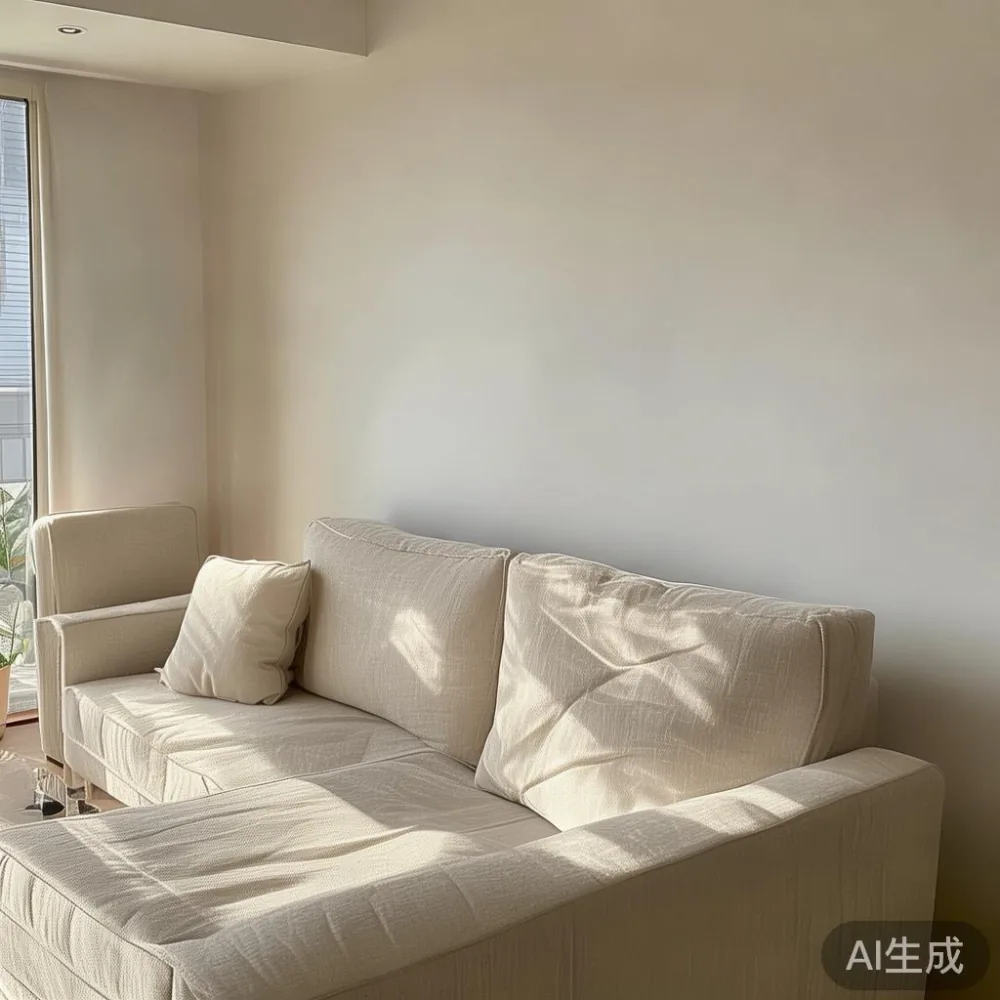
Which wood species actually matter for an HDB living room?
Singapore's humidity sits between 70% and 90% for most of the year, with afternoon temperatures around 31°C and air-conditioner-driven room humidity around 55%. Your furniture lives in a sauna nine months a year and a dry box for the other three. That rules out woods that move too much. I learned this the hard way when a colleague's beech dining table cracked across a 6cm knot within fourteen months of delivery — the kiln-dry had been skipped at the factory.
Three species behave well in our conditions: rubberwood (Hevea brasiliensis), which is dense, stable, and the most affordable at roughly SGD 35 to 55 per board-foot in finished form; ash (Fraxinus), light in colour, very strong, the workhorse for post-modern light luxury silhouettes; and white oak (Quercus alba), the top of the range, around SGD 75 to 110 per board-foot finished. Walnut runs higher still and is usually reserved for accent items like an American dressing table furniture unit in the dressing corner. The point isn't which one is nicest. The point is matching species to room: ash and oak handle the humidity swings of a non-aircon corridor; rubberwood is fine inside an air-conditioned hdb living room; walnut and cherry belong in a stable bedroom environment where the aircon runs nightly.
What does "light luxury" actually mean when you read it on a price tag?
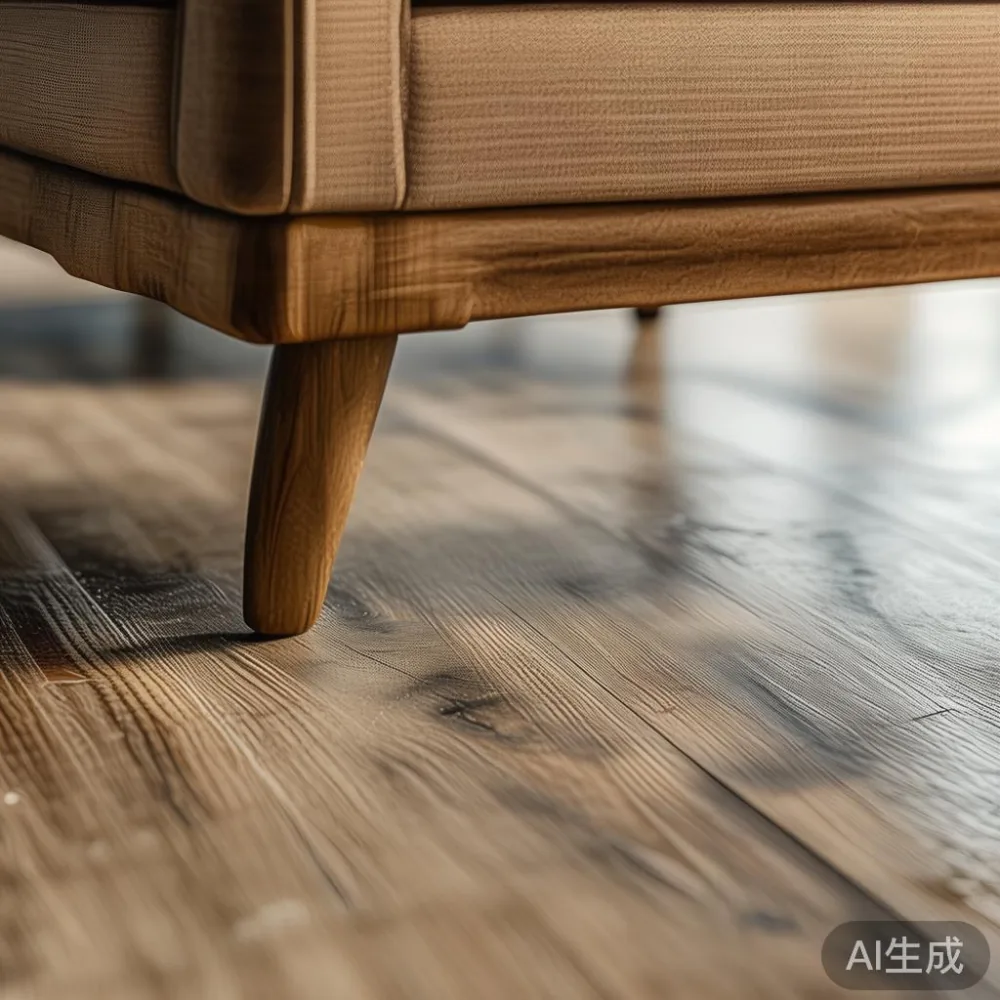
Light luxury is not a wood species and it is not a finishing technique. It is a visual language: thin profiles, long lines, low-slung silhouettes, and a calm palette of cream, taupe, pale ash, and matte black hardware. In a French light luxury scheme, you expect fluted marble table tops, cabriole legs in muted gold, and tapered sofa arms. In an American light luxury scheme, the proportions get bigger — 2.8m to 3.2m sofas, deeper seats around 105cm, and quarter-sawn white oak with a soft wire-brushed finish. Post-modern light luxury sits in between: a 2.2m solid wood sofa frame in ash with a 12cm thick seat cushion, marble-topped coffee table at 130cm x 65cm, and tapered solid wood legs.
Here is where pricing diverges in a way most Singapore buyers never see. A "light luxury" solid wood sofa frame in ash, made in Foshan and shipped by sea, lands in Singapore between SGD 1,800 and SGD 2,600 for a 3-seater, plus roughly SGD 280 to 420 for the fabric cushions. The same silhouette in MDF with an ash-look laminate retails around SGD 1,200 to 1,600. That SGD 600 to 1,000 gap is the cost of an extra 14 to 20 kg of solid ash in the frame, plus proper mortise-and-tenon joinery rather than dowels and glue. For a 1.8m bed frame in white oak with a 12cm thick headrest panel, the same arithmetic applies: SGD 1,400 to 2,200 for solid oak, SGD 700 to 1,000 for the veneer version. Across a full hdb living room set — a solid wood sofa, a 1.4m marble coffee table, a 200cm TV console, and a pair of nightstands — the all-solid difference is usually around SGD 2,800 to 4,200 over the veneered equivalent.
Is American dressing table furniture worth it?
Yes — if you actually use the dressing surface daily, and if the unit is built from kiln-dried solid wood rather than plywood wrapped in vinyl. A well-built American dressing table in ash or poplar, with a 4cm thick top, three soft-close drawers running on 35mm ball-bearing slides, and a bevelled mirror around 80cm x 60cm, retails in Singapore between SGD 950 and SGD 1,800, with shipping adding roughly SGD 120 to 220 if your order is under the USD 350 free-shipping line. Worth it means three things to me: the drawers still close evenly after two years (a function of solid side panels, not thin MDF), the top resists ring marks from perfume bottles (a function of an open-pore matte lacquer, not a thick plastic film), and the mirror does not warp in a non-aircon room (a function of a 5mm silvered back, not 3mm).
How do factory-direct pricing and warranty change the math?
This is the part most showroom staff will not volunteer. A Singapore retailer marking up 55% to 80% on a Foshan import is normal; a 100% to 140% markup is also normal. Going direct to a Foshan factory with an English-speaking export team collapses two layers of margin. For the same 1.8m white oak bed frame mentioned above, I was quoted SGD 1,150 ex-factory plus roughly SGD 280 for sea freight to Singapore, plus SGD 90 for lift-up delivery to a Punggol unit on the 14th floor. Total landed: SGD 1,520. The comparable piece in a Bedok showroom was SGD 2,650, which is a 74% retail markup. Warranty is the other piece. Look for a 10-year structural warranty on joinery (mortise-and-tenon, dowel, dovetail), a 1- to 3-year warranty on moving parts such as drawer slides and hinges, and lifetime refinishing on the wooden frame — sanding, re-staining, and re-lacquering after five to seven years of use, usually for a small service fee covering transport. MIDHILL ships with exactly that structure, which is one of the reasons their pieces show up in so many BTO flats in Sengkang and Punggol: the warranty survives the move from one HDB to the next.
What hidden costs should a first-time HDB buyer budget for?
Five line items catch people out. First, GST at 9% on the landed value of imported furniture, payable on anything declared above the SGD 400 personal relief threshold. Second, lift access — older blocks in Bedok and Tampines have lifts around 1.0m deep, which means a 2.4m wardrobe cannot stand upright inside; confirm with the courier whether the assembly happens at the corridor (common) or inside the unit (rare and pricier). Third, a 14-day return window, which only covers unused pieces in original packaging; opened or assembled items typically attract a 15% to 25% restocking fee. Fourth, disposal of the old furniture, which in a resale flat runs SGD 80 to 250 depending on bulk and whether the building management requires a booking. Fifth, an extendable dining chair for kids room scenario, where a 1.4m extendable dining table that opens to 1.8m with two extra chairs runs SGD 950 to 1,600 in solid ash, versus SGD 480 to 750 for a veneer-and-metal version — a meaningful step up when a toddler is climbing on it every evening.
How long should good solid wood furniture actually last?
A well-made piece should outlast two HDB leases. That is the real benchmark, because most Singaporeans stay in a flat 5 to 9 years, then either sell or renovate. A solid ash dining table, refinished once around year 6, will go 15 to 20 years. A solid oak bed frame will go 25 to 30. A marble-top coffee table on a solid wood sub-frame is the outlier: the marble is in effect immortal (Travertine, Carrara, and Calacatta all age well), but the sub-frame should still be solid ash or oak so the two materials expand at compatible rates. The wardrobe is the test piece — if it is still square and silent after the second move, the factory did its job. If a door starts sagging within 18 months, the carcasses were probably 16mm MDF with a 0.6mm veneer rather than 18 to 25mm solid panels, and no amount of warranty paperwork will hide the wobble. Check the panel thickness in the spec sheet before you sign. Anything below 18mm on a side panel or back rail is a compromise, and the price you save will be spent twice within a decade.