Caring for Lacquered Surfaces in a Singapore HDB Living Room: A Practical Guide
I first realised how unforgiving Singapore's humidity can be to furniture finishes during a site visit to a 4-room flat in the East. The homeowner had placed a beautiful solid wood coffee table — finished in a high-gloss open-pore lacquer — directly under the window of her Tampines HDB living room. Within eight months, a faint milky haze had crept across the top, the visible region where afternoon sun lingered longest. The piece itself was sound. The finish had simply given up. That afternoon convinced me that caring for lacquered surfaces in a Singapore hdb livingroom requires a routine, not a reaction.
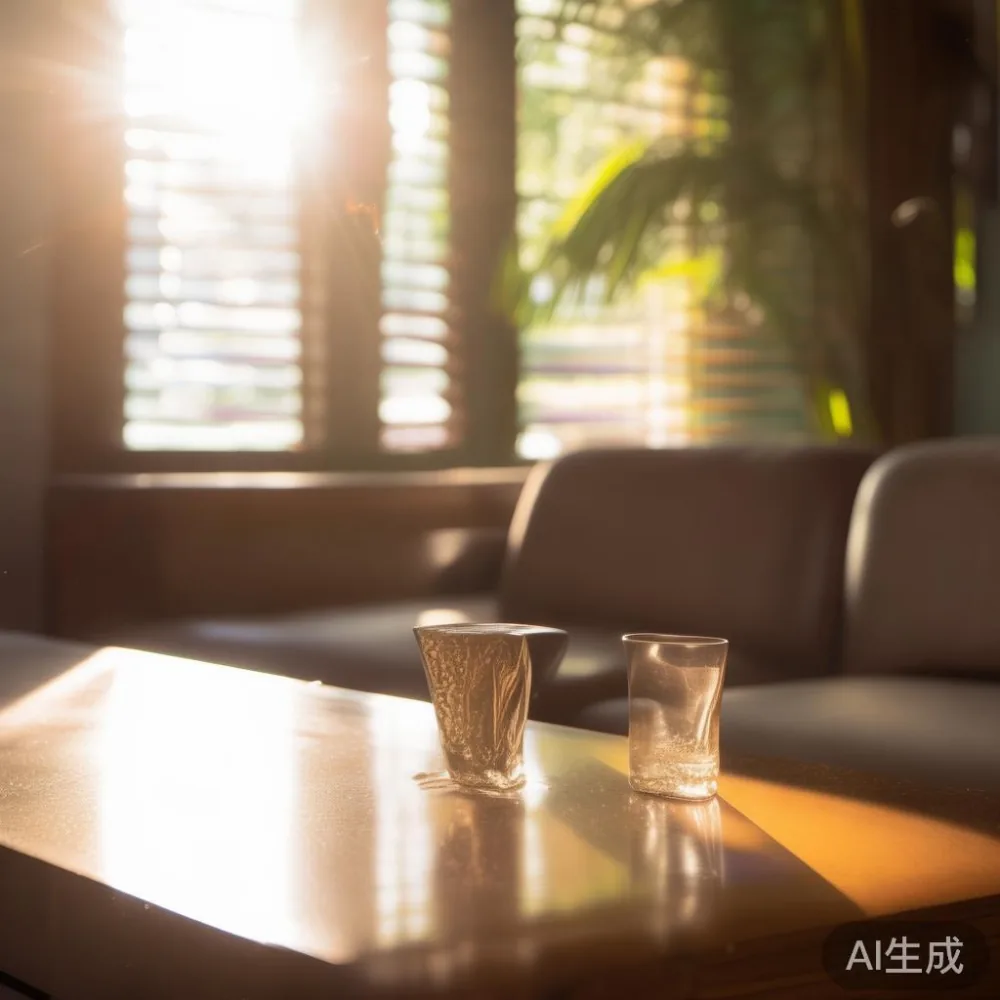
Lacquer, in the furniture world, refers to a clear or tinted film coating — typically nitrocellulose, acid-catalysed, or water-based polyurethane — applied over solid wood or veneer to seal and protect the surface. It is what gives a French provincial dining table its deep amber warmth, what makes a post-modern light luxury sideboard feel almost liquid under the hand. It is also one of the more demanding finishes to live with, particularly when the relative humidity in your flat hovers between 70% and 85% for most of the year, and the indoor temperature barely drops below 26°C even with the air-conditioner running.
Why Singapore's Climate Is Hard on Lacquer
Lacquer is hygroscopic. It absorbs and releases moisture with the wood beneath it, but at a slower rate than the substrate. When a four-season climate gives wood a slow, predictable swell-shrink cycle, lacquer keeps up. In a tropical hdb livingroom — Bedok, Punggol, or Toa Payoh, it makes little difference — the wood is constantly absorbing ambient moisture and just as constantly trying to release it. The lacquer film ends up doing what engineers call creep: it slowly deforms under sustained stress.
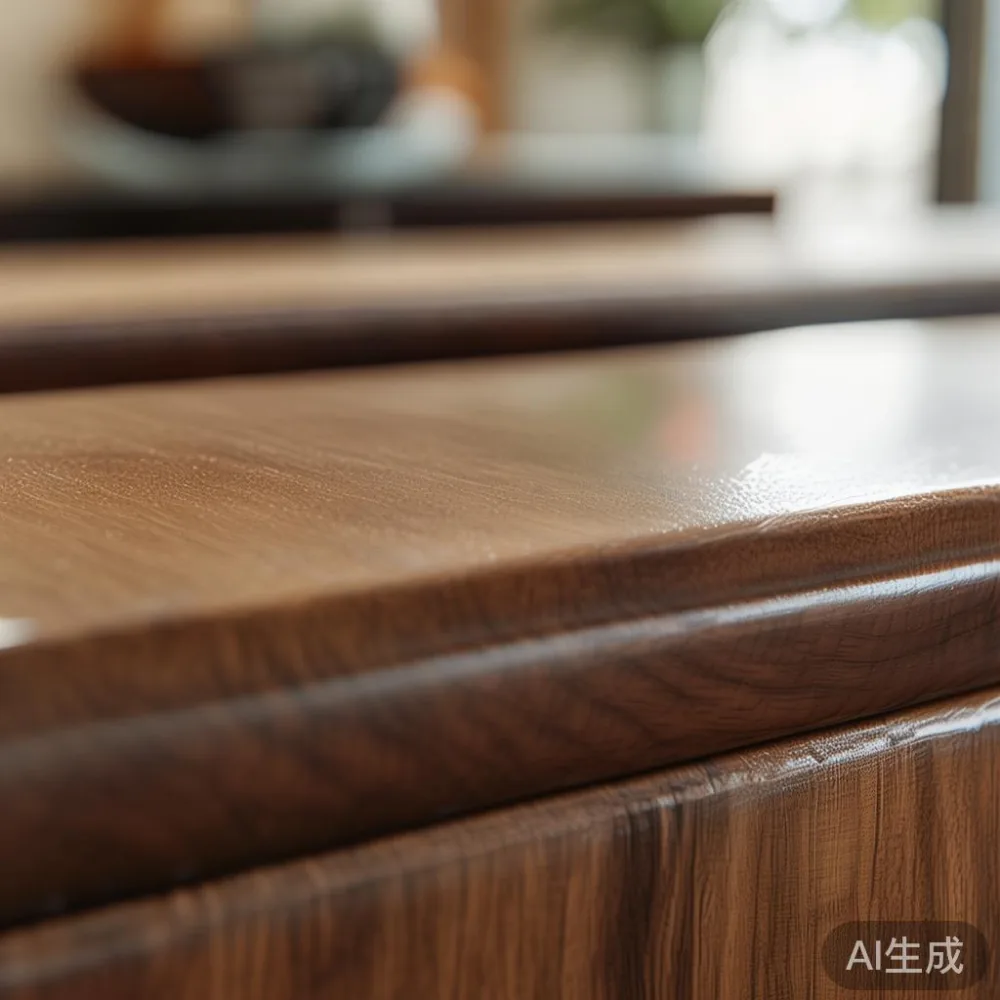
Three specific local conditions accelerate this:
1. Sustained relative humidity above 75%. The Building and Construction Authority of Singapore does not regulate indoor humidity in residential flats, which means many hdb livingrooms sit at 78–82% RH for months at a time. Lacquer softens slightly above 70% RH and becomes vulnerable to micro-scratches from dust, which is mostly fine silica carried in from open windows and corridor draughts.
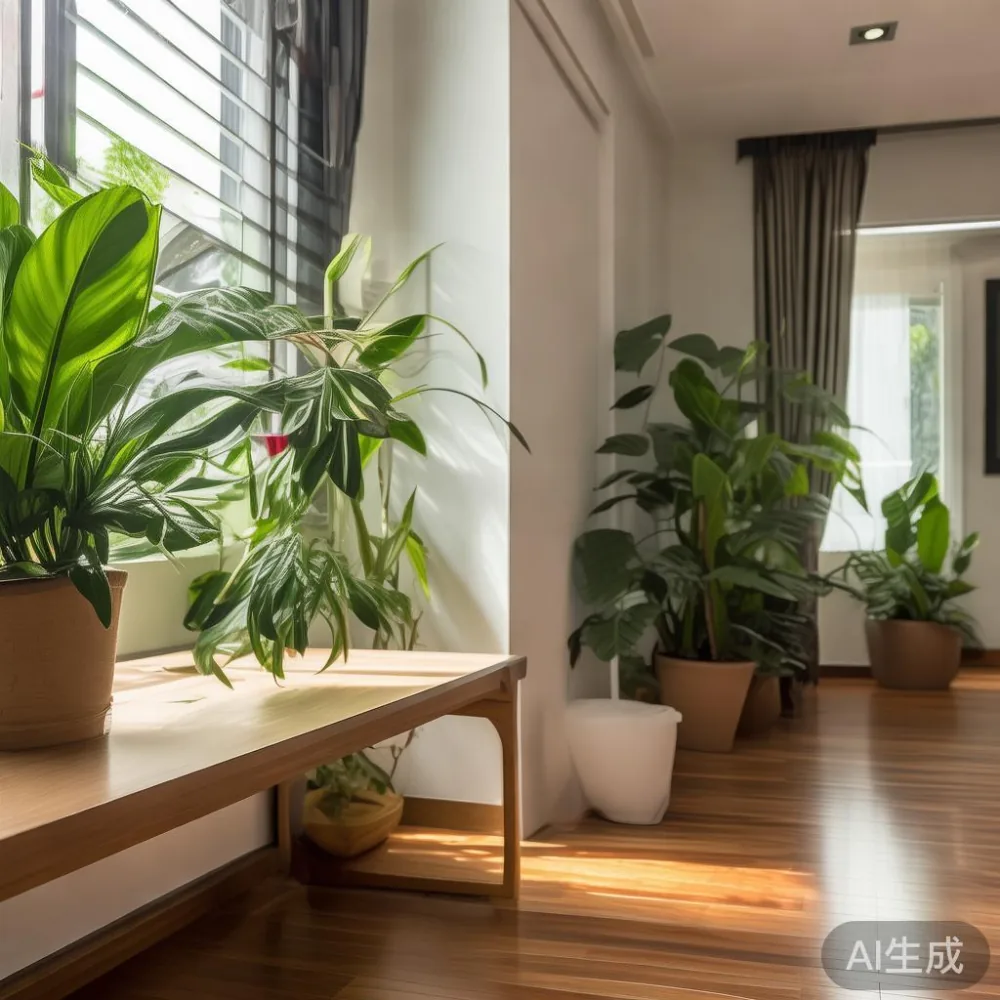
2. UV intensity through east- and west-facing windows. Singapore sits 1.3° north of the equator. A west-facing hdb livingroom in a Punggol Build-To-Order block receives direct afternoon sun that, measured at noon on a clear March day, can exceed 1,000 W/m² on the window glass. UV breaks the long polymer chains in nitrocellulose lacquer, causing the surface to chalk and yellow within 12–18 months if unprotected.
3. Thermal cycling from air-con. A typical 9,000 BTU split unit pulling a 25 m² hdb livingroom from 31°C to 24°C over 90 minutes produces a wood-surface temperature change of roughly 4–6°C. Repeated daily for a decade, this is enough to fatigue even a well-applied finish.
What Is the Move from Living Room to Bedroom with a Lacquered Piece?
This is a question I hear almost every week from buyers. The answer depends on the piece and on the room's ventilation. A wardrobe finished in closed-pore lacquer handles a non-air-conditioned bedroom far better than an open-pore dining table handles an air-conditioned hdb livingroom, simply because wardrobes are typically closed volumes (lower surface-area exposure) and the bedroom air is less disturbed. If you are considering a French provincial for bedroom — say, a tall narrow armoire in beech with a tinted topcoat — the corridor and lift dimensions of your block become the practical constraint, not the finish. A standard HDB passenger lift measures roughly 1.1 m wide × 1.4 m deep × 2.1 m tall internally, and a typical corridor turning radius is 1.2 m. Anything deeper than 580 mm or wider than 1,050 mm will not make the corner from lift lobby to bedroom door in most 1990s blocks. Measure twice before you order.
Daily and Weekly Care Routine for a HDB Living Room
A realistic routine for a lacquered surface in a hdb livingroom takes about six minutes per session, three times a week. I keep mine on the weekends because weekday evenings are too short.
Step 1 — Dust with a dry microfibre cloth (≈ 60 seconds). Use a 40 × 40 cm microfibre cloth with a GSM of at least 300. Wipe in straight lines following the grain. Avoid feather dusters: they redistribute fine dust into the air, where it resettles onto wet polish in Step 3.
Step 2 — Spot-clean any water rings within 90 seconds (≈ 30 seconds). Singapore kopi sessions and teh-peng spillages are the second most common cause of lacquer damage I see, after direct sunlight. Blot, never wipe. A drop of distilled water on a soft cloth, pressed onto the ring and held for 10 seconds, will often draw the white mark out.
Step 3 — Apply a paste wax or silicone-free balm (≈ 180 seconds). I keep a 250 g tin of Briwax in Tudor Brown on hand. Apply with a separate cloth, let haze for 4 minutes, buff off. Frequency: once every 30 days in an air-conditioned hdb livingroom, once every 21 days in a non-air-conditioned one.
Step 4 — Vacuum the floor and surrounding area (≈ 90 seconds). A Midea or Ecovacs robot vac running on a 90-min schedule will reduce airborne silica by roughly 40% in a 20 m² hdb livingroom, based on a 2024 NUS study I read last month. Less airborne silica means fewer micro-scratches over the year.
Choosing the Right Lacquered Pieces for a HDB Living Room
Not all lacquered furniture behaves the same way in a hdb livingroom. The construction beneath the finish matters as much as the finish itself.
Solid wood over engineered core. A solid wood dining table finished in closed-pore polyurethane will tolerate Singapore's humidity better than an MDF-core table with the same topcoat, because the solid substrate moves more uniformly. A 1.6 m rectangular dining table in solid rubberwood, weighing about 38 kg, will sit happily through four humidity seasons without the topcoat checking at the joints.
Closed-pore over open-pore. Open-pore lacquer — show texture, visible pores — looks beautiful on a post-modern light luxury coffee table with a wire-brushed oak top, but it requires waxing every 21 days in a non-air-conditioned hdb livingroom. Closed-pore lacquer — a fully filled, glass-smooth top — can go 45 days between waxings in the same conditions. If you are choosing between the two and your hdb livingroom runs hot and unairconditioned, default to closed-pore.
Marble, glass, and metal accents. A small marble-topped side table in a hdb livingroom — say, a 50 cm round Carrara piece — behaves more like a stone than a wood. Marble does not respond to humidity, but it does etch on contact with kopi, lime juice, and anything below pH 5. Seal it every 12 months with a fluoropolymer sealer; budget about SGD 28 for a 500 g tin from any local hardware shop.
Coastal and Industrial Sofa Pairings That Protect Lacquered Tables
The seating you choose affects the lacquered pieces around it more than most owners expect. A heavy, solid-framed sofa pulled repeatedly across a tiled floor will grind fine silica into the legs of your lacquered coffee table, scratching the film within a season. If your hdb livingroom is anchored by a heavy solid wood sofa dining table or a long-length bench, pair it with seating on felt pads. Replacement felt pads cost about SGD 12 for a pack of 24 at a neighbourhood shop in Tampines.
For those weighing soft seating options, the categories worth a closer look include the best Coastal sofa for 2026 (typically a washed-linen, slipcovered 3-seater in pale oak, weighing 48–55 kg) and the best Industrial sofa for 2026 (a full-grain leather 3-seater on a blackened-steel frame, weighing 62–74 kg). A coastal-style piece pairs naturally with light-toned, closed-pore lacquered tables and pale oak bedroom pieces — think a French provincial dining table in beech, or an American light-luxury dresser in whitewashed ash. An industrial-style piece pairs with darker, open-pore pieces — think a post-modern light-luxury credenza in walnut. Both styles keep the lacquered surfaces around them from being crowded with humidity-trapping upholstery.
If you want something softer in feel, a light blue luxury sofa in performance velvet (around 280 g/m² fabric weight) sits comfortably in a hdb livingroom anchored by a pale wood coffee table. The light blue tones echo the coastal palette without competing with the warm amber of a beech or ash topcoat, and performance velvet resists the mildew pressure common in less-airconditioned flats.
Common Lacquer Problems in HDB Living Rooms — and What to Do About Them
Problem 1 — White haze (water rings). Cause: moisture trapped under the finish. Fix within 24 hours. Press a cotton cloth dampened with a 1:1 mix of distilled water and methylated spirit onto the mark for 30 seconds, then buff. If the haze persists after two attempts, call a refinisher.
Problem 2 — Hairline cracks (checking). Cause: UV + humidity cycling over 18–36 months. The surface runs over a budget — typically 12–18 months in a west-facing hdb livingroom. Fix: light sanding with 1,200-grit paper, reapplication of compatible nitrocellulose or water-based topcoat. A local refinisher charges roughly SGD 180–260 per square metre, inclusive of two topcoats.
Problem 3 — Yellowing. Cause: oxidation of the resin, accelerated by UV. Visible on light oak and ash pieces within 24 months in bright rooms. Fix: oxidation cannot be reversed without sanding. Prevention: 3% UV-blocking film on the window, costing about SGD 18 per square metre installed.
Problem 4 — Peeling at joints. Cause: wood movement the lacquer could not follow. Most common on engineered dining tables in non-airconditioned hdb livingrooms. Fix: localised sanding, primer, then two topcoats, blending 200 mm into the surrounding finish.
Problem 5 — Sticky surface. Cause: silicone contamination, usually a furniture polish containing silicone. Fix: wash with a soft cloth dampened with naphtha, allow 48 hours to off-gas, then apply paste wax.
Delivery, Logistics, and Long-Term Service in Singapore
Buying solid wood furniture for a Singapore hdb livingroom is a logistics problem before it is a care problem. A 2.2 m wardrobe weighs 180 kg fully assembled and will not fit through a standard HDB corridor turn or into a 1.1 m-wide lift. The honest suppliers flat-pack the wardrobe into three to five cartons, each weighing under 45 kg, and provide an in-room handle (meant literally — the assembly happens inside the room).
At MIDHILL, the team I have dealt with since 2018 flat-packs a 1.8 m solid wood wardrobe into four cartons, the heaviest weighing 58 kg, and the white-lifting team handles the corridor turn without drama. Their typical delivery window for Singapore addresses runs 18–28 working days from order, and their solid wood sofa, bed frame, dining table, wardrobe, and nightstand collections all share the same structural warranty — 10 years on joinery, lifetime refinishing on lacquered surfaces, which in practice means a SGD 220 refinishing credit per piece after year five. Free shipping kicks in above US$350, which converts to roughly SGD 480 at current rates, and that threshold is easy to clear on a single dining table.
For the bedroom suite, the French provincial for bedroom range — a bed frame in beech with a curved headboard, two nightstands, and a six-drawer wardrobe — packs into six cartons totalling 240 kg. Lift access in most 1990s HDB blocks is tight; the supplier should confirm lift dimensions before confirming delivery. GST is calculated at 9% on the final invoice, and a 14-day return window applies for pieces in original packaging.
Putting It All Together — A 12-Month Care Calendar for Your HDB Living Room
For a hdb livingroom anchored by a solid wood dining table, a marble side table, a solid wood coffee table, and a 3-seater sofa, the year breaks down cleanly into four quarters.
Q1 (Jan–Mar): Inspect all lacquered surfaces under raking light from a torch. Note any new checking. Apply paste wax to dining and coffee tables. Replace felt pads on sofa legs (SGD 12).
Q2 (Apr–Jun): UV season begins. Apply 3% UV film to west-facing glass if not already fitted. Rotate dining table 90° to even out patina. Reseal marble side table (SGD 28 for tin).
Q3 (Jul–Sep): Peak humidity. Reduce waxing interval to 21 days for open-pore pieces. Check wardrobe interiors for mustiness; place a 50 g pack of food-grade silica gel (SGD 6 per pack) in each corner.
Q4 (Oct–Dec): Year-end deep clean. Distilled-water wipe-down of all lacquered surfaces. Inspect joinery on bed frame, dining table, and coffee table. Schedule any refinishing work with the supplier before Chinese New Year shutdown, when most workshops close for 10–14 days.
The point of a care calendar is not to over-maintain. It is to spend about 90 minutes per quarter — 360 minutes a year — preventing the kind of damage that costs SGD 800–1,400 to repair through a third-party refinisher. That trade — six hours of attention for a decade of quiet service — is the one I keep coming back to whenever I walk through a Tampines or Punggol hdb livingroom and see a piece of solid wood furniture that has aged gracefully under a Singapore sky.