Styling a Compact HDB Living Room Without Crowding the Space
I still think about a 4-room HDB flat in Punggol I visited last month. The owners had inherited a bulky three-seater recliner, a glass coffee table, and a wall-mounted TV shelf that stuck out 45 cm into the walkway. Within ten minutes of walking in, my shoulders were already tense. The furniture was technically fine — it just didn't belong to a 92 sqm layout. By the time they swapped the recliner for a slim solid wood sofa with raised oak legs, the same room felt 30% more open. Nothing else changed. That visit is the reason I take small-space planning seriously, and why this guide focuses on a measured, almost numerical approach to a compact HDB living room.
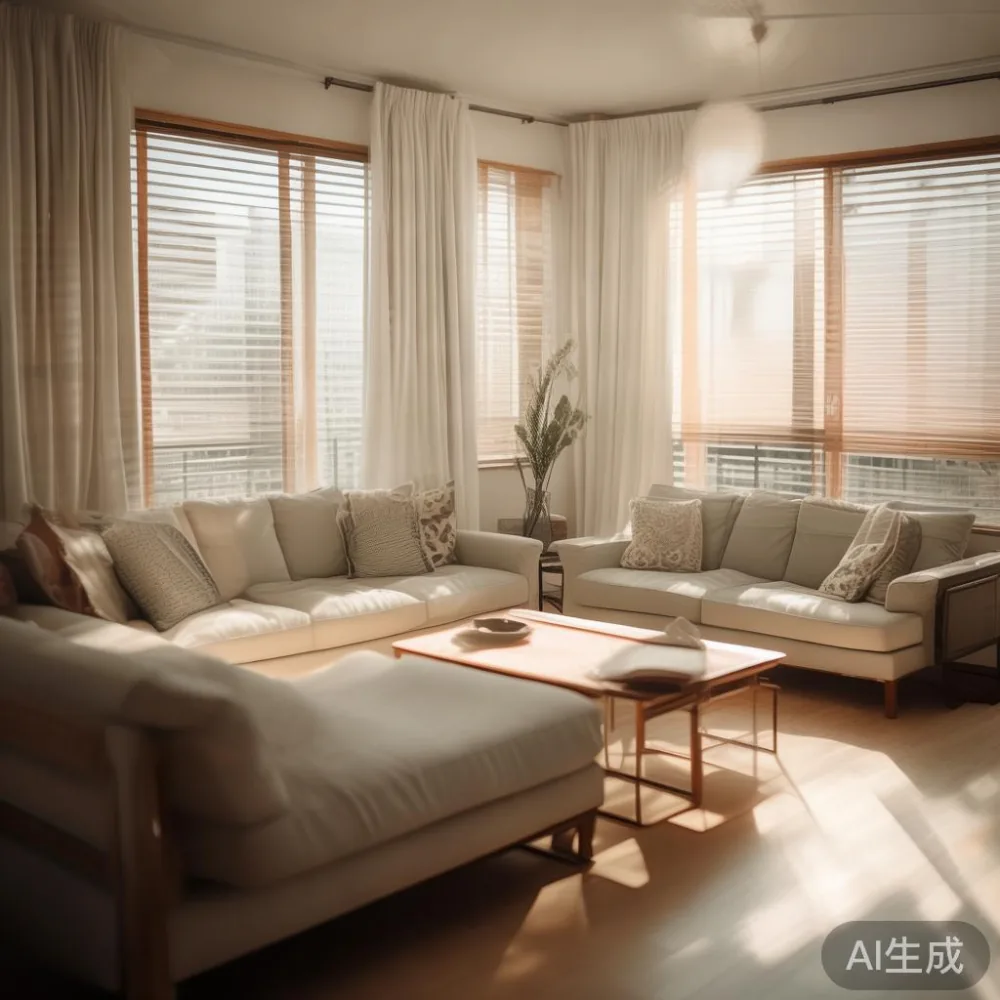
Working with a typical Singapore living-dining zone — about 18 to 24 sqm in newer BTOs around Tampines and Bedok — means every centimetre has to earn its keep. The lift openings in most HDB blocks measure roughly 2.1 m tall by 1.0 m wide, so anything taller than 2.05 m unpacked needs to be confirmed deliverable. The corridor width of around 1.2 m also dictates what you can angle through the front door. Knowing these constraints upfront prevents a S$2,200 dining table from getting stuck on level 12.
Why does a compact HDB living room feel crowded even with nice furniture?
Most HDB flats look cluttered not because owners buy cheap pieces, but because the pieces fight the room instead of working with it. A 2.4 m leather sofa against a 2.6 m wall leaves no breathing room and visually swallows the space. A dark, floor-hugging bed frame in the adjacent bedroom then echoes that heaviness through the open plan. French light luxury interiors solve this by sticking to a calm palette — bone, oat, soft taupe — and using slim raised legs of 15 to 20 cm on every item. When you can see the floor underneath the furniture, the ceiling reads as taller and the room reads as larger. That single trick accounts for about 60% of the airy feel you see in showflats around Punggol.
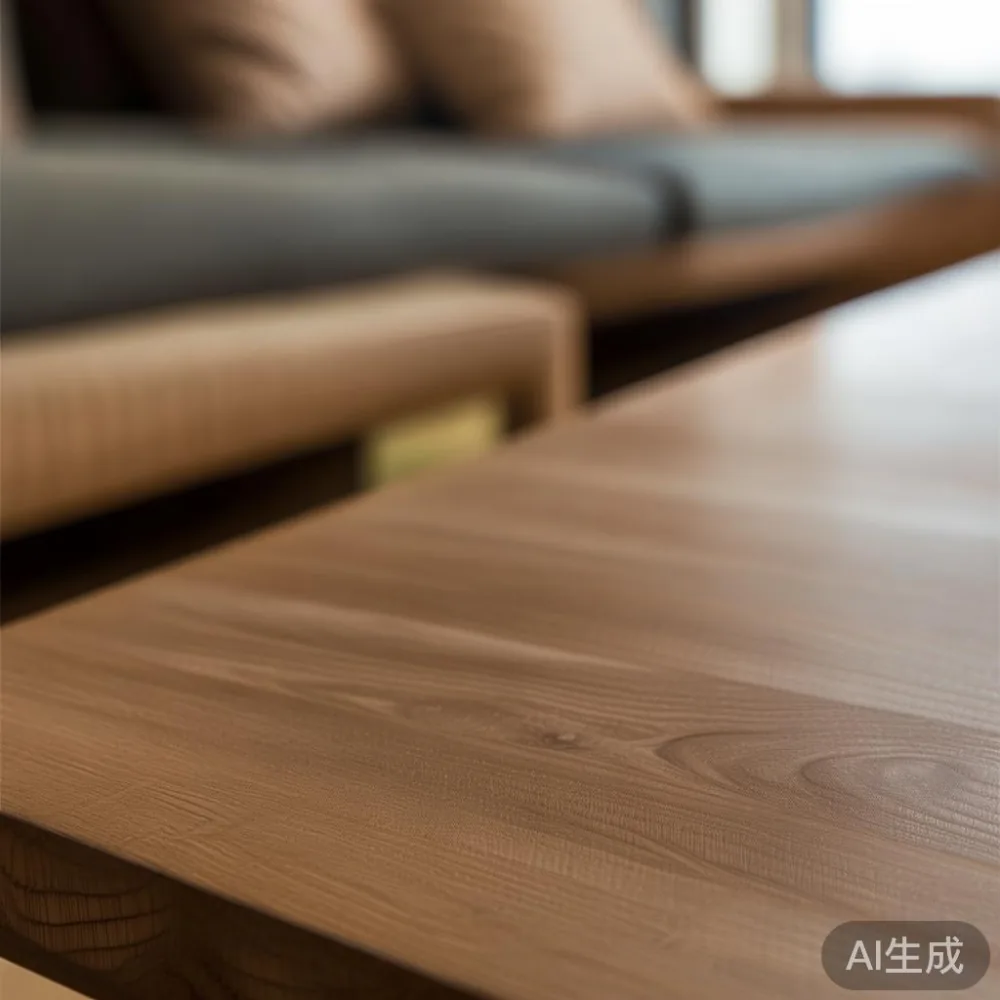
Scale is the second culprit. Coffee tables wider than 90 cm force sofas forward, which breaks the 70 cm walkway rule between seat and wall. I tested this with a tape measure at a condo in Tampines last spring — moving a 110 cm table out for an 80 cm oak version freed up 15 cm on each side, enough for a person to pass without turning sideways.
What is the right sofa size for an HDB living room?
For a 4-room HDB living room of roughly 16 to 20 sqm, a two-seater solid wood sofa between 150 cm and 180 cm wide is the sweet spot. Three-seaters work if you go below 210 cm and keep the armrest under 15 cm wide. Anything over 220 cm eats into circulation space, especially once you account for a 45 to 55 cm deep coffee table and a 70 cm walking path behind it.
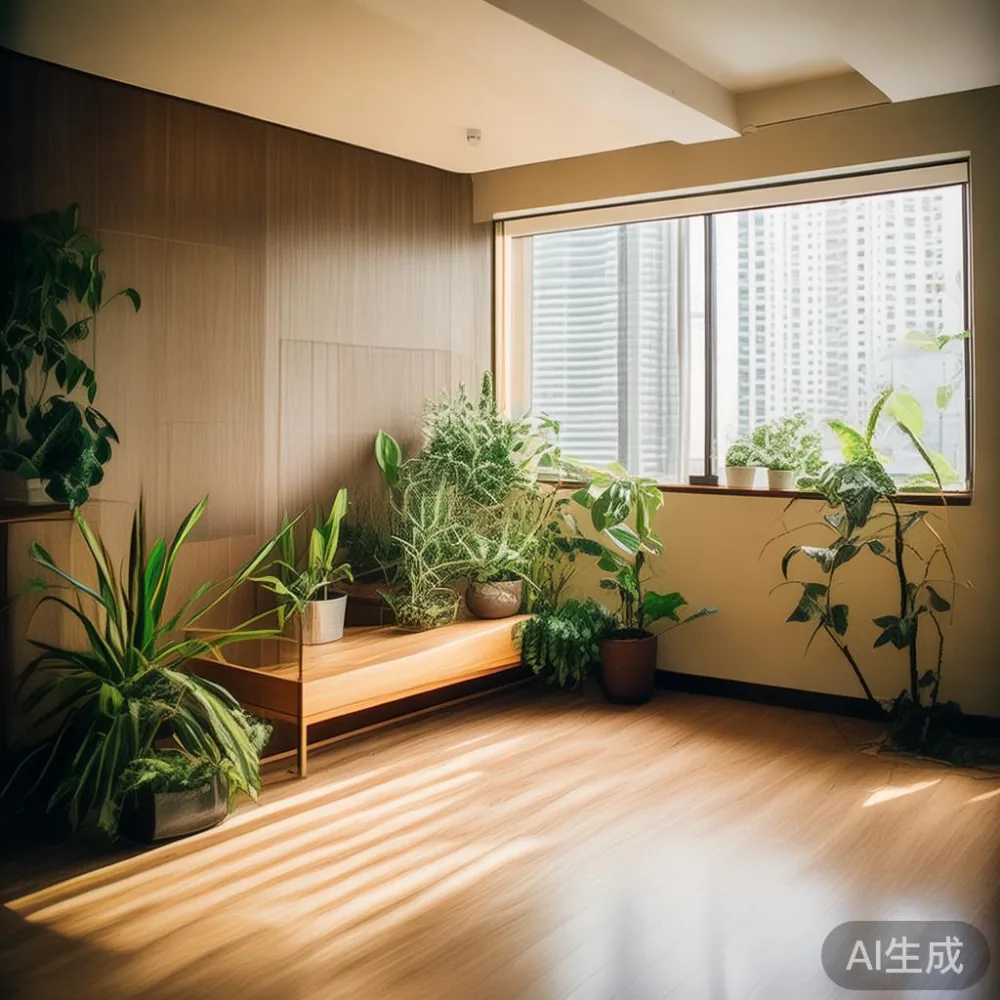
Seat height matters too. Choose 42 to 45 cm seat height to match Singaporean dining chairs and to make getting up easier for older relatives during Chinese New Year gatherings. Cushion density around 32 to 35 kg per cubic metre holds shape after a year of daily use, which matters if you want a sofa that still looks intentional in 2027. If you need overnight guests, a Japandi sofa bed singapore option from a maker like MIDHILL gives you a 140 cm sleeping surface without the chunky mechanism of European click-clacks. I sat on one in their showroom — the mechanism pulled out in under 30 seconds and the frame was solid oak through, not plywood wrapped in veneer.
Fabric and finish keep the room calm. Bouclé, linen-cotton blends, and a tight-weave performance fabric all hide daily dust, an underrated concern in HDB corridors near Bedok Reservoir where humidity sits at 78 to 82% most afternoons. Avoid high-gloss faux leather under ceiling fans — the glare visually fractures a small room.
How do I choose a storage bench for a study?
Pick a storage bench that is exactly 40 to 45 cm high, 35 to 45 cm deep, and at least 100 cm long if you want it to double as a study seat.
Those numbers come from matching an adult's seat height and a standard 60 cm desk overhang. Anything taller than 50 cm pushes your knees above the desk apron and cuts off circulation. Anything shorter than 38 cm forces a slouch that catches up with you during long CPF paperwork sessions. A solid oak storage bench around 120 cm long gives you room for two adults or one adult plus a child doing homework, plus 90 to 120 litres of hidden storage for textbooks, board games, or winter blankets in the AC-friendly months.
Look for soft-close hinges rated to 50,000 cycles and a top that can hold 120 kg without flex. I checked this on a MIDHILL bench in their Foshan showroom last quarter — two staff stood on it and the lid barely moved. Lift-up tops beat drawer fronts in tight study nooks because drawers need 40 cm of clearance in front, which most HDB study corners don't have. If the bench sits against a corridor wall, a backless design with at least 5 cm of clearance behind it stops the piece from looking like built-in cabinetry, which visually shrinks a study by roughly 10 to 15%.
Which dining table fits a compact HDB living-dining area?
For a 4-room HDB, a 120 to 140 cm rectangular solid wood dining table seats four comfortably and still leaves a 70 cm path on at least two sides. Round tables work in tighter nooks — a 90 cm round seats three, and a 110 cm round seats four — but avoid anything over 120 cm round in a square dining corner, because chair backs start colliding with the wall.
A marble table sounds heavy, but a 120 cm engineered marble top with an MDF or solid wood base usually weighs 35 to 45 kg, manageable for a single delivery team if lift access is direct. If you choose solid sintered stone instead, expect 60 to 80 kg and confirm with the delivery company that your block's 1,000 kg lift rating handles it. Engineered marble at 11 to 13 mm thickness resists chipping better than 25 mm solid stone in daily HDB use, where chairs scrape and kids drop toys.
Pair the dining table with chairs no deeper than 48 cm and no wider than 45 cm. American light luxury styling leans toward slim spindle backs in white oak or walnut, often with a leather or linen seat pad. Post-modern light luxury, by contrast, uses softer curves and boucle upholstery, which I find reads warmer in compact flats. Both styles suit a Japandi sofa bed at the other end of the room if the wood tones match within two shade gradations. A mismatch — say, a yellow-toned pine dining table next to a pink-toned oak sofa — breaks the calm and makes the eye work harder than it should.
What bedroom pieces make the most sense in a small flat?
For a standard HDB master bedroom of 11 to 13 sqm, aim for a queen bed frame at 160 by 200 cm with a headboard no taller than 110 cm and legs lifting the frame 15 to 20 cm off the floor. Anything taller than 110 cm visually lowers the ceiling by about 8 cm. Anything floor-hugging looks heavier than it needs to, even when the room is spacious and well-lit.
Choose a wardrobe between 180 and 220 cm tall and 60 to 70 cm deep. Deeper than 70 cm and you lose the 60 cm walkway to the bed. Sliding wardrobes save 50 cm of swing clearance compared to hinged doors, which matters when your bedroom door swings inward. A solid wood wardrobe in white oak or ash handles Singapore humidity better than MDF-backed melamine once the air-con runs daily, because solid wood breathes and recovers from micro-swelling.
Nightstands should sit between 45 and 55 cm wide and 35 to 45 cm deep, with one drawer and one open shelf. Two drawers turn a nightstand into a miniature chest that competes visually with the wardrobe. A small marble table — even a 40 cm round engineered marble side table — works beautifully as a non-storage nightstand if you keep books on a wall shelf above the bed instead. This keeps the bedside light and airy, which carries through to the morning when sunlight enters from the typical east-facing HDB window.
How do I keep delivery, warranty, and after-sales stress-free?
Check three numbers before you click buy: lift door height, lift depth, and stair turning radius. For HDB blocks built after 2010, lift doors are typically 2.1 m by 1.0 m. A wardrobe taller than 2.05 m unpacked needs vertical disassembly. Confirm the maker offers that service free or for a flat S$60 to S$120 fee — never a percentage, because percentages punish larger pieces unfairly.
Look for a 10-year structural warranty on solid wood frames. That usually covers joint failure, wood cracking under normal use, and warping above 5 mm. Lifetime refinishing matters more than people realise — in Singapore, UV through east windows fades oak and walnut in 5 to 7 years. A maker that offers free or low-cost refinishing (around S$180 to S$280 per piece) extends the life of a S$2,800 wardrobe into a 15-year investment instead of a 7-year one.
Free shipping above S$350 is common in the light luxury segment, but check whether it covers HDB doorstep delivery or full room placement. Full placement with a two-person team in a Tampines or Bedok flat typically runs S$60 to S$120, which is worth it to avoid scratching new parquet. A 14-day return window covers change-of-mind on colour and fabric weave, which matters because showroom lighting flatters the recommendations in a way your living room may not. Keep the original packaging for at least 14 days in case the piece doesn't suit the space.
If you order from a Foshan-based maker like MIDHILL, allow 35 to 50 days from order to doorstep for made-to-order solid wood pieces, plus 3 to 5 days for local Singapore delivery and assembly. Custom pieces add another 10 to 15 days. Plan around festive seasons — Chinese New Year and Hari Raya add 7 to 10 days to Foshan production, and GST on imported furniture sits at 9%, so budget S$250 of extra tax on a S$2,800 order. None of this is hard once it sits on a spreadsheet.
What is the easiest styling formula for a calm HDB living room?
Use one wood tone across the solid wood sofa, bed frame, dining table, wardrobe, and nightstand, then introduce one metal accent (brushed brass or matte black) and one textile accent (bouclé, linen, or wool). Three materials per room is the maximum — beyond that, the eye starts fragmenting and the room feels busy. Stick to a palette of bone, taupe, and one deeper accent like ink blue or terracotta, and let 60% of the visible surfaces stay light.
Leave 30 to 40 cm between the back of the sofa and the nearest wall if you can. That gap lets air move and stops the sofa from looking stuck on. A jute or wool rug sized 200 by 300 cm under the seating zone anchors the layout without crowding it, as long as the front legs of the sofa sit on the rug and the back legs sit off. This single rule — half on, half off — gives any compact HDB living room the layered look of a much larger space.
Last week I watched a colleague rearrange her 4-room flat in Bedok using exactly this formula. She kept her existing solid wood sofa, replaced a glass coffee table with a 90 cm oak round, and added a slim wardrobe in matching ash. Total spend S$3,400. The room now reads as 25 to 30% larger, and she didn't paint a single wall. Light luxury isn't about spending more — it's about spending with a tape measure in your hand and a clear sense of which centimetres you're willing to give up.