What to Check Before Buying a Sofa You Cannot Sit On
Some furniture looks perfect in a showroom and becomes impractical the moment it reaches an HDB flat. A sofa may photograph beautifully against a bright wall, fit within a 210 cm living room, and still leave you unable to sit down because its arms are too high, its cushions slide, or its backrest cuts across your shoulders. In Tampines, Bedok, and Punggol, the sofa must work within a real HDB livingroom: limited floor area, shared corridors, older lifts, warmer weather, and the practical needs of a household.
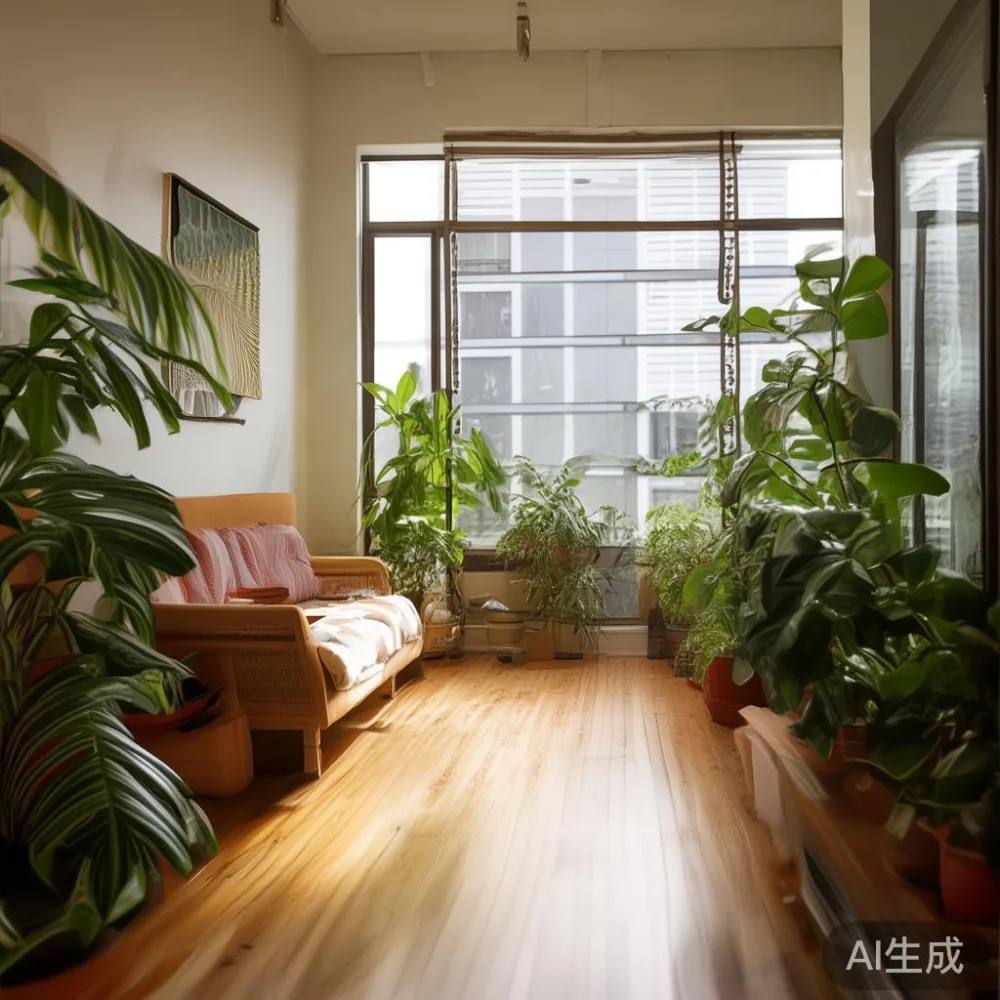
The trick is to judge a sofa by how it works, not only by how it looks. Before paying, check its usable seat dimensions, frame construction, cushion support, door and lift access, removable covers, and warranty terms. For a solid wood sofa, wood is only one part of the system; the seating comfort still depends on the suspension, foam, joints, and finish.
What dimensions should I check before buying a sofa for an HDB flat?
Begin with the sofa's outer dimensions, then measure the usable space where it will sit. Leave at least 90 cm between the front of the sofa and a coffee table, at least 60 cm beside a main seat for circulation, and about 30 cm behind the sofa if it stands away from the wall. In a compact hdb livingroom, those clearances help prevent the furniture from feeling crowded. A 220 cm sofa may fit the wall, but a 245 cm model can restrict the route from the entrance to the balcony.
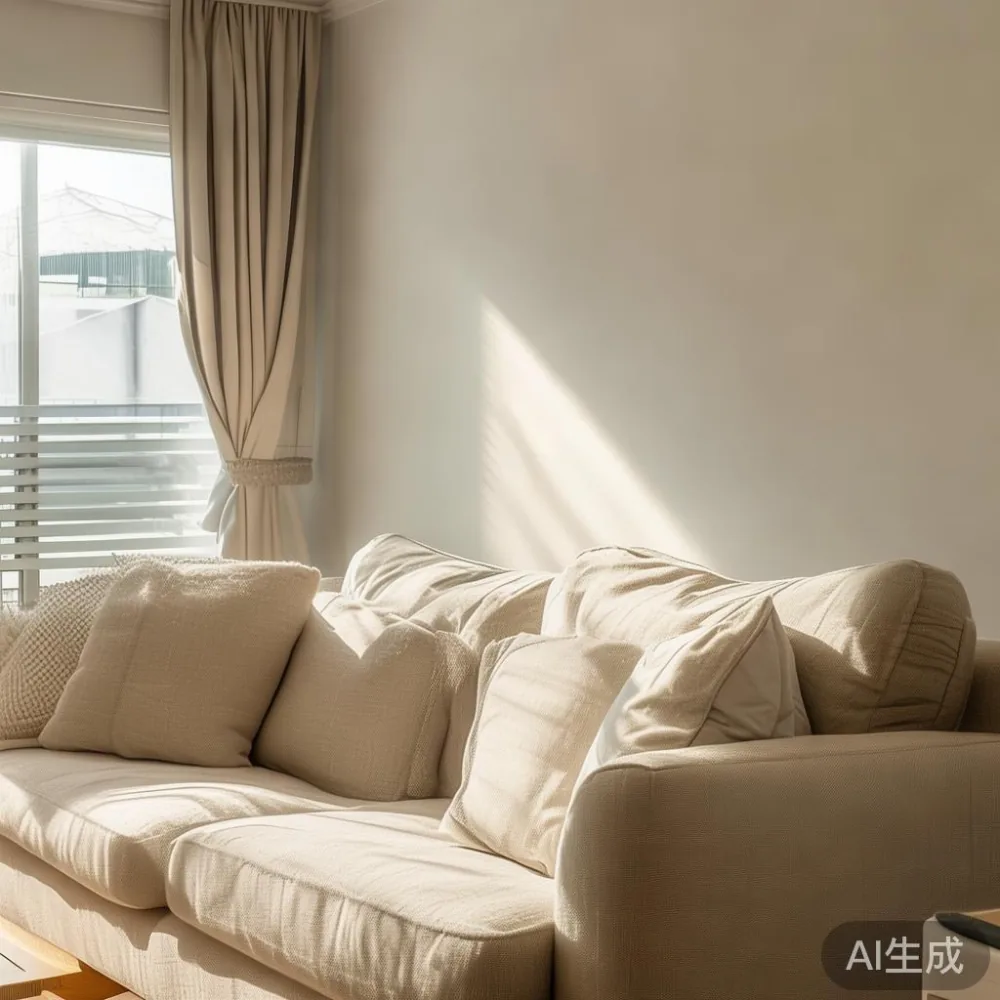
Next, inspect seat height, seat depth, and backrest height. A seat height of 40–43 cm suits many adults, while a depth of 50–58 cm supports normal sitting without forcing the legs forward. If the sofa includes a chaise, test whether its full length fits without blocking the balcony door. Also check the arm height: approximately 55–65 cm is comfortable for resting an arm, whereas anything above 70 cm can make it difficult to rise from the seat.
Do not rely on a scaled image alone. Request the product sheet in centimetres and compare it with a tape measure at home. Use masking tape on the floor to mark the footprint, then place a cushion at the marked seat position. This reveals whether the sofa merely fits or can actually be used.
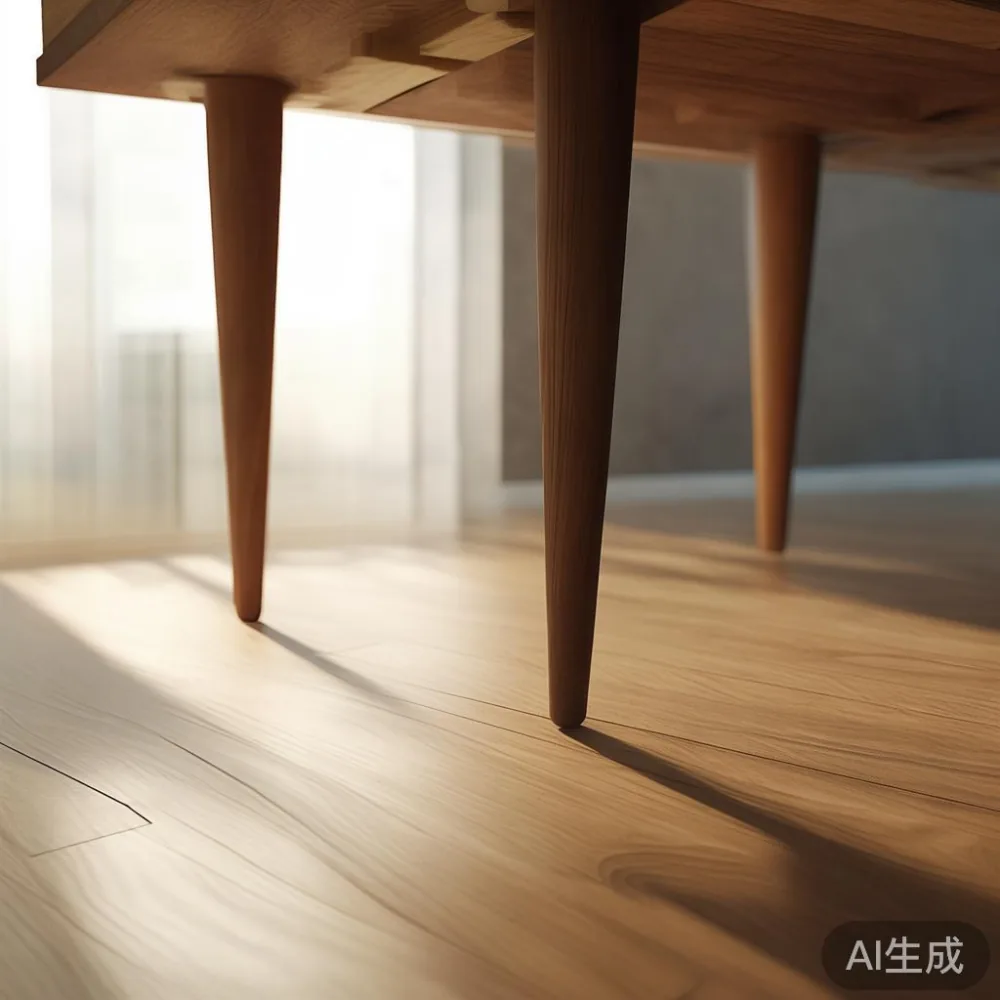
Can I really sit on it? Test the cushions, arms, and backrest
A display sofa can feel supportive because showroom staff may have adjusted the cushions, or because you are sitting briefly. Test it for 10 minutes before deciding. Cross your arms, lean back, shift position, and check whether the seat remains level. A good seat should not tilt more than about 2–3 cm across its width. The cushions should rebound rather than remain dented.
Sit near each end and in the centre. If a corner feels noticeably lower, the frame or webbing may need attention. Press the seat firmly with your palm; excessive movement suggests loose suspension or weak internal supports. Then sit without using the arms. If the seat drops sharply, the cushion may be decorative rather than structurally supportive.
Backrests should support the lower back without pressing into the shoulder blades. A depth of roughly 20–25 cm gives useful support for an average adult. High arms can support the neck but interfere with standing up, which matters for buyers with limited knee strength. Removable cushion covers are helpful in humid Singapore conditions, while performance fabric or an easy-clean weave is easier to maintain than delicate linen.
Last month I visited a sample livingroom in Tampines with my colleague. The sofa looked calm and refined in the photographs, yet the centre cushion sat about 4 cm lower than the two side cushions. The frame was sound, but the loose fill had created an uneven surface. We removed the cushion, found a poorly tensioned webbing strap, and tightened it. That simple test took less than 10 minutes and prevented us from approving an uncomfortable piece.
Will the sofa fit through the lift, staircase, and corridor?
Access is a frequent surprise in Singapore homes. HDB block corridors can be narrow, and older lifts may have limited car dimensions or doors that open to only about 90 cm. Newer lifts are often more generous, but the route from the ground floor still matters. Measure the narrowest corridor turn, stair landing, door opening, lift door, and lift car.
Ask for the packaged dimensions and weight, not just the assembled dimensions. A sofa can fit through the lift when turned on its side, but only if the packaging does not prevent it. For example, a 210 × 88 × 76 cm sofa might fit a 210 cm-deep lift car, yet thick corner protectors could add 6–10 cm on every side.
Check the turning clearance too. A long rectangular sofa may enter a lift but become difficult to rotate towards the flat door. For a corridor, allow at least 10 cm of extra width at the tightest point. If the sofa is heavier than 60 kg, check whether the lift capacity and building rules permit the delivery team to move it, and whether the warranty covers damage during indoor placement.
HDB estates also have rules concerning moving large items into common areas. Delivery may need to be scheduled, and the service lift may be reserved. Confirm whether the quotation includes carrying the sofa upstairs, assembling the legs, and placing it in the intended room. A narrow staircase without a service lift can add SGD 80–SGD 180 in labour, depending on distance and complexity.
Does a solid wood frame make the sofa comfortable and durable?
A solid wood sofa offers useful benefits, but the timber does not guarantee good seating. Look for kiln-dried hardwood in load-bearing areas, dowelled or mortise-and-tenon joints, and corner blocks. The rails should be connected with screws, bolts, or joinery rather than a few small nails. Avoid vague descriptions that do not identify the timber, joint type, or suspension.
For a family used sofa, ask whether the frame carries a 10-year structural warranty. MIDHILL states that its furniture includes a 10-year structural warranty and lifetime refinishing, which gives buyers a clearer basis for comparing long-term support. A warranty document should explain which parts are covered, how a claim is assessed, and whether indoor use in Singapore's humid climate is included.
The finish needs equal attention. Test the surface with a slightly damp cloth and check for tackiness or colour transfer. A water-based or properly cured finish may be easier to maintain than an untreated surface. Request care instructions and ask whether small marks can be refinished locally. Lifetime refinishing is meaningful only if the process and access to colour-matched finishes are clear.
Is a designer sofa suitable for Singapore's heat and humidity?
Warm, humid weather changes how upholstery feels. Dense foam can resist humidity but retain heat, while loose fibre-fill cushions feel soft initially yet may flatten after a year. A practical combination is a supportive foam core beneath a replaceable or reversible outer cushion. Look for covers that can be removed, washed according to the instructions, and dried fully before use.
French light luxury styling often includes curved arms, tapered legs, neutral textiles, and refined timber details. French sofa gallery photos can make a room look more generous than it is, so inspect the actual seat rather than judging the silhouette. American light luxury tends toward deep seating, broad cushions, and substantial proportions; those designs may need more floor space and stronger lifting arrangements.
For a smaller home, the phrase Coastal for small living room is useful as a direction rather than a promise: pale upholstery, simple lines, and visually light legs can reduce heaviness. Yet a coastal palette does not solve poor access or a weak frame. The physical specifications must come before the styling.
Post-modern light luxury can work well in an HDB interior because it combines visual restraint with unexpected details. For example, a solid wood sofa with a 42 cm seat, slim 12 cm arm, and softly squared back can feel tailored without taking over the room. When comparing designer Modern light luxury furniture, check the dimensions and comfort independently of the design label.
What should the final quotation include?
A clear quotation should separate the product, delivery, installation, and optional services. In Singapore, prices are normally shown before GST, with 9% GST added where applicable. Request the total payable amount and confirm whether stair carry, lift booking, assembly, and removal of packaging are included.
Delivery timing matters as well. A standard lead time might be 20–35 days, while made-to-order pieces can take 45–70 days. Ask for a written dispatch estimate and a delivery window. Avoid vague statements such as “fast delivery.” If the item must arrive before a house move or family event, allow 5–7 working days for access coordination and possible access restrictions.
Check the returns policy against the stated 14-day return period. Confirm whether the sofa must be unused, whether original packaging is required, and who pays the return freight for a bulky item. Damage during delivery should be recorded before the team leaves. Photograph the sofa, its corners, legs, cushions, and packaging while the delivery crew is present.
Payment and warranty records should also be clear. Keep the invoice, product dimensions, care guide, and warranty certificate together. If the frame fails outside ordinary wear, the claim should not depend on a separate card or an undocumented promise.
Can I match the sofa with other pieces without overcrowding the room?
A sofa should anchor the seating area without turning the hdb livingroom into a furniture showroom. Match coffee tables to the sofa's visual weight rather than forcing identical styles. A 100–120 cm rectangular coffee table works with many 200–220 cm sofas, while a round table of 80–90 cm can ease circulation in a narrow layout.
Coordinate the nearby furniture through timber tone and proportion. A solid wood bed frame, dining table, wardrobe, nightstand, or marble table can share warm wood tones, but each room needs only one dominant material. For example, a pale oak bed frame and a dark walnut dining table may work if the connecting elements—lighting, textiles, and metal finishes—repeat across both spaces.
If the sofa uses buttoning, carved details, or a curved profile, keep surrounding pieces quieter. If its design is rectilinear, add one decorative element such as a lamp with a fabric shade or a framed print measuring roughly 50 × 70 cm. Art should sit 15–20 cm above the sofa or align with eye level, not float in the middle of the wall.
For bedroom continuity, how to style Japandi bed in bedroom is another question worth answering carefully. Low-profile timber, clean bedding, warm lighting, and limited decoration can carry from the living room into the bedroom. If the timber is lighter, a Modern light luxury bed with restrained lines and neutral upholstery can bridge a coastal or French-inspired living area. The same principle applies when weighing is French provincial bed worth it: the answer depends on room proportions, maintenance, and comfort, not the style name alone.
What are the warning signs that a sofa is not worth the price?
Walk away if the seller cannot provide exact dimensions, timber information, cushion specifications, or a clear warranty. Other warning signs include a frame made mainly from thin panels, exposed foam with no removable cover, sharp unfinished edges, a seat that rocks, and joints that move under pressure. Prices may range from SGD 1,200 for a compact model to SGD 4,500 or more for a larger solid wood sofa, but cost alone does not reveal comfort or construction.
Do not accept a sofa because it looks new in photos. Ask to see the underside, lift one cushion, and sit in the position you would use at home. Measure the route from the lift to the living room. Check the warranty, delivery charge, GST, and return terms in writing. A sofa you cannot sit on is not a display success; it is unusable furniture. A brief 10-minute test and a careful centimetre-by-centimetre access check can prevent the most common HDB livingroom mistake.