What to Check Before Buying a Sofa You Cannot Sit On: A Singapore HDB Living Room Guide
Buying a sofa online feels strange. You scroll through ten product photos, watch one short clip, read fifteen reviews written by people you have never met, and then commit S$1,800 to something that will sit in your Tampines or Punggol living room for the next ten years. You cannot sit on it. You cannot feel the cushion density, the armrest height, or how the fabric behaves when your toddler presses a wet roti canai against it. Last month I visited a friend in Bedok who had just received a sofa she bought from an overseas seller. The box was narrower than the corridor outside her HDB unit, so the delivery crew had to open it inside the lift lobby, drag a 2.1 metre frame through her 0.9 metre corridor, and scratch the skirting on the way in. That single hour taught me more than any product page ever could.
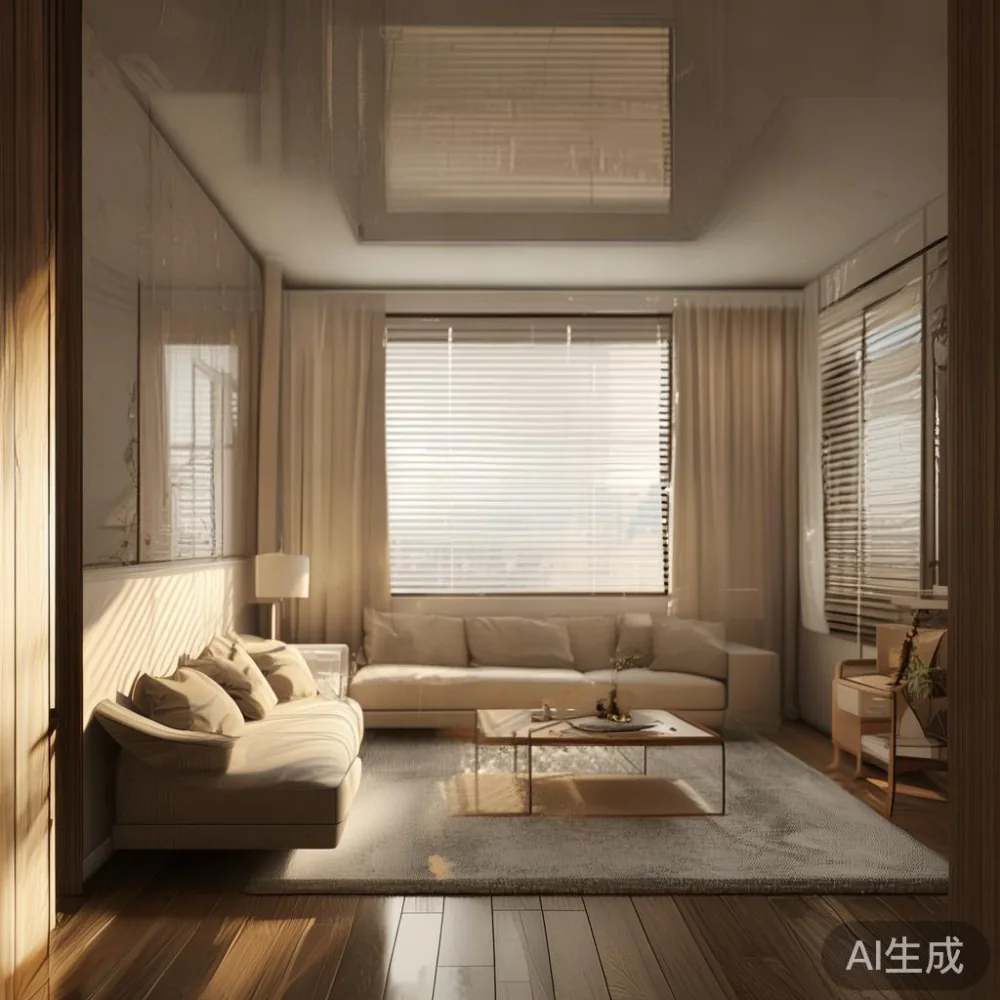
This guide is written for Singapore households, HDB flats and condos alike, who are buying a sofa sight-unseen. I will walk through twelve concrete checks (dimensions, weight, frame material, foam density, fabric rub count, leg height, lift access, GST, warranty, returns, delivery windows, and styling fit), with SGD price references and the kind of measurements that matter when your living room ceiling is 2.6 m and your service yard door is only 1.95 m tall. I will also explain where light-luxury positioning, French light luxury, American light luxury, and post-modern light luxury actually show up in a sofa spec sheet, and how to tell whether the marble table, dining table, bed frame, wardrobe, and nightstand you already own will still talk to a new arrival.
Why does an HDB living room make sofa buying harder than a condo?
Three physical constraints decide most outcomes before style even enters the conversation: the lift, the corridor, and the front door.
Most HDB blocks in Tampines, Bedok, and Punggol run lifts with an internal cabin depth between 1.2 m and 1.5 m and a door opening of around 0.9 m. A 2.2 m three-seater sofa, boxed or unboxed, will not fit diagonally in a 1.3 m lift. If the seller in Foshan packs it in a 2.3 m carton (which they often do for solid wood sofa frames), the carton will not enter the lift at all. I have watched two separate Bedok deliveries fail for this reason. The driver phoned the warehouse, a smaller replacement was dispatched, and the original carton went back to the factory at the buyer's shipping cost. The lesson: a sofa you cannot sit on must first be a sofa the lift can accept.
Corridors are the second filter. Standard HDB corridor widths sit between 1.2 m and 1.7 m, with occasional bends near refuse chutes and lift lobbies that narrow the usable path to under 1 metre. A 0.95 m deep sofa carried on its side clears most corridors, but a 1.05 m deep chaise configuration will not make the turn at the seventh-floor corner of the block I grew up in. Measure your corridor from the lift door to your unit door, including any 90-degree turns. Write the number down. Share it with the seller before you pay.
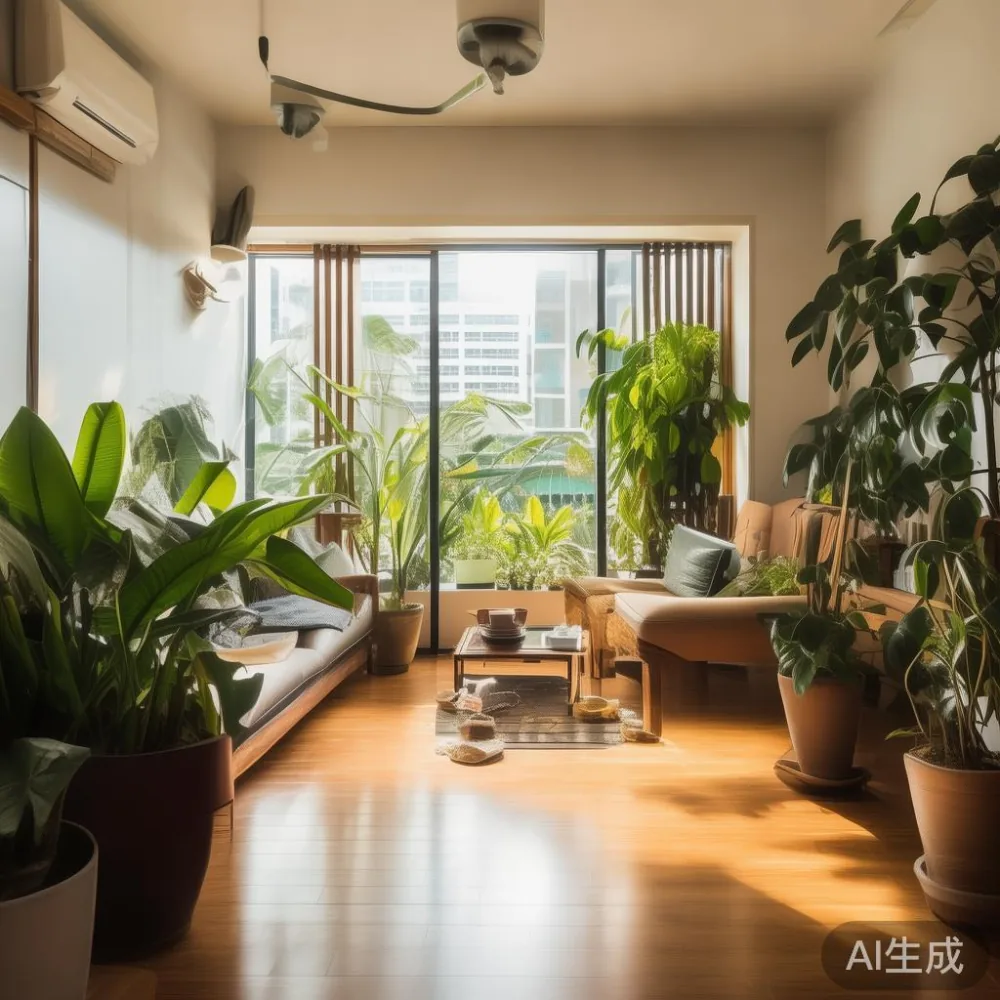
Front doors on most HDB units measure 0.9 m wide and around 2.05 m tall, while service yard doors tend to be 0.7 m wide. If you are buying an extra-large American light luxury sectional with a chaise, plan to deliver through the service yard instead. That usually means lifting the sofa over a 0.8 m parapet, so frame weight matters more than you think.
Which sofa dimensions actually matter when you cannot test the seat?
Five numbers appear on almost every spec sheet, and most buyers ignore four of them. Seat height, seat depth, armrest height, backrest height, and leg clearance under the sofa. Each one changes how the sofa behaves in your living room and who can use it comfortably.
Seat height around 43 cm to 48 cm suits most Singapore adults. Below 40 cm, elderly relatives will struggle to stand up; above 50 cm, the sofa reads as a chair and feels awkward against a 38 cm coffee table. Seat depth between 55 cm and 60 cm works for someone 1.65 m tall with a lumbar cushion; 65 cm and above suits taller users but stops working as a lounging sofa once your feet hang off the edge. Backrest height above 55 cm supports the head; below 45 cm, the sofa reads more as a bench. Leg clearance of at least 12 cm lets the Roomba pass and avoids the dust-gathering tomb look that plagues some French light luxury designs.
For an HDB living room layout, also weigh the sofa's external footprint against the 1.8 m to 2.4 m walkway that designers usually want behind it. A 2.4 m four-seater in a 3 m wide living room leaves a 0.6 m walkway, which feels cramped the moment a guest stands up to get a glass of water. A 2.1 m three-seater in the same room leaves 0.9 m and breathes.
How do you check frame quality, foam density, and fabric without sitting down?
Frame, foam, and fabric are the three layers that decide whether a sofa lives five years or fifteen. A solid wood sofa frame in oak, ash, or beech outlasts a pine or plywood frame by a wide margin. Ask the seller which species, and whether the load-bearing rails are solid or laminated. A respectable Foshan workshop will tell you the moisture content of the wood (8 to 12 percent is the safe band for tropical climates like Singapore's 80 percent average humidity) and whether kiln-dried timber is used. MIDHILL, which has shipped solid wood furniture from Foshan to more than fifteen countries since 2008, publishes that information on its product cards; if a competitor does not, treat that as a soft red flag.
Foam density is the next number. Anything below 28 kg per cubic metre will sag within three years if used nightly. 32 to 35 kg is the standard for a sofa you plan to sit on every evening, and 38 kg or above is what high-end American light luxury brands tend to use for the seat cushions. For back cushions, 25 kg density wrapped around polyester fibre is the usual mid-range recipe. A spec sheet that lists only "high-density foam" without a number usually means 25 kg, which is on the soft side for a 90 kg adult.
Fabric rub count, measured by the Martindale test, tells you how the upholstery handles friction. A household sofa needs at least 20,000 rubs; a heavy-use family sofa wants 40,000; commercial-grade starts at 50,000. Linen-look polyester blends priced around S$80 per running metre typically fall between 25,000 and 35,000 rubs, which is the realistic band for an HDB living room with two adults and one small child. Velvet and boucle sit higher but trap heat, which matters in a non-aircon living room during a Singapore afternoon.
Can a sofa actually fit through the lift, the corridor, and your front door?
This question trips up more HDB buyers than fabric choice. Treat the route as three checkpoints in sequence, measure twice, and confirm in writing with the seller.
Check one: the carton. Ask for the packed dimensions in cm, including any base or pallet. A solid wood sofa in oak will weigh between 55 kg and 95 kg for a three-seater, and the carton can push 110 kg once the wooden crate is added. Make sure your lift's load rating supports that; most HDB lifts are rated between 630 kg and 1,000 kg, but the practical limit drops fast when two delivery workers, a toolbox, and three parcels are sharing the cabin.
Check two: the corridor turn. A 2.3 m long sofa can be carried vertically through a corridor if the ceiling is at least 2.4 m and the corridor is straight. As soon as a 90-degree turn appears, the sofa has to drop to horizontal, and a 2.3 m frame will not clear a 1.2 m corridor wall.
Check three: the front door. Plan B is the service yard, which adds a parapet lift of around 80 cm and usually requires four workers, not two. Some HDB blocks require a permit for furniture hoisting through common corridors; the Town Council typically asks for 3 working days' notice and charges between S$50 and S$120 depending on the estate.
MIDHILL publishes lift-access guidance on its product pages and offers free shipping for orders above US$350 (about S$475) to most Singapore addresses, which softens the cost of a wrongly sized replacement.
What about GST, warranty, returns, and delivery timing from Foshan?
Singapore applies 9 percent GST on imported goods above the S$400 threshold per consignment. A S$2,200 sofa clears that line easily, so budget an extra S$198 for the tax bill and confirm whether the seller marks the declared value at S$399 to dodge the threshold. Customs can reassess and bill you later, which is worse than paying the tax up front. Ask whether the quoted price is GST-inclusive, and confirm the Incoterm (CIF Singapore vs FOB Shenzhen changes your exposure to port handling fees of around S$120 per cubic metre).
Warranty terms matter more than marketing language. A 10-year structural warranty on the frame is a serious commitment from a manufacturer; a one-year "general warranty" usually covers nothing worth claiming. Ask how warranty claims are honoured in Singapore. A Foshan factory with a Singapore warehouse can swap a defective leg in 5 to 10 working days. A factory that ships only from China will ask you to ship the sofa back at your cost, which is impractical for a 90 kg piece. MIDHILL's 10-year structural warranty and lifetime refinishing service are tied to its Foshan workshop and a small Singapore repair partner, which keeps turnaround reasonable.
Returns are the awkward part. A 14-day return window only works if the sofa can be repacked in the original carton, picked up from your unit, and resold without damage. Many online sofas arrive in non-resealable plastic wrap, and sellers exclude "change of mind" once the plastic is cut. Read the return policy for the words "unopened, undamaged packaging" and treat that as the rule, not the suggested guideline.
Delivery timing for a Foshan-made sofa to a Punggol or Tampines address ranges from 18 to 35 days by sea, plus 5 to 10 days for last-mile delivery from a Singapore warehouse. If the sofa is on backorder, add 30 to 45 days. Plan your purchase at least two months before a specific move-in date, especially if you are coordinating with a parallel delivery of a bed frame or wardrobe.
How does light-luxury positioning change what you should look for?
The phrase "light luxury" covers French light luxury, American light luxury, and post-modern light luxury. They behave differently on a spec sheet, and the differences show up in numbers, not in adjectives.
French light luxury sofas tend to run slimmer in the arm, deeper in the seat, and higher in the back. Frame widths around 7 cm to 9 cm, seat depths around 60 cm to 65 cm, backrests around 70 cm. The look is closer to a Haussmann salon than a Manhattan loft, and it pairs well with a marble table top on a slim brass base. Italian light luxury for dining room suites shares the same proportional logic, with 45 cm to 48 cm seat heights, which is one reason Italian dining chairs sit comfortably next to a 75 cm tall dining table.
American light luxury sofas run wider, lower, and deeper. Think 2.4 m sectionals, 95 cm seat depths, and 40 cm backrests. They suit a Punggol executive condo living room more than a 4-room HDB flat, simply because of footprint.
Post-modern light luxury is the category that lets you ask for something like a light blue luxury sofa with a brushed brass base without the showroom consultant raising an eyebrow. It borrows structural cues from 1970s Italian design, mixes in 1990s Memphis colour blocking, and pairs surprisingly well with a Bohemian-textured rug. If your reference is under 2000 Boho furniture sets from the usual fast-shippers, a single post-modern statement piece on the right side of S$2,000 will lift the whole room more than a matched suite under the same budget.
Can a new sofa coexist with your existing bed, dining table, wardrobe, and nightstand?
The short answer is yes, if you match three things: wood tone, metal finish, and visual weight.
Wood tone is the easiest. A solid oak bed frame with a matte clear finish reads warmer than a walnut-stained ash dining table, and the gap shows in daylight. Pick a sofa whose exposed solid wood legs match the bed frame or the dining table, not both. If your bed frame is oak and your dining table is walnut, go walnut for the sofa feet; the eye reads the matching tone as the anchor.
Metal finish matters in light-luxury pieces because the sofa feet, the marble table base, the wardrobe handles, and the nightstand pulls often share a finish. Brushed brass in the sofa legs, brushed brass in the marble table base, and brushed brass on the wardrobe handle. Three matches in one room feel intentional; one match looks accidental.
Visual weight is the trickiest. A heavy carved wooden bed frame visually weighs more than a slim oak dining table. A bulky rolled-arm French light luxury sofa in the same room will swallow the dining table. A lower, slimmer American light luxury sectional will let the bed frame keep its visual dominance. For under 2000 Japanese furniture bedrooms, the same logic applies: low platforms need a low sofa, not a high-back.
How should you take final measurements and write them down before paying?
Write seven numbers on a single piece of paper before you click pay. Lift internal depth, lift door width, corridor width at the tightest turn, front door width and height, service yard door width, planned sofa position in the living room, and distance from the planned position to the nearest wall outlet.
Take a photo of each. Send the photos and the seven numbers to the seller in a single message and ask for confirmation in writing. A seller who answers with the sofa's carton size, weight, and a suggested orientation for your corridor is a seller worth keeping. A seller who replies with a generic shipping policy is signalling that logistics is not their problem until it is.
If the numbers do not work, look at a smaller configuration of the same model, or step down to a different sofa entirely. A 2 m loveseat in French light luxury styling can suit a compact HDB living room more elegantly than a 2.4 m American sectional. The point is not to compromise but to choose the sofa that fits the actual room, not the imagined room.
Does the sofa need to match your curtains, rug, and wall colour on day one?
No, and that is one of the underrated freedoms of a delayed purchase. A light blue luxury sofa against white walls and a beige rug reads as quiet and expensive. The same sofa against terracotta walls reads louder and warmer. The trick is to pick a sofa whose undertone works across two or three wall colours you can live with, then choose the wall colour after the sofa arrives.
For under 2000 Japanese furniture or under 2000 Boho furniture refresh plans, the sofa is usually the anchor piece. Plan around it. Pick the curtain fabric after the sofa cloth arrives, pick the rug after the sofa is in the room, and pick the wall colour last. Most Singapore homeowners repaint every three to five years anyway, so a sofa priced between S$1,400 and S$2,400 should comfortably outlive two paint cycles.
For styling, the phrase how to style French sofa in room circulates widely online, but the practical version is simpler: keep the wall 60 cm behind the sofa bare or styled with one piece of art, keep the side table within arm's reach, keep the floor lamp 1.5 m tall and reading-friendly, and let the room centre on the sofa rather than the television. The same logic applies if you are asking how to style French sofa in apartment layouts with split zones; the sofa marks the seating zone, the dining table marks the eating zone, the rug ties them together.
What should the final checklist look like before you confirm the order?
Twelve items, in this order: lift depth and door width measured; corridor tightest turn measured; front door and service yard door measured; carton dimensions confirmed in writing; total weight (carton included) confirmed; frame species confirmed; foam density in kg per cubic metre confirmed; fabric rub count confirmed; GST treatment confirmed; warranty length and claim process confirmed; return policy for unopened packaging confirmed; estimated delivery date confirmed. Keep the screenshots. Forward the thread to your own email so you have a paper trail.
If ten of the twelve clear without hesitation, proceed. If three or more are vague answers, walk away, even if the listing looks beautiful. A sofa you cannot sit on is a sofa you must size with numbers, and the numbers must come from both sides before the money moves.