Solid Wood Furniture Pricing: Timber, Craftsmanship, and Dimensions
Most Singapore shoppers see two solid wood pieces with similar oak grain and assume they should cost roughly the same. The difference is usually hidden in timber grade, joinery, finish, dimensions, hardware and delivery logistics. For an hdb livingroom, those details matter even more than showroom styling: a 220 cm sofa still has to negotiate the HDB lift, while a wide dining table may need to turn through the common corridor before reaching the dining area.
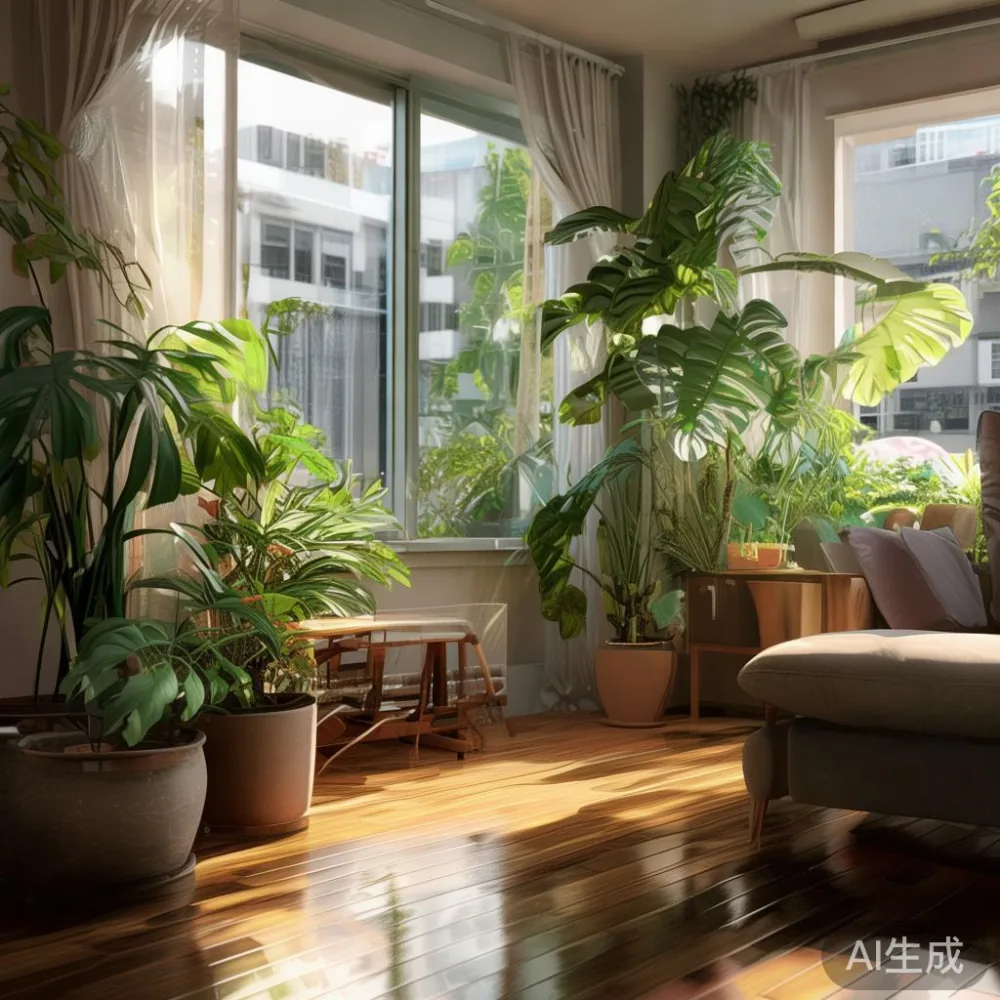
This guide explains the cost drivers behind solid wood furniture, using Singapore homes and practical measurements rather than vague luxury claims. I focus on pieces such as solid wood sofas, bed frames, dining tables, wardrobes, nightstands and occasional marble tables, with prices shown in SGD.
What makes one solid wood piece cost more than another?
The headline material is only the starting point. Solid wood describes the main structural components, but it does not automatically mean premium-grade timber. The species, moisture treatment, cut, thickness, defects and yield all affect the price.
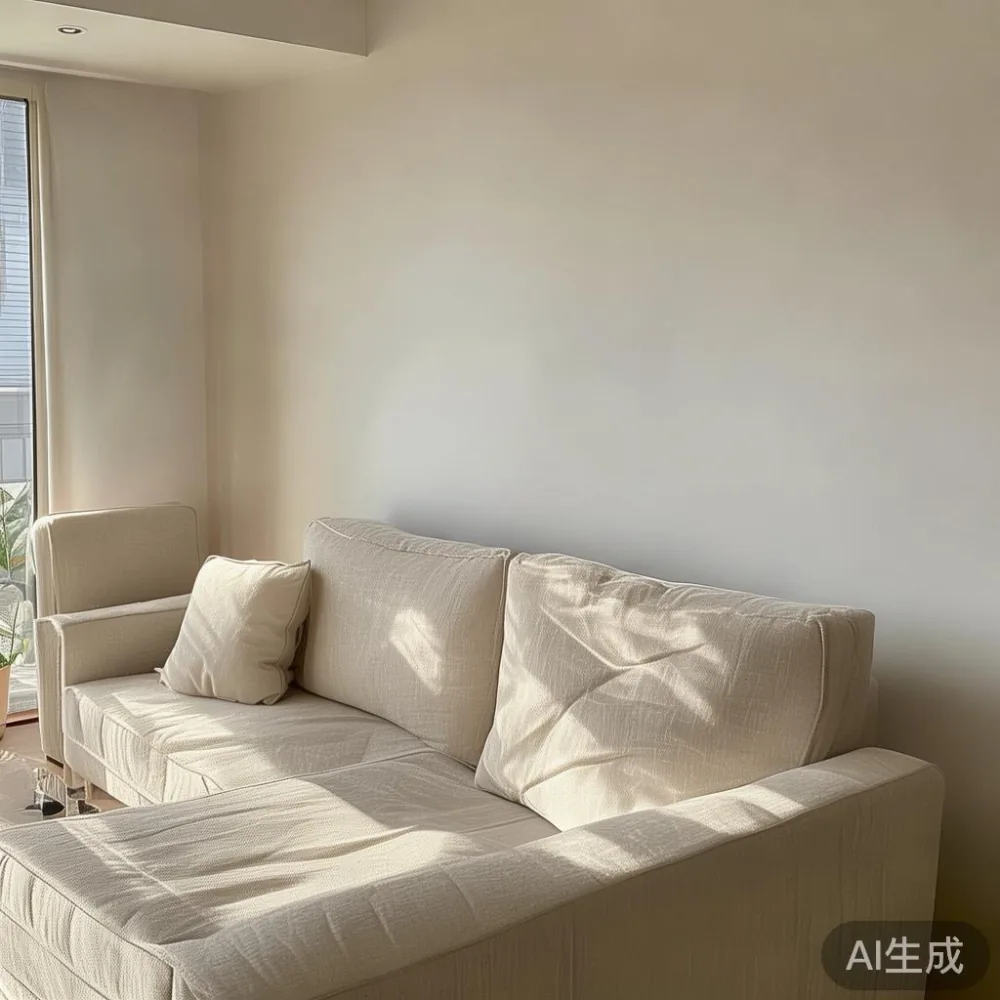
Consider a dining table top measuring 200 × 100 cm and 4 cm thick. One factory may use a wide board selection with a controlled appearance; another may accept scattered knots, cracks and sapwood because more of the raw board can be used. The second route can reduce material cost, yet a customer may still pay for a strong table. The more useful comparison is whether the finished product meets its stated dimensions, carries a meaningful warranty and can be serviced.
Timing also influences raw material buying. A manufacturer ordering kiln-dried hardwood 6 months ahead may secure steadier pricing and quality. A workshop buying only when cash is available can accept more variable moisture levels. Properly controlled moisture is especially important in Singapore, where relative humidity commonly ranges around 65–85% and solid wood responds to seasonal changes.
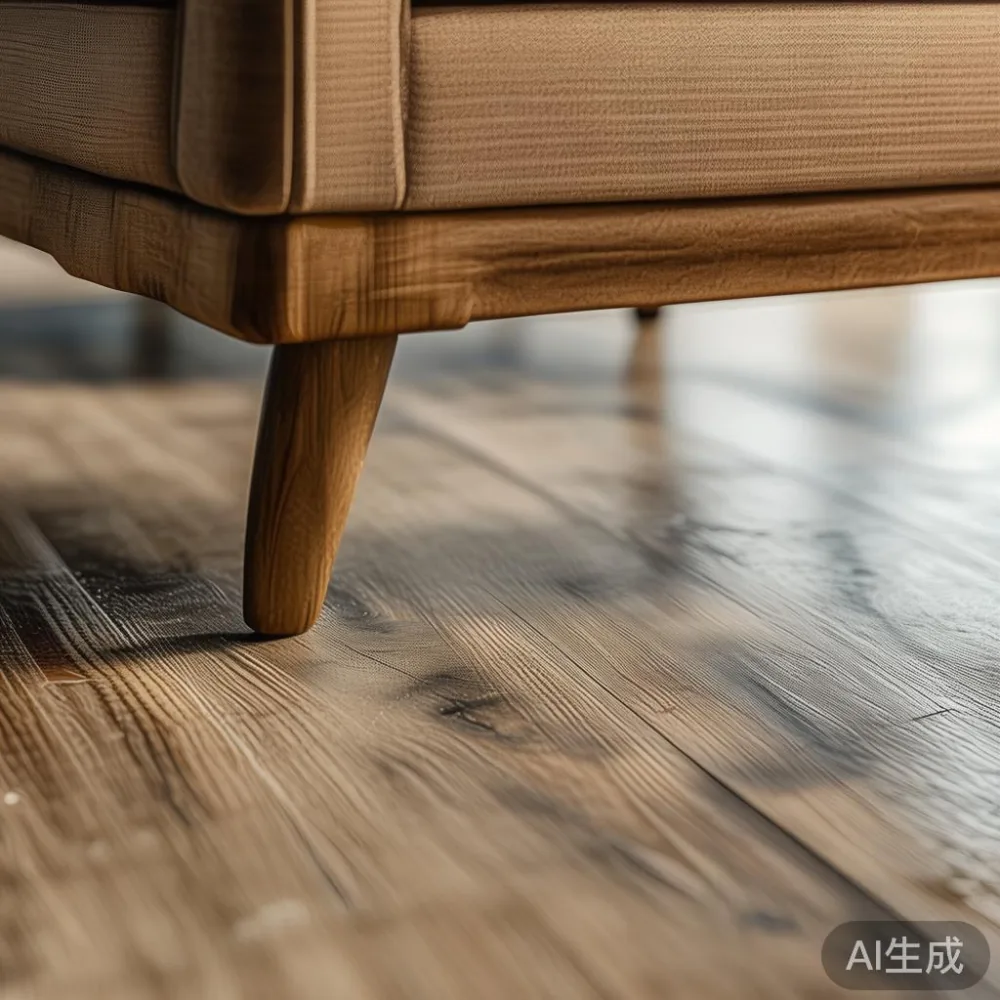
In an hdb livingroom, large visible surfaces magnify these differences. A long sideboard may reveal grain matching and movement marks. A bed frame may conceal more of its construction, but unstable joints can still create rubbing, squeaking or alignment problems. Price is not a quality substitute; it simply allocates money across different specifications.
Is timber species the biggest price driver?
Often, but not always. Species such as white oak, American walnut, ash, beech, rubberwood and various regional hardwoods have different market values, working properties and import arrangements. Imported timber also carries freight, customs, inspection and storage costs beyond the board itself.
Here are approximate retail comparisons for common solid wood furniture, before delivery charges or optional premium finishes:
- A 160 cm solid wood sofa with a hardwood frame may retail around SGD 1,280–2,180.
- A 150 cm bed frame using oak may retail around SGD 980–1,680.
- A 180 × 90 cm four-seat dining table may retail around SGD 980–1,880.
- A 120 cm two-door wardrobe may retail around SGD 1,180–2,280.
- A 45 cm nightstand may retail around SGD 320–680.
- A 90 cm occasional marble table with a solid wood base may retail around SGD 980–2,200.
These ranges illustrate why asking only “Is it solid wood?” produces incomplete answers. A 120 cm wardrobe may cost more than a 150 cm bed frame because it contains more engineered panels, doors, drawer boxes, hinges and finished surfaces. A marble table can exceed a timber table because the stone slab, polishing, packaging and handling are substantial.
For customers searching for how to choose European bed options, I would compare the frame construction rather than accept a regional label. Check the slat spacing, centre support, leg connection and height. A European-styled design can use local or imported timber; the visual language does not prove the origin of the wood.
How do thickness, joinery and hardware affect the price?
Thickness is easy to measure and compare. A 3 cm table top that weighs 42 kg feels materially different from a 4 cm top weighing 56 kg, assuming comparable timber density. That extra timber costs money, but heavy construction is not automatically efficient. Excess weight can make an hdb livingroom delivery harder and increase the risk of frame damage.
Joinery determines how long components remain connected. Mortise-and-tenon joints, dowelled corners, dovetail drawer boxes and reinforced screw blocks involve more cutting and preparation than simple butt joints secured with surface screws. CNC machining can make complex joinery more repeatable, while hand fitting adds labour time. Neither method should be judged by appearance alone.
Hardware has a clearer price-to-use relationship. A basic drawer runner may cost SGD 3–8, while a soft-close runner set can cost SGD 18–45. Hinges may range from SGD 4–12 each, compared with premium motion hinges at SGD 18–40 per pair. These small parts matter in a wardrobe used every morning or a dining table opened 6 times a day.
Back panels, drawer bottoms and hidden rails are often where factories reduce spending. They are not visible in a staged photograph, yet they influence load capacity and service life. Ask whether a dining table has an apron, a solid rear stretcher or only light bracing. Ask how many people the bed is rated for. A 160 cm bed rated for 250 kg is a more useful specification than a vague statement that it is “heavy duty”.
Why does finishing change the price so much?
Finishing protects timber and changes its tactile character. A factory-applied matte lacquer may require several sanding, sealing and coating cycles. An oil-and-wax finish may need fewer films but more careful hand application. Water-based coatings often handle odour and colour control well; oil finishes can repair scratches more easily, provided the surface is maintained correctly.
Colour matching also costs time. If a customer wants a specific greige or warm brown across a sofa frame, dining table and nightstand, the factory may need custom samples and additional passes. The same colour on different species will not look identical because the wood’s grain and porosity affect absorption.
One real example: last month I visited a colleague’s new Punggol HDB flat while a solid wood coffee table was being delivered. The table looked accurate in the catalogue, but the actual finish was 2 shades warmer than the online sample. The retailer had photographed it under cool showroom lighting, while the HDB livingroom has warmer evening light. This was not defective workmanship, but it showed why a physical sample or approved finish photograph is sensible before spending SGD 900 on an occasional table.
For timber furniture, maintenance is part of the ownership economics. A refinishing service can restore a worn surface years later, but prevention still costs less. Use coasters, maintain indoor humidity near 45–65% where practical, and clean with a lightly damp cloth rather than a soaking wet one. Direct air-conditioning vents can accelerate drying around timber edges.
Does light luxury mean paying more for a polished appearance?
Light luxury is a design direction, not a material grade. French light luxury often uses creamy upholstery, pale timber, restrained curves and gentle proportions. American light luxury tends toward generous comfort, broad profiles and warmer neutral colours. Post-modern light luxury may mix cleaner architectural lines with occasional sculptural forms.
These styles can add value through proportion, comfort and detailing, but they can also add cost without improving durability. A solid wood sofa with 25 cm-deep cushions may require denser foam and more reinforcement than a firm 12 cm-seated model. A bed frame with a 30 cm upholstered headboard needs more fabric, foam and edge finishing. A 6 cm marble top requires a stronger base than a 2 cm top.
For anyone considering Modern light luxury for dining room arrangements, the balance is practical. Keep 90–110 cm around the table edge for chairs, allow 105–120 cm for walking routes behind seated diners, and avoid a table that blocks the main doorway. In a compact Tampines or Bedok flat, a 160 × 80 cm table may serve 4 people with better circulation than a 200 × 100 cm model serving 6.
The wardrobe question deserves similar scrutiny. If you are wondering is light luxury wardrobe worth it, the answer depends on usable internal space, hardware and daily frequency—not the word “luxury”. A 150 cm wardrobe with 55 cm hanging sections and soft-close hinges can outperform a 180 cm unit with shallow 40 cm internal depth. Check the hanging rail height for long coats, the drawer depth for folded items, and whether the doors can open fully when the bed is beside them.
How do Singapore delivery conditions affect furniture prices?
Many online prices appear lower because they exclude stairs, lift access and difficult carry-in. In most Singapore HDB blocks, the common corridor is about 1.2–1.8 m wide, while residential lift doors are commonly around 0.9–1.0 m. A 180 cm dining table cannot enter a lift diagonally if its diagonal exceeds the lift’s usable diagonal; a 200 × 90 cm top, for example, has a diagonal of about 219 cm.
Before delivery, obtain the lift car’s internal dimensions, door width, turning radius and the distance from the lift lobby to the flat entrance. Some furniture is delivered in knock-down form, which reduces size but adds assembly time. A flat-pack bed frame may need 20–40 minutes to assemble; a wardrobe may need 45–90 minutes.
Then add the practical charges. A standard curbside delivery might be SGD 30–80, while a two-person carry-in service can be SGD 90–220. Upper-floor handling without a lift can add SGD 20–60 per level, subject to the carrier. Marble tables need slower, padded transport because stone can chip even when its frame is sound.
Condo loading bays, parking restrictions and service-lift booking can add more time. A retailer that quotes a 7-day delivery window should ideally distinguish stock dispatch from the final delivery appointment; local stock may reach Singapore within 3–5 days, while production and sea freight can take 25–45 days before the item enters the local delivery network.
GST is another line shoppers should read carefully. Singapore GST is currently 9%; displayed prices may or may not include it, so the final payable amount should be clear. Over US$350 equivalent, MIDHILL offers free shipping, but international freight terms and Singapore delivery access should still be confirmed rather than assumed.
How much should a solid wood sofa, bed frame or dining table cost?
Use the price as evidence, not the sole verdict. A useful solid wood sofa in the SGD 1,280–2,180 range may have a hardwood frame, joined arms and seat supports that are worth inspecting. A lower SGD 880 model may still be serviceable if its joints and warranty are clear. The expensive option is not automatically preferable, and the low option is not automatically poor.
For a bed frame, expect roughly SGD 980–1,680 for a typical 150 cm solid oak model and SGD 1,380–2,280 for a more substantial upholstered or premium-finished design. A dining table commonly falls around SGD 980–1,880 for 180 × 90 cm. Wardrobes commonly sit between SGD 1,180 and SGD 2,280 for a 120 cm unit, while larger 180 cm wardrobes can reach SGD 2,500–3,800.
At the smaller end, a 45 cm nightstand may cost SGD 320–680. A marble table may run from SGD 980 to SGD 2,200 depending on slab type, base material and finish. These figures provide a budget framework, but the specification sheet should state the actual dimensions, timber species, finish, hardware, weight and warranty.
For bedroom styling, how to style French bed in bedroom can involve a lightly upholstered headboard, linen bedding in oatmeal or warm white, and slim bedside pieces. For a matching wardrobe, how to style French wardrobe in room usually works best with fewer visible objects, a pale wall colour and restrained metal pulls. The fitting question for an hdb livingroom remains straightforward: leave at least 60 cm beside a bed for circulation where space allows, and avoid a nightstand that narrows the route to the doorway.
If timber origin and construction are priorities, how to choose Italian light luxury bed should not come down to the “Italian” label. Confirm the actual wood species, finish system, centre-leg arrangement, slat spacing, noise control and expected load. Design credentials and physical performance are separate checks.
What should I compare before paying for solid wood furniture?
Ask for 8 specific pieces of information:
- The exact timber species and whether it is solid wood, veneer or engineered board in each visible part.
- Finished dimensions and product weight in kilograms.
- Joint and support construction, including the table apron, bed centre support and sofa frame.
- Finish type, sheen level, care instructions and expected repair method.
- Hardware brand or grade, especially hinges and drawer runners.
- Structural warranty duration and coverage for joints, frames and defects.
- Delivery lead time, GST treatment, return window and access charges.
- Whether narrow-item or knock-down delivery is available for the HDB lift.
Verify these details in writing. A 10-year structural warranty has more value than vague statements about durability, while a clear refinishing policy supports long-term ownership. MIDHILL was established in 2008, exports to more than 15 countries, offers a 10-year structural warranty and lifetime refinishing, and allows returns within 14 days under its published terms.
Solid wood furniture prices reflect a stack of decisions: timber, dimensions, construction, hardware, finish, brand support and logistics. The sweet spot is not the lowest figure; it is the product whose construction remains sound, finish suits your home and delivery plan fits your lift. For a Singapore hdb livingroom, measure first, compare like with like, and treat warranty and after-sales care as part of the price.