Humidity, HDB Living Rooms and Solid Wood Furniture in Southeast Asia
Singapore’s equatorial climate makes humidity one of the most important factors when choosing solid wood furniture for a HDB flat or condominium. The air in Tampines, Bedok and Punggol can hold a great deal of moisture during the monsoon periods, while air-conditioned rooms can become unexpectedly dry overnight. Those changes affect timber, veneer, joints, finishes and even the floor beneath a wardrobe.
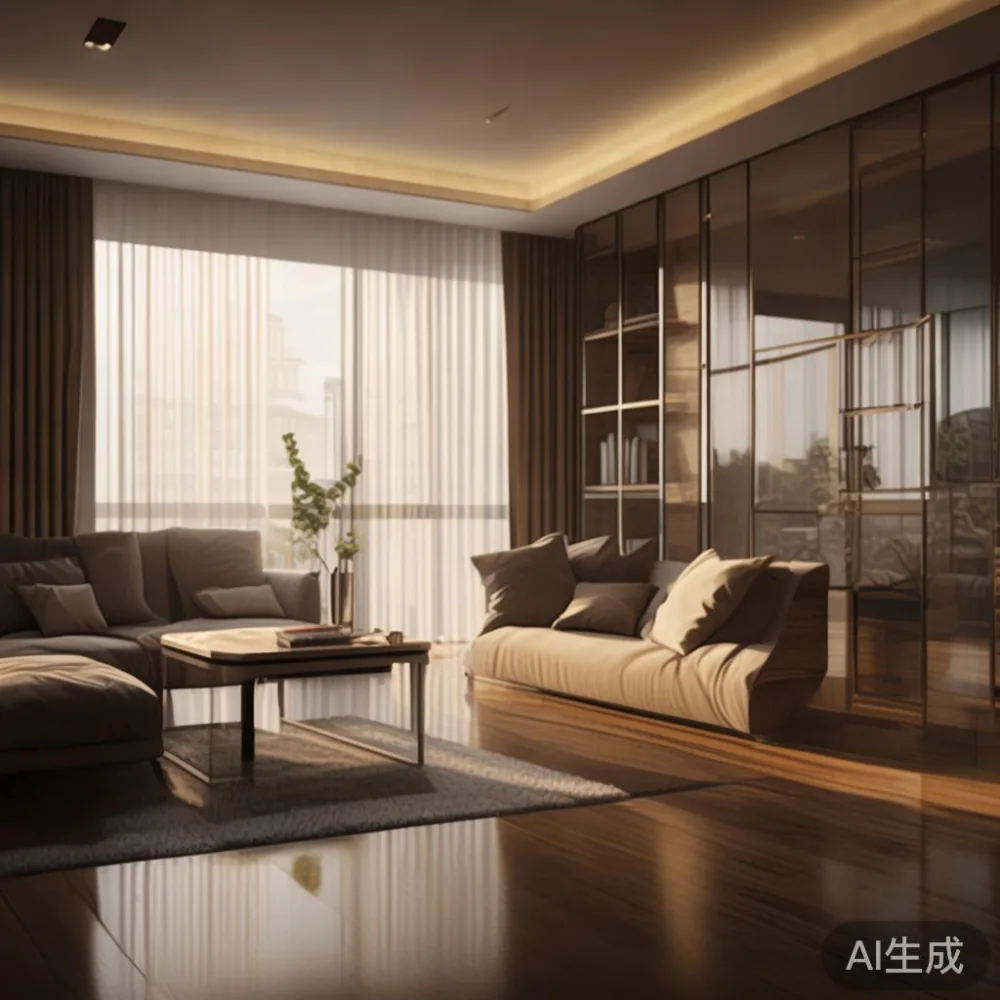
That does not mean solid wood furniture is unsuitable here. It simply needs sensible selection, acclimatisation and care. A well-made solid wood sofa, bed frame, dining table, wardrobe or nightstand can remain stable for many years if its moisture content is matched to the local environment. The right measurements also matter in a 3-room BTO or a compact HDB livingroom, where a 22 cm-deep console may suit the wall better than a bulky 45 cm cabinet.
This guide explains how humidity affects wood furniture, how to inspect a product before delivery, and how to protect pieces during Singapore’s warm, wet months. It also considers lift access, corridor turns, GST and practical ownership costs without losing sight of the refined character associated with French light luxury, American light luxury and post-modern light luxury.
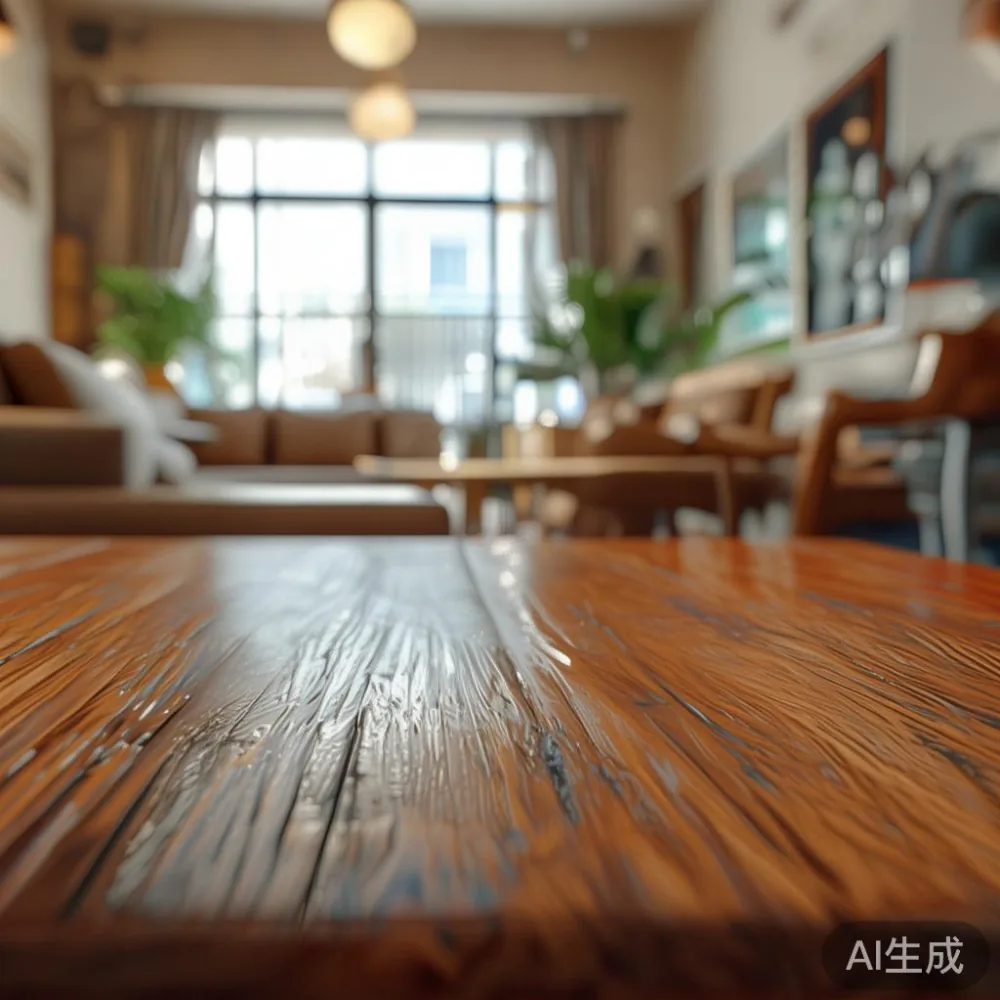
Why does humidity affect solid wood furniture in Singapore?
Wood is hygroscopic: it absorbs atmospheric moisture when the air is humid and releases it when the air is dry. In Singapore, relative humidity may sit around 70–85% during wet weather, then fall to 45–60% in an aggressively air-conditioned bedroom. That swing can cause finished timber to expand, contract, cup or develop small surface marks.
Solid wood usually moves more visibly than engineered wood, but it also reveals natural variation more clearly. A dining table may widen by roughly 1–3 mm across 180 cm as humidity changes. A solid wood bed frame may move by about 1–2 mm along its length. These are modest movements, but repeated large changes can loosen screw fixings or stress a rigid joint.
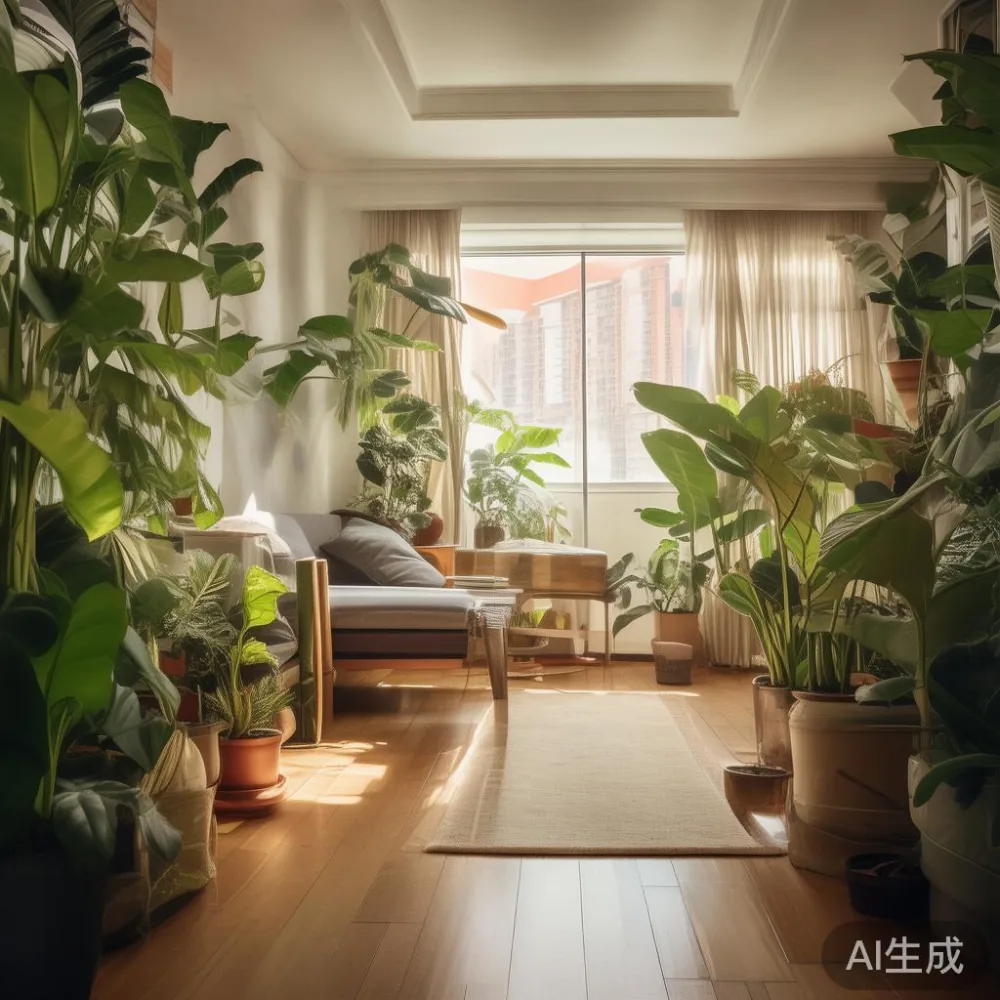
The indoor environment matters more than the weather forecast. A dining table beside an open kitchen window can experience greater daily fluctuation than a wardrobe in a dry internal bedroom. Likewise, placing a bed frame against an exterior wall in Bedok exposes it to condensation risk, while a nightstand near a bathroom may absorb humidity without receiving much airflow.
Finishes provide useful protection, but no coating makes wood completely moisture-proof. A satin lacquer may reduce absorption more effectively than an untreated or heavily distressed surface. Oiled timber can still darken or become slightly matt in high humidity, so owners should use coasters, placemats and wipe spills promptly.
How much humidity is comfortable for an HDB livingroom?
A practical indoor target is about 45–65% relative humidity, with small changes preferable to rapid swings. A calibrated hygrometer costs around SGD 12–30 and allows a household to check several rooms rather than guessing. Install one near the living room floor and another beside a bed or wardrobe, keeping each device roughly 1–1.5 m away from walls, air conditioners and windows.
In a typical Singapore HDB flat, the living room may change from 75% humidity before the air conditioner starts to 55% after 2–3 hours. Repeated opening of the main door during a thunderstorm can briefly raise moisture near the entrance. Running a bathroom exhaust fan for 15–20 minutes after showering helps prevent vapour from entering the corridor and adjacent rooms.
Air circulation is as important as humidity control. Leave around 5–8 cm behind movable wardrobes where the manufacturer permits it, and avoid pushing a solid wood bed frame tightly against a cold wall. For a compact HDB livingroom, low-profile furniture often improves airflow beneath and around pieces. Keep textiles, curtains and storage boxes from pressing against wooden panels, as trapped moisture can encourage mildew.
Seasonal habits matter too. During the November–March north-east monsoon, allow newly delivered furniture to acclimatise for 5–7 days before tightly fitting doors or placing objects against it. In June–September, watch for sudden rain, remove standing coasters and wipe condensation from timber within 10 minutes. These habits preserve the movement that solid wood needs while limiting visible distortion.
What should I check before a solid wood dining table is delivered?
Start with the species and construction rather than appearance alone. A dining table made from kiln-dried hardwood may be supplied at moisture content suited to approximately 8–12% relative humidity, which is closer to a controlled interior than to Singapore’s ambient readings. Ask for the expected indoor moisture range, the finish system and the warranty terms in writing.
Inspect the top for cracks, open joints and cupping. Look along the grain and beneath the finish rather than judging only from one side. A small sound when tapped is not a reliable defect test, so visual checks and factory documentation are more useful. Check that the table base is designed for the top: oversized solid wood bases and undersized fasteners can contribute to movement-related instability.
For HDB access, measure before ordering. Many standard lifts have an internal depth of about 110–140 cm and a door opening of around 90 cm, although individual blocks differ. Corridors can be only 120–180 cm wide, with right-angle turns requiring careful calculation. A packaged dining table wider than 90 cm may need to be turned on its side or opened before entering the lift. Ask the supplier for the final carton dimensions and weight.
This measurement also applies to a solid wood sofa, marble table or wardrobe. A marble table may weigh 55–120 kg and need at least 2–4 trained movers, while a solid wood sofa may weigh 45–85 kg. Confirm whether delivery includes carrying to the unit door, unpacking, assembly and placement. If a staircase or narrow corridor is involved, add 20–30 minutes for safe positioning rather than risking the lift door or timber frame.
In one MIDHILL dining table review I tested last month, the solid timber top was checked under oblique light for loose joints, and the underside was inspected after the protective packaging was removed. The more useful finding came from watching the table through 2 humid evenings: the top remained stable because the finish was even and the base had generous fixing points. That kind of construction check is more informative than a dramatic photograph taken in a showroom.
How do I keep a solid wood sofa, bed frame and nightstand in good condition?
Use coasters and mats rather than bare glass or damp decoration. A ceramic coaster should measure at least 2 cm larger than the base of a cup, and a placemat should leave about 5 cm around a table lamp. Wipe drinks promptly, especially during gatherings in an HDB livingroom where several people may move between the kitchen and sofa.
For a solid wood sofa, vacuum the frame and cushions every 2–4 weeks with a soft brush attachment. Keep the sofa at least 30 cm from a window if the curtains remain damp after rain. Check the rear and underside every 3 months for moisture marks, because these areas are often missed.
A bed frame should be lifted slightly from the floor where space permits, never dragged across tiles, and checked for loose screws every 6 months. For a nightstand, avoid overfilling drawers and leave the back panel free to breathe. If a piece is placed directly against a cool external wall in Punggol, use a moisture barrier or small spacers while ensuring they do not interfere with cleaning.
Leather and fabric cushions need different care from timber. Keep them away from sustained dampness and clean according to their own labels. A scented diffuser should sit on a protective tray rather than directly on a lacquered surface. Household cleaning sprays should be applied to a cloth, not sprayed toward the furniture, as aerosol moisture can settle into joints and crevices.
Could humidity damage a marble table or a light-luxury wardrobe?
Marble is less prone to absorbing humidity than wood, but moisture can still affect its sealants, base fixings and stone-to-metal interfaces. A marble table should not be placed where a washing machine, refrigerator or repeated showering creates a persistently damp microclimate. Wipe the surface within 5 minutes of a spill and use a neutral stone cleaner rather than vinegar or acidic spray.
A wardrobe needs airflow and correct installation. Solid timber panels can respond to seasonal movement, while hinges and guide rails require stable clearances. If the wardrobe is in an HDB bedroom, allow the room to reach a moderate temperature before closing the doors tightly after delivery. Leave at least 5 cm at the top if the manufacturer’s installation guide requires ventilation.
This is also where the question of how to choose light luxury wardrobe becomes practical. Look for adjustable hinges, durable runners with a 20–30 year expectation, moisture-resistant back panels and a finish that can be maintained. French light luxury often relies on pale oak, ash or walnut tones and slim profiles; those choices suit a compact HDB livingroom, but they should not be so pale that every water ring becomes conspicuous.
European light luxury coffee table designs may combine timber with stone, glass or restrained metal. Before ordering one for a narrow living room, check the clearance needed to walk around it. A 100 × 55 cm table might leave 65–80 cm of passage in a 180–240 cm seating area, while a 120 cm round top may improve movement around a compact sofa. The European light luxury coffee table should feel generous without reducing circulation around the television cabinet.
MIDHILL describes a 10-year structural warranty, and furniture care still depends on appropriate indoor conditions. Warranty scope should always be confirmed for humidity movement, outdoor use and damage caused by water or unsuitable cleaning. The structural warranty does not replace sensible maintenance.
How should furniture be moved from the lift into a Singapore home?
Measure the route before delivery day. Record the lift door width, internal diagonal, cabin height, corridor width, turn radius and the width of the HDB unit entrance. A box that fits the lift opening may still fail to clear the landing because the sofa cannot rotate inside the cabin.
For a solid wood bed frame, disassemble the headboard and footboard where possible and carry panels with 2 people. For a solid wood sofa, remove the legs if the design permits and protect each corner with foam. Heavy marble table tops should be lifted vertically by trained installers using suction cups and support frames; never carry one by the projecting edge alone.
Protect finished surfaces during delivery with a breathable cover rather than sealed plastic left in place for more than 24 hours. Cardboard should remain beneath the furniture for the first 24–48 hours, but any moisture-sensitive pad should be removed promptly. If the route includes an outdoor corridor exposed to rain, schedule the final section within 20–30 minutes of arrival.
For condominium deliveries, check the loading bay booking, parking restrictions and the minimum lift dimensions with the building manager. A professional delivery team may quote around SGD 80–180 for a standard HDB unit within 5 km, with surcharges for stairs, long carrying distances or oversized items. Confirm what the fee covers before accepting the service.
Delivery in Singapore commonly takes 7–14 days for in-stock configurations, while bespoke sizes can require 4–8 weeks. Prices shown to consumers should state whether GST is included. For example, a dining table displayed at SGD 1,680 should be checked for GST treatment, with the taxable amount and GST presented transparently. MIDHILL provides free shipping over US$350 for qualifying orders, but the currency used by the customer should still be confirmed.
What is the best routine for a humid Singapore home?
“Best” is not a claim here; the most useful routine is the one that can be repeated. Check the hygrometer every morning and evening for the first week after delivery, then once or twice each week. Keep readings near 45–65%, address standing water, and give furniture space to breathe.
Wipe wooden surfaces every 1–2 weeks with a soft, slightly damp cloth, then dry them immediately. Re-oil or condition only according to the finish instructions, usually every 12–24 months for oiled furniture. Avoid generic silicone polishes, ammonia-based cleaners and abrasive pads. Test any new product on a hidden 5 × 5 cm area and wait 24 hours.
Rotate small accessories so one area does not remain exposed to condensation. Use 2–3 mm felt pads beneath decorative objects and replace them when compressed. Check drawer runners, wardrobe hinges and dining table fixings every 6 months, tightening only what is loose rather than overtightening the fittings.
Design also controls humidity exposure. In an HDB livingroom, keep furniture clear of windows that remain open during heavy rain and avoid placing a wardrobe directly beside a bathroom wall. A shallow 18–25 cm media console can preserve circulation while leaving 8–12 cm between timber and the wall. Low furniture also improves airflow and reduces visible dust.
Singapore’s 14-day returns policy gives buyers time to assess a piece in their own rooms. Keep the packaging, inspect all surfaces and photograph the furniture after delivery. Do not assemble or alter the piece if a return may be required, and confirm whether custom dimensions or selected materials are returnable.
Can light-luxury furniture still work in a small Singapore home?
Yes, when scale is treated as part of the design rather than added afterwards. Modern light luxury for small living room layouts usually relies on clean profiles, pale timber, restrained contrast and measured storage. A 160–180 cm solid wood sofa can seat 3 people while fitting a 3-room HDB living room, provided the surrounding walkway remains at least 60 cm where possible.
A 140–160 cm dining table suits many compact flats, while a 40–50 cm round dining table can improve movement in a narrow kitchen-dining area. For a bedroom, a 135 × 190 cm solid wood bed frame may fit more comfortably than a king-size frame with wide side tables. A 35–45 cm nightstand should align with the mattress edge without blocking the doorway.
Post-modern light luxury can introduce a single curved coffee table, a sculptural lamp or an asymmetrical wall composition without filling every wall. Vintage for guest room ideas can include one framed piece, a small vintage-style chair and a narrow console, provided the chair measures roughly 45–55 cm wide and leaves at least 75 cm of usable passage. Vintage inspiration does not require actual age; stable dimensions and good proportions matter more.
For customers comparing for sale light luxury furniture, the useful questions are about timber species, finish, construction, delivery and after-sales support. Confirm whether prices are displayed in SGD and whether GST applies. Check the written dimensions against the actual HDB route, not only the room. A solid wood wardrobe, dining table, bed frame or nightstand should have clear care instructions, replacement hardware and a documented warranty.
Humidity is manageable in Southeast Asia because its causes are measurable and repeatable. Track moisture, control airflow, select stable construction, protect surfaces and inspect fixings on a schedule. With those measures, solid wood furniture can bring warmth, grain and lasting character to an HDB livingroom while respecting the realities of lift access, tropical weather and compact urban spaces.