Veneer vs Solid Wood: A 5-Year Cost Comparison for HDB Living Rooms
Choosing furniture for an HDB flat in Tampines, Bedok, or Punggol is rarely a question of appearance alone. A sofa must pass through the lift and turn along the corridor, a dining table must work within a compact kitchen-dining zone, and a wardrobe must fit a bedroom without making daily movement feel restricted. Price matters too, but the more useful comparison is the total amount paid over 5 years.
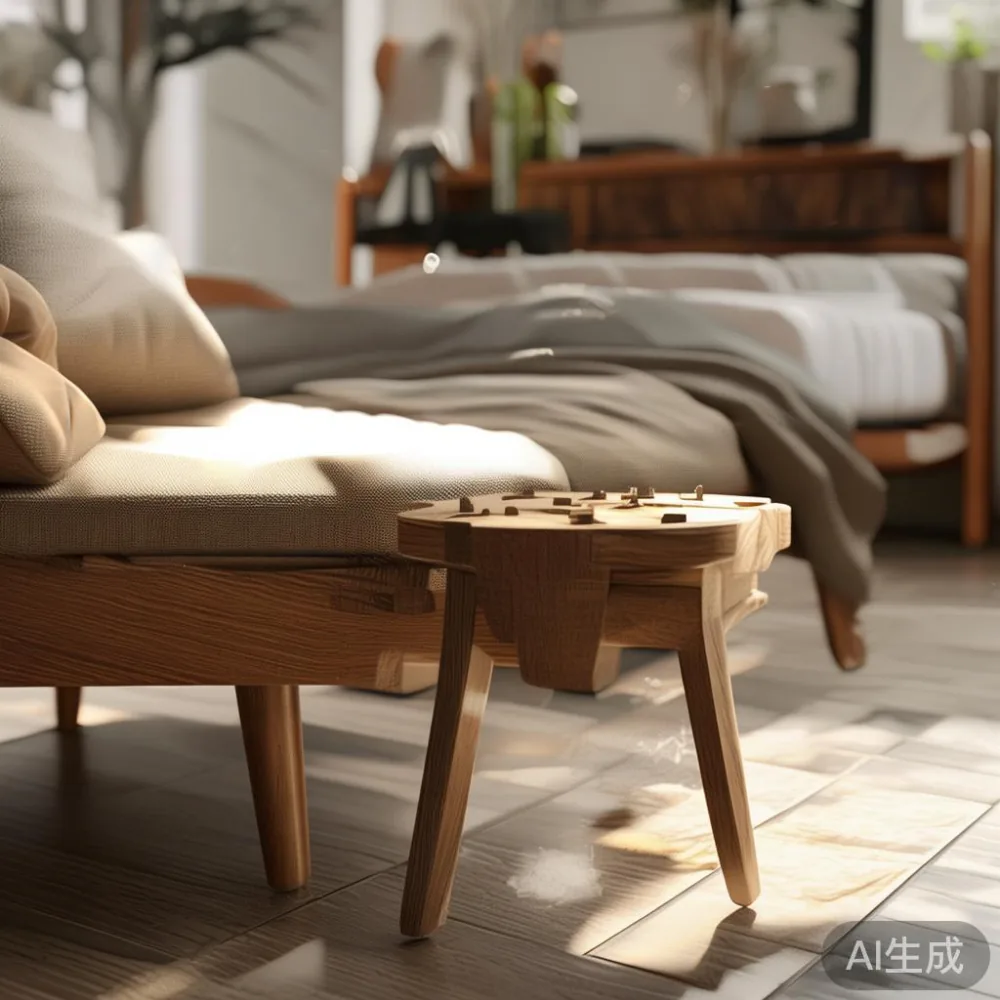
This comparison examines veneer and solid wood across a typical hdb livingroom setup: one solid wood sofa, one bed frame, one dining table, one wardrobe, one nightstand, and one marble table. The figures below use realistic Singapore retail assumptions, including GST, delivery within Singapore, and expected maintenance. They are planning estimates rather than quotations, because timber species, dimensions, finishes, and promotion dates all affect the final invoice.
MIDHILL produces solid wood furniture for homes with tight access and varied layouts, including projects in Singapore. Its 10-year structural warranty, lifetime refinishing service, 14-day return window, and free shipping on orders over US$350 give buyers useful reference points when comparing lifetime expense. Singapore customers will still see prices in SGD on local orders.
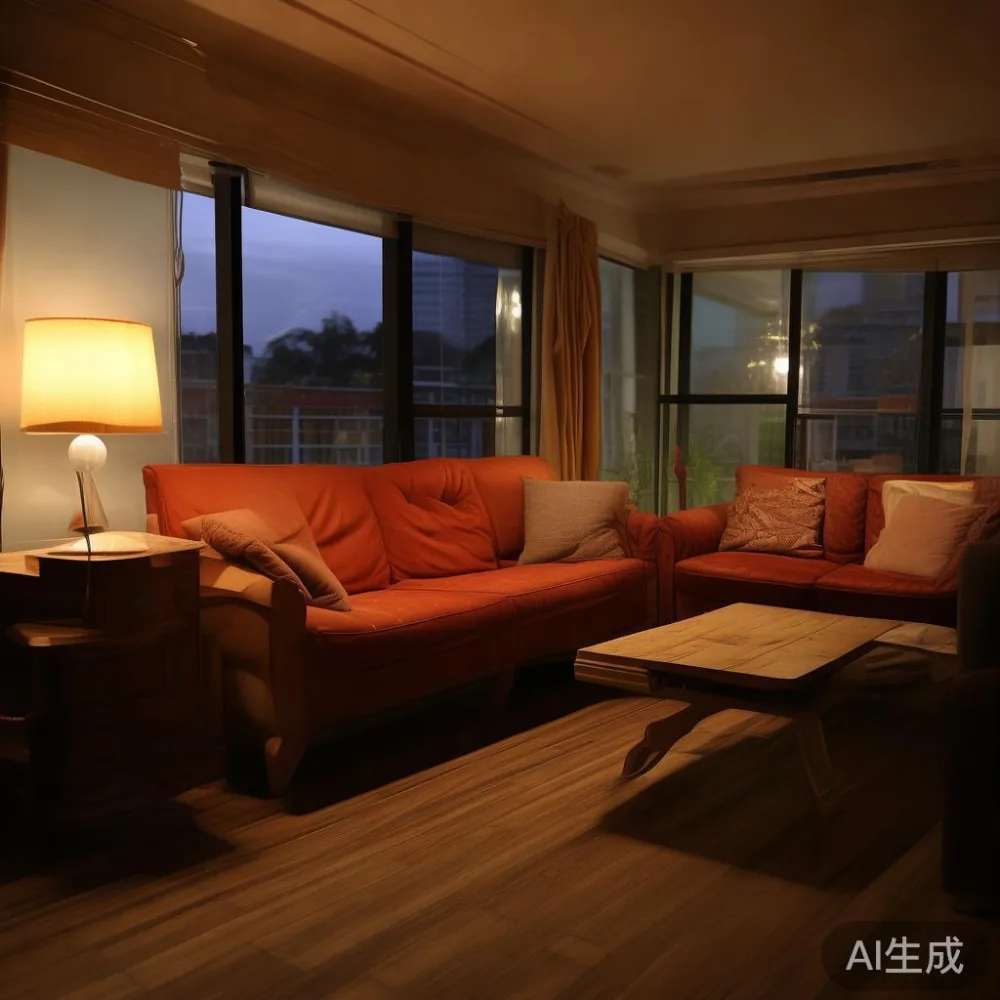
What exactly are we comparing over 5 years?
Veneer furniture uses a thin layer of real timber, commonly 0.6 mm to 1.2 mm, bonded to a engineered board or stable core. Solid wood furniture uses solid timber components, although not every visible surface in a mixed product may be solid. For a fair comparison, the examples assume imported hardwood such as oak, ash, or rubberwood for the solid-wood option, plus selected veneers for the lower-cost alternative.
The calculation includes:
- Purchase price: furniture and GST at 9%.
- Delivery and carrying: standard Singapore delivery, with lift or corridor access recorded as a risk factor.
- Repair and maintenance: a 5-year allowance based on expected use rather than a promise that damage will occur.
- Replacement cost: the remaining use-value of each item at the end of year 5.
- Refinishing: one planned refresh cycle for solid wood and, where applicable, veneer touch-ups.
The furniture set costs approximately SGD 8,200 for veneer and SGD 13,600 for equivalent solid wood. Over 5 years, the veneer set works out to roughly SGD 1,640 per year. The solid-wood set works out to roughly SGD 2,720 per year before any resale benefit is counted. That difference is the central finding: solid wood costs more initially, but part of the difference remains as retained value.
How much does a typical living-room set cost in Singapore?
The following example uses six common pieces in a 3-room or 4-room HDB flat. Dimensions are practical rather than oversized. A local showroom may display wider pieces that cannot be delivered easily, whereas these measurements align with common access requirements.
| Furniture | Example size | Estimated weight | Veneer with GST | Solid wood with GST |
|---|---|---|---|---|
| Solid wood sofa | 180 × 85 × 80 cm | 65 kg | SGD 1,980 | SGD 3,980 |
| Bed frame | 150 × 200 cm | 48 kg | SGD 1,180 | SGD 2,580 |
| Dining table | 140 × 80 × 75 cm | 42 kg | SGD 1,280 | SGD 2,480 |
| Wardrobe | 150 × 60 × 210 cm | 110 kg | SGD 1,760 | SGD 2,880 |
| Nightstand | 45 × 40 × 55 cm | 16 kg | SGD 420 | SGD 980 |
| Marble table | 100 × 55 × 38 cm | 35 kg | SGD 580 | SGD 700 |
| Total | — | 316 kg | SGD 7,200 | SGD 13,600 |
The slightly different totals shown in the opening example include delivery and small accessory variations. Buyers should compare like-for-like construction. A veneered carcass with solid-wood legs and drawer fronts is not equivalent to a fully solid-wood bed frame or wardrobe. Marketing language such as “solid wood” or “wood furniture” should be checked against the material specification for each component.
For smaller HDB living rooms, a modular approach can reduce upfront spending. A 160 cm sofa may cost SGD 1,600 in veneer and SGD 3,200 in solid wood. A dining table of 120 × 70 cm may cost SGD 980 or SGD 1,980 respectively. This reduction can preserve SGD 2,300 to SGD 4,000 of the initial budget while maintaining the same design direction.
Is a solid wood sofa cheaper to own than a veneered one?
No, not on a cash-cost basis. A comparable 3-seat solid wood sofa in this model costs SGD 3,980 including GST, compared with SGD 1,980 for the veneer version. The solid-wood sofa also has more mass—about 65 kg versus 48 kg—which matters in older HDB blocks with lift openings near 80 cm and narrow common corridors.
Over 5 years, assume the veneer sofa needs one fabric replacement costing SGD 350 and minor frame servicing costing SGD 120. The solid-wood sofa may require one leg alignment and one surface touch-up costing SGD 180. If both remain usable, the total expenditure is SGD 2,450 for veneer and SGD 4,160 for solid wood. If the solid-wood sofa can be refinished and resold after 5 years, its retained value might be SGD 1,200 to SGD 1,600; the veneer sofa might retain SGD 500 to SGD 800.
That gives a net 5-year cost of about SGD 1,650 to SGD 1,950 for veneer and SGD 2,560 to SGD 2,960 for solid wood. If a buyer changes upholstery every 3 years regardless of condition, the veneer figure rises sharply. The comparison also changes when a sofa must be moved repeatedly because of HDB renovation or a lease change.
Design can narrow the gap. Searches for American sofa vs Nordic sofa often compare deep American seating with lighter Nordic profiles, but the construction method remains important. A compact, lightly padded solid-wood sofa can weigh 42 kg and cost less than a large engineered frame with premium fabric.
Does solid wood really cost more over 5 years?
For this six-piece set, the answer is usually no once retained value and avoided replacement work are included. The buyer pays about SGD 6,400 more at purchase. Estimated repairs add another SGD 580 to the solid-wood set, while veneer maintenance totals around SGD 1,290 over the same period. That is an operating-cost disadvantage of SGD 710 for veneer, but not enough to erase the purchase-price gap.
After deducting conservative resale values, the 5-year totals become approximately:
- Veneer: SGD 7,200 purchase + SGD 1,290 maintenance − SGD 800 retained value = about SGD 7,690.
- Solid wood: SGD 13,600 purchase + SGD 580 maintenance − SGD 1,400 retained value = about SGD 12,780.
The solid-wood option therefore costs around SGD 5,090 more in this scenario. The annual difference is about SGD 1,018, or SGD 85 per month. A buyer who values the ability to sand, repair, and refinish a piece may accept that amount. A buyer who expects to replace the entire set after 4 years may not.
This is where the 10-year structural warranty and lifetime refinishing service become financially relevant, although coverage terms must be checked for Singapore orders. A 10-year warranty can reduce the risk of premature structural replacement; it does not cover every scratch, stain, or accidental impact. Lifetime refinishing can reduce the cost of restoring a solid-wood dining table, bed frame, or nightstand after ordinary wear.
For furniture used in the same HDB home for at least 8 years, solid wood has a stronger cost argument. For short-term rentals or frequent layout changes, veneer usually protects the initial budget better.
What happens in tight lifts and HDB corridors?
Access can erase savings before a piece reaches the living room. In many older Tampines and Bedok blocks, a standard sofa box can be 190 × 95 × 55 cm, while the lift door may measure only 80 to 90 cm wide and 200 to 210 cm high. A wardrobe delivered flat-packed and assembled inside the bedroom may be practical; a solid-wood wardrobe arriving as one 150 × 60 × 210 cm unit may be difficult to rotate through the corridor.
Last month, I visited a HDB renovation in Punggol and watched the delivery team remove a 140 cm dining top from its protective carton, measure the corridor turning point, and turn the table on its side. The corridor was 112 cm wide, the lift car measured 140 × 110 cm, and the lift opening was 82 cm. The solid-wood dining table weighed 42 kg. It passed, but only after the door was held open and the table was rotated diagonally.
The same visit showed why nominal dimensions are incomplete. One HDB livingroom project used a slim 45 cm nightstand so that a 70 cm passage remained beside the sofa. The marble table had a 100 × 55 cm top and weighed 35 kg. Two movers completed delivery in 25 minutes with protective blankets and no wall contact.
For delivery planning, request the packaged dimensions, not just the product dimensions. Allow at least 5 cm clearance around a lift opening, confirm whether the lift must be booked, and check whether the building charges for a moving slot. A lift reservation from 9 am to 1 pm can prevent a failed delivery, while corridor padding costing SGD 20 to SGD 60 can protect both the furniture and the building.
Which option fits different HDB households?
For a first HDB flat with two occupants and a total furniture budget below SGD 5,000, veneer is often the practical choice. Spend about SGD 1,600 on a 160 cm sofa, SGD 980 on a compact dining table, SGD 1,100 on a flat-pack bed frame, and SGD 720 on a wardrobe and nightstand. This leaves approximately SGD 600 for delivery, curtains, and a floor lamp.
For a family keeping the same flat for 8 to 10 years, solid wood may offer better continuity. A family using one bed frame daily, a dining table 5 times a week, and a sofa every evening creates predictable wear. Refinishing can restore surfaces instead of replacing entire units. The initial cost is harder to absorb, so the purchase may be staged: solid-wood sofa and dining table first, then a solid-wood bed frame and wardrobe later.
Condo owners have more freedom over dimensions and moving costs. However, a modern Italian light luxury furniture direction still needs careful scale. A large marble table can overwhelm an 8 × 4 m living area once circulation space is included. For a 9 m² dining zone, a 140 × 80 cm table with 60 cm clearance on each long side is more comfortable.
Search terms such as Modern for dining room and European light luxury dining table can surface useful design references, but material specifications should be checked directly. A European light luxury dining table may use solid oak, ash, or a veneer over a stable core; the photo alone cannot confirm which.
Buyers looking into cheap Modern light luxury furniture should compare the full specification, including drawer boxes, joints, back panels, and finish layers. A lower ticket price does not guarantee lower 5-year cost if a wardrobe needs new hardware or a dining table cannot be refinished.
How should you compare finishes, joints, and maintenance?
Compare solid wood against veneer by examining components, not broad labels. A solid-wood wardrobe should identify the material used for side panels, shelves, rails, back panels, and drawer boxes. Veneer should disclose its veneer thickness and core material. A product combining both is often acceptable, provided the construction suits the price and intended use.
Finish care changes the maintenance estimate. Water-based matte finishes can be wiped with a damp cloth, while oiled surfaces may need re-oiling every 12 to 24 months. Use coasters and trivets on a marble table, even if it has a protective seal. Keep a solid-wood dining table away from radiators and air-conditioning outlets, where low humidity can cause movement cracks of roughly 1 to 3 mm.
For a 5-year plan, set aside these annual amounts:
- Solid-wood dining table: SGD 100 for oil or wax and minor treatment.
- Solid-wood sofa frame: SGD 60 for joint inspection and surface care.
- Bed frame: SGD 50 for hinge, slat, and fastener checks.
- Wardrobe: SGD 80 for hinge adjustment and internal cleaning.
- Marble table: SGD 50 for sealing and stain prevention.
These are practical allowances, not scheduled repairs. Record purchase invoices, warranty documents, and care instructions in a shared folder. For a MIDHILL sofa, keep the frame and finish details as well as upholstery care guidance, because fabric type affects cleaning more than the timber frame does.
Style references can help define a coherent room. French light luxury often uses pale timber, curved profiles, and upholstered seating; American light luxury favours generous comfort and substantial visual lines; post-modern light luxury combines clean geometry with restrained material contrast. The top 10 Post-modern furniture list is useful for shape exploration, but a low credenza or marble table still needs to match the sofa’s scale.
What would a sensible 5-year buying strategy look like?
Start with the two pieces used most often: the sofa and dining table. If the household expects to remain in the flat for at least 6 years, choose solid wood for those pieces and verify the refinishing terms. For less-used items, a well-built veneer wardrobe or nightstand can remain economical.
Measure the route before ordering. Record the lift opening, lift depth, corridor width, staircase turning space, and bedroom door width. For a lift-based move, compare the packaged diagonal with the usable door diagonal. If the route is tight, choose knock-down or modular construction; a lighter solid-wood design can be easier to handle than a heavy veneer unit with a rigid frame.
Ask for GST-inclusive pricing and the expected delivery lead time. Standard Singapore delivery may take 7 to 14 calendar days, while custom dimensions can take 30 to 60 days. A 14-day return window provides little comfort if a made-to-measure wardrobe takes 45 days to produce, so confirm when the return period begins.
MIDHILL’s free shipping threshold is stated as US$350, so Singapore buyers should check whether it applies to their destination and quotation. Do not convert a threshold into an assumed SGD saving without confirmation. The 5-year decision should rest on the actual landed price, access conditions, warranty coverage, refinishing scope, and expected resale value.
Solid wood usually costs more over 5 years in this model, but it creates a different ownership profile: heavier pieces, greater repairability, and stronger potential value at year 5. Veneer usually costs less at the start and can be replaced more readily. For a long-term HDB livingroom, the practical compromise is often solid wood where daily use is concentrated and carefully specified veneer where budget flexibility matters more.