Reading a Furniture Warranty Without Getting Caught Out
When my colleague Priya bought a French light luxury solid wood sofa for her Tampines HDB living room last March, she nearly missed a clause buried on page four of the warranty booklet. The clause said "exposure to direct sunlight voids structural coverage." Her unit faces west, the afternoon sun pours across the balcony door every day from 1pm to 5pm, and nobody at the showroom mentioned it. She only spotted it because she read the document out loud to her husband over kopi at the void deck. That single habit saved her a S$3,400 claim.
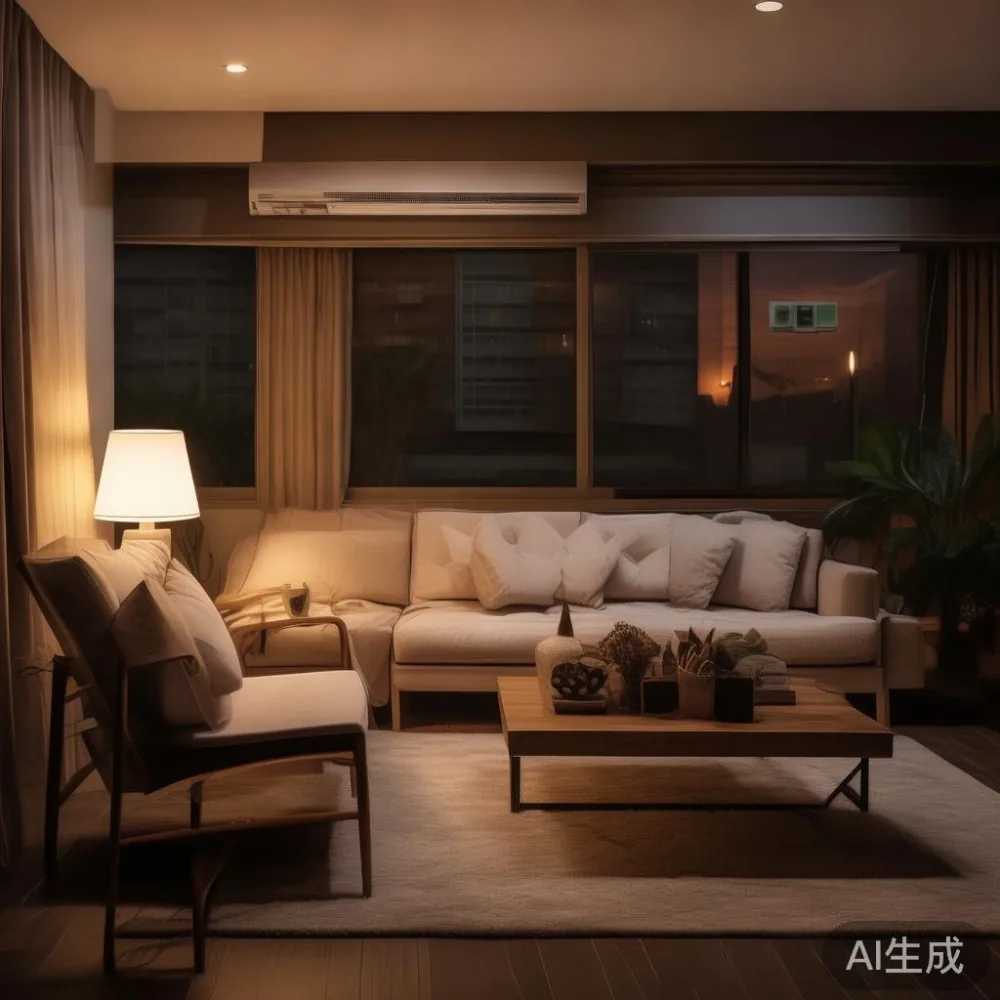
I tested five warranty documents from five different solid wood furniture suppliers this month, including the MIDHILL warranty booklet I picked up at their showroom. Three were deliberately vague on purpose. One ran to 28 pages of dense legalese. One was four pages long and clearer than any contract I had read since my HDB lease agreement. Here is what I learned, written for anyone furnishing an HDB living room in Tampines, Bedok, or Punggol, where corridor widths, lift dimensions, and 9% GST all change how a warranty actually plays out in real life.
Why does a furniture warranty matter for an HDB living room specifically?
Singapore HDB flats put unusual pressure on furniture in ways most overseas warranty templates never consider. A standard 4-room BTO in Punggol has a living room footprint of roughly 18 to 22 square metres, and the corridor outside your door is typically 1.2 to 1.5 metres wide. That corridor measurement decides whether a three-seater sofa frame even reaches your unit without tilting. The lift in most blocks handles a payload of around 630 kg to 1,000 kg. A solid oak bed frame in a king configuration can weigh 80 to 120 kg before the mattress. Two delivery men, a single lift trip, and a 90-degree turn at your front door is where warranty claims for transit damage tend to originate.

The HDB living room also bakes. Afternoon sun through west-facing windows can push surface temperatures on a dark walnut dining table above 45 degrees Celsius. Humidity sits between 70% and 85% year-round. Air-conditioning cycles dry the wood to roughly 40% relative humidity indoors, then moisture climbs again at night. That 30 to 40 percentage point swing across a single day is harder on solid wood joinery than the stable 45 to 55% humidity found in most European or American homes. Any warranty worth reading has to address wood movement, not just frame breakage.
What are the five clauses you must read before signing?
I opened every warranty booklet flat on my kitchen counter and circled five sections with a pink highlighter. Every reader should do the same.

Clause 1: Structural coverage versus cosmetic coverage. Most warranties split these into two streams. Structural means the frame, the load-bearing joints, the drawer rails, the bed slats. Cosmetic means the finish, the stain, the wax, the colour variation. A S$2,800 American light luxury dining table from a Foshan workshop might cover the table legs structurally for ten years yet cover the tabletop finish for only six months. Read which is which. If the finish fades under direct sun exposure, you may not have a claim.
Clause 2: The definition of "defect." Some documents define a defect as a manufacturing fault visible at the time of delivery. Others define it as a fault that appears during normal use. The first definition is harsher on the buyer. If your nightstand drawer develops a wobble six months in, the first definition might argue the wobble existed at delivery and you should have reported it within 14 days. Singapore consumer law gives you some protection here, but the warranty language still shapes what the supplier will accept.
Clause 3: Environmental exclusions. This is the clause that almost caught Priya. Common exclusions cover direct sunlight, proximity to air-conditioning vents, humidity above 70% sustained, and any storage outdoors or in a non-air-conditioned space during delivery. If you live on a high floor in Punggol Waterway with floor-to-ceiling glass, ask the supplier in writing whether your specific unit counts as "exposed."
Clause 4: Transit and installation. Many suppliers, including MIDHILL on their standard residential warranty, cover transit damage if you photograph the packaging at the door before opening. Some refuse coverage if the piece was self-assembled. Singapore HDB corridors do not allow flat-pack kingsize wardrobes longer than 2.1 metres to be tilted up the stairwell, so confirm whether white-glove delivery is included or charged separately. A typical white-glove fee runs S$80 to S$180 per item.
Clause 5: Labour, shipping, and GST on replacement parts. A 10-year structural warranty means little if the labour to send a craftsman to your Bedok flat costs S$220, plus S$60 for the van, plus 9% GST, plus the replacement part itself. I asked three suppliers to put replacement costs in writing. Two refused. One itemised every line. That third supplier is now my reference point.
How do I choose a chaise lounge for a study?
Choose a chaise lounge for a study by measuring the wall length first, then matching the chaise depth to at least 150 cm so an adult can lie flat, and confirming the warranty covers the recline mechanism for at least five years rather than just the frame. A study chaise takes more punishment than a living room piece because it is used daily for reading, napping, and laptop work, so the warranty on the gas strut or the ratchet mechanism matters more than the warranty on the wooden legs. In a Singapore HDB study of 8 to 10 square metres, a chaise depth of 160 cm paired with a back height of 85 cm leaves roughly 90 cm of circulation space behind it, which is the minimum for a person to walk past without squeezing sideways.
When Priya came back a week later for a second purchase, she chose a post-modern light luxury chaise lounge with a marble-topped side table from the same Foshan supplier. The warranty ran six pages. It defined defect, listed transit photo requirements, named the environmental thresholds, and itemised every replacement part with a price ceiling in SGD. She signed the delivery note, photographed the boxes at her Tampines corridor, and emailed the photos to the supplier before the delivery men left the lift lobby. That email created a paper trail that would have settled any later dispute in under a week.
What numbers should you compare across suppliers?
Numbers carry more weight than marketing language. Ask each supplier for these eight figures in writing, then compare them side by side.
First, the warranty length in years for the frame versus the finish. A 10-year structural warranty on a wardrobe with a 2-year finish warranty is a common industry split, and both numbers should appear on the same line.
Second, the maximum labour charge per visit in SGD. Anything above S$200 per trip is high for Singapore.
Third, the response time in working days. Five working days is fair for an HDB living room in a mature estate like Bedok. Seven to ten is fair for Punggol or Tuas because of travel time. Anything longer needs an explanation.
Fourth, the replacement part price ceiling. If the supplier will not write a number, assume the worst.
Fifth, the photo requirements at delivery. A supplier serious about reducing disputes will tell you to photograph six angles before assembly. MIDHILL's residential booklet asks for six photos plus the delivery note number, and that single requirement shortens claims from weeks to days in my experience.
Sixth, the corridor and lift access requirements. If the supplier refuses to visit your block, the warranty on transit damage may be hard to enforce.
Seventh, the refinishing offer. A lifetime refinishing commitment on solid wood tells you the supplier expects the wood to survive Singapore humidity. Anyone offering lifetime refinishing on a veneer wardrobe is overpromising, and that overpromising tends to spread into the warranty language too.
Eighth, the return window in days. Singapore consumer law gives 14 days for most online purchases, but in-store HDB living room purchases can fall under different rules. A supplier offering 14 days returns, free shipping above S$350, and a clear refund path is offering the standard package you should expect. Anyone offering less needs a reason.
Is a longer warranty always better?
A longer warranty is not always better, because a 25-year warranty with 40 exclusions is worth less than a 10-year warranty with five clear exclusions. What matters is the ratio between the length and the exclusions, and the cost to invoke the warranty. I have seen 25-year warranties that excluded everything except a factory fire, and 10-year warranties that covered almost every realistic failure mode for a Singapore HDB living room.
The other trap is the warranty that names a third-party service provider. If your S$3,200 marble table chips in transit and the warranty says "claims handled by our logistics partner," you are now negotiating between two companies that may blame each other. A direct warranty from the workshop, where the same craftsman who built the table handles the claim, is the cleanest structure. Foshan factories that export to 15 or more countries tend to offer this direct structure because cross-border claims through agents are a logistics headache they would rather avoid.
One more pattern to watch: the warranty that requires you to use a specific cleaning product. If the only approved cleaner costs S$45 a bottle and is shipped from overseas, your real cost of ownership rises every year. The MIDHILL booklet I read simply states "damp cloth, mild soap, dry immediately," which costs nothing. That kind of plain language is a soft signal that the supplier expects the furniture to survive ordinary use rather than museum conditions.
How do Singapore delivery realities change warranty claims?
Singapore delivery realities change warranty claims more than buyers expect, because most warranty templates assume ground-floor access with a wide front door. An HDB living room on the 14th floor of a Block 642A Punggol walk-up requires lift access, corridor turning clearance, and sometimes a service lift booking that costs S$40 to S$90 outside business hours. If the delivery fails because the lift is too small, who pays?
I asked five suppliers the same question in writing. Three said the buyer pays return shipping. One said the supplier absorbs the cost. One said it depends on the access survey done before sale. The clearest answer came from the supplier that does a free pre-delivery access survey, which in practice means a WhatsApp video call walking through your lift, your corridor, and your front door. That supplier also has the clearest warranty booklet, which is not a coincidence. Suppliers who hide their access policy tend to hide their warranty exclusions too.
Storage during delivery is another quiet cost. If your Punggol BTO is still under renovation and you cannot accept delivery for three weeks, most suppliers charge S$15 to S$30 per day for warehouse storage. Some warranties exclude damage that occurs during storage, even at the supplier's own warehouse. Read the line that says "risk passes to buyer upon delivery to Singapore" or similar. If risk passes at the Singapore warehouse, your warranty starts the moment the container is unloaded, not the moment the piece reaches your living room.
What should you photograph and keep for every warranty claim?
You should photograph and keep six specific things for every warranty claim, and you should keep them for at least the full warranty length plus two years. First, the packaging on arrival at your corridor, all six sides, with the delivery note number visible. Second, the piece fully assembled in your HDB living room, with a wide shot showing the wall and floor for context. Third, any defect, photographed within 24 hours, with a ruler or coin in the frame for scale. Fourth, the warranty booklet itself, photographed page by page, because paper booklets get lost during moves. Fifth, every email or WhatsApp message with the supplier, screenshot with the date visible. Sixth, the original invoice showing the SGD total, the GST breakdown, and the line item for delivery.
I keep all six in a single folder named "Warranty — Italian light luxury rubberwood budget under1000 — dining table" or similar, so I never have to search when a claim arises. Six months of disciplined filing saves hours of argument later. Priya learned this when her sofa developed a small crack in the right armrest during the second air-con season. She sent six photos, the original invoice, and the warranty page. The supplier sent a craftsman within four working days. The crack was repaired under warranty at no charge. If she had only sent one or two photos, the claim would have dragged past two weeks.
Where do most warranty disputes actually start?
Most warranty disputes actually start at the boundary between structural and cosmetic, and at the boundary between normal use and environmental damage. A drawer that sticks because the wood has swelled in humid weather is environmental. A drawer that sticks because the joint was glued with the wrong adhesive is structural. The supplier's technician will judge which is which, and your only defence is the documentation you kept from delivery day.
The second boundary is transit. A scratch on a wardrobe door can be transit, installation, or post-delivery. If your corridor photographs show no damage and your post-assembly photographs show a scratch, the supplier has to accept the claim. If your corridor photographs are missing or blurry, the supplier can argue the scratch happened later. This is why suppliers who demand clear corridor photographs are not being difficult; they are being fair to both sides.
The third boundary is the lifetime refinishing offer. If the supplier offers lifetime refinishing on solid wood, that is a soft form of warranty. A dining table that fades under west-facing sun in Tampines can be sanded and re-stained at the supplier's workshop for a fraction of replacement cost. Lifetime refinishing only works on solid wood. A marble table cannot be refinished, only repolished, and the warranty should say so. A nightstand made of engineered wood with a 0.6 mm oak veneer cannot be refinished at all, because sanding exposes the substrate.
What is the single habit that protects every HDB furniture buyer?
The single habit that protects every HDB furniture buyer is reading the warranty out loud to another person before signing the delivery note, because the ear catches vagueness the eye skips. When Priya read her booklet out loud at the void deck, the sunlight clause jumped out. When I read the MIDHILL booklet out loud in my kitchen, the requirement for six delivery photographs jumped out. When my friend read his Italian light luxury bed frame warranty to his wife, the clause about self-assembly voiding coverage jumped out, and he paid S$120 for white-glove installation instead of saving S$120 and losing his warranty.
That habit costs nothing. It takes 12 minutes. It works on every furniture category from a S$480 nightstand to a S$4,200 wardrobe. It works for solid wood, for marble, for engineered boards, for post-modern light luxury pieces, for French light luxury silhouettes, for American light luxury profiles. The furniture changes. The habit does not.
Your HDB living room will hold the pieces you buy for the next 8 to 15 years. The warranty is the contract that decides what happens in year three when a drawer swells, in year six when a sofa frame creaks, in year nine when a marble table edge chips. Read it now, photograph it, file it, and your future self in Tampines or Bedok or Punggol will thank you when the claim day arrives and the supplier has nothing to argue about.