Cost-Effective Choices: Veneer vs. Solid Wood in HDB Livingrooms
A 5-year cost comparison for Singapore HDB living room furniture is rarely just about the price on a showroom label. Veneer can create a convincing oak, walnut or ash appearance on a smaller budget, while solid wood carries a higher purchase price but may offer a different repair and refinishing path. In a compact HDB flat, the decision also depends on delivery access through a 90 cm lift, 120 cm corridors, humidity, household habits and the furniture’s dimensions.
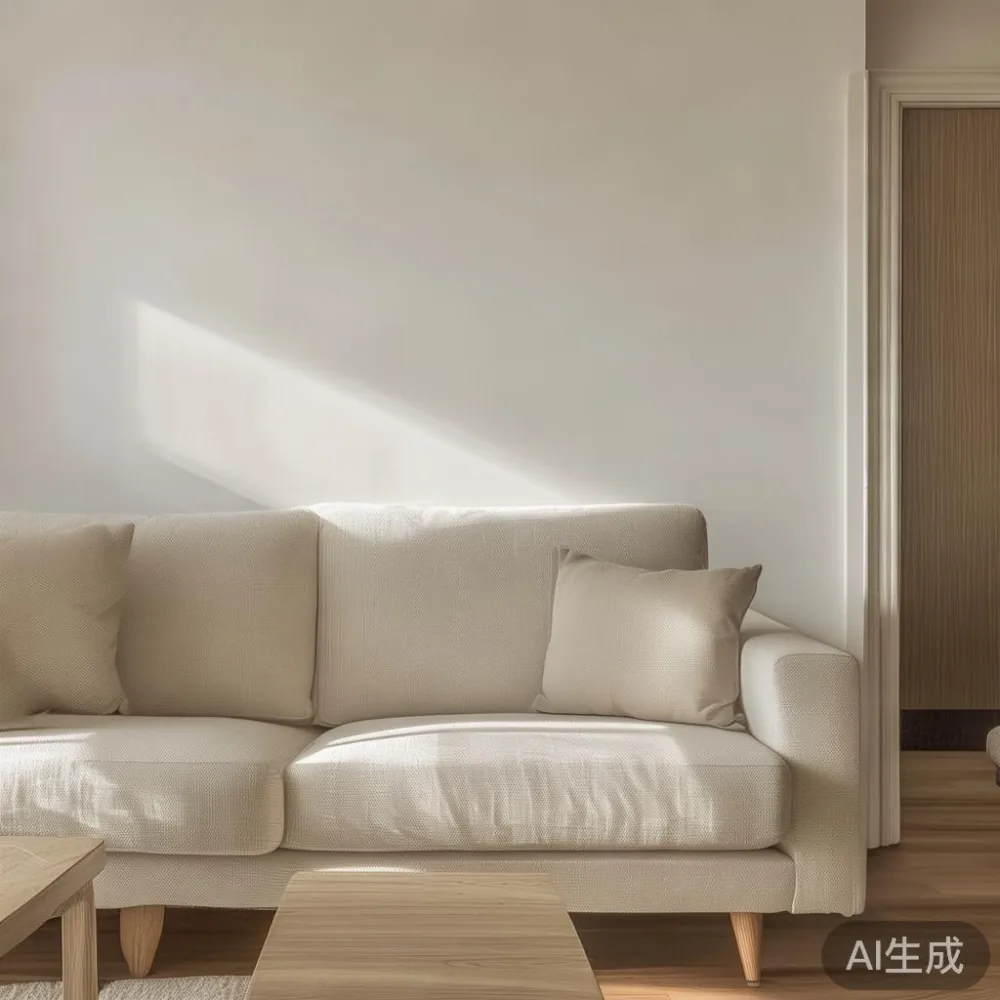
This comparison examines a typical HDB living room in Tampines, Bedok or Punggol. It compares two 200 cm solid wood dining tables with four 45 cm chairs against two 180 cm veneer dining tables with similar chairs. A separate worked example covers a 220 cm solid wood sofa and a 210 cm veneer sofa. Figures use Singapore dollars, include 9% GST where stated and assume delivery within 14 days after the items pass inspection.
The solid wood figures reflect kiln-dried timber with a protective finish. Veneer prices represent factory-finished panels on stable engineered cores. Maintenance allowances are deliberately practical: SGD 120 per year for veneer and SGD 60 for solid wood because refinishing is not required every year under normal use. The comparison does not treat a lower purchase price as automatically better; it follows cash expenditure and expected service life over 60 months.
What is the real difference between veneer and solid wood?
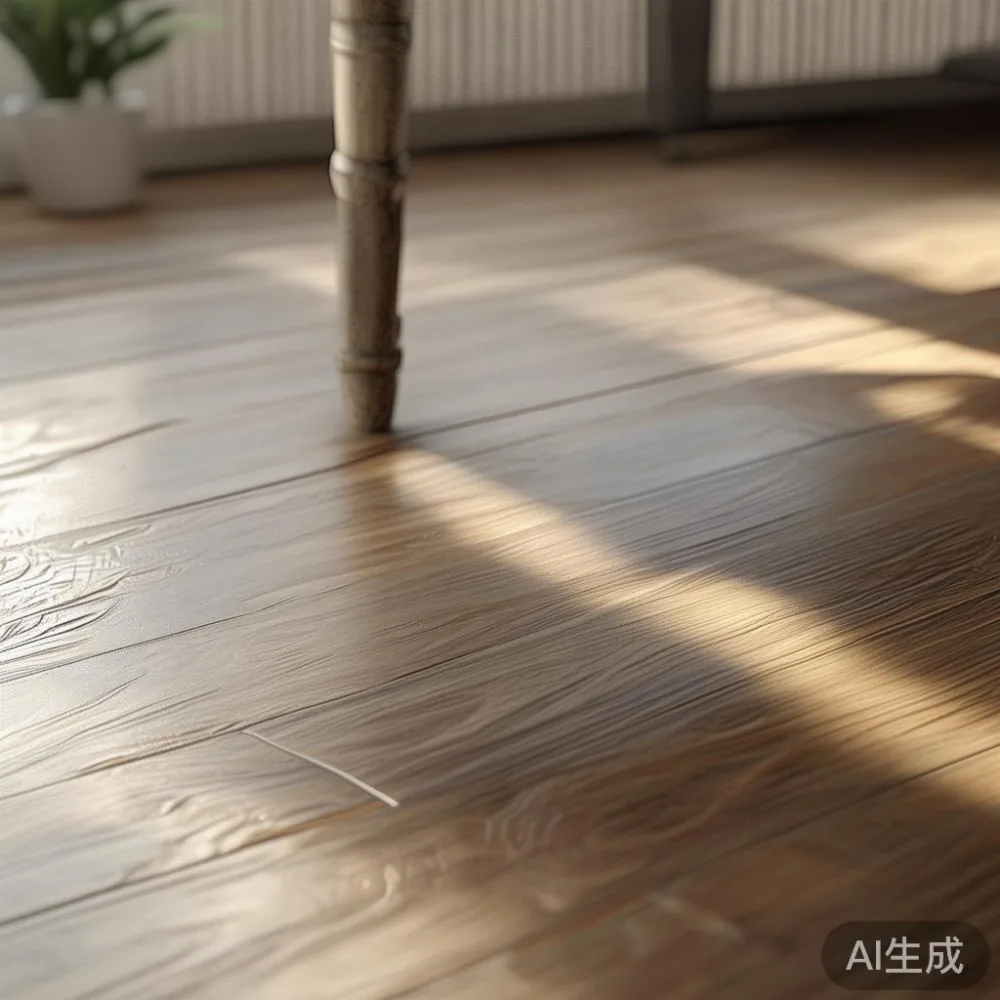
Veneer is a thin layer of real timber, commonly 0.6 mm to 1.2 mm, bonded to a plywood or engineered board. It can reproduce the grain, colour and book-matched pattern of oak or walnut. Its material structure tends to remain dimensionally stable across Singapore’s humidity changes, provided the panels are sealed correctly and placed away from direct air-conditioning vents or persistent dampness.
Solid wood is timber through its visible section, rather than a surface layer over a core. A dining table top may be 25 mm to 40 mm thick, and a solid wood sofa frame may use kiln-dried hardwood rails, legs and back supports. Timber expands and contracts with humidity, so quality control matters. For an hdb livingroom near a balcony, a finish that can tolerate seasonal moisture should be requested before delivery.
Appearance is not the same as construction. A European sofa vs Modern sofa comparison can involve identical veneer on both sides, while one design uses a stronger frame and the other emphasises a slimmer profile. Likewise, French light luxury styling can pair a solid wood bed frame with upholstered panels and marble table accents without making every visible surface solid timber.
My own check was practical rather than showroom-based. Last month I visited a colleague’s 3-room Bedok flat and measured a 210 cm sofa in the living room. The lift door was 88 cm wide, the internal lift depth 140 cm, and the corridor narrowed to 115 cm at a bend. The sofa had to enter diagonally, with its 210 cm length split across the turning path. My colleague had chosen a modular solid wood sofa because two sections could be carried separately. A single-piece 220 cm competitor could not be tested in that flat, despite looking suitable in a showroom.
How much do veneer and solid wood furniture cost over 5 years?
The dining package makes the initial difference clear. A 180 cm veneer dining table with four veneer chairs costs SGD 1,480 before delivery. A 200 cm solid wood dining table with four solid wood chairs costs SGD 2,360. Both prices include 9% GST in the worked examples below.
For the veneer set, the 5-year outlay is SGD 1,480 purchase, SGD 96 delivery, SGD 180 minor repair and finish allowance, SGD 120 annual maintenance for 5 years, and SGD 0 restoration if replaced at the end. The total is SGD 1,876.
For the solid wood set, the calculation is SGD 2,360 purchase, SGD 96 delivery, SGD 120 repair and finish allowance, SGD 60 annual maintenance for 5 years, and SGD 180 for one partial refinishing service in year 4. The total is SGD 2,816. The solid wood set costs SGD 940 more across 5 years, or SGD 188 per year.
That comparison changes when replacement timing enters the equation. If the veneer dining table is replaced after 30 months because moisture exposure damaged the finish, the second table adds SGD 1,480, plus another SGD 48 delivery. Total spending becomes approximately SGD 3,404, including the first 5 years of maintenance and repair allowances. This is why a conservatively finished solid wood dining table may produce lower lifetime spending in a humid home, even though the first invoice is larger.
The arithmetic also reveals where value comes from. Veneer reduces material cost because a 0.6 mm timber face does not require a 25 mm solid slab. Solid wood adds material, drying time, machining and quality checks. Those extra steps explain part of the price gap; they do not guarantee that every solid wood item will outlast every veneer item.
Will a solid wood sofa cost less to live with than a veneer sofa?
For a 3-seat sofa, the typical comparison is SGD 1,980 for a 220 cm veneer solid wood frame sofa with upholstered seat and back, versus SGD 3,180 for a 220 cm all-wood structural frame with fabric upholstery. These are working figures for the comparison, not fixed retail promises. Both include 9% GST and a 10-year structural warranty when supplied by MIDHILL.
Assume the veneer sofa uses an engineered internal frame with solid timber feet, while the solid wood sofa has a kiln-dried hardwood load-bearing frame. The veneer upholstery panels are more exposed to chipped edges if children or pets are active. The solid wood rails can be sanded and refinished after a knock. This distinction matters in an hdb livingroom where the sofa becomes a daily route for residents and visitors.
Over 60 months, the veneer sofa’s estimate is SGD 1,980 purchase, SGD 96 delivery, SGD 300 for reupholstery and finish work, SGD 600 maintenance, and SGD 0 final restoration. The total is SGD 2,976. The solid wood sofa’s estimate is SGD 3,180 purchase, SGD 96 delivery, SGD 120 frame repair and refinishing allowance, SGD 300 maintenance, and SGD 240 for fabric renewal after 4 years. The total is SGD 3,936.
The solid wood sofa remains SGD 960 more expensive in this scenario, or SGD 192 more per year. However, if a veneer frame develops a structural crack in year 3 and cannot be repaired economically, replacement cost can exceed the original saving. A room measured in centimetres, with a narrow lift and a family using the sofa daily, makes repairability a financial factor as well as an aesthetic one.
This is also where an Italian light luxury bed should be judged as a complete system, not by the visible headboard alone. The bed frame’s rails, joints, centre support and slat spacing determine longevity. A French-style headboard may contain veneer even when the load-bearing frame is solid wood, so buyers should ask which parts carry the mattress and which parts are mainly decorative.
What maintenance and restoration costs should Singapore households budget?
For the first year, treat both material types conservatively. Vacuum upholstery weekly, wipe veneer with a damp cloth, and keep all furniture at least 30 cm from an open balcony door during heavy rain. Use coasters and placemats on a dining table. Avoid placing a veneer dining table directly beneath an air-conditioning vent, where repeated cooling cycles may cause finish checks.
Solid wood usually needs less scheduled restoration because sanding out a scratch removes material from an already thick section. A light 180-grit sanding and fresh sealer can address small marks, while deeper damage may require a veneer patch or professional restoration. For a marble table, use a neutral stone cleaner and avoid acidic liquids. Marble can stain even when the furniture beneath it is solid wood.
A practical 5-year budget for the dining set is SGD 600 for veneer and SGD 420 for solid wood. The veneer figure is higher because edge repairs, patching and renewed finish work may be needed after several years of family meals. The solid wood allowance includes one partial refinishing session valued at SGD 180 plus SGD 240 in contingencies.
For the sofa comparison, allow SGD 900 for veneer and SGD 660 for solid wood across 5 years. These figures include cleaning materials, small fixes and one larger service. They exclude fire damage, flooding, deliberate misuse and moving a non-modular sofa between flats.
A solid wood wardrobe needs attention to doors, runners and hanging rails. A modular 150 cm by 60 cm unit can be dismantled into sections no wider than 60 cm, easing movement through an 88 cm lift and around a 120 cm corridor. An American for guest room search may prioritise a 120 cm bed frame with removable side panels. The same delivery logic applies to a solid wood nightstand with a 45 cm top and a 42 cm body width.
How do lift access, corridor widths and HDB layouts affect cost?
Delivery can add more than the quoted freight. A standard HDB lift measuring 90 cm wide and 140 cm deep cannot accept a 220 cm sofa as one rigid piece in every orientation. A modular design can reduce the largest section to 110 cm or 120 cm, although turning space still matters. Carrying a 200 cm solid wood dining table upstairs on its side risks damaging the top or corridor walls.
MIDHILL charges SGD 48 for the dining delivery scenario and SGD 96 for the sofa scenario. These amounts cover standard placement within the flat. A second-floor lift without a usable service opening may require SGD 80 in additional labour. If the access route fails, a failed delivery visit can add SGD 60, so measurements should be supplied before dispatch.
For a compact hdb livingroom, a 160 cm sofa may use less floor area than a 220 cm model, but a narrower 40 cm seat can be uncomfortable for daily use. A 220 cm sofa generally seats three to four adults, while a 180 cm model suits two adults and one occasional visitor. The lower purchase price of a smaller piece can produce savings larger than the material difference.
Condo owners face similar constraints. A 120 cm service lift and 150 cm hallway accept many modular pieces, while a wide American light luxury sofa may need its legs removed. A post-modern light luxury scheme often mixes a solid wood bed frame, a marble table and a shaped upholstered sofa. Those proportions should be planned around the room rather than the product photograph.
One local design route worth exploring is how to style French wardrobe in apartment layouts. A tall wardrobe with panelled doors can work in a bedroom recess, but 60 cm depth may block a walkway. A 150 cm wide unit with sliding sections can preserve 75 cm of passage beside it. Lighter colours such as warm ash or muted walnut can keep an hdb livingroom visually open without changing the physical footprint.
Is under 2000 Post-modern furniture a useful solid wood budget?
A sub-SGD 2,000 collection can include a genuine solid wood bed frame, nightstand or dining table if the dimensions and timber are modest. For example, a 120 cm solid wood bed frame might cost SGD 780, a 45 cm solid wood nightstand SGD 220, and a 150 cm solid wood dining table SGD 690. With 9% GST, the total is SGD 1,840. These figures are comparative assumptions, not a fixed product catalogue.
At that level, inspect whether the wardrobe or bed rails are kiln-dried, how joints are fixed and whether the finish is water-based. A low-cost veneer wardrobe may be appropriate for a dry bedroom, while an oak-look veneer hdb livingroom package may suit a rental flat where replacement rather than restoration is likely.
Shopping for for sale Nordic furniture can also reveal differences hidden by styling. Pale veneer may be used on a 160 cm coffee table, while a matching solid wood nightstand has a thicker drawer and exposed sides. The drawer runners, corner blocks and finish thickness usually explain price differences more clearly than the grain photograph.
A 5-year budget should also include the probability of moving. Many residents change flats within 5 years, particularly renters. A modular sofa that separates into three sections may be worth SGD 150 more than a fixed frame if it avoids a replacement purchase. A wardrobe that breaks into two 75 cm carcasses can pass through a standard lift more easily, saving roughly SGD 120 in specialist handling.
Which option gives Singapore families the better 5-year value?
The answer depends on replacement risk, humidity and repair choices. In the worked dining comparison, veneer costs SGD 1,876 over 5 years if the set remains in service, while solid wood costs SGD 2,816. If the veneer set fails at month 30, its cumulative spending rises to about SGD 3,404. For a bedroom wardrobe used daily for 10 years, solid wood may offer more repair options; for a short rental term, a compact veneer unit can be financially sensible.
For the sofa, veneer is SGD 2,976 over 5 years and solid wood is SGD 3,936 under the stated assumptions. That SGD 960 gap buys a repairable timber structure, not simply a luxury appearance. An hdb livingroom with children, pets or frequent visitors may justify it. In a quiet adult flat with careful use, a smaller sofa and controlled humidity may deliver the lower total cost.
Before buying, ask the supplier for the exact construction of hidden parts. Request timber species, moisture target, board thickness, finish type, section dimensions and warranty coverage in writing. For example, a dining table top described as solid wood should not conceal a veneered underside without disclosure. A solid wood sofa should identify the load-bearing rails, not merely the visible feet.
Buyers can also request samples, photographs and a 7-day assembly trial in the unit where possible. Check clearances at the lift, corridor turns, doorways and balcony threshold. Measure the intended route, then subtract 10 cm for hand clearance on larger pieces. Delivery may take 7 to 14 days after confirmation, and the furniture should be inspected before the final balance is settled.
The most useful decision rule is simple: treat veneer as a performance choice for dry, stable and shorter-term use; treat solid wood as a repairable long-term investment when the room is heavily used. Compare the 60-month cash total, not only the purchase invoice. Then select dimensions that can actually enter the home, because furniture that cannot be delivered through a Tampines or Punggol corridor has a cost that no product label can remove.