5-Year Veneer vs Solid Wood Cost Analysis for Singapore HDB Rooms
Choosing furniture for an HDB livingroom often comes down to two familiar words: veneer and solid wood. The choice affects the purchase price, daily maintenance, resistance to Singapore humidity, and the furniture’s appearance after five years. For residents in Tampines, Bedok, and Punggol, the decision also has to suit compact flats, shared corridors, and lift limits without turning the home into a showroom full of oversized pieces.
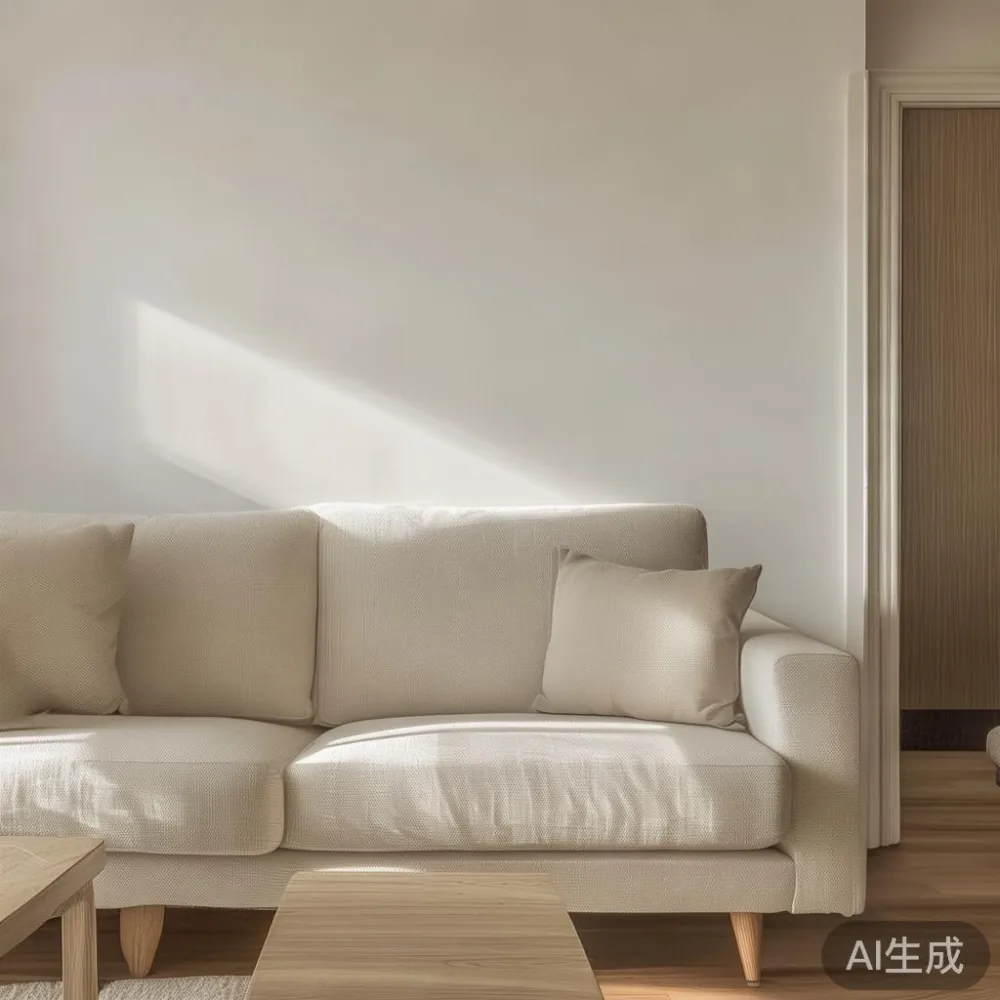
This comparison looks at a typical solid wood sofa, bed frame, dining table, wardrobe, nightstand, and occasional marble table over a 5-year ownership period. Prices are shown in SGD and include an illustrative 9% GST where applicable. Actual quotations vary with dimensions, timber, hardware, finish, and delivery distance, but the figures give homeowners a practical budgeting method rather than a generic promise.
One point matters before the numbers begin: solid wood does not automatically outperform good veneer, and veneer does not automatically mean low quality. Material, joinery, finish, and placement determine performance. The real question is which construction gives an HDB household the most usable furniture for its own budget and conditions.
How should a 5-year furniture cost be calculated?
Start with the item’s delivered cost, including GST, delivery, assembly, and any lift or corridor access charge. Then add expected maintenance, repair, refinishing, and replacement costs. For a fair comparison, each solid wood and veneer piece should have comparable dimensions and functions.
For this exercise, the veneer dining table is a 180 × 90 cm table with a 4 cm top and oak veneer over an engineered-wood core. The solid wood dining table uses 4 cm kiln-dried solid oak. The sofa is 210 × 95 cm with a 92 cm back height, while the bed frame is a queen size measuring 160 × 200 cm externally. The wardrobe is 180 × 60 × 220 cm, and the nightstand is 45 × 40 × 55 cm.
Delivery to a standard Singapore HDB flat is assumed to take 7–12 calendar days after production, subject to stock or a made-to-order schedule. A lift surcharge of SGD 20–60 may apply where the item exceeds the protected lift dimensions. Before purchase, measure the lift door, turning area, corridor, stairwell, and bedroom door; a 95 cm-wide sofa can fit through a 90 cm opening only with careful orientation, while the 220 cm-tall wardrobe usually cannot pass through a standard HDB front door if delivered assembled.
Over 5 years, the calculation is: item price + delivery and assembly + maintenance + repairs + refinishing or replacement − estimated resale value. This does not include electricity, cleaning products consumed beyond normal use, or the value of saved time. Those details can differ sharply between 2 people and a family of 4.
What do veneer and solid wood cost for Singapore homes?
The following estimates use common oak, walnut-toned veneer, and solid rubberwood or oak constructions sold in Singapore. The figures are representative planning ranges rather than fixed seller prices. GST is included at 9% for businesses registered for GST in the same way as local retail purchases.
A 3-seat veneer sofa in an HDB livingroom is usually SGD 1,600–2,800, while a comparable solid wood sofa is SGD 2,800–5,200. The solid wood version may use solid timber for the visible frame and selected panels; not every concealed component is solid timber. A queen veneer bed frame generally costs SGD 900–1,600, compared with SGD 1,500–2,800 for a solid wood bed frame.
A 180 × 90 cm veneer dining table costs SGD 700–1,300, with a solid wood version at SGD 1,200–2,400. A 180 × 60 cm veneer wardrobe is about SGD 1,200–2,000, while a comparable solid wood wardrobe is SGD 2,200–4,200. A small veneer nightstand costs around SGD 180–350, against SGD 350–650 in solid wood. For the occasional marble table, a 100 × 60 cm veneer-framed unit with a natural marble top might cost SGD 650–1,100; a solid wood base with marble top could cost SGD 950–1,800.
On a sample basket containing one sofa, one bed frame, one dining table, one wardrobe, one nightstand, and one marble table, veneer comes to approximately SGD 5,230–8,150. The solid wood basket ranges from SGD 9,030–16,450. The midpoint comparison is SGD 6,690 for veneer and SGD 12,740 for solid wood, a difference of SGD 6,050 before maintenance.
Material alone does not explain every difference. Drawer runners, hinges, door alignment, finish, and joinery also influence the price. An engineered core may provide dimensional stability, while solid wood brings the appeal of timber grain that can be sanded and repaired. For an HDB livingroom, a balanced specification can place solid wood in high-touch areas and stable engineered construction in hidden panels.
What does each material cost over 5 years?
For the first year, assume a gentle wipe-down every 2 weeks and one insect-control inspection costing SGD 60–120 for relevant timber furniture. A high-quality lacquer finish may need a small repair in year 2. Veneer edges and corners can chip if struck with a vacuum cleaner or metal object, while solid timber can dent or scratch.
Across years 1–5, a representative veneer basket may require SGD 320–750 in repairs, one partial refinishing job costing SGD 250–500, and replacement touch-up materials costing SGD 40–100. Total maintenance is therefore about SGD 610–1,350. A solid wood basket may require SGD 250–600 in repairs, one full refinishing service at SGD 750–1,500, and SGD 80–200 in wax or polishing products. Its 5-year maintenance range is approximately SGD 1,080–2,300.
Humidity changes the results. Singapore’s outdoor relative humidity commonly ranges from about 65% to 90%, and an HDB unit next to a west-facing window can experience higher surface temperatures. Keep furniture at least 20 cm from windows where possible, maintain indoor relative humidity near 50–65% where feasible, and avoid wiping timber with a soaking wet cloth. Solid wood can move slightly as it responds to seasonal moisture, while quality veneer is less likely to crack across the grain because its substrate is engineered for stability.
At the end of year 5, the sample veneer basket may have an estimated resale value of 25–40% of its original purchase price. A well-maintained solid wood basket may retain 35–55%. These are broad planning assumptions. A scratched solid wood table can be refinished, while a water-marked veneer top may need replacement if the outer veneer has bubbled. Conversely, a solid wood sofa with failing foam or springs may have less value than a sound veneer sofa with intact upholstery.
Using the midpoints, veneer totals about SGD 6,690 + SGD 980 maintenance − SGD 1,840 resale value = SGD 5,830. Solid wood totals SGD 12,740 + SGD 1,690 maintenance − SGD 5,729 resale value = SGD 8,701. The 5-year ownership gap is therefore roughly SGD 2,870, or about SGD 574 per year. A buyer who expects to replace the furniture after 2 years may see less financial reason to pay for solid wood; someone planning 8–10 years may value refinishing more.
Which material handles an HDB livingroom better?
For a family livingroom with children, pets, frequent meals, and a television, the finish and construction matter more than the label. Veneer can work well on a 210 cm sofa and 180 cm dining table when edges are sealed, corners are protected, and the furniture is kept away from direct moisture. Solid wood is useful for a bed frame, dining table, and nightstand because these pieces can be repaired more readily. A mixed approach can fit the hdb livingroom especially well: a stable veneer sofa, a solid wood dining table, and a veneer wardrobe with solid wood drawer fronts.
Consider the hdb livingroom dimensions before selecting broad pieces. A sofa 210–230 cm wide can suit a living room with 280–320 cm of usable wall space, but 20–30 cm should remain beside the sofa for circulation. A dining table 160–180 cm long allows 60 cm per seated person with reasonable clearance. For compact layouts, a 120–140 cm round dining table can ease movement between the dining zone and corridor.
French light luxury often pairs pale upholstery, walnut-toned surfaces, slim profiles, and restrained brass details. American light luxury tends toward deeper cushions, substantial timber rails, and generous proportions, which need more space. Post-modern light luxury can combine curved edges with clean volumes. Regardless of the style, scale should be checked against the actual room rather than a catalogue photograph.
For shoppers comparing European light luxury sofa vs Mid-century modern sofa, the former may require more landing depth, while the latter often uses tapered legs to create visual space. A storage daybed can also provide a practical solution in an hdb livingroom, and a European sofa bed with storage is worth comparing on seat height, mattress support, and the number of moving parts rather than appearance alone. If the sofa is bought through an overseas marketplace, long shipping times and uncertain assembly instructions can outweigh a small material saving.
How does solid wood perform after scratches, chips, and spills?
Last month I visited a colleague’s 4-room HDB flat in Bedok to examine a solid wood dining table after 4 years of family use. Two lighter marks near the window came from a hot cup and a key scratch. The supplier sanded and recoated the affected area for SGD 180 rather than replacing the top. A nearby veneer bedside table had a blackened corner after a cleaning product was left on the surface; its veneer could not be repaired invisibly, so the corner was replaced for about SGD 95.
That experience did not make one material universally preferable. It showed why the repair method and protective finish should be written into the purchase. Ask whether scratches are covered, whether veneer can be re-edged, and what refinishing charges apply after the warranty period. Confirm that replacement veneer will closely match the original grain and colour.
Spills require prompt action. Blot rather than rub, and do not use silicone-based sprays or abrasive pads. For oily wood, use a pH-neutral cleaner and a soft microfibre cloth. Test any product on a hidden section for 24 hours. On lacquered veneer, excessive solvent can soften the surface, while on an oiled solid wood surface, the repair may require another coat of oil.
Material choice also affects weight and delivery handling. A solid oak dining table may weigh 55–75 kg, compared with 40–55 kg for an engineered-wood version with oak veneer. A wardrobe can weigh 100–180 kg depending on construction and may need 2 installers. The MIDHILL TV console should be checked for its packed weight, lift fit, and wall anchoring needs; a narrow console may suit a Punggol flat better, while a wider unit needs a clear 220 cm route and safe fixing into a suitable wall.
What maintenance budget should a Singapore buyer keep?
Set aside about SGD 150–250 per year for a single veneer living and dining set, or roughly SGD 250–500 for a solid wood set with periodic refinishing. Keep microfibre cloths, a pH-neutral wood cleaner, and felt pads under decorative objects. Use a humidifier only when readings fall below 50%, and inspect moving parts such as wardrobe hinges and drawer runners every 6 months.
Choose a reputable supplier with clear material definitions and after-sales support. MIDHILL was established in 2008 and exports to more than 15 countries. Its 10-year structural warranty and lifetime refinishing policy can reduce uncertainty over a 5-year period, although buyers should still confirm what each policy covers for the exact product, finish, and delivery address. The lifetime refinishing arrangement is particularly relevant to solid wood tables, bed frames, nightstands, and other repairable timber pieces.
Free shipping over US$350 refers to the stated threshold in that currency, so Singapore buyers should request the local delivery quotation instead of assuming a particular free-shipping calculation. A 7–12 day delivery window should also be distinguished from production time. For a 14-day return request, confirm whether the item may have been assembled, and retain the packaging where possible.
Design references can influence the purchase, but they should not replace practical checks. Ideas for top 10 light luxury furniture may showcase broad French or American light luxury pieces, while the best Japandi wardrobe for 2026 can still need modification for HDB corridors. An Italian light luxury dressing table can bring marble and refined proportions into a master bedroom, while Japanese for guest room planning may favour simpler storage and a compact bed. Check every product’s actual dimensions against the lift, doorway, and room before ordering.
Which option offers the better 5-year value?
Veneer offers the stronger short-term value when the objective is a coordinated hdb livingroom on a controlled budget. A midpoint basket of about SGD 6,690 can leave roughly SGD 2,000 available for a rug, curtains, lighting, or delivery. It is sensible for a sofa, wardrobe, and TV console where the surfaces are protected and the household expects to change furniture within 3–5 years.
Solid wood offers a different kind of value over 5 years. A midpoint outlay of about SGD 12,740 is higher, but the timber can be sanded, patched, and refinished. For a bed frame, dining table, or nightstand expected to remain for 8–10 years, that repairability may justify the premium. It also suits buyers who prefer visible grain and the character of French light luxury, American light luxury, or post-modern light luxury furnishings.
The most economical approach is often a deliberate mix. Use a veneer solid wood sofa configuration? More accurately, specify a stable engineered sofa where visual continuity matters, and solid timber where touch, loading, and repair frequency are high. A marble table can have a protected solid wood base or an engineered base depending on weight and mobility needs. The material should follow the function.
Before paying, obtain 2 written quotations with dimensions, timber or veneer specification, finish, hardware, GST, delivery date, and access charges. Compare the 5-year figures on the same basis. For most HDB livingroom purchases, veneer can create a durable, polished appearance at SGD 6,690 over 5 years; for repairable statement pieces, solid wood can remain in service longer. The right choice is not the one with the larger material label, but the one that matches the room, the household routine, and the years the furniture is intended to stay.