How to Care for Lacquered Furniture in Singapore’s Tropical Climate
Lacquer gives a solid wood sofa, dining table, bed frame, wardrobe, or nightstand a polished appearance, but Singapore’s heat, humidity, UV exposure, and frequent cleaning demand a considered care routine. In an hdb livingroom, furniture often sits close to windows, air-conditioner vents, lift lobbies, and shared corridors where dust and moisture circulate. A lacquered surface can remain attractive for years when it is protected from standing water, harsh sunlight, abrasive pads, and rapid temperature changes.
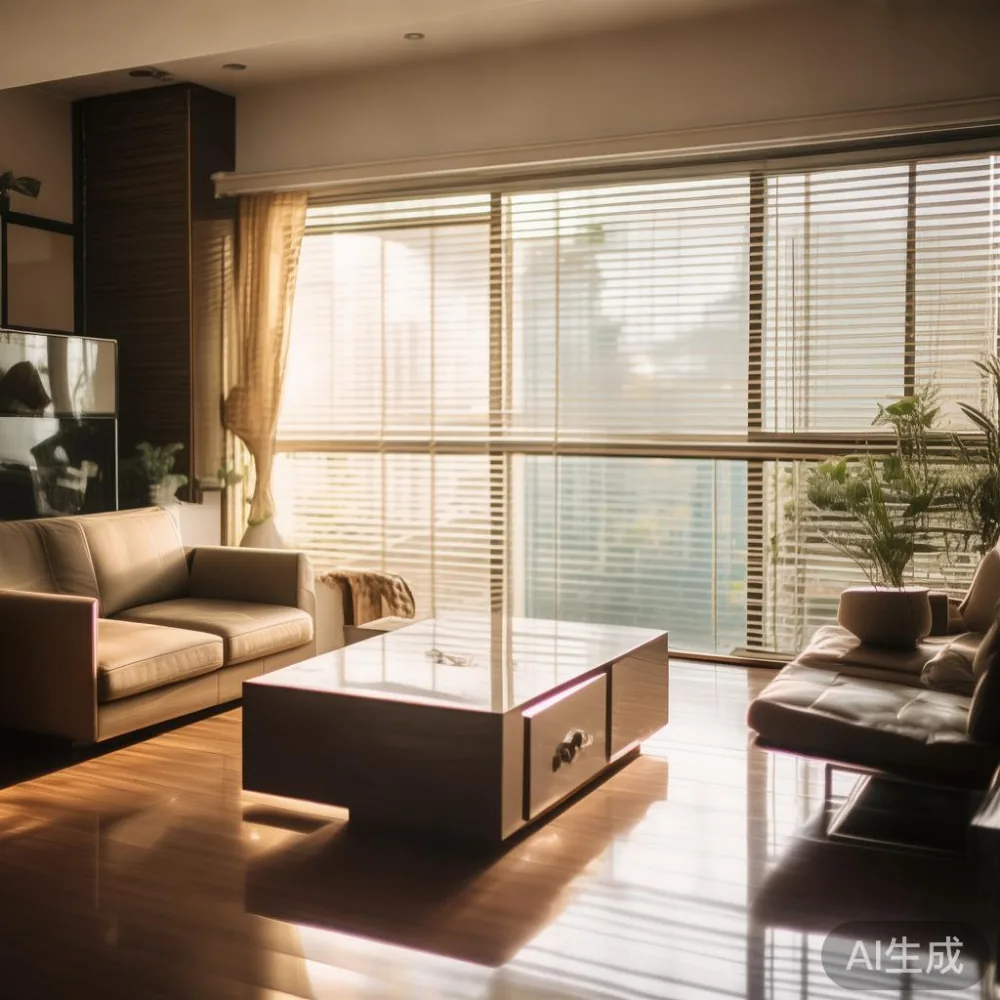
MIDHILL designs lacquered pieces for warm residential settings, supported by a 10-year structural warranty and lifetime refinishing. The advice below covers lacquered furniture in HDB flats and condos, including compact spaces in Tampines, Bedok, and Punggol. It also considers narrow lift doors, corridor clearance, GST-inclusive budgeting, and the realities of living with pets, children, and frequent air-conditioning.
What Is Lacquer, and Why Does Humidity Matter?
Lacquer is a surface finish applied in thin layers. Depending on the production method, it may be solvent-based, water-based, polyurethane, or acrylic. The finish improves resistance to stains and makes wood easier to wipe, but it does not make furniture waterproof. Seams, edges, joints, and small scratches can admit moisture, while repeated wetting may cause swelling, dulling, clouding, or peeling.
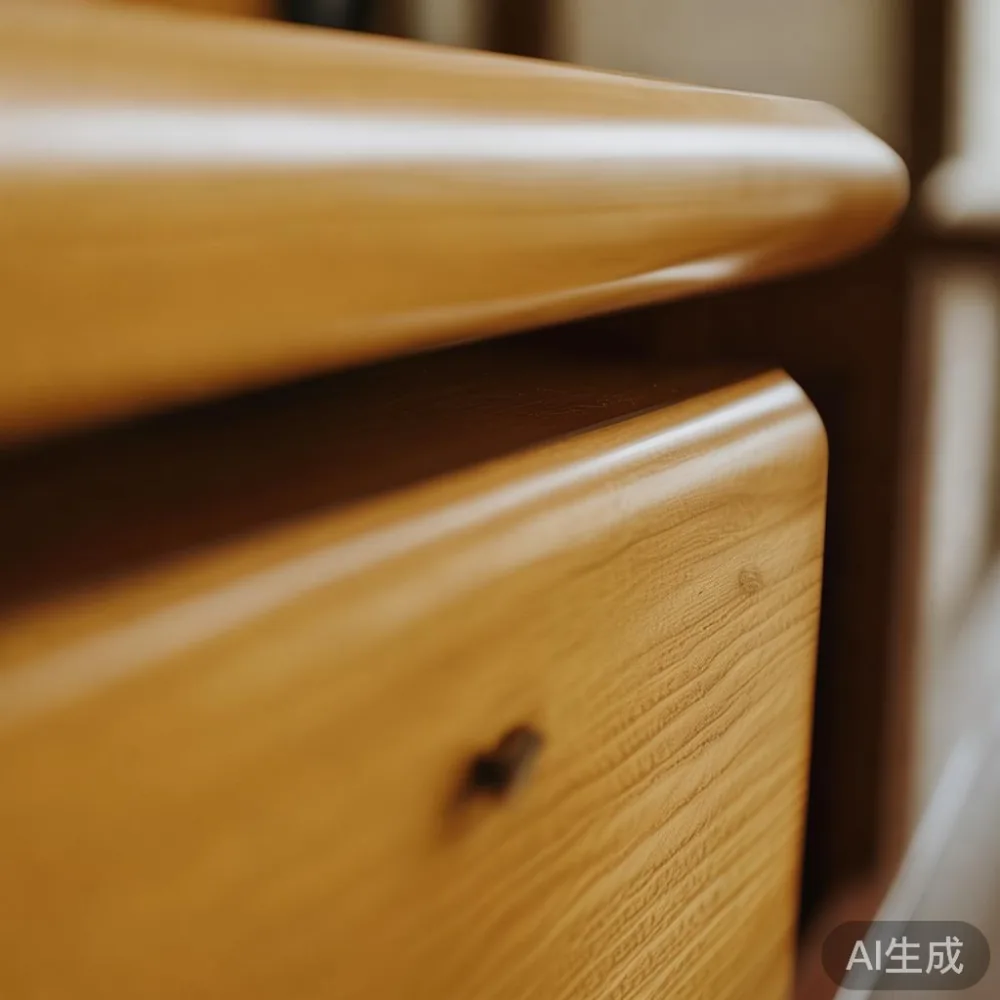
Singapore’s relative humidity commonly ranges from about 65% to 85% throughout the year. During monsoon periods, humidity may exceed 90%, especially at night. A polished lacquer finish can develop condensation if a cold item touches a warm surface, so avoid placing an iced drink, damp vase, or refrigerated item directly on a lacquered dining table or marble table.
For a well-ventilated hdb livingroom, aim for indoor relative humidity around 45% to 65%. Use a dehumidifier where practical, keep furniture at least 30 cm from an external wall in a ground-floor unit, and leave space around the piece for airflow. Do not place a lacquered wardrobe or bed frame directly against an air-conditioner outlet; aim for at least 1 metre of clearance where possible.
How Should I Clean a Lacquered Surface?
Start with a soft, lint-free microfibre cloth. For routine cleaning, dampen the cloth with clean water and wring it until only a light moisture remains. Wipe in the direction of the grain or along the finish, then dry immediately with a second cloth. A spray bottle is useful, but spray the cloth rather than the furniture so liquid does not enter joints or decorative edges.
For ordinary dust and fingerprints, this method is usually enough. Once every 1 to 2 weeks, wipe high-touch areas such as a dining table, nightstand, wardrobe handles, and the armrests of a solid wood sofa. Clean more often in a busy corridor-facing home, while avoiding repeated wet wiping that can leave a moisture film.
For marks, use a separate cloth lightly dampened with warm water and a small amount of mild dish soap: approximately 1 teaspoon per 500 ml. Test it on a hidden underside for 24 hours. Never use bleach, ammonia, alcohol, acetone, nail-polish remover, abrasive powder, or rough scouring pads. These products can soften lacquer, strip its sheen, or make a gloss finish appear permanently hazy.
Be especially careful around a marble table. Keep acidic liquids, including lemon juice, vinegar, and fizzy drinks, away from both the stone and the lacquered wood beneath or beside it. Use a coaster with a base of at least 8 cm and wipe spills within 2 minutes when possible.
Can Humidity and Heat Damage a Lacquered Wardrobe?
Yes, although the risk depends on the finish quality, wood movement, ventilation, and exposure. A lacquered wardrobe in a compact HDB bedroom should not be pushed tightly against a wall. Leave at least 5 cm behind the carcass and 10 cm above the top if ventilation is limited. If sliding doors are used, check that they open and close without forcing; excessive friction can scratch lacquer and place stress on the frame.
Keep the room at a stable temperature, ideally between 22°C and 28°C, and avoid directing heaters, humidifiers, steamers, or hair dryers at the surface. During the day, curtains or UV-filtering film can reduce direct sunlight. UV exposure of about 3 hours per day may accelerate colour change, so rotate decorative objects and avoid placing a favourite piece directly beside a west-facing window.
Watch for early warning signs: a dull patch, a faint white ring, lifting at an edge, tiny bubbles, or a door that no longer aligns. Do not wait for widespread peeling. Photograph the affected area, measure it, and contact the supplier before applying a repair product. A single uncontrolled repair can create a patch larger than the original mark.
Should I Use Polish, Wax, or Furniture Spray?
Use only a product clearly labelled for lacquer or a finish type approved by the furniture maker. Silicone-containing sprays can leave a greasy film that attracts dust, while wax may be difficult to remove and can collect in joints. If a polish is appropriate, apply a very small quantity to the cloth—not the furniture—and test it on an inconspicuous area for 48 hours.
Do not polish weekly by habit. A lightly maintained surface may need treatment every 3 to 6 months; a frequently touched dining table may need attention every 1 to 3 months. More frequent application can create an uneven build-up and make future refinishing harder.
Protect lacquered surfaces with felt pads beneath coasters and furniture feet. For a dining table, use a broad protective mat at least 40 cm by 30 cm during craft work, but avoid rubber-backed mats that can trap heat or moisture. Place protective pads under table lamps and décor, and use stable bases so that an object cannot be dragged across the finish.
How Do I Protect a Lacquered Bed Frame in a Small Bedroom?
A lacquered bed frame needs more attention at edges and headboard joints because these areas are often rubbed by clothing, bedding, and movement. Vacuum with a soft brush attachment every 2 weeks, paying attention to gaps no wider than 5 mm. Do not push the frame against a damp wall, and leave roughly 10 cm around the sides if the room allows it.
For a French provincial bed frame, the carved details may collect dust. Use a dry microfibre cloth or a very soft horsehair brush, then follow with a lightly damp cloth only when necessary. Avoid stiff brushes, which can scratch raised lacquer. The topic of American bed vs French provincial bed is relevant here: an American design often has broad, clean planes that are easier to wipe, while French provincial detailing needs more careful dust removal.
People searching for guidance on how to style French provincial bed in bedroom should allow room around the headboard and keep heavy curtains from rubbing against it. If the bed shares a wall with an air-conditioner, angle the louvres upward and dry any condensation near the headboard. A bed frame should be treated as a furnishing with moving parts, not as a surface for storing damp towels or unopened laundry.
Can Pets and Children Make Lacquer Maintenance More Difficult?
They can, but simple habits reduce the risk. Keep a washable mat under a pet bowl, preferably 60 cm by 40 cm or larger, and clean the surrounding floor weekly. Wipe muddy paw marks as soon as they appear, using a separate cloth. If a pet chews a lacquered nightstand edge, inspect the area immediately; saliva can enter a small break and cause swelling beneath the finish.
Use felt pads under a child’s chair or table, and teach children not to slide objects across a lacquered dining table. Store water-based paints, markers, and craft supplies in sealed containers on a tray. A 5 cm border around the work area can protect the finish from wet tools. For playrooms, choose washable throws and removable covers rather than relying on polish.
If scratches appear, resist sanding them yourself. Deep gouges, broad dull patches, and edge lifting require professional assessment. MIDHILL offers lifetime refinishing, which can be discussed with the service team, although availability and quotation depend on the piece, condition, and location.
What Should I Do Before Furniture Delivery?
Measure the route before ordering a large lacquered wardrobe or dining table. A standard HDB lift door may measure about 80 cm to 90 cm wide, while some common passenger lifts are around 90 cm to 100 cm across the opening. Doorways and corridor turns can be narrower, and the available depth matters more than the furniture’s advertised width.
Record the lift dimensions, turning space, landing width, and the narrowest corridor point. A dining table that fits a showroom may not fit through a 90 cm lift doorway, especially when doors, mirrors, or lift-lobby restrictions reduce clearance. Remove detachable legs where the design permits, protect corners with foam, and avoid carrying a lacquered panel by its decorative edge.
For a local delivery, ask for a delivery window in working days rather than assuming furniture arrives the same day. A standard Singapore delivery may take about 5 to 10 business days after production and payment confirmation, while a custom finish can require 2 to 6 weeks. Confirm GST in the quotation: Singapore GST is currently 9%, so a pre-GST price of SGD 2,000 becomes SGD 2,180.
Inspect the finish after arrival. Compare the surface with the photographs taken during delivery, check all four sides and the underside, and record any transport marks before signing. Keep the protective packaging for 7 days, especially if the piece must be moved from a corridor into the home.
How Do Light-Luxury Styles Affect Care?
French light luxury, American light luxury, and post-modern light luxury often favour pale timber, clean silhouettes, brass details, marble tables, and mixed textures. These combinations can look refined in an HDB living room, but light finishes show fingerprints, dust, water rings, and colour changes more readily than dark lacquer. In a Tampines flat, a pale French provincial wardrobe may need wiping every 7 to 10 days; a darker American-style bed frame may show less visible dust yet still require moisture protection.
When considering luxury Mid-century modern furniture for a compact living area, check the lacquer compatibility of every component. Tapered legs, thin rails, and routed profiles can be damaged by careless lifting. If comparing suppliers, best French provincial furniture is not only about appearance: ask about the finish system, sample care instructions, warranty period, replacement parts, and refinishing terms.
For seating, the subject of how to style light luxury sofa in bedroom can lead to mixed-material schemes, but upholstery and lacquer should be protected separately. A solid wood sofa base or lacquered arm may need different care from its cushion cover. Keep a 2 cm gap where possible between fabric and lacquer to reduce rubbing.
MIDHILL’s export experience across more than 15 countries is useful when choosing finishes intended for different climates. For Singapore homes, request a lacquer sample and use it in the actual room for at least 7 days. A finish that suits a dry showroom may behave differently beside a window, air-conditioner, or humid balcony door.
How Can I Build a Simple Care Schedule?
A practical routine can fit around a normal Singapore household. Vacuum lacquered furniture every 1 to 2 weeks, wipe high-touch surfaces every 1 to 2 weeks, inspect for condensation after heavy rain, and check UV-exposed areas every 3 months. Keep a small kit containing 2 microfibre cloths, a soft brush, a coaster set, felt pads, and an approved cleaner. The kit should fit inside a storage box no larger than 30 cm by 20 cm by 10 cm.
Seasonal care matters too. Before the year-end monsoon period, check exterior walls, balcony doors, and wardrobe gaps for damp air. During the dry months, inspect for static dust and avoid excessive polish. Maintain the lacquered surface through an hdb livingroom routine that is calm and repeatable rather than occasional aggressive cleaning.
For any wardrobe, bed frame, nightstand, dining table, solid wood sofa, or marble table, use coasters, lift rather than drag, and separate cleaning products. MIDHILL provides free shipping on qualifying orders over US$350, with a 14-day returns policy; local costs, delivery terms, and return conditions should still be confirmed before purchase.