The 5-Year Financial Showdown: Veneer vs. Solid Wood in Your Singapore HDB Livingroom
For residents of Singapore, from the busy heart of Tampines to the newer developments in Punggol, the HDB livingroom is more than just a space; it is the central hub of family life, a place for relaxation, and a reflection of personal style. Choosing the right furniture for this space is a significant decision, with the materials selected having a profound impact on both aesthetics and long-term finances. The debate between veneer and solid wood furniture is a common one, often framed around initial cost. However, a true financial comparison requires a deeper look at a five-year period, factoring in durability, maintenance, and the true cost of ownership within the unique context of an HDB flat.
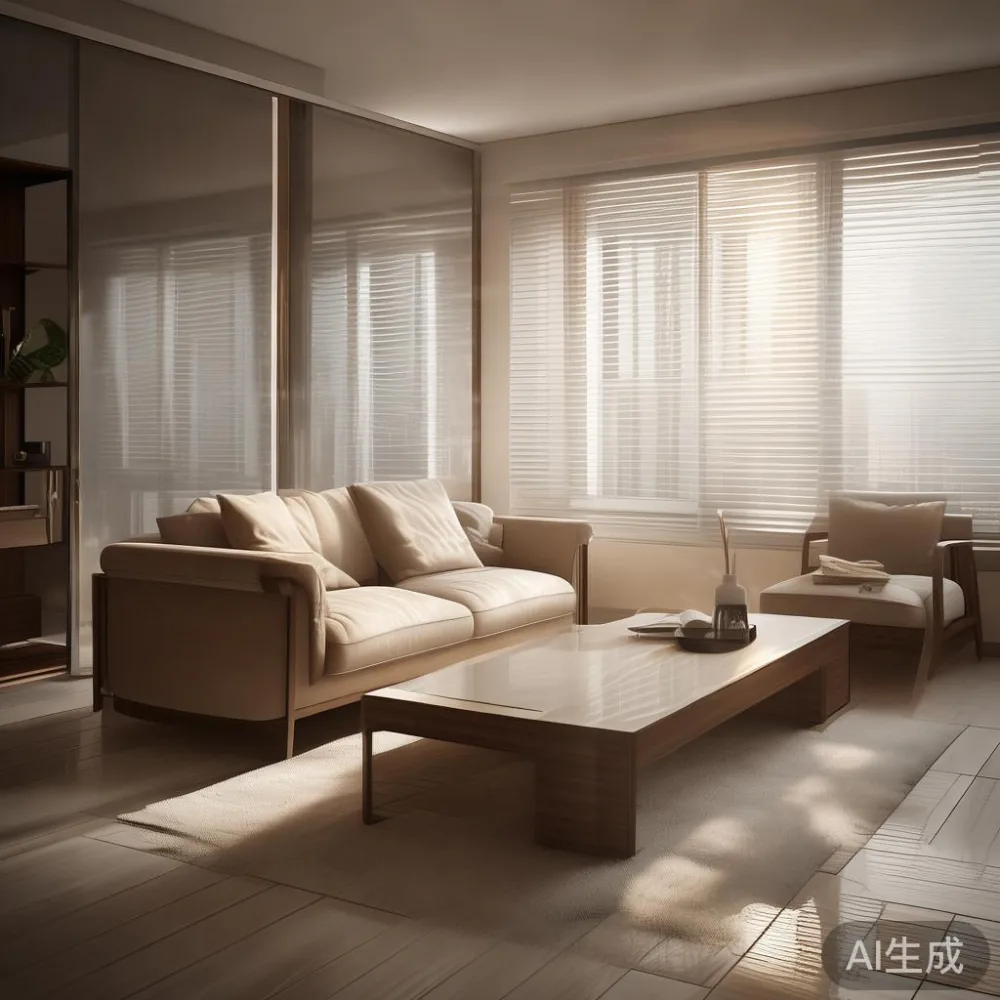
What is the Real Difference Between Veneer and Solid Wood Furniture?
Before diving into numbers, it is important to understand the fundamental difference between these two materials. Solid wood furniture is constructed from a single piece of lumber, typically for the main structural components like the frame of a sofa or the top of a dining table. Common woods used in Singaporean homes include teak, oak, and mango, each offering distinct grain patterns and levels of hardness. A solid wood bed frame, for instance, is carved from a solid plank of wood, making it exceptionally durable and capable of being sanded down and refinished multiple times over its lifespan.
Veneer, on the other hand, is a thin layer of real wood applied over a less expensive core material, such as Medium-Density Fibreboard (MDF), particleboard, or plywood. This core provides the shape and structure, while the veneer gives the appearance of solid wood at a lower price point. A veneer dining table might have a beautiful oak veneer top bonded to an MDF base. While veneer can be very attractive and durable, its Achilles' heel is its edges. If the veneer is chipped or damaged, it exposes the lower-quality core material, which is difficult and costly to repair, especially in a humid climate like Singapore's.
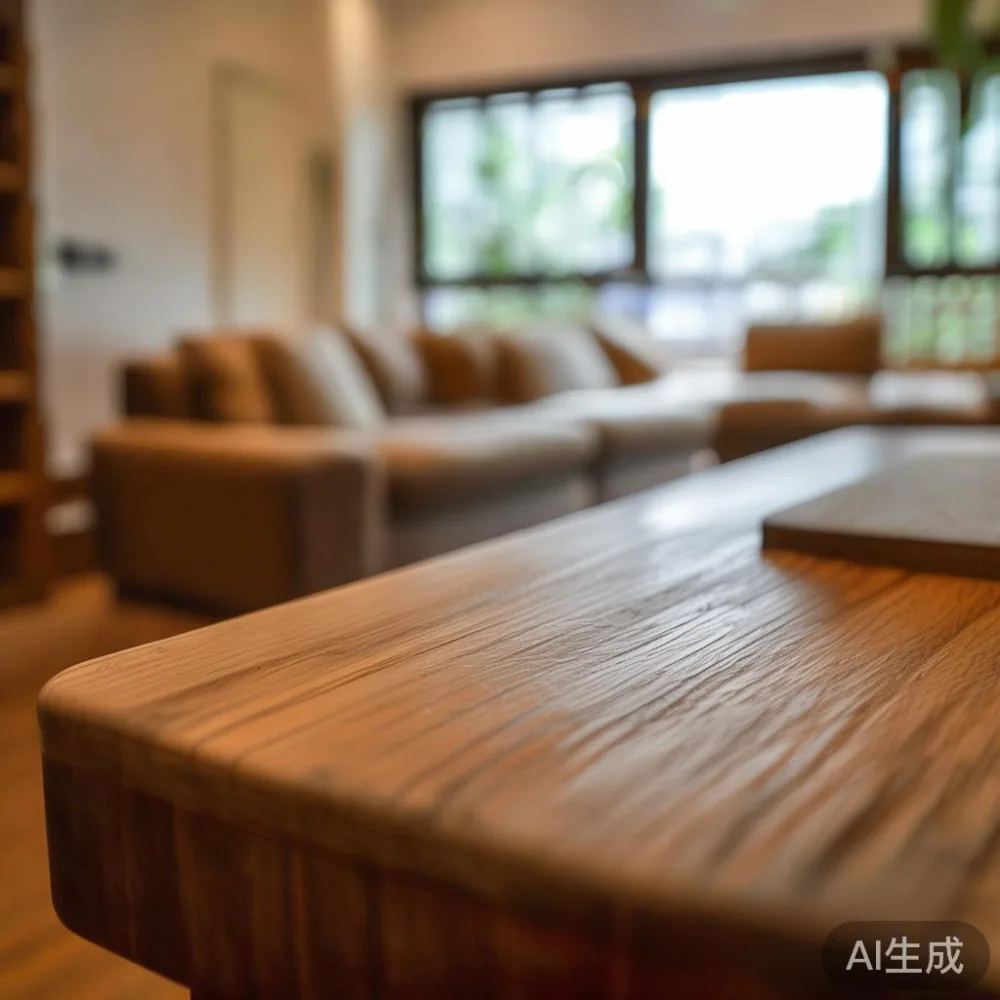
Initial Investment: The Upfront Cost of Furnishing a 5-Room HDB Livingroom
The most apparent difference between veneer and solid wood is the initial purchase price. Let's consider furnishing a typical 5-room HDB livingroom in Bedok, which has standard corridor and lift dimensions to work through. We will compare a core set of items: a sofa, a dining table, and a TV console.
A veneer livingroom set might include a three-seater sofa, a four-seater dining table, and a console. A reputable local brand might price this set at approximately SGD 2,800. The sofa frame would likely be a combination of solid wood for the legs and MDF for the main body, covered with a fabric upholstery. The dining table and console would feature a thin oak veneer over an MDF core.
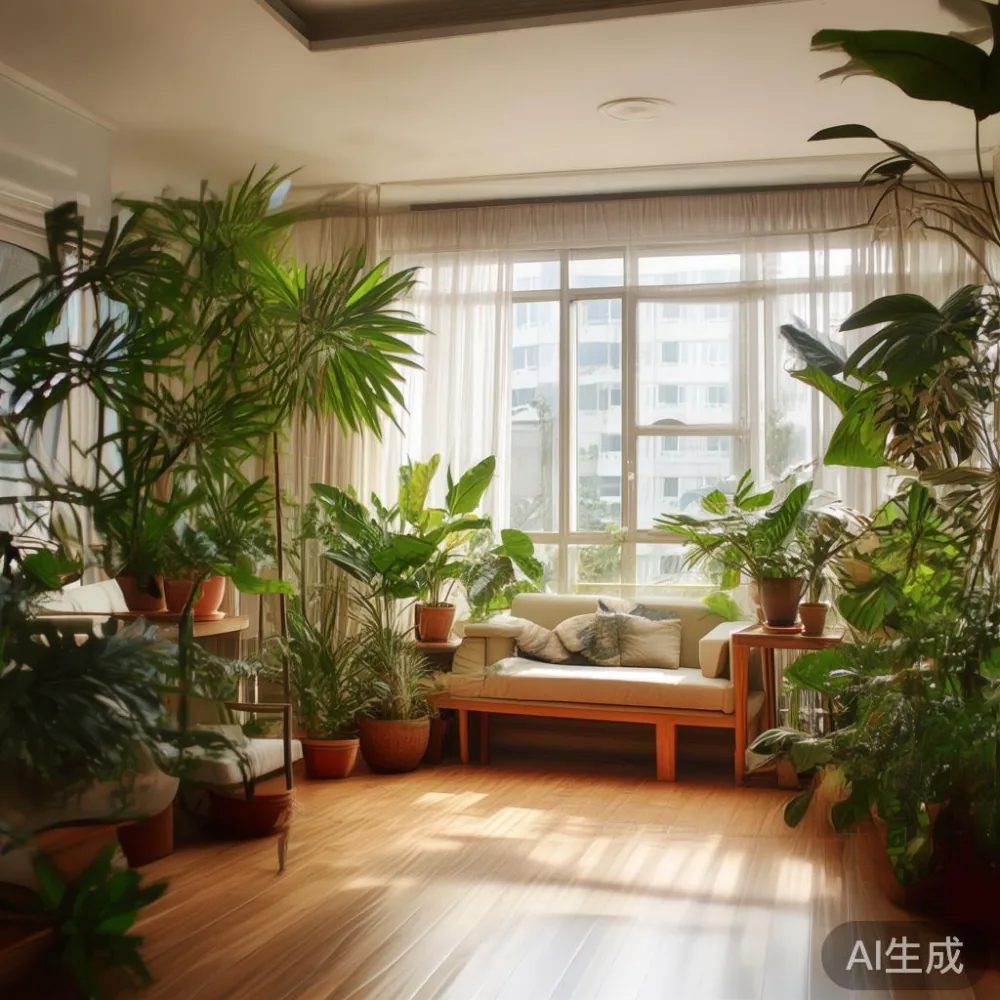
In contrast, a comparable set made from solid wood from a maker like MIDHILL would start around SGD 5,500. The same three-seater sofa, dining table, and console would be constructed from solid mango or oak wood. The price difference is significant, reflecting the higher cost of raw materials and the more labour-intensive craftsmanship required. This initial investment can be a major deterrent for homeowners working within a strict budget, especially when factoring in the 9% Goods and Services Tax (GST).
Year 1-2: The Cost of Wear, Tear, and First Repairs
The first couple of years are where the veneer furniture often shows its first signs of stress. In a Singaporean HDB livingroom, the environment is challenging. Air conditioning can dry out the air, while occasional high humidity can cause materials to swell. A veneer coffee table is particularly vulnerable. A hot mug placed directly on the surface without a coaster can create a white heat ring that is almost impossible to remove. Small chips can appear along the edges of the table or the sofa armrests from daily use.
Repairing veneer damage is not straightforward. A professional repair service might charge SGD 150 to SGD 300 to fix a single significant chip or deep scratch, as it requires careful colour matching and re-gluing. If the damage is extensive, the cost can quickly approach the price of a new, lower-end piece. During a recent visit to a client's home in Tampines, I saw a veneer wardrobe door that had been damaged by a moving trolley. The repair quote was SGD 280, nearly 20% of what the original wardrobe cost.
Solid wood furniture, conversely, is far more forgiving in its first two years. It may develop minor scratches, but these are often part of its character. A solid wood dining table can withstand hot plates better, and any surface scratches can often be buffed out with a wood polish. The maintenance cost is minimal, perhaps SGD 50 for a high-quality wood oil to nourish the finish and keep it looking its best. This lower maintenance requirement is a key advantage for busy homeowners.
Year 3-4: The Mid-Life Crisis of Your Furniture
By the third and fourth years, the performance gap between veneer and solid wood becomes more pronounced. Veneer furniture, especially on high-use items like a dining table or sofa, begins to show its age. The finish may start to look dull, worn, or cloudy. The MDF core can begin to weaken at stress points, such as the corners of a dining table or the joints of a bed frame. This is the period when veneer furniture often starts to look dated and cheap, no longer providing the aesthetic value it did when new.
The cost of refreshing veneer furniture at this stage can be high. A complete re-spray or re-lamination of a dining table might cost SGD 800 to SGD 1,200, and it's a process that can be difficult to execute well without professional help. For many, the financial and practical burden leads them to consider replacement. A homeowner looking for a Post-modern for small living room might find that their old veneer pieces no longer fit the desired aesthetic, prompting a full suite of new purchases.
Solid wood furniture, however, enters its prime during this period. With proper care, it looks better as it ages. The wood develops a rich patina, a deep, warm glow that is the hallmark of quality. If the finish does become scratched or worn, it can be professionally sanded down and refinished. This is not a repair, but a restoration. The cost to refinish a solid wood dining table or sofa frame is typically SGD 600 to SGD 1,000, and the result is a piece that looks brand new. This is a service that is often included in a lifetime refinishing warranty offered by established makers.
Is Solid Wood Furniture a Better Financial Investment Over 5 Years?
This is the central question for any homeowner. To answer it, let's tally the total cost of ownership over five years for both options. We will assume the initial purchase, any repairs, and the eventual replacement cost.
For the veneer set (initial SGD 2,800):
- Year 1: Minor repair for a chip on the dining table (SGD 80).
- Year 2: Repair for heat mark on the coffee table (SGD 120).
- Year 3: Re-spray of the dining table to restore finish (SGD 900).
- Year 4: Repair of loose MDF joint on the console (SGD 200).
- Year 5: The set is looking significantly worn. The homeowner decides to replace it. They buy a new, basic veneer set for SGD 2,800.
Total Cost over 5 years: SGD 2,800 + SGD 80 + SGD 120 + SGD 900 + SGD 200 + SGD 2,800 = SGD 6,900.
For the solid wood set (initial SGD 5,500):
- Year 1: Purchase of high-quality wood polish (SGD 50).
- Year 2: No significant repairs needed.
- Year 3: Professional refinishing of the dining table to restore its lustre (SGD 750). This is an optional service to keep the furniture looking pristine.
- Year 4: No significant repairs needed.
- Year 5: The furniture is in excellent condition. It has not been replaced. It retains a high proportion of its value.
Total Cost over 5 years: SGD 5,500 + SGD 50 + SGD 750 = SGD 6,300.
As this calculation shows, over a five-year period, the total financial outlay for a quality solid wood set can be comparable to, or even less than, repeatedly repairing and replacing cheaper veneer furniture. The solid wood option provides a piece that is an enduring part of the home, while the veneer option often leads to a cycle of diminishing returns. A homeowner searching for under 2000 Mid-century modern furniture might be tempted by veneer, but this long-term analysis reveals the hidden costs.
Style and Longevity: Choosing a Look That Lasts
Beyond the financials, the style and longevity of the furniture are critical considerations. A well-made solid wood piece has a timeless quality. A classic American light luxury style, with its clean lines and rich wood tones, or a French provincial for apartment design, with its elegant curves and painted finishes, can be adapted to changing decor trends simply by changing accessories. The solid wood structure remains relevant for decades.
Veneer furniture, by its nature, is more tied to specific trends. A post-modern for small living room design that relies on glossy, dark veneer may look dated much faster than a solid wood piece with a simpler, more enduring form. The durability of solid wood also means that a piece like a solid wood wardrobe can be passed down or sold second-hand, retaining its value and function. A veneer wardrobe, once damaged, often has little to no residual value.
When considering a new piece for the home, the question is no longer just about the price tag. It is about the value proposition. For example, a family moving into a new HDB in Punggol might invest in a solid wood dining table knowing it will withstand the daily use of a growing family for years to come. They might also look for the best Industrial sofa for 2026, knowing that its solid wood frame and durable upholstery will be a lasting asset. This long-term thinking is what defines a wise investment in one's living space.
To close, the choice between veneer and solid wood is a choice between a short-term, low-cost solution and a long-term, value-oriented investment. For the modern HDB livingroom, which serves as the backdrop for years of family memories, the durability, repairability, and enduring style of solid wood furniture present a compelling case. It is an investment that pays dividends in quality, longevity, and peace of mind, making it a financially sound choice for the discerning homeowner.