How to Care for a Lacquered Surface in a Tropical HDB Living Room
A lacquered solid wood sofa or dining table can look calm, pale and refined in a Singapore home, but the region’s heat, humidity and strong sunlight create a demanding care environment. In a compact HDB living room, where a polished surface may sit only 30 cm from a window or beside an air-conditioning vent, minor changes in sheen can be noticed quickly. Good care is less about keeping a table showroom-perfect and more about protecting it through ordinary use.
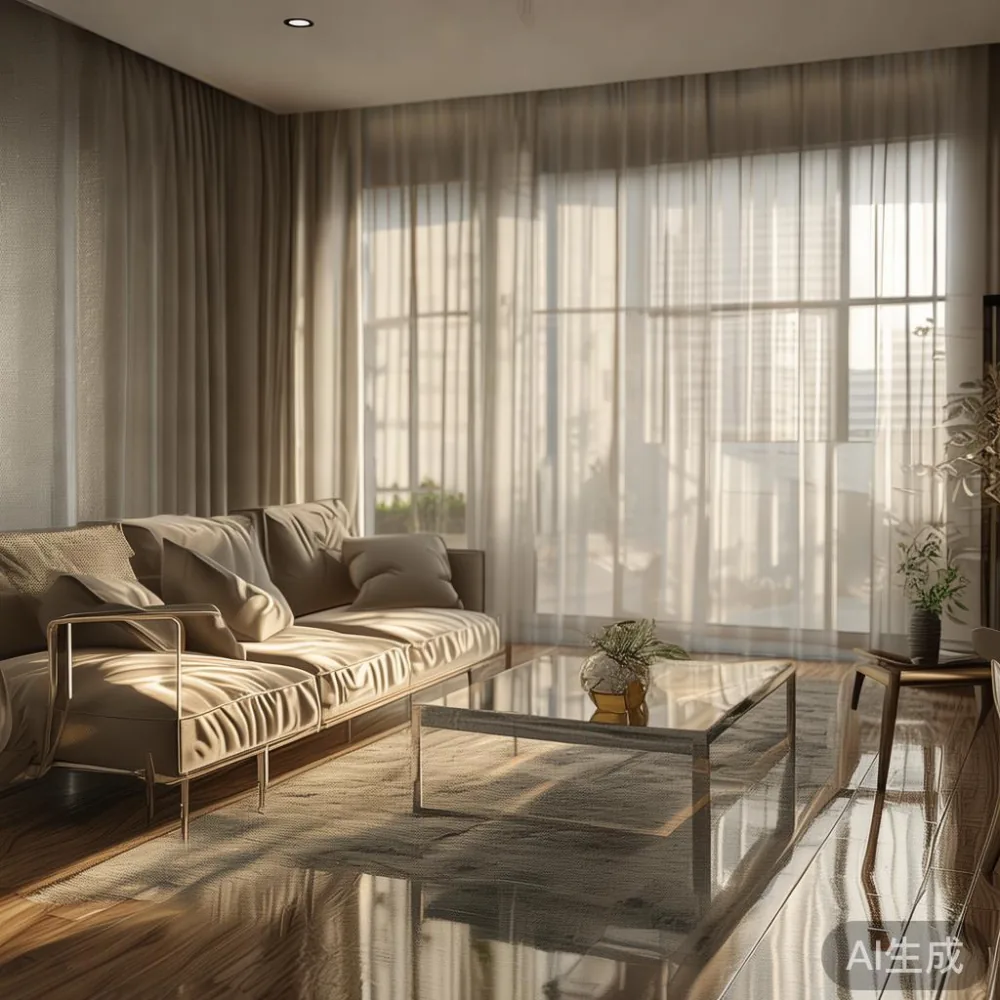
At MIDHILL, lacquer is treated as part of a larger furniture system rather than a decorative layer placed without support. The frame, joinery, finish and surrounding room conditions all affect how a piece ages. For residents in Tampines, Bedok, Punggol and newer condominiums, sensible humidity control, gentle cleaning and realistic traffic planning make care easier.
What is lacquer, and why does tropical humidity change the way it behaves?
Lacquer is a clear or coloured surface coating applied in thin layers. These layers create a smooth, reflective skin over wood. The appearance may suggest a glass-like barrier, yet lacquer can still respond to temperature swings, moisture and mechanical stress.
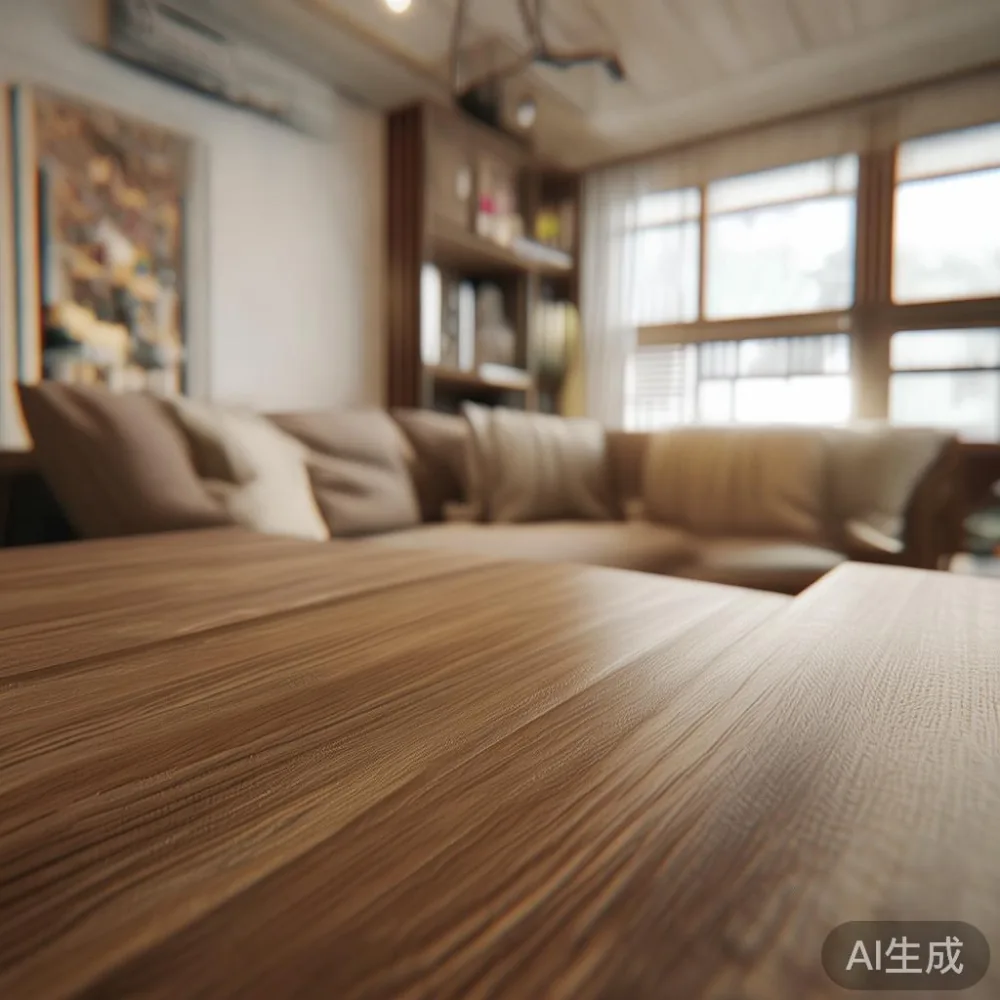
Singapore’s outdoor conditions can move between about 25°C and 33°C, while relative humidity commonly ranges from roughly 65% to 90%. A lacquered dining table near an open window may therefore experience several changes in a single afternoon. Expansion and contraction are normal for solid wood, and the finish must flex with the substrate. If the surface has a fine crack, lifting edge or dull patch, do not scrape it with a knife. Photograph the area in daylight, measure the affected zone and ask the supplier for finish-specific guidance.
Air-conditioning helps because it lowers both temperature and moisture. An ideal indoor range for this type of furniture is approximately 22–27°C and 45–65% relative humidity. A reading above 70% for many hours calls for improved airflow or dehumidification. Keep the item at least 60 cm away from a vent where possible, and use blinds or UV-filtering film to reduce direct sun. A hygrometer placed beside the piece costs about SGD 20–40 and makes a useful weekly habit.

How should I clean a lacquered surface without damaging the finish?
Begin with a soft, lint-free cloth. For routine cleaning, dampen it with clean water and wring it until only a trace of moisture remains. Wipe in the direction of the grain, then dry immediately with a separate cloth. This method is suitable for a lacquered nightstand, sideboard or coffee table that receives light use.
For fingerprints and light marks, add a small amount of mild dish soap to a bowl holding about 500 ml of water. The mixture should be nearly clear rather than foamy. Test it on a 10 × 10 cm area that is not visually prominent, wait 10 minutes and inspect the sheen before treating the entire panel.
Do not use vinegar, ammonia, alcohol, bleach, abrasive pads, steel wool or household polish unless the lacquer manufacturer explicitly permits them. Silicone-based sprays can leave a hazy film, while wax can become difficult to remove during refinishing. Avoid spraying cleaner directly onto furniture: overspray can enter joints or leave a tide-like ring. For a marble table, use stone-safe pH-neutral cleaner, because acidic spills can etch marble even when the top is protected by lacquer.
Spills deserve prompt attention. Blot rather than rub. If a drink has been sitting for more than 15 minutes, lift any residue with a barely damp cloth and allow the area to dry naturally. Never place a hot mug directly on lacquer. Use a coaster with a base of at least 8 cm and a silicone or felt underside. For the best European light luxury bed for 2026, pair the frame with a tray or integrated table rather than balancing drinks on the footboard.
How often should lacquer be dusted, protected and inspected?
A weekly dusting routine prevents abrasive particles from becoming embedded in the finish. Use a clean microfibre cloth, change it after every 2–3 uses, and avoid shaking dust onto the floor. In a high-traffic HDB living room, a 5-minute wipe every Saturday is usually enough. In a cooler, quieter bedroom, a fortnightly schedule may suffice.
Check the surface every 3 months for changes in gloss, fine lines, lifting or a cloudy area. Look at the furniture in daylight as well as under warm evening lamps, because glare can hide shallow scratches. Move coasters and felt pads rather than sliding them across the top; each felt layer should be around 2 mm thick and replaced yearly.
Annual maintenance may include applying a compatible cleaner or conditioner only if the finish supplier recommends it. Apply no more than a pea-sized amount to a cloth, not the furniture. Buff for 30–60 seconds and remove any residue. If the lacquer is already ageing, another commercial polish may yellow the surface or complicate future refinishing.
Living near the coast or on an upper floor can increase salt deposition. Wipe accessible surfaces every 2 weeks and clean nearby metal fittings monthly. Avoid placing a lacquered wardrobe directly against an exterior wall where condensation can form. For solid wood components, maintain 4–6 cm of ventilation space at the back where the design allows it.
Is French provincial wardrobe worth it for Singapore storage?
The question “is French provincial wardrobe worth it” depends less on the decorative label than on clearances, climate performance and daily access. A full-height wardrobe in an HDB bedroom may measure 180–240 cm tall and 90–150 cm wide. Before ordering, check whether the lift door, corridor and turning radius can accommodate the packed carton. A 120 cm wardrobe may need to remain flat during transport, while a knock-down unit can fit through a 70–80 cm doorway more easily.
French provincial styling uses curved edges, moulding and pale finishes, all of which can make a compact bedroom feel softer. The style also requires careful colour coordination with lacquered furniture. If the wardrobe already has a smooth, durable finish and the rest of the room is restrained, one ornate piece may look intentional. If the wardrobe, bed frame and side tables all carry heavy carving, a compact space can become crowded visually.
For anyone comparing under 2000 French furniture options, identify whether the quoted price includes GST, delivery to the unit level, assembly and removal of packaging. Singapore’s standard GST is 9%. A wardrobe advertised at SGD 1,680 before GST becomes SGD 1,831.20 after tax. Separate in-room delivery is often SGD 40–120, and extra lift or corridor handling may add SGD 20–60. Confirm the final landed amount before placing an order.
The physical measurements matter just as much as the style. Measure the wardrobe space at floor, waist and shoulder height, since older walls may not be perfectly square. Leave at least 5 cm above a tall unit for wall fixings where required, and check that drawers can open through a 90° angle without striking a bed or door.
Can sunlight, heat and humidity be managed around a lacquered dining table?
Yes, with sensible placement and habits. Singapore’s midday sun can be intense, particularly on west-facing living rooms in Tampines or Punggol. If direct rays strike the table for 3–4 hours each day, use sheer curtains for the first layer of protection and blackout or solar film for the second. A UV film can reject a useful share of ultraviolet radiation, but it cannot stop all heat. Curtains also reduce dust and humidity near an open window.
Keep a dining table away from a radiator, toaster oven or tabletop induction unit. Allow at least 30 cm of clearance around a heat source unless the furniture supplier states otherwise. Place serving boards and trivets under hot pans. A 35 cm round trivet provides a stable barrier, and a 40 × 30 cm leather placemat can protect a larger dining setting from ring marks.
Good airflow helps lacquer dry after cleaning. Open the relevant windows when outdoor humidity is lower than indoor humidity, or run the air-conditioner’s dry mode if the model offers it. Do not aim a floor fan directly at a wet surface for more than 10 minutes, since forced airflow may cause rapid surface drying while moisture remains around the edges.
A dining table near the kitchen may also encounter cooking oils and steam. Use a separate sideboard for frequently used oils, and clean the lacquered surface before film builds up. Allow hot dishes to cool for 10–15 minutes before placing them on wood. These habits protect a solid wood dining table without turning it into a display item.
Will a lacquered finish scratch, and should I repair marks myself?
Light scratches can appear after several years, particularly in a shared family living room. A superficial mark may respond to a finish-compatible touch-up product, but colour, sheen and chemistry vary. Deep scratches, chips or edge lifting are better handled by a professional because sanding too aggressively can expose bare wood.
For a very fine mark, clean the area first and wait until it is completely dry. Try a lacquer-specific repair pen only after testing it in a hidden spot. Match the colour under the same lighting used in the room, not under a shop display lamp. If the mark remains visible after 10 minutes, stop; repeated applications can make the repair look darker than the surrounding finish.
Some scratches are not caused by objects but by everyday grit. A chair leg should never drag across the floor. Use a felt floor protector under a solid wood sofa or dining chair, and replace it when compressed. Lift furniture when moving it, even when the total weight is under 20 kg, because twisting can stress lacquer more than the load itself.
Major repairs should follow a proper sequence: clean, assess, stabilise the loose finish, prepare, apply compatible lacquer and level the sheen. The number of coats and drying times depend on the product. Ask for a sample on an offcut and allow it to cure for at least 72 hours before judging the result.
How do I plan care around lifts, narrow corridors and compact HDB layouts?
Delivery planning matters because a protected lacquer finish can still be damaged during handling. Measure the lift door, lift car, corridor turns, staircase and the route into the living room before dispatch. Record the narrowest point in centimetres and compare it with the packed dimensions, not merely the assembled dimensions. A 5 cm tolerance is sensible, although more clearance may be needed to pivot a long carton.
For a lacquered dining table, ask whether the top detaches from the base. A 160 cm solid wood dining table may weigh 55–85 kg depending on its design and timber. Carrying it upstairs as one piece risks frame movement and finish damage. If the manufacturer offers a split-top design with protected joining hardware, that can simplify both delivery and future moving.
Protect entry routes with a rigid floor runner 2–3 mm thick. Photograph the lift interior and corridor before the movers enter, and inspect the furniture after unpacking. Keep screws, keys and moisture-absorbing packets in one labelled bag. Do not leave a newly delivered piece beside a damp laundry basket for 24 hours; let the finish and wood acclimatise in a dry, ventilated room.
Compact living rooms can look elegant with fewer, carefully scaled pieces. A 140–170 cm solid wood sofa may suit a broad HDB living room, while a 120–140 cm model can work in a smaller flat without blocking circulation. A 40–50 cm coffee table leaves useful space around a 90 cm sofa. If searching under 2000 Nordic furniture, check whether the seller specifies solid wood, veneer, solid veneer or fibreboard, as each has different care needs.
For a bedroom, a low Japandi-style bed frame complements pale lacquer and natural timber without making the room visually heavy. When working out how to style Japandi bed in apartment, choose simple bedding, 1–2 warm textiles and a narrow nightstand. Rustic for small living room styling can be achieved through one timber stool, woven texture and warm lighting rather than filling every surface with distressed objects.
What care support should I look for before buying?
Look for a supplier that explains the finish, offers a long-term repair plan and has a clear process for handling transit damage. MIDHILL was established in 2008 and exports to more than 15 countries, with a 10-year structural warranty and lifetime refinishing service for qualifying products. These policies are useful because lacquer care is connected to the frame, moisture behaviour and transport quality.
Written support should answer practical questions: Which cleaner is approved? Can a colour sample be supplied? How are chips assessed? How long should a repair finish cure before use? Is refinishing available for lacquered surfaces, or does the service cover the underlying solid wood only? The distinction should be stated plainly before purchase.
Check delivery and return terms in Singapore dollars. MIDHILL offers free shipping for orders over US$350, so an international buyer should compare that threshold with the SGD total after GST, exchange rates and local delivery. The company also provides a 14-day return period, subject to the stated product conditions. For a local Singapore purchase, request the final SGD invoice and confirm whether assembly, lift delivery and GST are included.
Can a simple care routine keep a lacquered HDB living room looking refined?
Yes. A 5-minute weekly wipe, a careful inspection every 3 months and attention to coasters, sunlight and humidity will handle most routine care. Keep a 20 cm square microfibre cloth, a small bowl for diluted cleaner and two spare coasters in the living room. Record the purchase date, finish type and warranty documents in a phone folder so that future care or refinishing can be handled without guesswork.
Most importantly, allow the furniture to be used. Lacquer is not meant to remain untouched under a glass cloche. It should support daily meals, conversation, reading and family routines while receiving proportionate protection. With the right room conditions and a consistent routine, a solid wood sofa, bed frame, dining table, wardrobe, nightstand or marble table can retain its character for many years.