Small HDB Living Room Styling: How to Furnish Without the Crowded Feeling
My colleague just took the keys to a 4-room Build-to-Order flat in Punggol. The floor plan reads 92 sqm on paper, but the hdb livingroom area between the kitchen counter and the window wall measures only 3.1 m by 2.8 m — roughly 8.7 sqm once you exclude the air-con ledge and the 60 cm deep cabinetry. She sent me a WeChat message the morning after moving in: "I bought a three-seater sofa, a coffee table, and a TV console in one afternoon. Now I cannot open the balcony door." I drove over to Tampines that Saturday with a tape measure and a small notebook. What followed was a half-day lesson in how to style a small apartment without making it feel crowded, and the lessons translate to almost every HDB flat from Bedok to Sengkang.
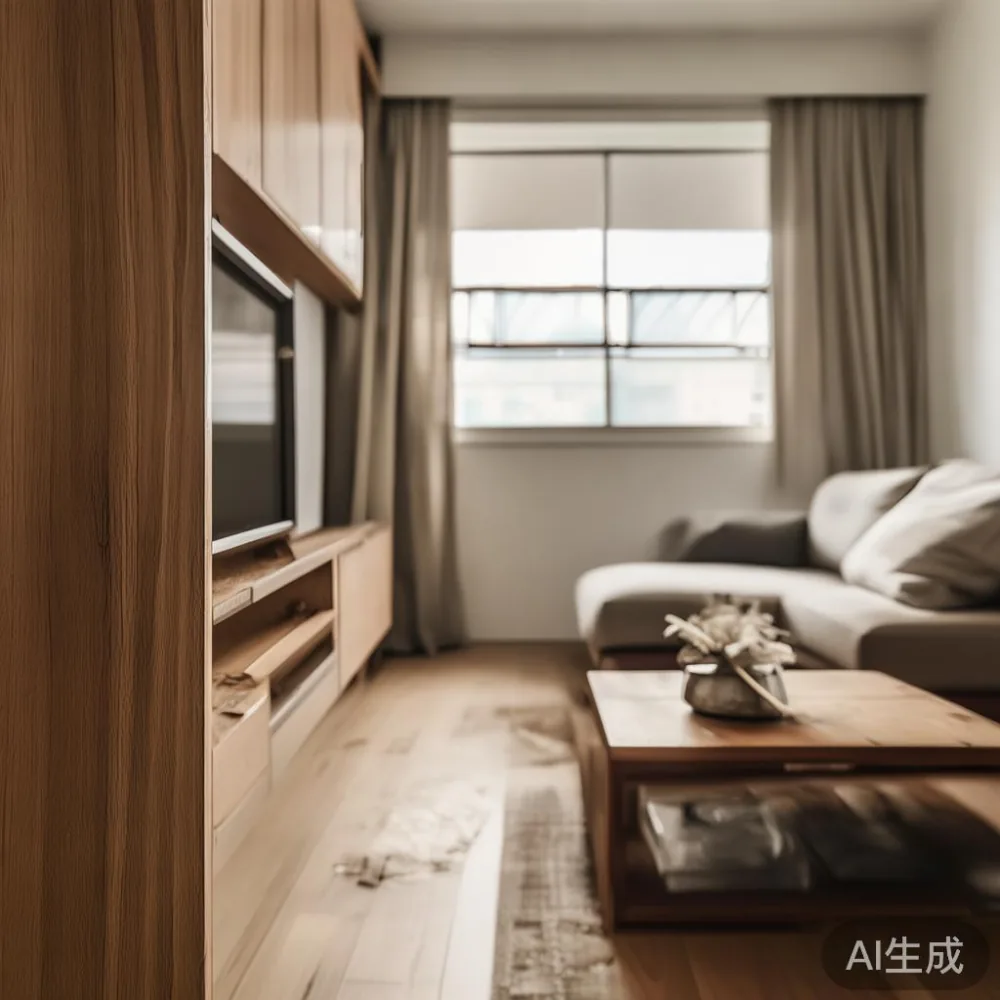
What actually makes a small HDB living room feel crowded?
Crowded is not a function of how many pieces you own. Crowded is what happens when the visual weight of your furniture exceeds the visual volume of the room. I learned this from a 28-year-old architect I met at a kopi tiam near Kovan MRT — he told me the rule his studio applies to every apartment under 90 sqm: if a piece is taller than 90 cm, you need 80 cm of breathing room on at least two sides. In a typical hdb livingroom, where the ceiling is 2.7 m and the doorway is only 0.9 m wide, a 1.05 m tall solid wood wardrobe can dominate an entire wall if it sits flush to the door frame.
Three numbers worth memorising for any HDB unit in Singapore:
1. Standard corridor width inside the flat: 1.0–1.2 m.
2. Lift door opening in most blocks built after 2010: 0.9 m wide by 2.1 m tall (older blocks in Bedok sometimes have 0.8 m doors, so always measure the lift before ordering anything wider than 80 cm fully assembled).
3. The lift itself, for newer blocks like those in Punggol Northshore, is usually 1.4 m deep by 1.6 m wide — a sofa longer than 2.2 m will not fit unless delivered in two pieces.
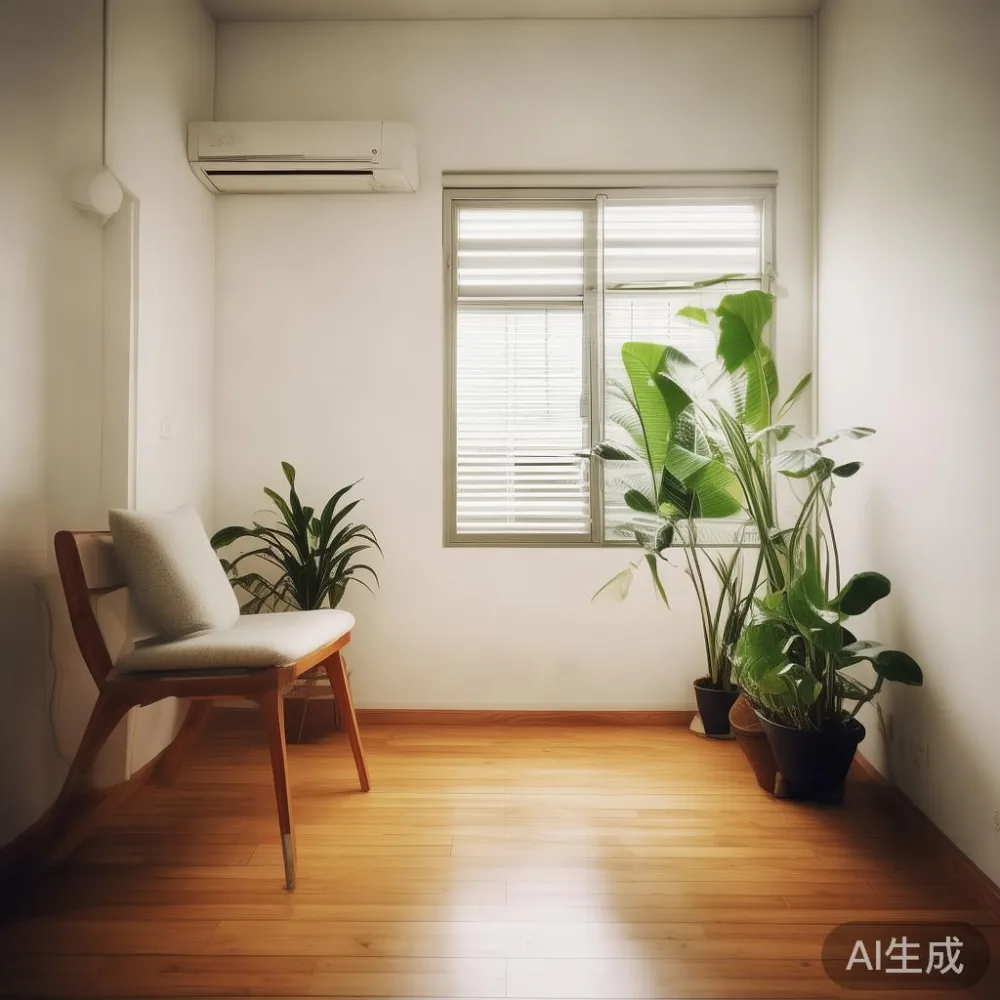
Your eye reads depth by the gaps between objects. A 1.8 m sofa sitting 15 cm from a wall looks bigger than a 2.2 m sofa sitting 45 cm from a wall. The fix is almost never "buy smaller." The fix is "buy pieces with exposed legs, low backs, and lighter materials."
How do I choose a fabric sofa for a small apartment?
Choose a fabric sofa with a raised base of at least 12 cm, a single-cushion seat no deeper than 85 cm, and armrests under 12 cm wide — anything bulkier will eat your walkways in a compact hdb livingroom. I tested two sofas back-to-back at the MIDHILL showroom in Foshan last month: a 2.1 m three-seater in oat linen and a 1.9 m two-seater in the same fabric. The two-seater, surprisingly, was the one my colleague chose for her 8.7 sqm living room, because the three-seater ate 35 cm of additional floor space and pushed the coffee table 20 cm closer to the TV console.
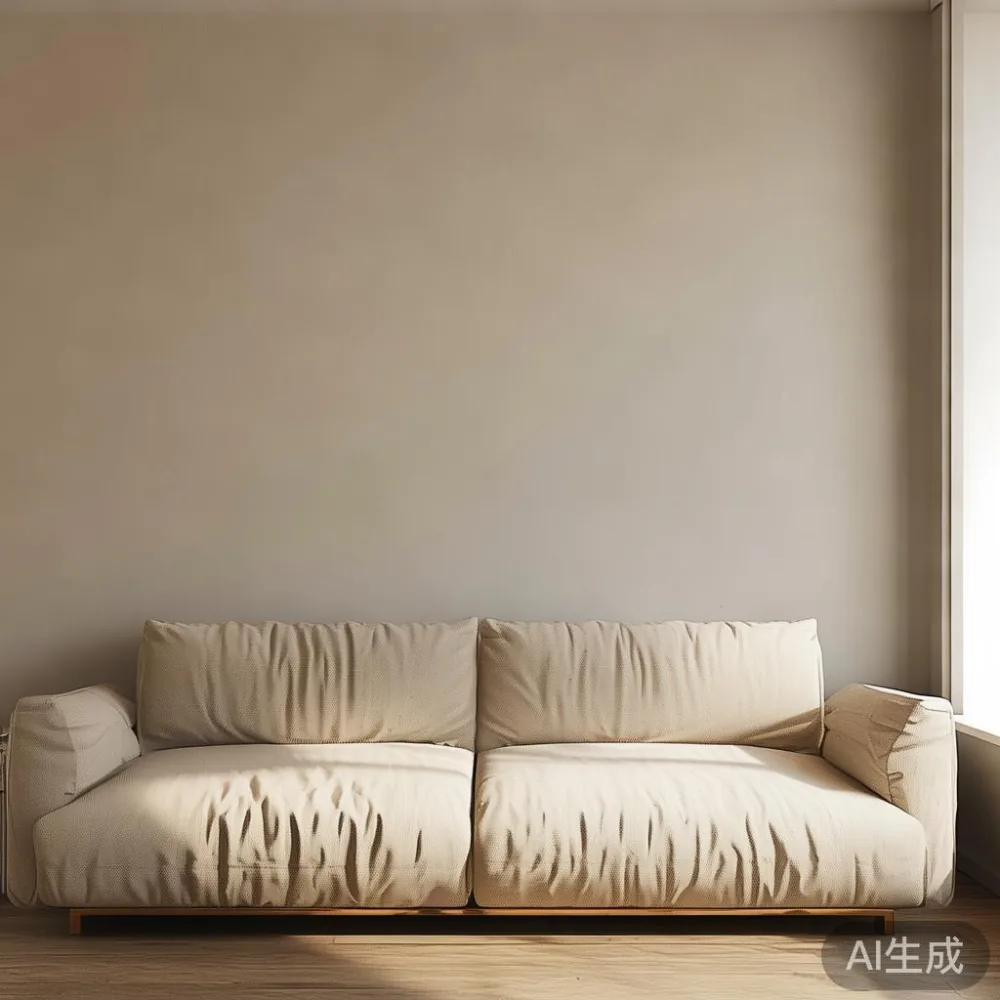
Fabric matters more than size in a Singapore context. Linen-cotton blends breathe well in our 28–34 °C weather, but a tight weave in a pale neutral (think oat, greige, stone) reflects light and makes walls recede. A bulky bouclé sounds cosy on Pinterest but reads as a solid block at 1.5 m viewing distance — your phone screen. Sofa seat height should sit between 42 cm and 46 cm from the floor; lower than that and your knees complain within a week. A good quality solid wood sofa frame in rubberwood or ash will add about 8 kg per metre versus a MDF alternative, so budget a stronger lift team if you live above the 10th floor.
Pick a dining table that earns its footprint
A dining table in a small HDB is usually placed against a wall, near the kitchen entrance, or in a combined living-dining area of 4.5 m by 3.0 m — the most common layout in a 4-room BTO. My rule after measuring eight flats from Tampines to Punggol last quarter: the table length should never exceed 70% of the wall it sits against, and you need at least 60 cm clearance on the chair-pull side so someone can squeeze past without scraping the wall.
For a 3–4 person household, a 1.2 m to 1.4 m rectangular solid wood dining table in oak or ash works. Marble table alternatives in sintered stone are popular on Instagram but a 1.4 m sintered marble table weighs 65–75 kg — almost double a comparable oak table at 38–42 kg. If your lift limit is 600 kg (the standard in most HDB blocks built after 2015) you are fine, but you will need two delivery men plus a trolley, and the stair access corridor in older blocks in Bedok Reservoir is only 1.05 m wide, which means the table will not pivot at the landing unless it is flipped vertically. A friend in Bedok had a marble table refused by her delivery team last month because of exactly this — they rebooked for a smaller 1.2 m version the following Saturday.
Round tables solve a lot of geometry problems in tight hdb livingroom layouts. A 1.0 m round table seats four comfortably, has no sharp corners to bruise shins, and the diameter stays under 1.2 m — within almost every HDB lift door. Pair it with armless chairs under 45 cm wide, and the whole setting disappears visually when not in use.
Storage that doubles as zoning
In an HDB flat without a clear boundary between the living room and dining area, a 35–45 cm deep open shelving unit acts as a soft partition. I helped my colleague install a 1.8 m tall solid wood bookcase with a 30 cm base cabinet and open shelves above; the unit is 38 cm deep, 180 cm tall, and 120 cm wide, weighing roughly 42 kg. Two strong friends and one helper got it up the lift in under 12 minutes.
For closed storage, look at full-height wardrobes that span floor to ceiling in the bedrooms — this frees the living room from over-flow clothing storage. A 2.4 m tall by 1.8 m wide wardrobe from a brand like MIDHILL (which I visited during the same Foshan trip — they have been making solid wood pieces since 2008 and ship to 15+ countries with a 10-year structural warranty) typically weighs 80–95 kg and arrives flat-packed in three boxes. Flat-pack matters here because the heaviest single box usually sits between 28 kg and 34 kg, well within the carry weight of one delivery man up a HDB corridor.
Nightstands in the bedroom are an often-overlooked hdb livingroom adjacent category. A 45 cm wide nightstand with one drawer and a 5 cm overhang top reads as architectural rather than bulky. Avoid anything deeper than 40 cm unless the bed frame has built-in side tables — the standard 1.5 m wide bed frame with a 10 cm mattress overhang leaves only 38 cm of usable space per side in a typical 3.2 m by 3.0 m HDB master bedroom.
What about an L-shape master bed for kids room in a small flat?
Surprisingly, an L-shape master bed for kids room can free up the living room by pushing sleep and study into a single footprint — many parents I spoke to in Punggol use a 1.6 m by 2.0 m L-shape bed to consolidate a toddler's nap area, a study desk, and a 4-drawer chest in 3.2 sqm of floor space. The L-shape lets the headboard sit against the longest wall, with a 60 cm wide return that holds the desk and shelves, freeing the rest of the room for play. I watched one being assembled in a Hougang flat last month — the family reclaimed about 1.8 sqm of usable floor compared to their previous separate bed + desk + wardrobe setup.
For the living room, this also means less overflow: toys, books, and craft supplies stay inside the bedroom, so the sofa area stays visually clean.
Colour, light, and the SGD price of getting it right
Singapore homes run 80–90% humidity nine months of the year. Solid wood furniture moves — about 2–3 mm per metre across seasons — so leave 8 mm expansion gaps along walls behind any solid wood wardrobe or TV console. Skirting this rule is the fastest way to crack plaster within a year.
For a complete small-HDB furniture package built around light luxury positioning — a style that takes cues from French light luxury (think pale oak, curved edges, brushed brass) crossed with American light luxury (think wider seats, deeper cushions, more relaxed proportions) — the realistic SGD budget for a 4-room flat in 2026 sits between S$6,800 and S$11,500 before GST. A breakdown from a recent Tampines project:
- 1.9 m solid wood sofa in linen: S$1,650–S$2,100
- 1.2 m round dining table in ash + 4 chairs: S$1,400–S$1,950
- 1.8 m TV console in oak veneer on solid wood base: S$780–S$1,100
- 1.8 m open shelving / room divider: S$620–S$890
- Queen bed frame with 12 cm clearance: S$780–S$1,150
- 2 nightstands: S$380–S$520
- 2.4 m wardrobe in three flat-pack boxes: S$1,200–S$1,780
Total before GST (9% in 2026): S$6,810–S$9,490. Add S$120–S$240 for lift-access delivery, free above S$350 if you order from international suppliers like MIDHILL who ship to Singapore with 14-day returns and lifetime refinishing — a meaningful service because solid wood will show wear marks every 4–5 years, and a free re-sanding in year seven pays back a chunk of the original cost.
One last detail I noticed in my colleague's Punggol flat: the biggest visual win came from the cheapest move. She removed the four doors of her living room built-in cabinet (kept them, just unscrewed the hinges), replaced them with a single sage-green curtain on a ceiling-mounted track, and tucked toys, cables, and the router behind it. Cost: S$48. Effect on the room: she gained roughly 0.6 m of perceived depth because the cabinet stopped reading as a wall of objects. Sometimes the smallest HDB livingroom styling trick is the one you do not buy.