How to Care for Lacquered Solid Wood Furniture in a Tropical HDB Home
Singapore’s warmth and humidity can make lacquered furniture look tired faster than expected. Sunlight through HDB windows, air-conditioning condensation, salty coastal air near Bedok and Tampines, and daily meals around a dining table all affect the finish. Good care does not require specialist equipment: it needs a short routine, sensible placement, and quick responses to spills.
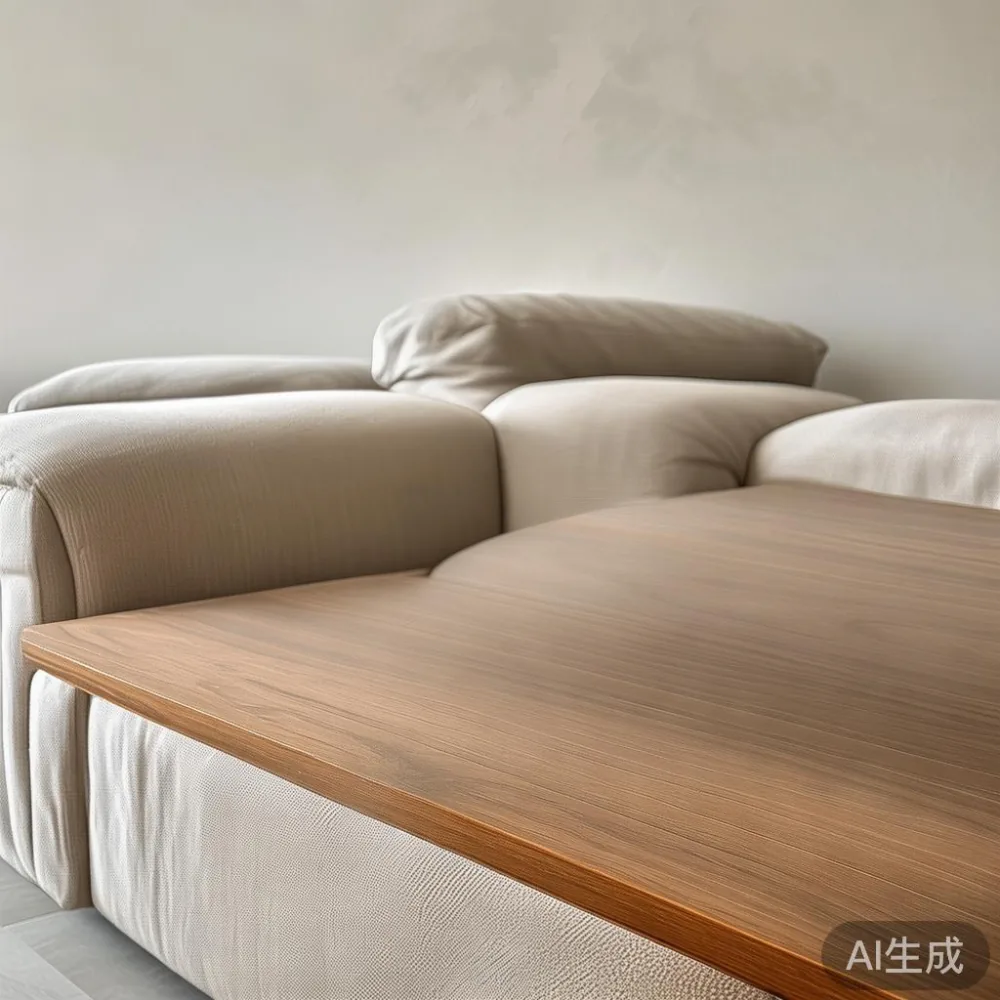
This guide covers lacquered solid wood pieces used in an hdb livingroom, including a solid wood sofa, bed frame, dining table, wardrobe, nightstand, and marble table. For Singapore households, protecting the surface means balancing humidity, heat, cleaning, and storage rather than treating lacquer as an invisible layer.
MIDHILL makes solid wood furniture for homes and export markets, with a 10-year structural warranty and lifetime refinishing service. Its care guidance focuses on long-term use: preserve the timber, maintain the lacquer, and make delivery and replacement practical for local buildings.
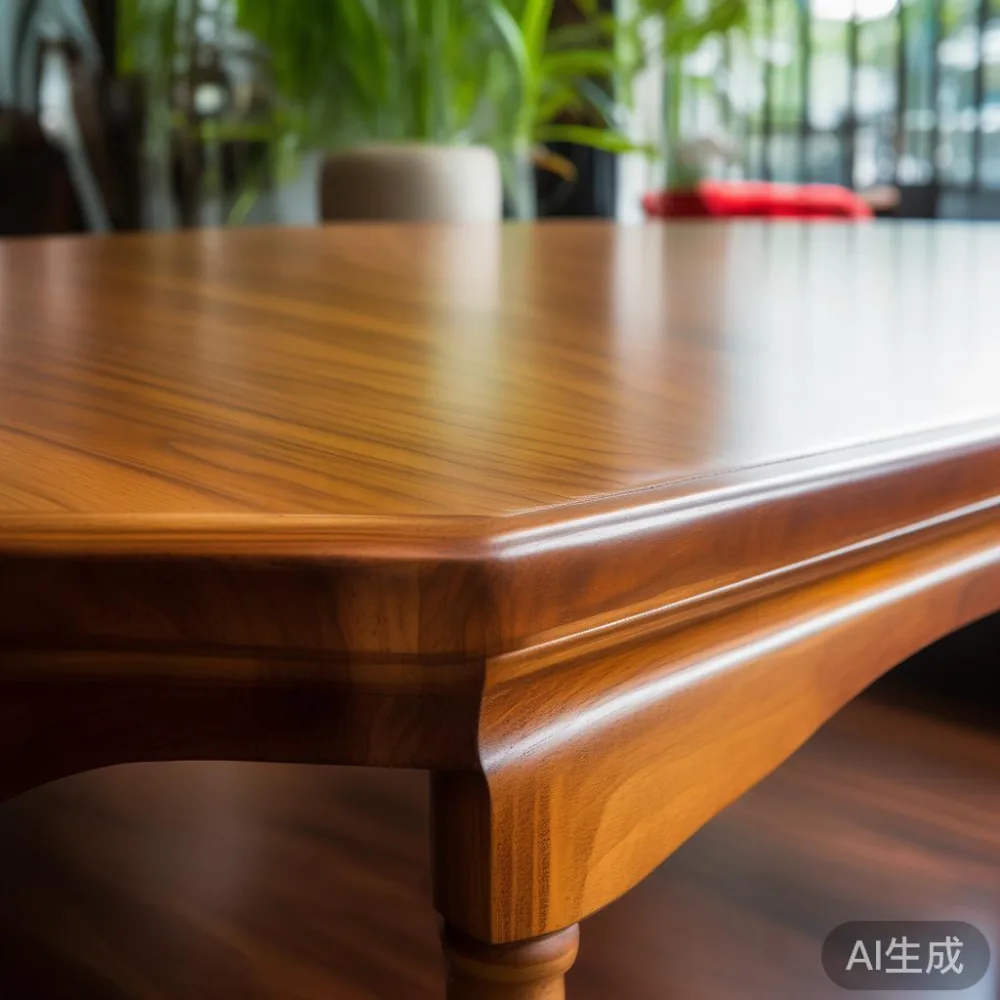
Why does lacquered furniture need special care in Singapore?
Lacquer creates a smooth, usually glossy or satin surface over wood. It can resist ordinary marks, but tropical conditions place several demands on it. Outdoor temperatures commonly reach 31–34°C, relative humidity often stays above 70%, and a west-facing HDB unit can receive strong afternoon sun. The finish expands and contracts more than the timber underneath, so repeated heat and moisture cycles may lead to checking, dulling, or lifting along edges and joints.
Air-conditioning helps. A living room maintained near 24–27°C and 45–60% relative humidity gives the furniture more stable conditions. Keep vents and ceiling fans from blowing directly at cabinets or tabletops. A hygrometer placed near the room’s centre is inexpensive, usually S$12–S$28, and gives a clearer reading than a weather app several kilometres away.
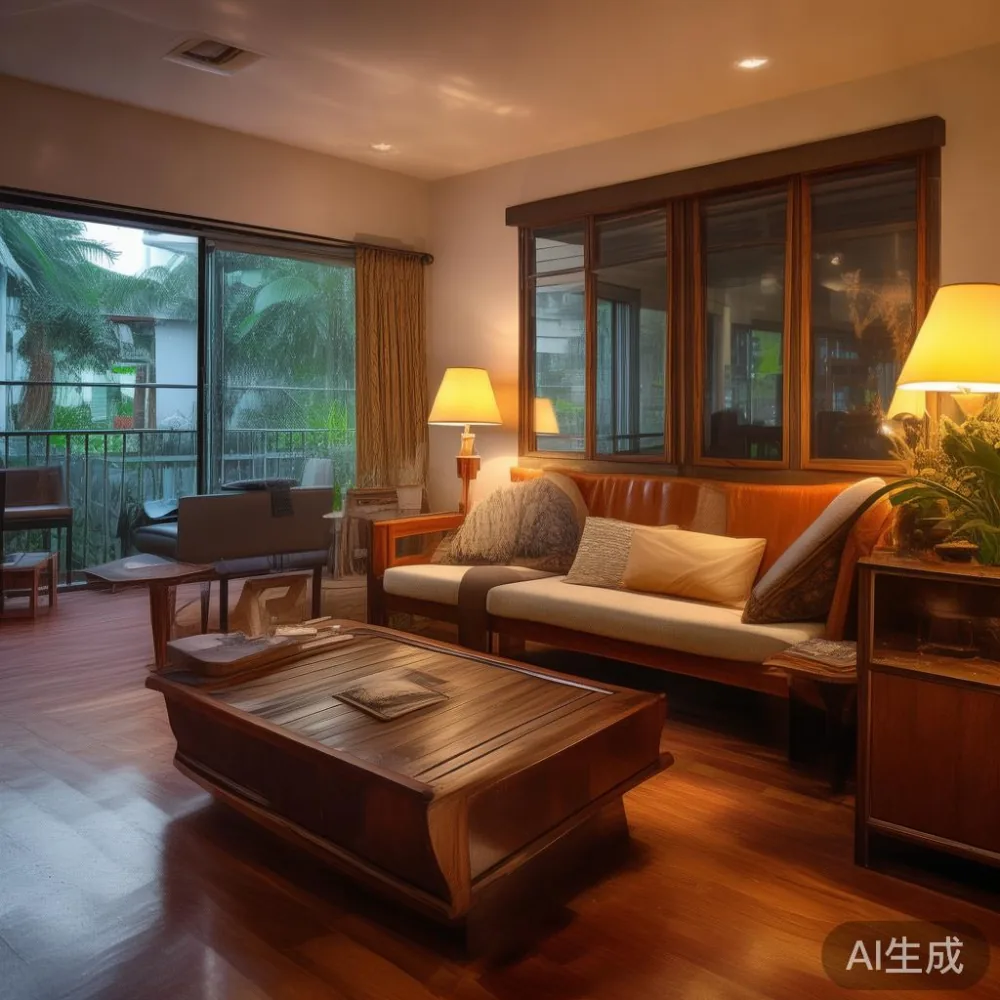
Sunlight is another factor. UV exposure can fade colour and weaken a clear finish. Place lacquered pieces 60–90 cm away from windows where possible, or apply a solar film that blocks a substantial share of UV rays. Curtains should close by around 11 a.m. in east-facing units and 3 p.m. in west-facing ones. If the sofa is directly under a window, rotate cushions and check the timber every 3 months.
What cleaning products are safe for lacquered wood?
Use a soft, lint-free cloth, lukewarm water, and a small amount of mild dish soap. Mix roughly 1 teaspoon of detergent with 500 ml of water, dampen the cloth, and wipe the surface. The cloth should feel damp, not wet. Dry immediately with a separate microfibre cloth. This routine suits lacquered dining tables, wardrobes, nightstands, and solid wood sofa frames without leaving a residue that attracts dust.
Avoid silicone sprays, furniture polish with wax, ammonia, bleach, alcohol-based cleaners, and abrasive pads. They can haze the lacquer, soften it, or strip its protective qualities. Test any unfamiliar cleaner on a hidden 5 cm × 5 cm area and wait 24 hours. Even diluted vinegar is unnecessary for routine cleaning, because its acidity can dull the finish over repeated use.
Clean lacquer every 1–2 weeks during humid periods and every 2–4 weeks when the air-conditioning is running regularly. Dust the upper surfaces first with a dry cloth, then wipe the damp cloth over the remaining dust. For the base of a solid wood sofa or bed frame, use a vacuum with a brush attachment and avoid forcing debris into joints.
Spills should not be left overnight. Remove liquid within 5 minutes. Blot rather than rub, lift residue with mild soapy water, and dry with a soft cloth. Ring marks around a cup can often be lifted with a lightly damp cloth and mild detergent. If a mark remains, ask a refinisher to assess it instead of trying increasingly strong chemicals.
How should humidity and heat be controlled around lacquered furniture?
Stable indoor conditions matter more than occasional polishing. In an hdb livingroom, aim for 45–60% relative humidity and 24–27°C. Singapore’s rain and humidity can push damp wooden cabinets in a ground-floor Tampines unit or near a bathroom wall. Leave 3–5 cm of ventilation space at the rear of a wardrobe where the design permits, and inspect skirting boards for moisture every 3 months.
Do not place a lacquered bed frame or nightstand against a cold exterior wall that sweats during a sudden downpour. Use a moisture-absorbing product rated for indoor spaces, not loose garden moss or charcoal that may spill debris. For wardrobes installed beside a source of condensation, maintain a 5 cm gap from the wall and keep the room ventilated for 20–30 minutes after bathing.
Heat sources need distance. Keep a lacquered dining table or marble table at least 60 cm from a portable heater, 1 m from a toaster oven, and 1.5 m from an open flame. Hair straighteners and curling irons should rest on heat-resistant stone, not on a lacquered nightstand. Coastal residents should also rinse nearby metal fittings periodically, as airborne salt can transfer to damp surfaces.
Do not attempt to correct peeling lacquer by painting over it in a humid room. Moisture may be trapped beneath the new layer. Photograph the affected area, note its size, and contact MIDHILL’s refinishing service. A lacquered dining table often needs a professional assessment because its top, underside, and edges may behave differently during expansion.
How can small HDB living rooms remain light without looking crowded?
French light luxury works well in an hdb livingroom when pale finishes, restrained profiles, and a limited number of materials replace heavy visual detail. A solid wood sofa with a light oatmeal fabric can sit opposite a low-profile dining table, while one tall cabinet may provide enough storage without making a 90–110 cm wide room feel compressed.
Measure before delivery, especially around lift lobbies and corridors. A common HDB lift car may measure about 110 cm by 140 cm, with a door opening near 80–90 cm, although older blocks vary. Check the lift’s posted dimensions, staircase turns, and door widths. A dining table delivered as a single top may fit a lift but block the corridor; a knock-down design with legs removed can reduce the largest section to 20–30 kg.
Budget S$30–S$80 for a local delivery service within many Singapore districts, but building rules may add a handling fee. MIDHILL provides free shipping on qualifying orders over US$350, with the final delivery quote confirmed before dispatch. Standard production can require 30–45 days, and a booked delivery date should allow another 3–7 days for access checks and building coordination.
For ideas, searches for Minimalist for small living room layouts often reveal useful scale studies, but measure every item before ordering. A 180 cm sofa can dominate a compact HDB living room, while a 160–170 cm model may preserve a 60–75 cm circulation route. The hdb livingroom should still accommodate a person carrying a laundry basket, which is roughly 45–55 cm wide.
Storage light luxury should remain functional. A lacquered wardrobe with adjustable shelves at 30–38 cm intervals can hold folded clothes and household items, while a nightstand with one drawer can contain charging cables. Researching light luxury with storage is useful for comparing drawer travel, shelf depth, and handle projection rather than judging appearance from a catalogue image.
Can lacquered wood be repaired, and what does a 10-year structural warranty cover?
Small surface marks and lacquer damage are different from structural failure. A 10-year structural warranty protects eligible frames, joints, and structural components against manufacturing defects. It does not mean every scratch, stain, or peel is automatically covered, since surface wear depends on placement and use. Keep purchase records, delivery photographs, and care notes for the first 24 months.
For light scratches, a technician may polish or spot-finish the affected area. Deep gouges, water staining, or flaking over more than 10 cm generally require more detailed treatment. Photograph the damage in daylight and at a 45-degree angle. Include measurements and information about humidity, sunlight exposure, and cleaning products used. This helps a refinisher determine whether the lacquer or underlying timber needs attention.
MIDHILL offers lifetime refinishing for qualifying products, although transport, project assessment, and applicable charges should be confirmed before work begins. If a dining table needs restoration, the furniture should remain indoors and stable while the technician assesses it. Do not stack boxes on a lacquered dining table or use it as a temporary workbench for up to 15 kg of tools.
Marble requires related care. Lacquered timber and a marble table should both be protected from acidic liquids, but stone also needs pH-neutral products. Wipe juice, wine, and vinegar within 10 minutes. Use coasters and trivets, inspect silicone coasters every 6 months, and avoid dragging objects across the top.
How do I choose lacquered furniture for a condo or HDB flat?
Ask for lacquer details before ordering: lacquer type, sheen level, coating process, colour, expected care, and repair options. “Lacquered” can describe different systems, so a clear specification is more useful than a vague claim of durability. Look for a solid wood sofa with kiln-dried timber, a bed frame with dependable support spacing, and a dining table with a finish suitable for daily meals.
Consider whether the style suits the room. Japanese bed vs Nordic bed comparisons can help with low profiles and pale timber, while a solid wood sofa may be easier to maintain in a family room than a loose-cushion design. If someone asks is European wardrobe worth it, the answer depends on internal dimensions, wall clearance, installation access, and hinge quality rather than nationality alone.
Online lists titled top 10 Nordic furniture may offer broad style references, but Singapore conditions still dictate the final selection. For a wardrobe near a balcony, verify moisture resistance and floor levels. For a bed frame against an air-conditioning wall, leave enough space for service access. For a nightstand beside a bed, a top of 40–50 cm is usually practical.
Those searching for cheap European light luxury furniture should compare total ownership details: finish coverage, drawer construction, replacement hardware, warranty, and refinishing support. Low purchase cost matters, yet a piece that chips after 6 months can cost more through repairs. Singapore pricing should be stated in SGD, including GST where applicable, without assuming that an imported item is automatically more economical.
Ask the supplier whether GST is included and whether the quoted delivery includes lift booking, unpacking, and assembly. A S$25–S$60 service fee for a difficult corridor is small compared with damaging a doorframe or forcing a dining table to turn unsafely. Confirm the delivery window in writing and check the unit number before dispatch.
What is a practical care calendar for a tropical home?
A simple schedule prevents most problems. Check the hygrometer every morning and record unusually high readings once a week. Dust lacquered surfaces every 1–2 weeks, use a damp cloth for marks immediately, and inspect sunny areas every 3 months. Look under sofa covers, inside wardrobe bases, and around bed-frame edges for dampness or insects.
Every 6 months, clean the drainage channels on a marble table and inspect coaster wear. Vacuum a wardrobe interior and check shelf adjusters. Tighten nightstand hardware if a drawer has begun to lean, following the maker’s instructions. For the solid wood sofa, rotate loose cushions monthly and check that the lacquered frame is not rubbing against metal legs.
Once a year, review sunlight exposure, room humidity, and any finish changes. If the lacquer has lost its sheen but has not peeled, professional refinishing may be preferable to household polish. For major monsoons, move loose furniture 30 cm away from open windows and check ground-floor units for water ingress. If a dining table sits near a sliding balcony door, keep it 20–30 cm from the track so the door can operate fully.
For beds, ventilate the frame after the room has cooled and dry any condensation around the headboard. Avoid abrupt changes between a 30°C balcony and a 23°C bedroom. Open windows for short periods when outdoor humidity is lower than indoor humidity, then run the air-conditioner as needed. These habits keep lacquer movement gradual.
What should I do after a spill, stain, or paint incident?
Act within 5–10 minutes. Remove solids with a soft edge, blot liquids, and clean the area with mild soapy water. Do not place a kitchen sponge directly on lacquer if its green abrasive side is exposed. Hair dye, nail polish, pen ink, and paint require particular restraint because solvents can soften the coating.
For an unknown mark, photograph it and test a barely damp cloth on a hidden area. Do not mix cleaners. Let the surface dry for 30 minutes and inspect under daylight. If the mark spreads, feels sticky, or has a strong chemical smell, stop and seek professional advice. Applying powder or baking soda can create an abrasive paste and worsen the finish.
Use protective measures after the incident. Trivets, coasters, and felt pads reduce repeat damage. A dining table may need 3 coasters for a breakfast setting of 3–4 people, plus a 30 cm × 40 cm serving board during larger meals. Keep pens in a drawer rather than rolling them over the lacquer.
For a lacquered piece showing persistent dulling or fine cracks, contact MIDHILL with photographs, dimensions, room conditions, and the approximate date of purchase. The lifetime refinishing service can guide the appropriate restoration route. Through consistent humidity control, careful cleaning, and thoughtful placement, lacquered furniture can retain its clean lines and light-luxury character across Singapore’s changing weather.