What Actually Drives the Price of Solid Wood Furniture
I moved into a 4-room HDB flat in Tampines two years ago, and like most new BTO owners, I assumed the jump from a S$599 particleboard wardrobe to a real solid wood piece would be about brand markup. After six months of pricing, visiting factories in Foshan, and weighing components piece by piece, I realised the price gap is structural, not cosmetic. Furniture built from real timber behaves differently, ages differently, and survives the lift constraints of a Singapore block.

1. Why HDB Living Rooms Change the Math
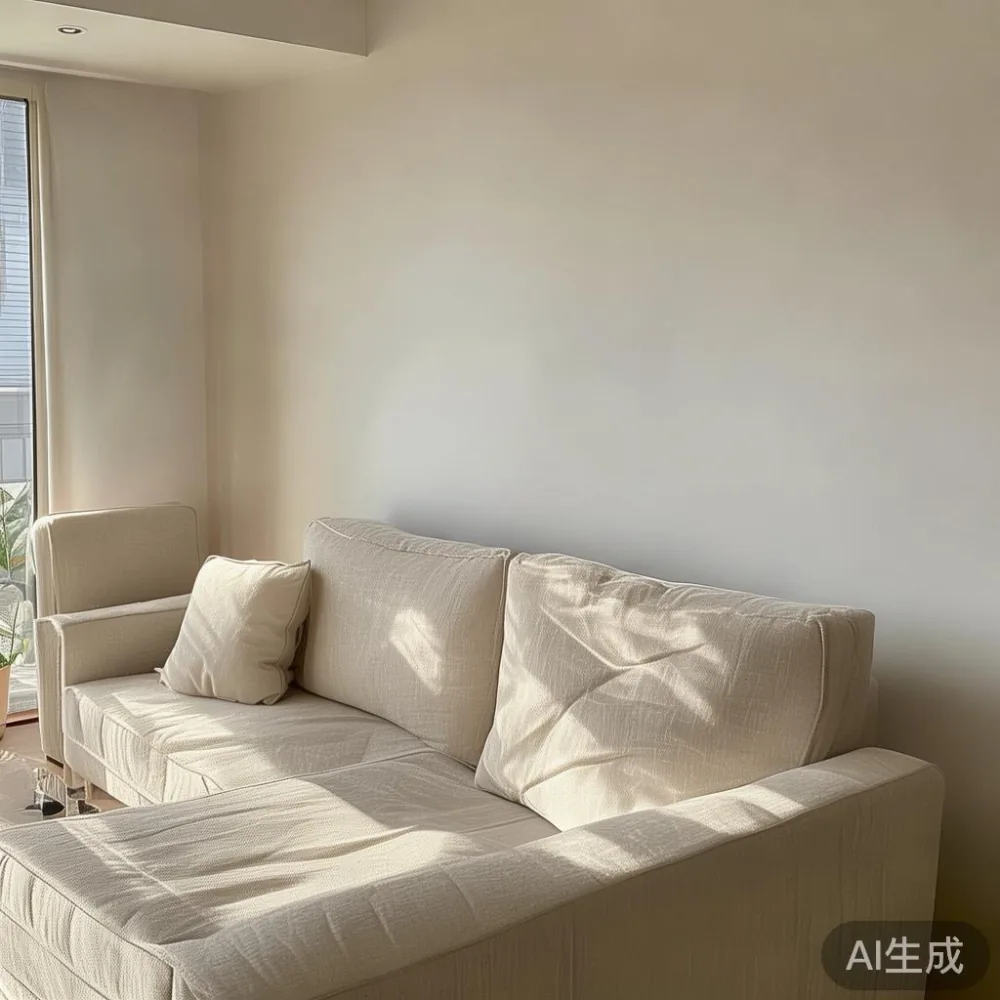
Most Singapore HDB living rooms measure between 18 sqm and 24 sqm, with corridor widths of roughly 1.2 m and lift openings of about 0.9 m x 2.1 m. Anything wider than that has to be tilted or partially assembled on site, which adds labour hours. That constraint already pushes buyers toward solid wood sofa frames in 1.8–2.2 m lengths, beds under 1.6 m wide for master bedrooms, and dining tables that seat 4–6 rather than 8. When you are working inside a 1.2 m corridor, a flat-pack MDF piece behaves one way and a 100% solid wood bed frame behaves another. The first one flexes on the screw joints after Year 3; the second one quietly tightens itself as the wood moves.
The same logic applies to a wardrobe. HDB bedrooms rarely accommodate anything deeper than 60 cm without blocking the air-con vent, and that 60 cm of true solid wood, properly kiln-dried at 8–12% moisture content, will outlast three cycles of redecoration. A study by the Furniture Industry Research Association notes that properly dried hardwood gains roughly 0.2–0.4 mm of dimensional change per metre of width across seasons. In a Tampines flat with afternoon sun on the east wall, that movement is real, and it is why experienced Foshan workshops like MIDHILL engineer floating back panels and 8 mm expansion gaps into every wardrobe they ship. The cost of those small details is invisible in a product photo, but it is one of the line items that drives the price.
2. Timber Species: The First Number You Should Compare
Price differences between two solid wood dining tables that look similar at the showroom can be 40–60%. The species explains most of it.
Here is how the common options stack up against each other in late 2024 Foshan wholesale pricing, per cubic metre of kiln-dried lumber:
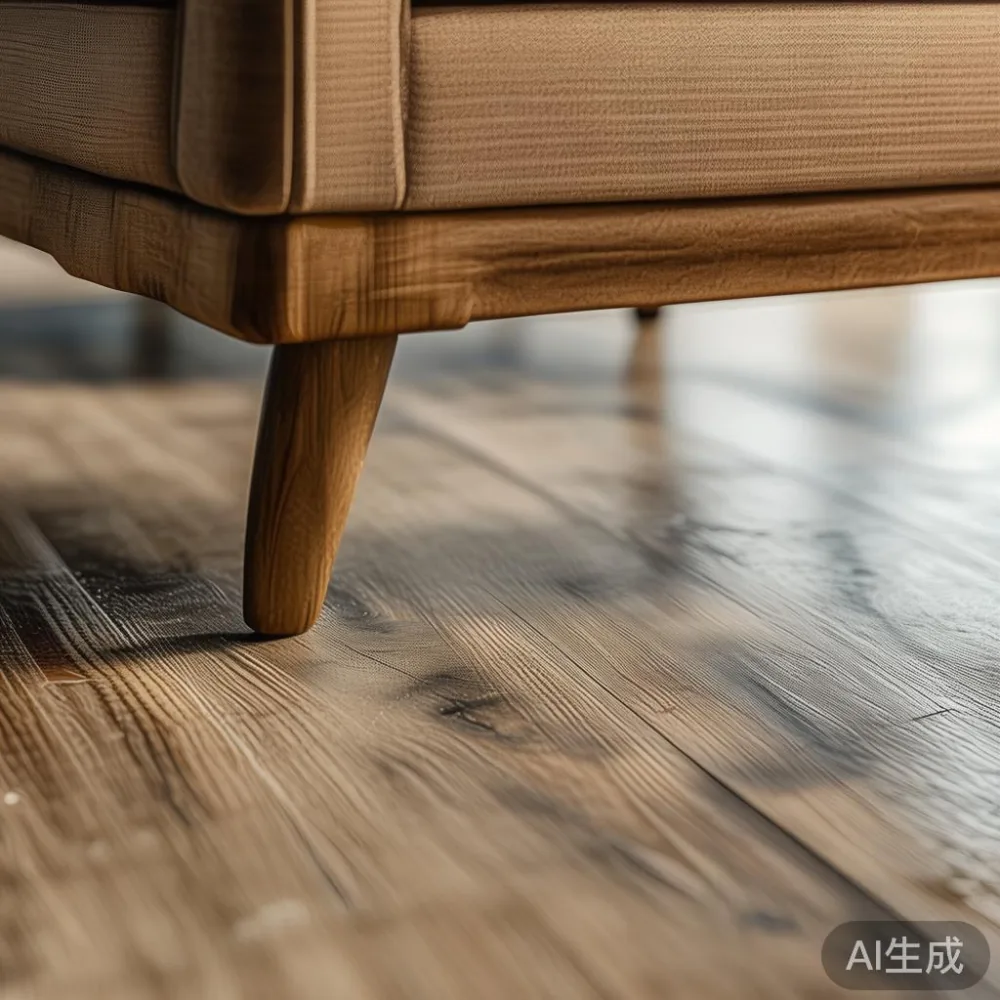
- Rubberwood (Hevea brasiliensis): roughly SGD 720–900/m³. Plantation-grown, dense, used widely in Singapore for entry-level solid pieces. Good for nightstands and small side tables.
- Ash (Fraxinus): about SGD 1,650–2,050/m³. Straight grain, takes light finishes cleanly. Common in American light luxury interpretations where the visible grain is part of the look.
- Beech (Fagus): SGD 1,800–2,200/m³. Tight pore, very stable under humidity swings, popular for chair legs in European-style dining sets.
- White Oak (Quercus alba): SGD 3,000–3,800/m³. The reason a Minimalist for dining room table in oak costs more than rubberwood is mostly this number. Quartersawn oak on a 1.8 m dining top alone uses about 0.25 m³ of lumber.
- Walnut (Juglans nigra): SGD 4,400–5,500/m³. The colour alone justifies the price for many buyers. A walnut bed frame headboard in queen size consumes roughly 0.15 m³ of solid lumber.
- Teak (Tectona grandis): SGD 5,000–6,200/m³. Burmese teak tops the chart for outdoor and bathroom-adjacent pieces because of natural oil content.
When a quote looks too good, ask for the species certificate. A bed frame advertised at S$899 and made of "solid wood" could mean rubberwood or poplar core, while the same bed in white oak will land between S$1,800 and S$2,400 at retail in Singapore including 9% GST.
3. Does Joint Construction Matter More Than Wood Choice?
After species, the next price driver is how the parts are joined. I watched two side-by-side builds of a bedside table during my last visit to a workshop outside Foshan last month. Identical rubberwood, identical finish. One had dowel-and-glue joints, the other had mortise-and-tenon with corner blocks. The mortise version required 45 minutes more labour and three extra clamps per unit. Multiply that by 80 units per production run and you have roughly 60 additional labour hours.
For a buyer in Punggol or Bedok, the practical difference shows up over years:
- Mortise-and-tenon, dowel, or dovetail joints on a solid wood sofa frame hold shape for 15+ years under daily use.
- Butt joints screwed together with cam locks start creaking at Year 4 on a wardrobe that carries 30 kg of stored items per shelf.
- Corner blocks on a dining table base add roughly 8% to material cost and roughly 30% to torsional rigidity.
For pricing, a mortise-and-tenon nightstand in oak will cost about S$180–260 more than its dowel-joined twin, before finish. It is one of the easiest places for a workshop to cut cost, which is also why it is one of the easiest places for a discount brand to cut corner.
4. How Much Does the Finish Actually Cost?
A finish is the thin film on top of the wood, but it can swing the price of the same dining table by SGD 250–600. The typical options in 2024 Foshan workshops:
- NC (nitrocellulose) lacquer: low price, fast dry, but yellows within 18–24 months under Singapore UV. Adds about 6% to piece cost.
- PU (polyurethane) lacquer: harder, more resistant, slightly higher price tag, adds about 11%.
- Wax oil (e.g., Osmo or hard wax oil): highlights grain, requires reapplication every 12–18 months, adds 14–18% but carries the highest tactile reward.
- Conversion varnish: industrial-grade, used on American light luxury pieces, adds 16–22%.
For buyers thinking about how to style Japandi sofa in room or pairing a marble table with warm timber, the finish decision matters more than the brochure implies. A PU finish reads "polished and uniform," which suits a French light luxury living room in a Sengkang condo. A wax-oil finish on the same oak shows grain depth and supports a Minimalist for dining room scheme where the table is the visual anchor.
5. What About Hardware and Upholstery in a Solid Wood Sofa?
A solid wood sofa starts at the frame but ends at the cushion. The frame is your 15-year asset; the cushion is your 6–8 year consumable. Workshops separate the pricing clearly once you ask:
- Frame in ash or beech, mortise-and-tenon: S$700–1,100 of the sofa price.
- Webbing and 8-way hand-tied springs: S$180–320.
- High-resilience foam at 32–38 kg/m³ density: S$240–380 per seat.
- Fabric or top-grain leather upholstery: S$280–1,400 depending on hide grade and yardage.
A 3-seater in ash frame with HR foam and performance linen lands between S$2,400 and S$3,100 retail in Singapore. A leather version in the same frame lands between S$3,800 and S$5,200. For buyers browsing Japanese sofa vs Mid-century modern sofa comparisons, the frame silhouette is the visible difference, but the price gap of about 15–22% usually traces back to foam density and leather grade.
6. Is Shipping and Warranty Worth Including in the Price Comparison?
Yes, more than most buyers realise. A solid wood bed frame weighing 95 kg has to travel roughly 4,180 km from Foshan to Singapore, pass customs under HS code 9403.60, and arrive on a Hiab truck that can work through HDB loading bays. Door-to-door shipping on a single dining table in a 1.8 m box runs SGD 180–340 depending on port congestion. Full container load (FCL) for a 40 HQ brings per-piece freight down to about S$45 for wardrobe-class items.
Warranty length is another quiet price driver. A 10-year structural warranty on a solid wood sofa frame reflects the workshop's confidence in kiln-dry levels and joint choice; a 1-year warranty often reflects MDF or rubberwood-with-veneer realities. Lifetime refinishing services, such as those offered by MIDHILL on most of its wardrobe and dining table lines, effectively reduce the 20-year cost of ownership by spreading refinishing into S$180–280 per visit, well below the S$600–900 a Singapore upholsterer would charge for an in-place refinish.
7. "Are Cheaper Solid Wood Pieces Always a Bad Idea?"
Not always. The honest answer is more nuanced than "buy the expensive one." A solid rubberwood nightstand from a credible Foshan workshop at S$160–220 will outperform a laminated-veneer competitor at the same price, and it will serve a Bedok resale flat well for 8–10 years. The price ceiling you should set depends on the piece category:
- Nightstand and side tables under S$300: rubberwood or ash is acceptable.
- Dining table S$800–1,800: ash, beech, or white oak makes sense.
- Wardrobe S$1,500–3,200: ensure FSC-certified board for the back panel even if carcass is solid.
- Bed frame S$1,200–2,500: ash, beech, or walnut, with slat centres under 7 cm.
- Solid wood sofa S$2,400+: focus your budget on the frame and foam, not the upholstery pattern.
If you are evaluating European light luxury bed vs Mid-century modern bed construction, the European version usually carries thicker headboard panels (35–45 mm versus 25–32 mm on Mid-century knockoffs), which is where part of the price difference hides. And if you are comparing for sale Industrial furniture listings on local marketplaces, check for cold-rolled steel thickness of at least 1.5 mm and any timber elements solid. For buyers searching for sale French furniture pieces for a post-modern light luxury HDB living room, insist on dovetailed drawers and 9 mm plywood back panels rather than 3 mm hardboard.
8. Should Singapore Buyers Buy Direct from Foshan Workshops?
For HDB living room pieces, factory-direct buying has shifted from risky to routine over the last five years, provided you handle three checkpoints: species verification through photos of unfinished stock, moisture-meter readings (8–12% is the dry standard), and a third-party pre-shipment inspection costing roughly S$220–350 for a full container. Online catalogues like m.midhill.co simplify the spec comparison, but the dollar math still favours buyers who visit in person or hire a sourcing agent.
In dollar terms, a S$3,800 dining table at a Singapore showroom including 9% GST and 35% retail markup often maps to a S$1,950 ex-works quote at a credible Foshan workshop, with another S$240 in shipping and S$80 in customs brokerage. The savings are real and explain why a growing number of Punggol and Tampines owners now plan their furniture purchases the way they plan renovations: spec in advance, verify in person when possible, and budget for delivery timing of 28–42 days door to door.
9. The Real Answer to What Drives the Price
Strip away marketing, and the price of solid wood furniture reduces to roughly five buckets:
- Timber species (40–55% of the piece cost on beds and wardrobes, 25–35% on sofas where upholstery claims more).
- Joint construction (8–12% on mortise-and-tenon pieces, 2–4% on dowel-only versions).
- Finish type and number of coats (5–15%).
- Hardware and cushion materials on upholstered pieces (20–35% for solid wood sofas).
- Shipping, warranty, and refinishing service (5–10% for Singapore buyers, more for smaller pieces).
When the next showroom sales assistant tells you a bed frame is "solid wood and worth the investment," ask which species, which joints, which finish, and which warranty. Those four answers, written down, will tell you in three minutes whether the number on the tag reflects the timber under the surface or the marketing on top of it.