Lacquered Wood in a Tropical HDB Living Room: Care Without Compromise
Lacquered furniture can bring calm, reflective elegance to a Singapore home, but humid air, salt-laden coastal weather and frequent air-conditioning changes demand deliberate care. For residents of HDB flats and private condos in Tampines, Bedok and Punggol, a lacquered solid wood sofa, bed frame, dining table or wardrobe must fit both the room and the building’s practical constraints: narrow lift doors, tight corridors and daily temperature swings.
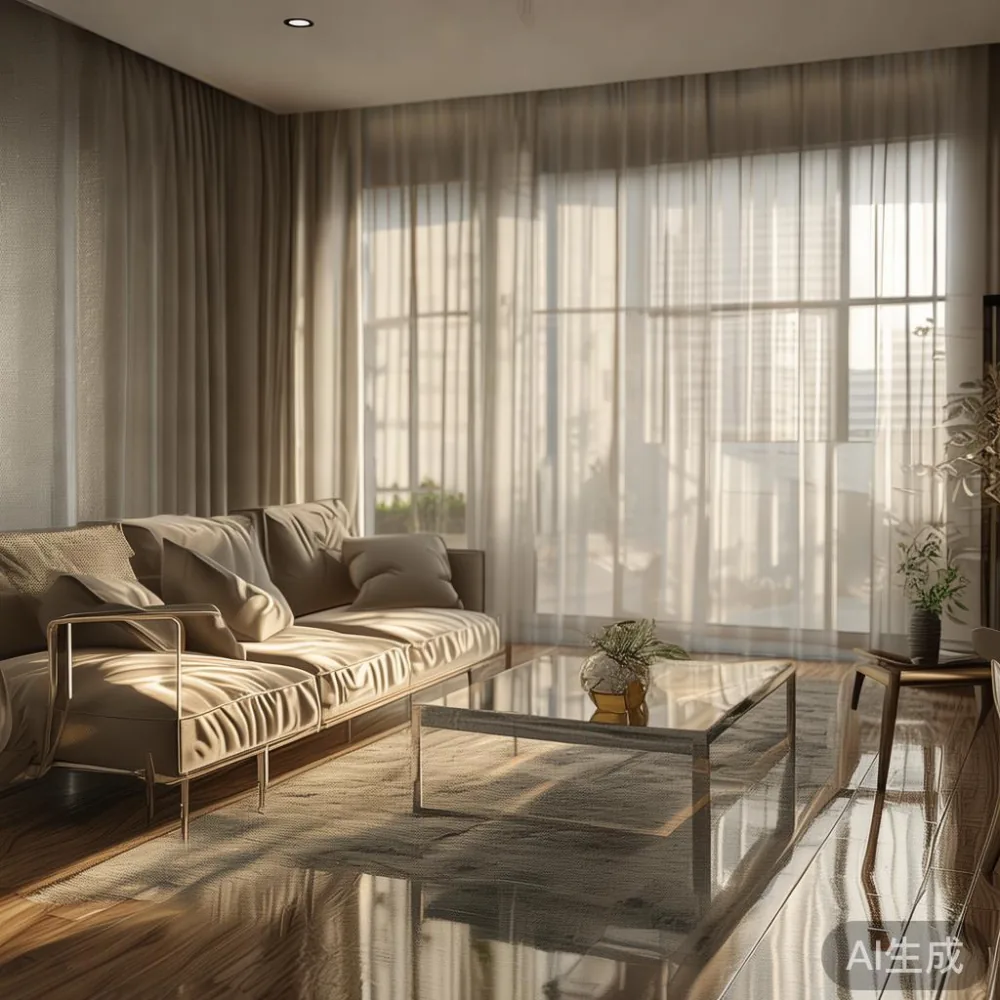
MIDHILL designs lacquered pieces for discerning customers who want the visual language of French light luxury or post-modern light luxury without treating the living room as a showroom. The collection includes solid wood sofas, bed frames, dining tables, wardrobes, nightstands and marble table accents, with a 10-year structural warranty and lifetime refinishing support. In an hdb livingroom, finish quality matters because fingerprints, standing water and sunlight can make inexpensive lacquer look tired within months.
What makes lacquer suitable for Singapore’s humidity?
Lacquer is not a single material. It can be nitrocellulose, polyurethane, acrylic or water-based, and each behaves differently around moisture. A well-made lacquered surface may include several coats, sanding between coats, a pigmented base layer and a clear topcoat. The finish should feel smooth under the palm, show no orange-peel texture and resist marks after curing.
For an hdb livingroom, ask the supplier for the lacquer chemistry, expected curing time and care instructions in writing. A clear answer covering storage at 20–30°C, cleaning with a damp cloth and avoidance of solvent cleaners is a good sign. Watch out for a “lacquered” label that actually describes a thin stain over MDF or particleboard; moisture resistance then depends mainly on the panel core and edge sealing.
Humidity is common in Singapore, but condensation is the more immediate issue. Air-conditioning may lower the room to 22–24°C during the day, while outdoor humidity approaches 80–90%. Moving a cold wardrobe or dining table into a warm corridor can therefore create fine surface condensation. The care routine should minimise abrupt changes rather than attempt to control the weather.
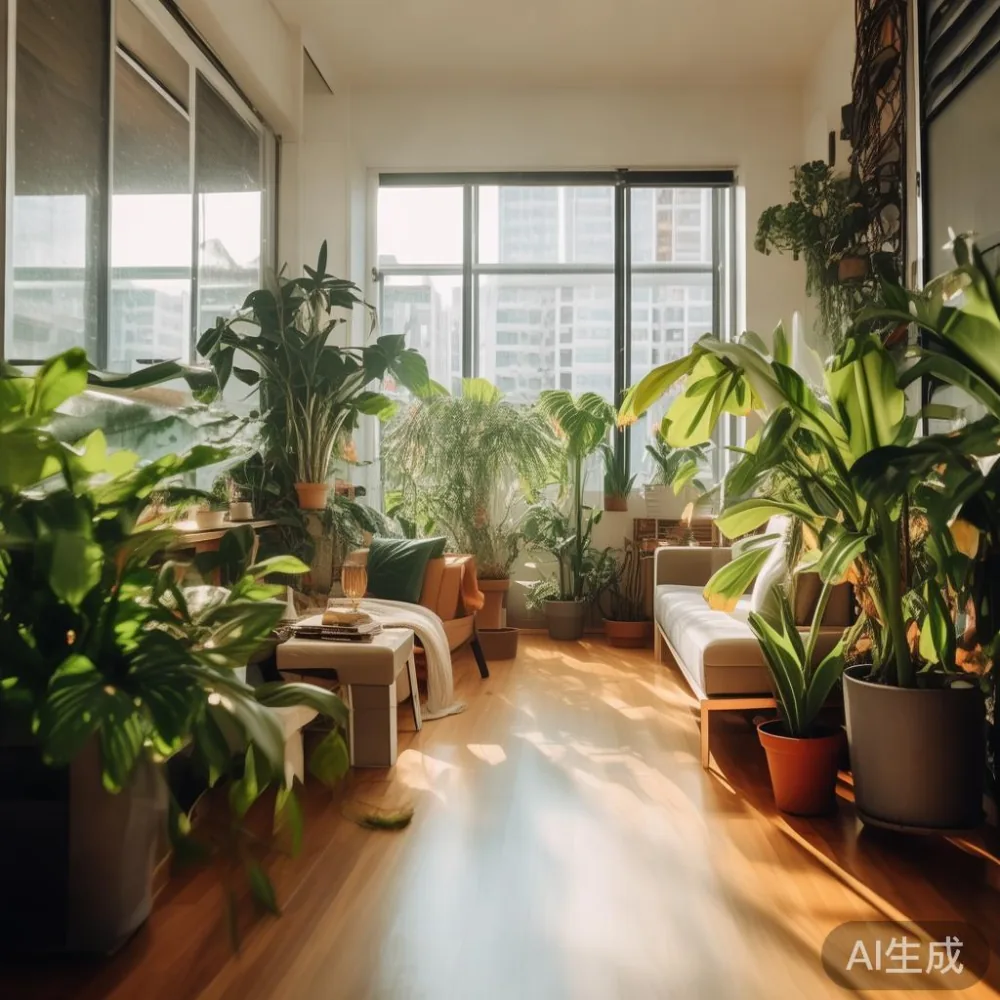
Place lacquered furniture at least 10–15 cm from exterior walls where condensation collects, and away from bathroom doorways. Use blinds that filter glare while retaining daylight. A stable indoor range of about 21–29°C and relative humidity below 70% is practical for most wood and lacquer finishes.
How should I clean a lacquered dining table?
Start with the least aggressive method. Dust with a dry microfibre cloth, then wipe with a separate cloth lightly dampened with warm water and a drop of mild dish soap. Wring the cloth thoroughly: it should be damp, not wet. Dry immediately with a clean microfibre cloth.
Never leave a wet ring, tea spill or multipurpose cleaner overnight. Even 15 minutes of contact can soften an uncured topcoat or leave a dull perimeter. For an hdb livingroom dining table, remove placemats and coasters after meals rather than wiping everything at the end of the week.
For sticky residue, use a soft cloth with a tiny amount of isopropyl alcohol, patch-test an inconspicuous area and wait 48 hours before judging the result. Isopropyl alcohol works on many modern lacquers, but silicone, ammonia, acetone and furniture polish may damage the coating. If the supplier does not confirm solvent compatibility, use warm water and mild soap instead.
A lacquered table near a kitchen should also be protected from heat. Keep hot pots on a trivet and maintain at least 20 cm between a table edge and a window blind that may sway against it. For a coordinated marble table top, use the same gentle approach and never pour acidic liquids directly onto stone.
How do I stop fingerprints and haze on a lacquered wardrobe?
Touch marks are often a function of hand cream, dust and the topcoat’s sheen rather than poor cleaning. A satin finish generally disguises fingerprints more effectively than high gloss, although gloss can make a formal bedroom feel brighter. Match the finish to the household: a family wardrobe in a Bedok condo may benefit from low-sheen lacquer, while a restrained display cabinet can carry a polished topcoat.
Clean high-touch pulls every 7–10 days. Hold the door by its edge where appropriate and avoid pressing oils from the skin into a horizontal rail. If choosing among products, a search for best Modern wardrobe for 2026 should also test storage depth, hinge action and local service terms, not merely appearance.
Allow a new wardrobe to acclimatise for 24–72 hours after delivery. Ventilate the room for 30 minutes twice daily during the first week, without creating strong air movement against the surface. Open doors slightly if condensation appears, but do not use a dehumidifier that discharges warm, moist air directly at the lacquer.
For interiors that borrow their calm from Japanese design, the phrase how to style Japanese sofa in apartment is useful because low seating, neutral textiles and uncluttered surfaces complement a finely finished lacquered frame. The sofa should have at least 60–75 cm of circulation space around it, especially in a lift lobby or compact HDB corridor.
How often should lacquered wood be polished?
Do not polish lacquer routinely. “Furniture oil” can create a patchy film, while aerosol wax may leave residues that make future cleaning harder. For a lacquered solid wood sofa, bed frame or nightstand, remove dust weekly and damp-clean visible marks every 2–4 weeks, adjusting to household use and humidity.
A satin lacquer may be treated with a manufacturer-approved cleaner every 3–6 months if its instructions permit. Apply it to the cloth rather than the furniture, test a 10 cm square and buff lightly. High-gloss lacquer generally needs no wax; careful washing is more predictable.
Watch lacquered panels for these warning signs:
- Small pale rings after a warm or wet cup has been removed.
- A tacky feel in humid weather, which may indicate an incompletely cured finish.
- Fine cracks around joints or edges after several seasons.
- A colour difference between the underside and exposed face.
Do not apply petroleum jelly, toothpaste or cooking oil to scratches. They may temporarily disguise the defect but can contaminate the surface. Photograph the area with a ruler for scale, record the purchase details and contact the maker for refinishing advice.
Can sunlight fade lacquer in a Punggol or Tampines home?
Yes. Direct ultraviolet exposure can fade pigment and raise the risk of photodegradation, especially in east- or west-facing units. Curtains, sheer layers and blinds can reduce exposure by 50–80% while preserving daylight. Rotate freestanding pieces twice a year only if their floor protection allows it; avoid repeatedly dragging a heavy dining table across the floor.
Colour changes may also occur because timber beneath translucent lacquer darkens as it ages. Samples displayed under showroom lighting cannot predict every home’s mix of daylight and artificial light. Place a fabric or paper swatch against the finished board for 7 days before approving large orders.
For coastal properties, rinse nearby balcony doors with fresh water if sea spray reaches the glass, then dry the frames. Salts become abrasive when trapped in dust. The move from Coastal for guest room to a compact study can rely on pale lacquer, woven textures and simple storage, provided the finish is specified for humid interiors.
How do I move lacquered furniture through narrow HDB lifts and corridors?
Measure before delivery, not after it arrives. Record the sofa’s packed dimensions, the lift car’s internal width and depth, and the door opening. A standard HDB lift may offer a car around 100–140 cm wide and 130–160 cm deep, but older blocks and specific lift lobbies vary. A 220 cm three-seat sofa may require a 90° turn that is impossible if a carton is too long.
For stairs, protect each corner with 5–10 mm foam and cover the route with 3–4 mm floor protection. Do not place masking tape directly on lacquer; it can lift the coating when removed. Carry rather than drag pieces, use 4–6 movers for a heavy dining table, and check whether corridor management or a loading-booking permit is required in the condo.
These steps matter when comparing how to choose European bed options. A sculpted headboard may fit the bedroom but not the lift. Ask for the assembled and packed measurements, the maximum carton weight, and whether the bed frame can be separated into 2–3 sections. Headboard hardware often needs a 10 cm drill bit and 2 people for assembly.
For delivery planning, allow 3–7 working days for stock movement within Singapore, with longer lead times of 4–8 weeks for made-to-order pieces or special lacquer colours. Prices should be quoted in SGD, including GST where applicable. Confirm whether the free shipping threshold of US$350 applies to the destination and the exact delivery terms stated at checkout.
Is French light luxury compatible with practical HDB living room furniture?
French light luxury usually balances ornate cues with clean execution: curved profiles, softened edges, muted colours and tactile upholstery. Post-modern light luxury can achieve a similar atmosphere through geometry, restrained contrast and interesting surfaces. Neither requires a large flat.
A 180–200 cm solid wood sofa can define an hdb livingroom facing a 110–130 cm TV console, provided the circulation route remains at least 75–90 cm. A round dining table of 120–140 cm diameter often improves movement around a square dining area better than a deep rectangular model. A 150–180 cm bed frame suits many East Asian HDB bedrooms, while a 45–55 cm deep nightstand keeps a compact bedside zone functional.
The comparison light luxury bed vs French provincial bed is useful when deciding between carved details and a simpler silhouette. French provincial styling may use shaped headboards and decorative legs; light luxury tends to pair curved or upholstered forms with sharper structure. In a humid setting, fewer exposed crevices are easier to maintain, so the carving should remain shallow and the underside should be sealed.
For a year-specific comparison, best European light luxury bed for 2026 should consider frame stability, finish compatibility and dimensions rather than trend labels alone. A slatted base with 10–12 cm spacing supports ventilation around the mattress, while engineered joinery and a 10-year structural warranty can reduce uncertainty for long-term use.
What should I do if the lacquer develops white rings or scratches?
White rings can come from moisture trapped beneath a lacquer layer, while superficial scratches often expose pigment but not the timber. Move the item into a conditioned room, place a clean white cloth over the mark and warm it gently with a hairdryer held at least 30 cm away for 10–15 seconds. The ring should not become hot to the touch.
If the haze remains, ask a refinisher to assess the finish. Do not sand the whole panel yourself. A local repair may cost SGD 80–250 for a small surface treatment, whereas a full refinishing project can range from SGD 300–800 depending on size, colour matching and access. These are estimates rather than quotations; obtain a written price before work begins.
MIDHILL offers lifetime refinishing for qualifying products, which can be especially helpful when a dining table develops a ring or a bed frame’s lacquer wears at a frequently touched edge. Confirm that the service covers lacquer, what transport charges apply, and whether original colour records are needed. For collection from the workshop, budget 7–14 working days after inspection.
Last month, my colleague visited a renovated HDB unit in Tampines with a newly lacquered sideboard. A steaming kettle had left a 4 cm cloudy ring near the rear corner. We cleaned it with a lightly damp cloth, dried it with a microfibre cloth and used low, indirect warmth for 8 minutes. The ring had largely disappeared within 24 hours, without sanding or adding polish. The test reinforced a simple rule: respond early, use minimal moisture and avoid applying an unidentified product.
How can I preserve lacquer for 10 years or longer?
Create a care calendar rather than treating lacquer as maintenance-free. Check silicone sealants around nearby windows every 6 months, inspect the backs of wardrobes twice a year and wipe salt from coastal fittings after heavy rain. Follow the grain with a soft cloth, and replace dirty microfibre cloths every 1–2 weeks to avoid rubbing grit across the finish.
Move plants in saucers, keep standing water away from the plinth and use trays under vases. Leave 5–8 cm between a lacquered sideboard and the wall so air can move behind it. If a dehumidifier is used, set it to maintain 50–65% relative humidity and empty the tank every 2–3 days.
Do not stack heavy items on a wardrobe crown or use a lacquered nightstand as a step. Tighten frame fittings after 3–6 months, then check them annually. For a dining table, inspect the underside for water stains that may not be visible above.
MIDHILL was established in 2008 and exports to more than 15 countries, bringing export-level production controls to Singapore homes. Each piece should be checked for stable joinery, smooth movement, sealed edges and an even lacquer tone. The 10-year structural warranty addresses long-term frame stability, while lifetime refinishing offers a route back to an even surface when the finish ages.
A tropical hdb livingroom does not need to surrender refinement to humidity. With measured cleaning, stable indoor conditions and furniture sized for HDB access, a lacquered solid wood sofa, bed frame, dining table, wardrobe, nightstand or marble table can retain its clarity and calm for many years. Keep the care kit small: 2 microfibre cloths, mild dish soap, warm water, soft brushes for crevices and a written finish-care guide. That modest kit is enough to protect a finely made surface without turning everyday ownership into constant work.