Lacquer Care for Solid Wood Furniture in Singapore’s Tropical Climate
Humidity, sunlight, condensation and frequent wiping can make lacquered furniture look tired faster than many owners expect. In an HDB flat such as those around Tampines, Bedok or Punggol, a cabinet or dining table may sit close to windows while a compact sofa receives little airflow after the air conditioner switches off. Good care is less about constant polishing and more about controlling moisture, heat and contact.
This guide focuses on lacquered surfaces used with a solid wood sofa, bed frame, dining table, wardrobe, nightstand or marble table. It is written for Singapore homes, including older HDB layouts and newer condos with wide glazing. Care routines below use Celsius, centimetres and litres so they are practical to follow. Where a product or delivery figure is mentioned, prices are in SGD and exclude the prevailing GST unless stated otherwise.
Why Does Lacquer Behave Differently in a Tropical Home?
Lacquer creates a decorative skin over wood or another prepared substrate. A high-gloss finish reflects light clearly, while a low-sheen finish may hide fine marks but still be affected by moisture. Singapore’s warm, humid conditions slow the drying of some coatings and encourage swelling beneath panels that admit water.
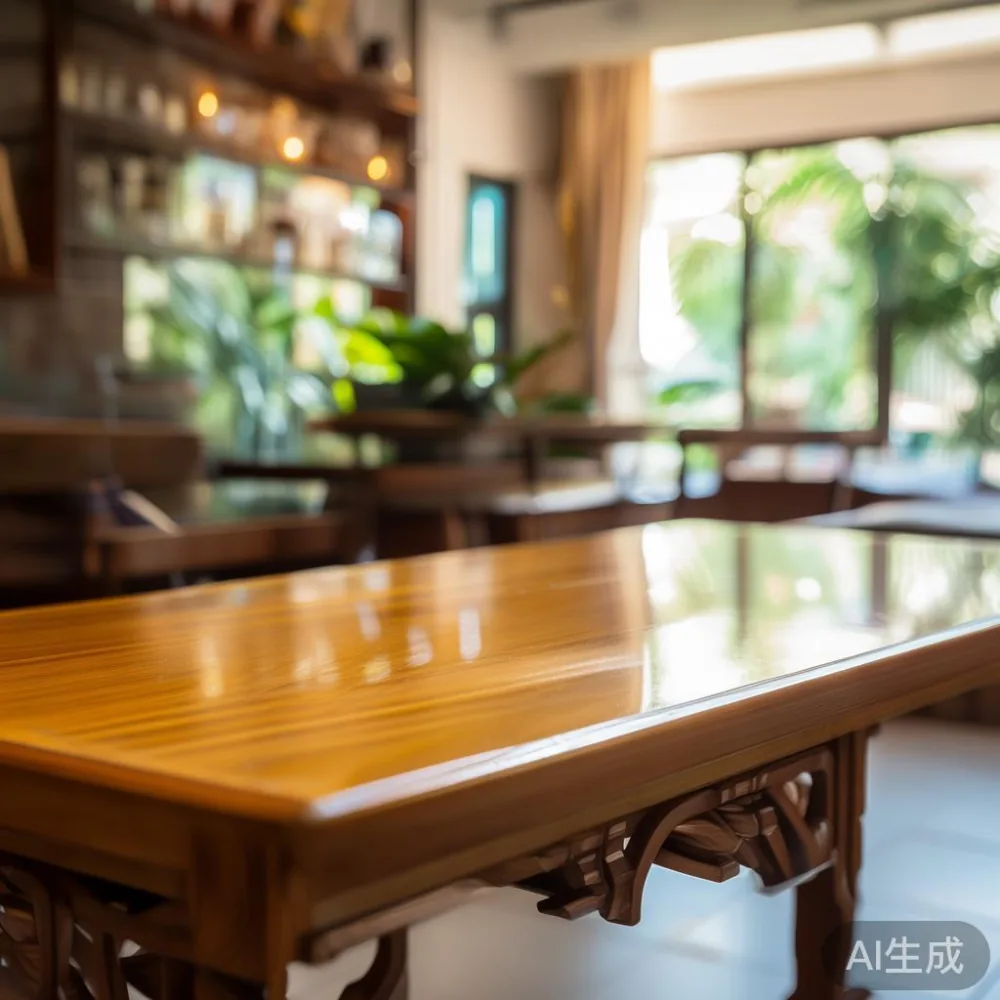
Air humidity commonly moves between roughly 65% and 85% during rainy periods, although an indoor reading depends on air-conditioning use and ventilation. Direct morning sun can raise a lacquered dining table’s surface temperature by about 8–12°C above the surrounding room. A cold drink glass can leave a ring within minutes, and a hot bowl can soften or cloud a finish if the coating is already stressed.
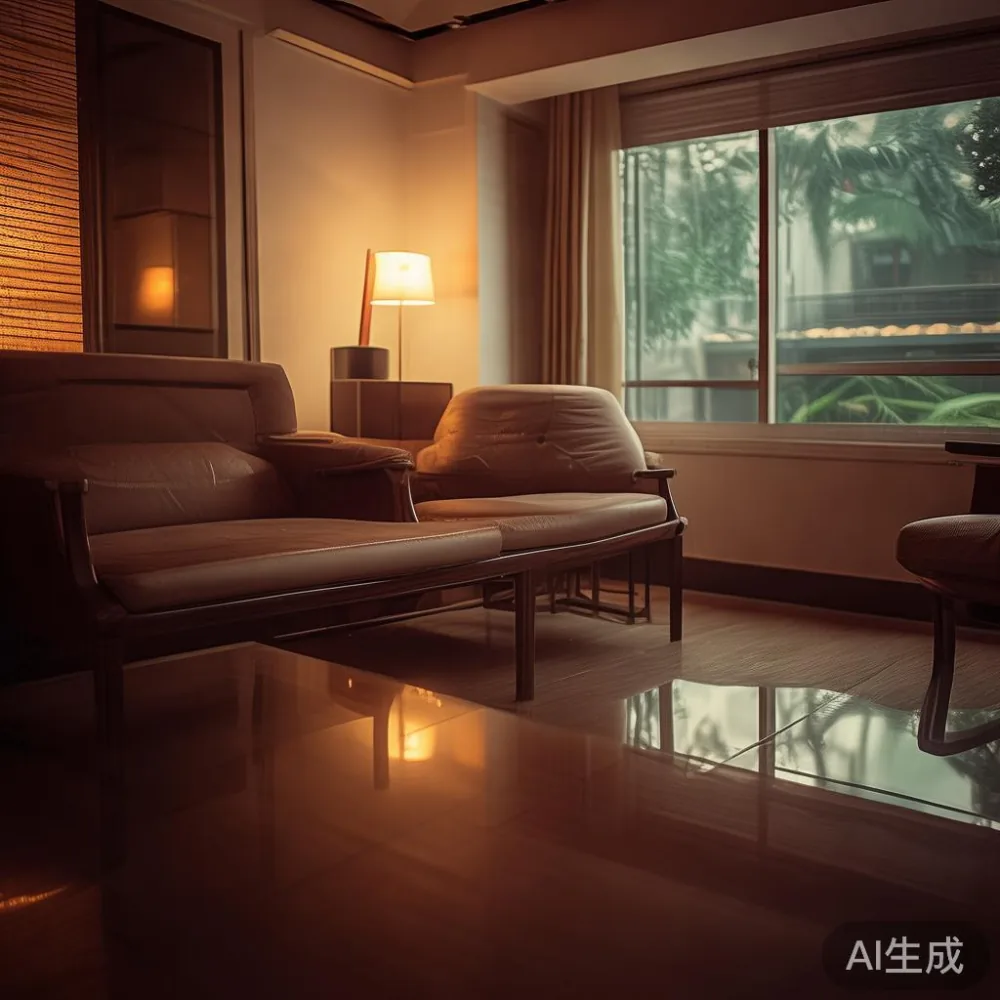
Floor and corridor conditions matter too. A sofa delivered to an HDB livingroom may pass through a common corridor only 90–110 cm wide, then turn through a lift lobby. The furniture should be protected during that route, but the packing material should not remain under a lacquered piece after installation. A room with furniture pressed against an external wall is more exposed to condensation than a centrally placed arrangement.
Lacquer is not waterproof timber. The finish may slow moisture entry, but scratches, open joints and damaged edges can change how quickly water reaches the substrate. Stable indoor habits reduce that risk more effectively than trying to repair every mark immediately.
How Often Should I Clean a Lacquered Surface?
Dust lacquer with a clean, dry microfibre cloth every 7 days. In a busy family home, wipe high-contact areas such as dining-table edges and nightstand tops every 2–3 days. A damp cloth can be used when needed, but it should be wrung out so that no liquid collects along mouldings or joints.
For routine care, mix about 5 ml of mild dishwashing liquid with 500 ml of lukewarm water. Dip a separate soft cloth, wring it firmly and wipe in sections about 50 cm long. Follow with a dry cloth within 1 minute. This two-cloth method prevents redistributed water and grit from scratching the lacquer.
Do not spray cleaner directly onto furniture. Overspray can enter seams, stain adjacent upholstery or leave a dull trail. Test a diluted cleaner on a hidden 5 cm by 5 cm area and wait 24 hours. If the patch changes gloss or colour, stop and consult the finish supplier.
Avoid silicone furniture sprays, aerosol polish, ammonia, bleach and alcohol-heavy products. Avoid scouring pads, even those described as non-scratch. A kitchen sponge with an abrasive green side can scratch lacquer badly after just 10–20 uses.
A schedule suited to a compact HDB livingroom is simple: dry dust weekly, wipe armrests and table edges every 3 days, clean marks immediately, and inspect lacquer near air-conditioning vents monthly. These intervals are guides rather than rules; homes near the sea or construction sites may need more frequent attention.
What Is the Safest Way to Remove Dust, Marks and Stains?
Begin with the least forceful treatment. Fresh dust should lift away with a dry cloth. Mild fingerprints usually disappear after a second pass with a barely damp cloth. A visible smear should never be scrubbed dry because the cloth can drag grit across the coating.
Water rings can be treated by placing a cotton cloth over the mark and warming it gently for 30–60 seconds with a hairdryer held at least 40 cm away. Keep the air on low or medium. If the ring remains, use a lacquer-approved cleaner recommended by the furniture maker rather than a household polish.
For ink, oil or adhesive, lift the residue with a soft cloth and a few drops of mild detergent. Do not soak the area for more than 60 seconds. If a mark persists after 3 careful attempts, further solvents may remove colour or thin the finish. At that point, obtain professional advice before trying paint remover.
Small chips need the same restraint. Clean around the chip, do not scrape loose lacquer, and photograph the area in daylight from about 60 cm away. A specialist can determine whether local touch-in work is appropriate or whether a section needs recoating.
MARBLE TABLES REQUIRE DIFFERENT CARE
A lacquered solid wood dining table should not be treated like a marble table. Natural marble is porous and may etch, while lacquer is a coated surface that can scratch, bubble or peel. Although a protective mat helps, the best control is a dry coaster for every cup and 15 cm of clear space around a hot serving bowl.
Can Humidity Make Lacquer Bubble, Peel or Cloud?
Persistent high humidity can cause lacquer failure, particularly where coatings are thick, poorly ventilated or exposed to repeated wet-dry cycles. Look for the earliest signs: a hazy area, lifting edge, pinhole or soft feel. White patches can also come from heat damage and should not automatically be blamed on moisture.
Measure relative humidity near the furniture with a small hygrometer. Aim for about 45–60% where practical. In Singapore, this may mean using air conditioning or a dehumidifier during extended periods of damp weather. A compact dehumidifier that removes about 10–12 litres per day can help one-room conditions, but it should drain continuously and sit at least 30 cm from lacquered furniture.
Do not place a wardrobe directly against an exterior wall if condensation is visible. Leave a 3–5 cm ventilation gap where space allows. Keep lacquered furniture at least 30 cm away from a bathroom doorway and 60 cm away from a kitchen hob or rice cooker exhaust.
During power interruptions, move valuable pieces away from open windows and leave cupboards slightly ajar by 2–3 cm only if pets and children are excluded. Once power returns, run the air conditioner for 45–60 minutes before closing the space completely.
One real test showed how misleading a surface can be. Last month, I visited a Bedok condo and checked a lacquered nightstand with an infrared thermometer. Its top read about 31.8°C beside a sunlit window, while the nearby bed frame measured 27.1°C. After curtains were closed and the room ventilated for 40 minutes, the difference narrowed to roughly 1.5°C. The finish was not damaged, but the test justified shade management before any restoration was considered.
How Can I Stop UV Light, Heat and Furniture Transfer?
Ultraviolet exposure contributes to fading, while heat can soften or blister lacquer. Curtains, blinds and UV film provide useful layers of protection. Curtain-lined windows can cut direct sun exposure during the middle of the day, and pale rugs can reduce reflected light without making a compact HDB livingroom feel visually closed.
Allow 15–20 cm between table lamps and lacquered surfaces. Use LED lamps that remain below about 35°C at the shade opening, and switch them off before leaving a room for 4 hours or longer. Do not place a laundry basket, toy chest or bag of wet laundry against a wardrobe for 20 minutes before removing it.
Check coasters and placemats every month. A cork or felt pad can trap moisture if wet, so replace damp or compressed coasters rather than stacking replacements. Furniture-transfer marks may need a cleaning method approved for that finish; repeated rubbing can make the patch wider.
French light luxury interiors often combine pale upholstery, veined stone, reflective lacquer and slim metal details. Those textures create an airy, finished room, yet every reflective finish needs the same moisture discipline. Marble table surfaces, polished wardrobes and lacquered dining tables should not share one generic cleaner simply because their colours appear similar.
For a 90–120 cm wide lift, protect lacquered edges with 2–3 cm foam corners and moisture-resistant wrapping. Inspect the item before it enters the corridor, remove temporary wrapping indoors and keep it away from wet mops for at least 60 minutes.
Can I Repair Scratches Without Making Them Worse?
Determine whether the mark is in the lacquer or reaches bare wood. A fingernail that catches strongly often indicates a deep scratch. A superficial line may feel smooth after cleaning with a soft cloth.
Do not reach for sandpaper, steel wool or polishing compound. Lacquer often cures over time, and aggressive sanding can create a broad dull zone around a 2 cm scratch. Photograph the mark under daylight, measure its length and record the finish colour before contacting a repairer.
Some furniture makers offer refinishing services that distinguish between spot repair, panel recoating and full-surface renewal. MIDHILL provides a 10-year structural warranty and lifetime refinishing, which means finish-related work can be discussed under the applicable service terms rather than assumed to be covered identically to structural damage.
Ask for the expected colour match, repair method, transport method, days required and deposit in SGD. A simple inspection is easier when the owner supplies photographs, finish samples and approximate measurements. A gold-leaf dining table edge, white wardrobe and brown bed frame should never receive the same proposed repair without a test.
For a wardrobe or larger lacquered panel, full recoating in place can take 5–10 days depending on access, drying time and room conditions. A removable nightstand may need to leave for approximately 7–14 days. Confirm delivery timing because quoted days can change around public holidays.
How Do I Care for Lacquered Furniture in an HDB Livingroom?
Start by mapping the room’s risks. Note direct sun, exterior walls, air-conditioner vents, cooking areas and cleaning routes. In a compact hdb livingroom, a solid wood sofa may protect the floor better than fabric alone only if its pads remain sound. Use 3–5 mm felt pads beneath every leg and check them every 6 months.
Choose low-humidity storage conditions. Keep books and damp cushions away from lacquered bed frames, and give a solid wood sofa at least 8 cm of rear clearance where the layout permits. A dining table needs around 90 cm of circulation space for chairs to be used comfortably; against a corridor wall, avoid pushing it into a pinch point.
Material decisions can also improve resilience. Searches such as American for small living room may favour compact scale, but a small piece still needs protective coasters and sensible placement. American light luxury often uses clean profiles and pale woods, while French light luxury leans towards softer forms, metal accents and jewel-like textures. Post-modern light luxury can introduce mixed materials, provided each finish receives its own care method.
Product comparisons need practical measurements. For light luxury sofa vs Modern sofa, compare seat depth, fabric composition, frame warranty, arm height and clearance rather than style labels alone. For light luxury bed vs Italian light luxury bed, compare slat spacing, headboard dimensions, mattress support and finish care. The same principle applies to a Mid-century modern accent chair, which should not be parked in repeated afternoon sun merely because the room needs a focal point.
How to style European light luxury sofa in apartment is less about crowding than proportion. Leave 35–45 cm between the sofa and dining zone, use one reflective object rather than several, and keep lacquered surfaces free of daily clutter. How to style light luxury bed in apartment should include wall clearance of 5–10 cm, low-heat bedside lamps and curtains that can close fully at peak sun.
A suitable routine is measurable: dust every 7 days, clean contact zones every 3 days, inspect humidity monthly, check felt pads every 180 days and photograph finish condition twice a year. If the relative humidity remains above 60% for more than 8 hours, improve ventilation or run controlled dehumidification.
How Should Singapore Buyers Prepare Furniture for Delivery?
Measure doorways, lift doors and turning spaces before choosing a large lacquered panel. Record the narrowest lift dimension, the diagonal available through the landing and the corridor width. For example, a 220 cm dining table may turn through a 110 cm lift but remain difficult where a corridor junction is only 95 cm.
Confirm the delivery route, delivery days, assembly needs and GST treatment. A Singapore consumer-facing price shown in SGD should state whether GST is included. MIDHILL has operated since 2008 and exports to more than 15 countries, while its stated 14-day returns policy and free shipping above US$350 are online terms that should be checked for the destination, exclusions and final checkout currency.
On arrival, photograph the lacquer in neutral daylight before assembly. Check corners, edges, doors and undersides for chips, dents or colour variation. Keep protective film for 24 hours if the maker recommends it, but do not leave thick plastic under the furniture after assembly because trapped moisture can prolong condensation.
Allow the item to rest away from direct sun and strong lamps for 24 hours. Follow the maker’s recommended acclimatisation instructions, especially for a solid wood dining table or bed frame whose timber may respond to indoor humidity. Do not confuse a furniture-care policy with permission to use household solvents or abrasive products.
A disciplined routine keeps lacquer clean without overworking it: wipe gently, control moisture, limit heat and intervene early. These habits preserve the visual calm expected in an hdb livingroom and the refined character of a light-luxury interior without demanding constant restoration.