How to Read a Furniture Warranty Without Getting Caught Out
In Singapore, a new piece of furniture for your HDB livingroom is a significant purchase. It’s not just about aesthetics; it’s about finding a durable, functional piece that fits your space, whether you’re in a compact 4-room flat in Tampines or a sprawling condo in Punggol. With prices for a solid wood sofa easily hitting $2,500 SGD or a marble table for the dining area costing over $1,800 SGD, understanding the warranty is non-negotiable. A warranty is your contract of peace of mind, but it’s written in a language that can be deliberately confusing. This guide will break down the key clauses and help you spot the red flags, ensuring your investment is protected for years to come.
What Does a Structural Warranty Actually Cover?
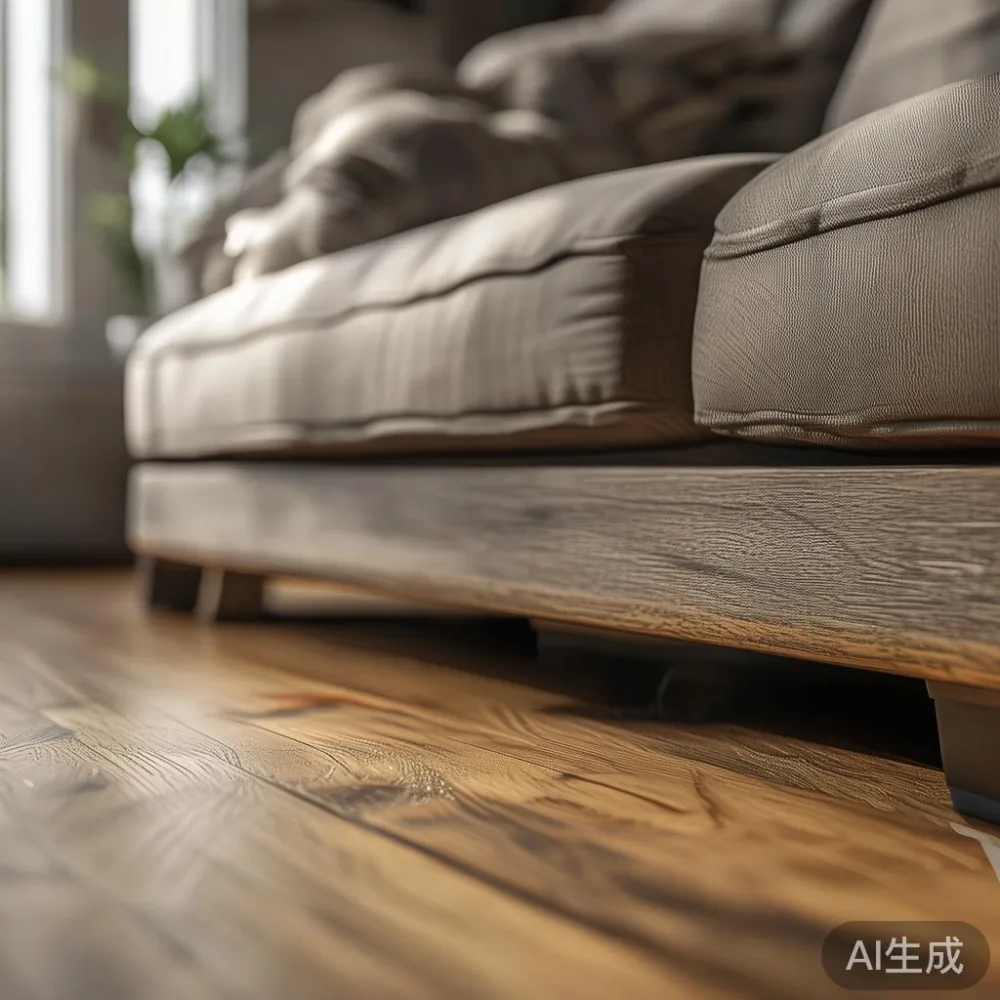
The term 'structural warranty' is thrown around a lot, but its meaning can vary dramatically. For a reputable manufacturer like MIDHILL, established in 2008 and exporting to over 15 countries, a 10-year structural warranty is a promise of integrity. It focuses on the core framework of your furniture. For a solid wood bed frame, this means the main supports, legs, and the internal slat system are covered against cracking, splitting, or breaking under normal use. For a dining table, it covers the table legs and the central support beam. The key phrase here is 'normal use'.
What 'normal use' excludes is critical. It does not cover damage from moving the furniture. If you decide to reposition your 80kg solid wood sofa in your HDB livingroom and accidentally scrape a leg against a wall, causing a chip, that’s not a warranty claim. It also does not cover damage from excessive weight. Placing a 150kg marble table on a frame not designed to support it will void the structural coverage. My colleague, Sarah, learned this the hard way last month when she bought a beautiful dining table and placed a very heavy stone centerpiece on it, causing the central leg to buckle. The warranty was clear about point loads, and her claim was denied.
What 'Normal Wear and Tear' Really Means
Every warranty has a clause about 'normal wear and tear'. This is one of the most misunderstood and frequently disputed areas. It’s not a catch-all for any damage that appears after a few years. Normal wear and tear refers to the gradual, expected deterioration of a finish or fabric that occurs with regular, proper use. Think of the slight fading of a fabric sofa’s colour in the spot where the sun hits it every afternoon, or the softening of the cushions on a solid wood sofa over five years of daily sitting.
What it does not cover is abuse or neglect. If your cat has sharpened its claws on the armrest of your $3,000 SGD Italian light luxury sofa, that is not normal wear and tear. If you spill red wine on a light-coloured marble table and leave it overnight, causing a permanent stain, that is not a warranty issue. The warranty is designed for the longevity of the product, not to protect it from accidents or poor maintenance. A 14-day return policy is for items that are defective upon arrival, not for damage that occurs after you've had the furniture for a few weeks.

Are Delivery and Assembly Included in the Warranty?
This is a critical question for anyone living in an HDB flat or condo. A warranty is for the product itself, not the service surrounding it. Delivery, installation, and assembly are almost always separate. When you order a wardrobe for your bedroom, the warranty covers the wood, the hinges, and the drawer sliders. It does not cover the service of getting it into your apartment.
In Singapore, this is a major consideration. Corridor widths in older HDB blocks can be as narrow as 120cm, and lift dimensions vary. A large wardrobe might need to be carried up a narrow staircase or manoeuvred through a tight lift. A professional delivery service will charge extra for this, often between $80 SGD and $150 SGD, depending on the complexity. This fee is not part of the product warranty. If the delivery team damages your wall while bringing the wardrobe in, that is between you and the delivery company, not the furniture maker. Always confirm the delivery terms and costs before you finalise your purchase.
What About the Finish and Materials?
A warranty’s coverage for the finish and materials can be a minefield. A 'lifetime refinishing' warranty sounds fantastic, but it comes with significant conditions. For a solid wood dining table, this means the manufacturer will provide you with the materials to refinish the table yourself if the original finish fails. It does not mean they will send a technician to your home to do it for you, and it certainly doesn't cover the cost of a professional refinisher.
Similarly, fabric warranties are highly specific. A warranty might state the fabric is warranted against 'fading' for 3 years under normal indoor conditions. This means if the colour fades by more than 10% in that time, they will provide replacement fabric. However, it won't cover stains, pilling, or fabric damage from pets. For items like a marble table, the warranty might cover the integrity of the stone but not etching from acidic substances like lemon juice or wine, which is considered a maintenance issue. Understanding these distinctions is key to knowing what you’re truly covered for.
How to style light luxury wardrobe in room and What Happens When You Need to Make a Claim?
Making a claim should be a straightforward process, but the fine print can make it difficult. Always check the procedure. Do you need to contact the retailer or the manufacturer directly? How long do you have to report the issue? For a 10-year warranty, you might have only 30 days from the date you discover the defect to file a claim.
Documentation is your best friend. Take photos and videos of the defect the moment you notice it. Keep all your original purchase receipts, as they are proof of your warranty period. Be prepared to demonstrate that the damage is due to a manufacturing defect and not misuse. For example, if a drawer on your nightstand is sticking, you may need to show that you’ve been lubricating it regularly as per the care instructions. A reputable company will have a clear claims process, while a disreputable one might use vague language like 'at our discretion' to deny valid claims.
Is French wardrobe worth it? Comparing Warranty Language
Not all warranties are created equal. The language used can tell you everything about the manufacturer's confidence in their product. A warranty for wholesale French provincial furniture might be poetic but vague, promising 'quality craftsmanship' without specifying what happens if it fails. In contrast, a warranty for a piece from a modern, transparent company will be direct and specific.
Look for clarity. A good warranty will state the exact duration for different components: '10 years on the frame, 5 years on the mechanical parts, 1 year on the finish.' It will define terms. It will list specific exclusions. A warranty that says 'covers all defects' is a red flag, as it’s likely unenforceable. When comparing a European sofa vs an Italian light luxury sofa, don't just look at the style; scrutinise the warranty. The Italian brand might offer a more comprehensive coverage on the leather itself, while the European brand might focus more on the wooden frame. Understanding these nuances helps you make a more informed decision based on your priorities.
Final Checklist: Before You Sign Off
Before you commit to a purchase for your HDB livingroom, run this warranty checklist. It will help you avoid common pitfalls and ensure you’re getting the protection you think you are.
1. Duration: How long is the warranty? Is it a single number, or are different components covered for different periods? A 10-year structural warranty is strong, but a 1-year warranty on the cushions of a solid wood sofa is weak.
2. Scope: What exactly is covered? Frame, mechanical parts, finish, fabric? What is explicitly excluded? Moving damage, pest damage, scratches, and stains are common exclusions.
3. Process: How do you make a claim? Is there a time limit? What documentation do you need? A complicated or unclear process is a warning sign.
4. Obligations: What are your responsibilities? You are usually required to perform regular maintenance, like cleaning and conditioning the wood or fabric. Failure to do so can void the warranty.
5. Transfers: Is the warranty transferable if you sell the furniture? Most are not, but it’s worth checking. For a high-value item like a marble table, this might be important to a future buyer.
By taking the time to read and understand the warranty, you’re not just protecting your purchase; you’re investing in long-term satisfaction. A well-crafted warranty from a trusted source like midhill.co provides the confidence to furnish your home beautifully and practically, knowing your investment is secure for the life of your HDB livingroom.