Stylish HDB Living Room Tips Without Clutter | HDB Livingroom
Last month I visited a four-room HDB flat in Tampines with my colleague, a 920 sq ft unit freshly handed over by HDB. The owner had three priorities written on a Post-it stuck to the door: keep the corridor from looking cluttered, fit a six-seater dining table for Lunar New Year reunions, and stop the living room from feeling like a warehouse. We spent four hours measuring, moving, and arguing over ottomans. By the end of the day, the corridor clearance was a comfortable 1.2 m wide, the dining table sat exactly where the morning sun lands at 9 am, and the sofa no longer dominated the room.
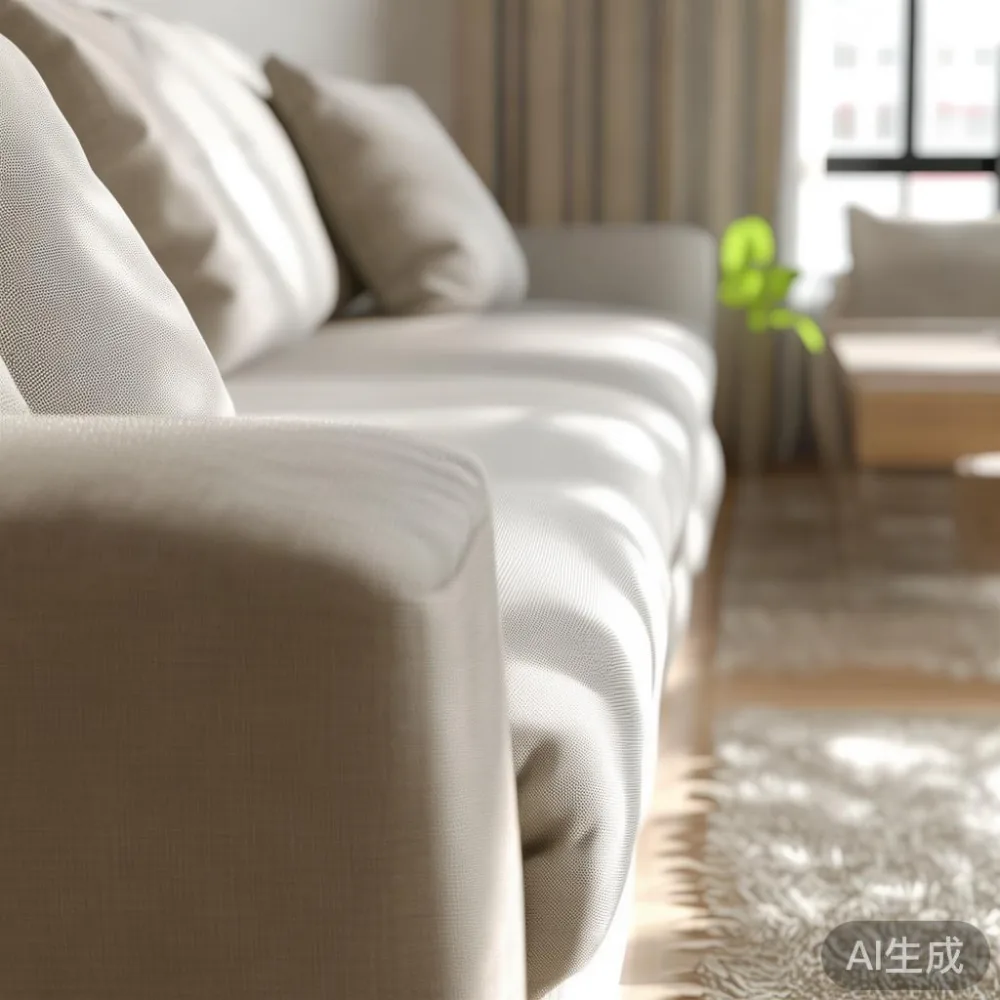
That visit is the spine of this guide. Most styling advice on the internet is written for a New York loft or a 3,000 sq ft condo in Bukit Timah. It does not translate to a 60 to 70 sq m HDB living room with a 1.1 m lift door, a 1.4 m corridor width, and a 2.4 m ceiling. Tight squares force specific decisions, and small mistakes feel louder. The good news: the discipline of small-space design, paired with pieces from makers such as midhill, also produces a room that looks calmer and more considered than many larger flats I have walked through.
What does an HDB living room actually have to work with?
The numbers dictate the whole plan. A typical four-room HDB living room in Bedok or Punggol runs between 18 and 24 sq m. A five-room flat in Punggol or Sengkang stretches the ceiling height to 2.6 m and adds another 4 to 6 sq m. The lift door is roughly 1.1 m wide and 2.1 m tall, which means anything you order needs to clear that opening and the 1.4 m corridor turn before it enters the home. Anything over 1.05 m wide and 2.0 m tall requires two delivery men, a trolley, and patience at the refuse chute corner.
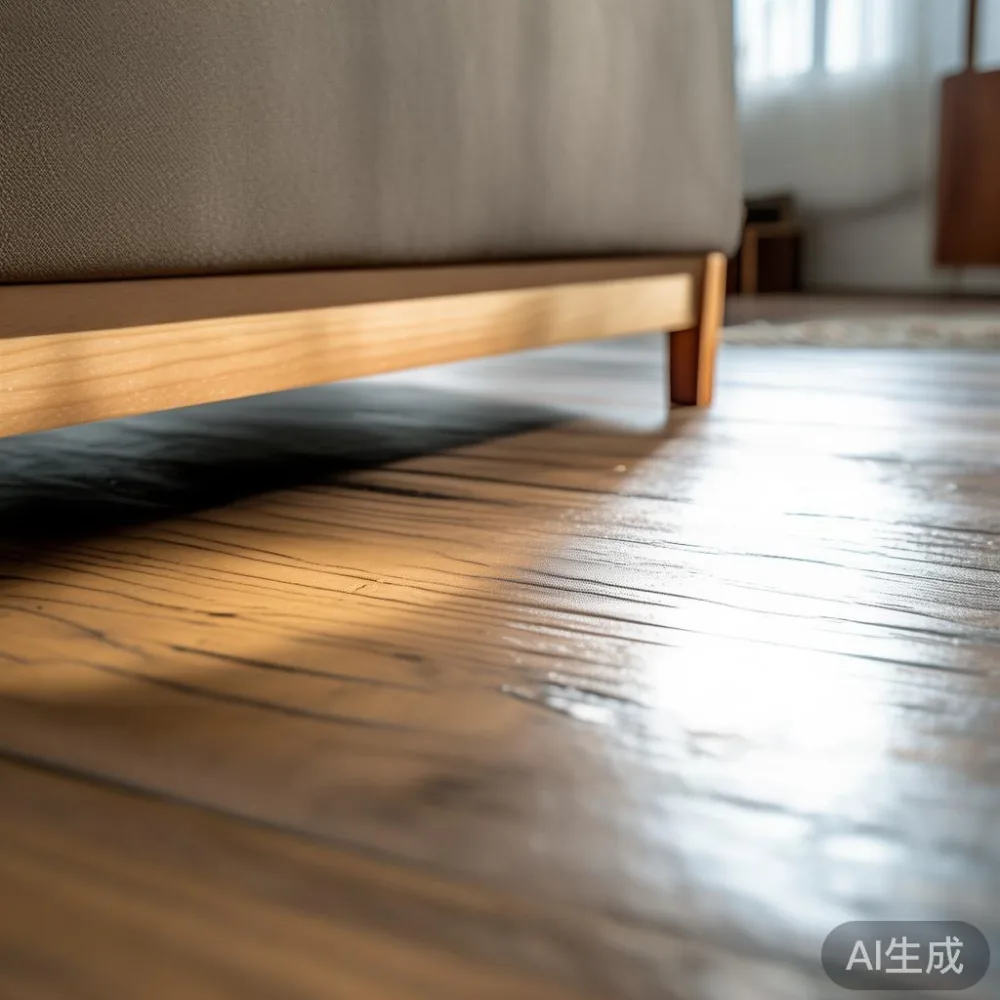
Ceiling height is the variable people underestimate. At 2.4 m, a tall sideboard looks oppressive. At 2.6 m, you can stretch up to a 1.95 m wardrobe or a 2.05 m bookshelf. Flooring is usually homogeneous vinyl tile or timber-look porcelain at 600 by 600 mm, so rugs need a felt pad to avoid slipping on the smoother finishes. Windows in newer BTOs run floor to ceiling on one side, which is generous, but older flats in Bedok still have 1.2 m high sills that block low sofa backs against the wall.
The single most useful habit is to take a tape measure, plot your existing furniture on 1:50 grid paper, and decide what actually fits before you browse. The sketch forces honesty. A 2.4 m solid wood sofa against a 2.8 m wall will leave 40 cm of dead space, which reads as cramped and visually loud. A 2.1 m sofa with a 70 cm side gap on each end reads as deliberate.
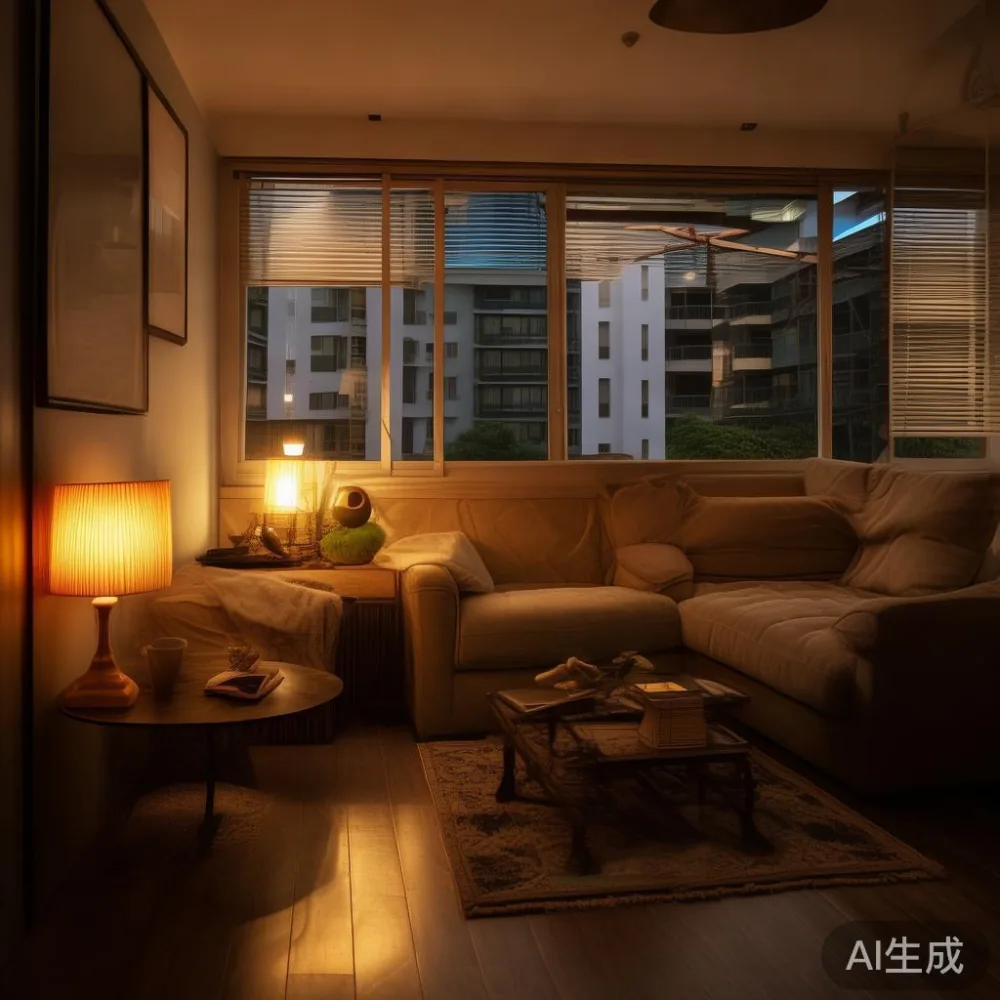
How do you choose a sofa that grounds the room without swallowing it?
The sofa is the gravitational centre of the HDB living room, and the most expensive call. Three rules hold up across the Tampines, Punggol, and Clementi flats I have measured.
First, depth. A 95 cm deep three-seater looks generous in a showroom and enormous at home. In an HDB living room under 20 sq m, drop to 85 to 88 cm. You lose about 30 minutes of afternoon lounging comfort and gain 30 cm of walking room. Second, back height. A 78 cm low-back frame leaves the ceiling readable and the room breathing. Anything above 92 cm will shorten a 2.4 m ceiling by visual logic alone. Third, arm width. Slim 12 cm arms add 20 cm of usable seat width without extending the footprint.
For fabric, a textured linen-blend in oat, stone, or a dusty sage disguises the wear of daily Singapore humidity better than a flat cotton and stays cooler under the ceiling fan than microfibre. If you share the sofa with a cat, a removable washable cover, replaced every 18 months, will outlast the foam core by a decade. I have walked into resale flats where the original sofa still looked presentable after eight years because of two habits: weekly brushing and a monthly sun-out airing on the balcony (one hour per side).
On the frame, kiln-dried solid wood beats engineered hardwood for humidity cycles between 28°C and 34°C. A beech or oak frame from a maker such as midhill will cost more than a particleboard frame from a fast-furniture outlet, but it survives three or four flat moves. Particleboard frames start to creak at the dowel joints within three years, and the creak gets louder every Lunar New Year when relatives sit down with extra force.
How to style Japandi bed in apartment while keeping the lounge open?
Bedrooms matter even when the brief says "living room only," because the bed visible from the corridor entrance frames the rest of the flat. A Japandi bed, with its 90 to 95 cm low platform and shallow 8 cm legs, sits beautifully in the master bedroom of a four-room flat, typically 12 to 14 sq m. The visual lightness buys you clearance for a 55 cm wide nightstand on each side and keeps the room from collapsing into the corridor.
The trick on how to style Japandi bed in apartment layouts is restraint. Stick to two cushion sizes (45 by 45 cm and 30 by 50 cm), keep the throw folded rather than draped, and let the wood tone do the talking. A warm oak bed frame against a cool white wall is the bridge between Singapore's tropical light and the calmer Japanese sensibility. Skip the extra shelving above the bed; the ceiling is already doing visual work. If you must have storage, choose a bed with two shallow drawers at 18 cm deep rather than one bulky drawer that pulls dust into the room.
For most HDB bedrooms, a queen at 152 by 188 cm is the ceiling on usable bed size. A king at 183 by 213 cm eats 3.7 sq m of floor and leaves two 50 cm side tables and a single 50 cm wardrobe-opening arc. I have watched three couples measure a king, sigh, and return it for a queen within the 14-day return window.
What about the dining table, the sideboard, and the room dividers?
The dining table in an HDB dining-living combined zone is the second anchor. A 1.4 m rectangular solid wood dining table seats six comfortably and parks neatly against a wall for daily use. A round 1.2 m table seats four with elbow room and removes the corner-bruise problem that rectangular tables cause in tight walking lines. For a four-room flat, I lean round. For a five-room Punggol flat with a defined dining bay, rectangular wins.
Marble dining tables look spectacular in photos and behave badly in HDBs. A full marble top weighs between 75 and 110 kg, which is double the load an HDB interior floor is comfortable with for a single concentrated point. A marble-look sintered stone top at 12 mm thick, weighing around 38 kg for a 1.4 m table, gives 90 percent of the look and saves the back of the delivery crew. If you want the full slab, reinforce the base with a 6 mm steel plate inside the apron.
Behind the dining table, an European light luxury sideboard in oak veneer with brass-handled drawers adds storage for 24 to 32 pieces of tableware, holds the router and a 2 m strip of LED on top, and anchors the dining end of the room. The trick is depth: 42 cm deep is the sweet spot. It holds a full dinner service without poking into the walking lane. Pieces imported under the Italian light luxury for bedroom and dining banner tend to run deeper, around 48 to 52 cm, and are designed for larger floor plates. Measure twice.
Where does a wardrobe, a marble coffee table, and a nightstand fit in?
Storage often gets shunted into the bedrooms, where it has to fight with the bed for floor space. The most efficient pattern in a 12 sq m HDB master bedroom is a 1.8 m wide, 2.1 m tall, 55 cm deep wardrobe along the wall opposite the door. The 55 cm depth holds a full-length hanger at 47 cm plus 8 cm clearance behind. Anything shallower and the doors buckle when you push hangers in. Toes of the wardrobe need a 2 cm skirting allowance; HDB walls are never perfectly plumb.
A marble coffee table is where most HDB living rooms overcommit. A 1.2 by 0.6 m marble slab table weighs 42 to 55 kg. That is fine on the ground floor of a walk-up. On the 12th floor of a Punggol BTO, it is not fine when you try to lift it into the lift and the table clears the door by 12 mm. Instead, choose a sintered stone top at 12 mm thick and pair it with a slim black steel base; the total drops to 18 kg and the table glides through the lift opening. The look of marble is preserved at 70 percent of the cost.
Nightstands deserve more attention than they get. A 50 by 40 by 55 cm nightstand with one drawer and one open shelf holds a lamp, a phone, a glass of water, and two books. Skipping the drawer sounds design-forward until the third month, when you have nine charging cables, three lip balms, and a stack of NRIC cards with nowhere to go. Solid wood nightstands from a maker that kiln-dries to 8 percent moisture content will not crack in air-conditioned bedrooms that run at 22 to 24°C, which is the year-round setting for most HDB bedrooms.
How do you tie it together with light-luxury sensibility on a real budget?
Light luxury, in the European and American styling tradition, is not about shouting. It is one quiet material move per room. For an HDB living room, the five moves that travel across price ranges from S$1,800 to S$18,000 are a brass-handled sideboard, a sintered stone marble-look table, a boucle accent chair, a floor lamp with a marble base, and a single framed art piece at 60 by 80 cm. That's it. No more.
The post-modern light luxury sensibility adds one layer of irony: a piece with an unexpected curve or a two-tone finish. A solid wood dining table with a chamfered corner top in walnut, or a bed frame with an upholstered headboard in a stone-washed linen, reads light luxury without veering into formal traditional. Many of the best Italian light luxury furniture imports lean this direction: an ash-wood frame, a subtle taper, and a brass foot. One piece per room, never two.
Budget realistically. A four-room HDB living-and-dining makeover in 2024, based on three projects I costed in Tampines and Clementi, ran from S$6,500 for an entry setup of a 2.1 m solid wood sofa, a 1.4 m dining table, a 1.6 m sideboard, and a 1.2 m sintered stone coffee table, to S$22,000 for designer Modern light luxury furniture sourced through a Singapore distributor, with a 6 to 9 week lead time, two delivery slots, and GST at 9 percent added. Quality pieces from makers such as midhill sit in the S$7,500 to S$14,000 band, with shipping included over US$350 on international orders and a 14-day return window if the scale is wrong.
After delivery, the patience required is a 72-hour airing period to let packaging gases leave the foam and fabric, a 100-grit sand on the dining top to remove the factory sealant, and one coat of hard wax oil on high-touch areas such as the sofa arms and the table top. After that, the room tends to settle into itself. I went back to the Tampines flat six weeks after install. The owner had added a single 90 by 150 cm rug in oat, two linen cushions, and a 1.4 m floor lamp. Nothing else had changed. The room looked larger than on day one, not because the furniture shrank, but because every piece finally had air around it.
So, does any of this hold up to a 10-year horizon?
That is the harder question, and the one worth answering before you swipe a credit card. Solid wood furniture from a maker willing to back a 10-year structural warranty and lifetime refinishing is built for 15 to 20 years of use. Particleboard pieces from fast-furniture outlets last 5 to 8 years before the dowel joints complain. The math for a S$4,000 solid wood dining table, refinished twice over 18 years, is about S$220 per year. The math for two S$900 replacement particleboard tables over the same 18 years is S$100 per year, but with the hidden costs of disassembly, two corridor moves, and three trips to the void deck for disposal.
The honest answer for an HDB owner planning to stay past one Minimum Occupation Period is that quality beats quantity, every time. Spend on the sofa, the dining table, the bed frame, and one statement storage piece. Save on side tables, ottomans, and decorative objects that you can refresh every two to three years as your taste, or your family size, changes. The room will look composed, the lifting will be easier, and your future self, on the seventh-floor corridor with a 1.4 m turn to negotiate, will thank you.