How to Care for Lacquered Furniture in an HDB Living Room
Lacquer can give an hdb livingroom a crisp, light-luxury finish, but Singapore’s heat, humidity, salt-laden air and frequent touching can leave dull patches, fine scratches or swollen joints if care is careless. A 180 cm solid wood sofa may look effortless in a showroom, yet its coated timber still needs sensible protection between Tampines, Bedok and Punggol homes. This guide explains how to clean lacquered surfaces, which products to avoid, how to move furniture safely through HDB corridors, and when a refinishing service is the sensible answer.
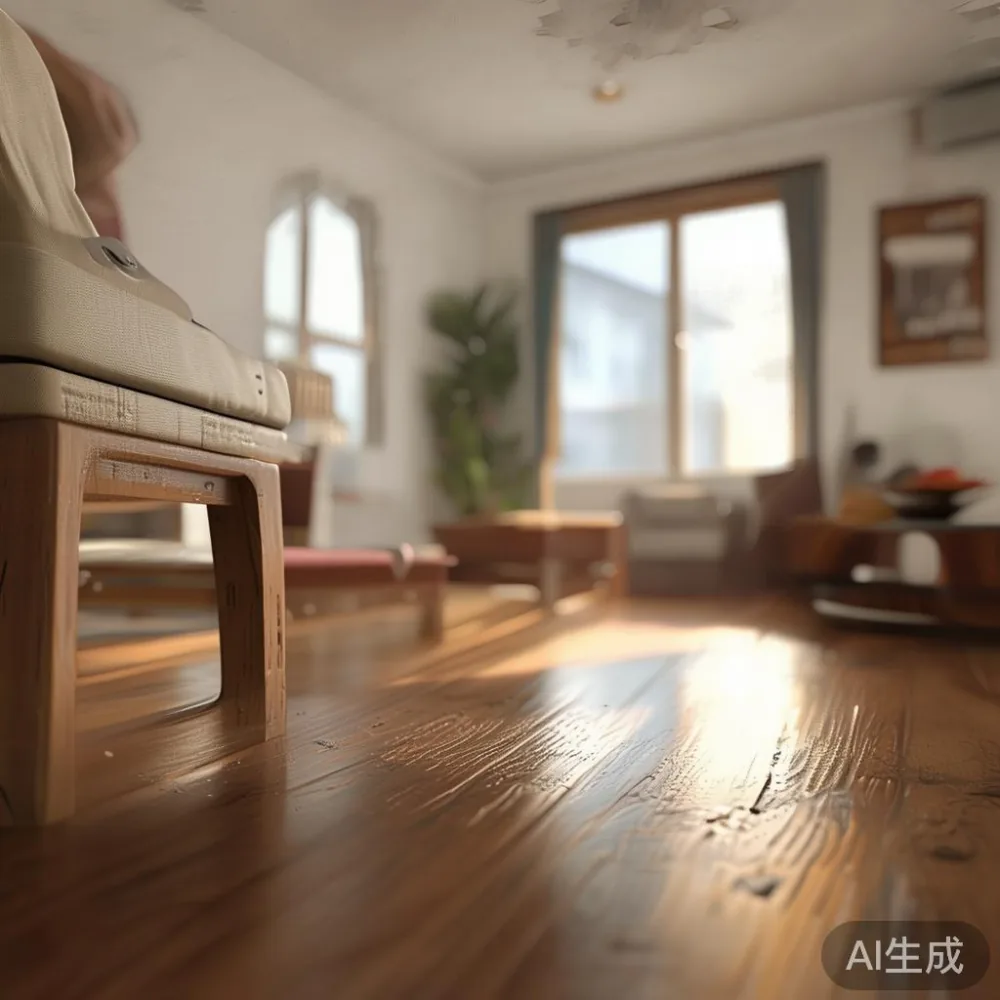
At MIDHILL, lacquer is treated as a finish that can be maintained rather than a surface to abuse. Our 10-year structural warranty covers the underlying construction, while lifetime refinishing offers a practical route for scratches or colour changes that occur over time. The routine below costs almost nothing and can be completed in 10–15 minutes with a soft cloth, mild soap and a little patience.
Why does lacquer behave differently in Singapore?
Singapore’s climate usually sits around 26–33°C, with relative humidity often between 70% and 90%. Lacquered wood can expand and contract as it absorbs moisture, while daily heat can make an adhesive or lacquer line less stable. A lacquered wardrobe near a bedroom window can therefore develop a tight door or a faint cloudy mark that was not visible in a cooler, drier showroom.
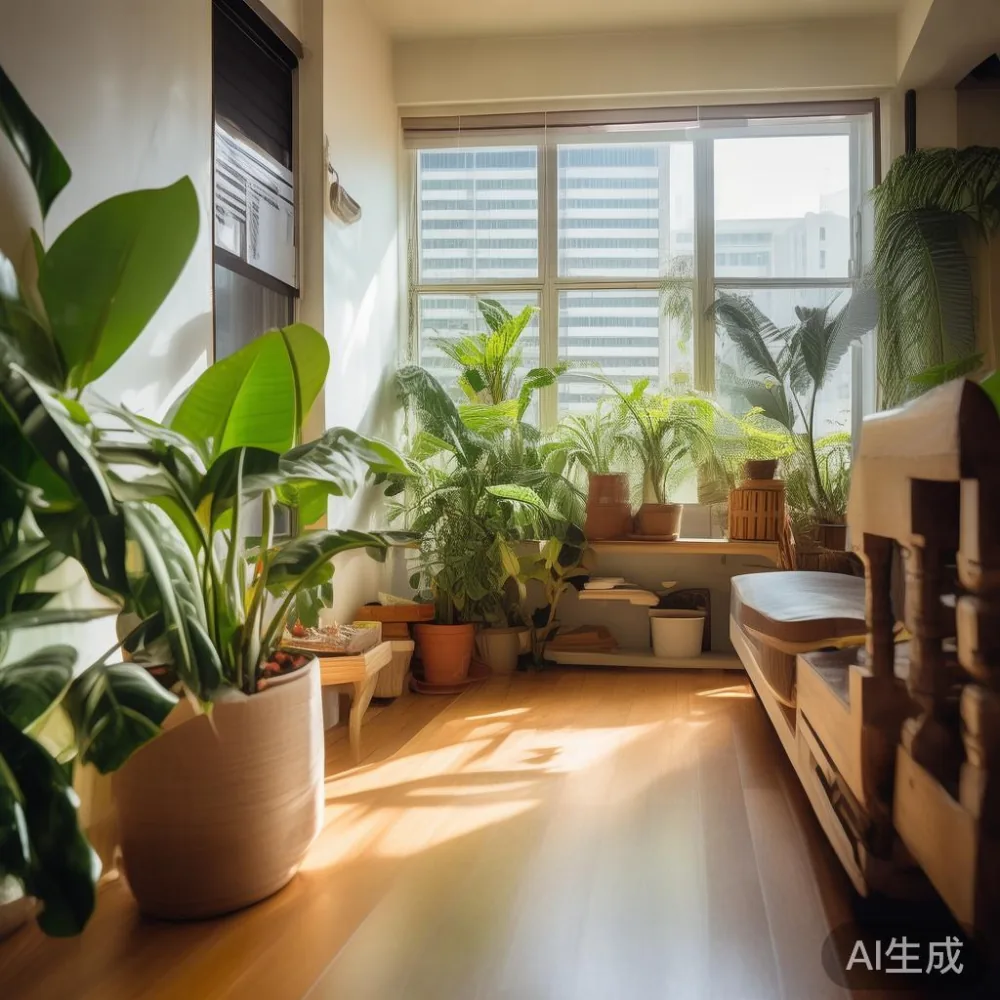
The finish does not melt at tropical temperatures, but high humidity can encourage condensation, trapped moisture and mildew around seams. Direct afternoon sun is another concern: ultraviolet exposure may fade colour unevenly, especially with pale French light luxury styling. Coastal wind carrying minute salt particles can also settle on a dining table and become abrasive when wiped with a gritty cloth.
For an hdb livingroom, position lacquered pieces away from air-conditioning vents that blow continuously across the surface. Leave 5–8 cm between the back of a TV unit and the wall so air can circulate. Keep drinks at least 20 cm from a lacquered nightstand, and use coasters under every cup. These small habits matter more than using a heavy cleaning product.
What is the safest way to clean a lacquered surface?
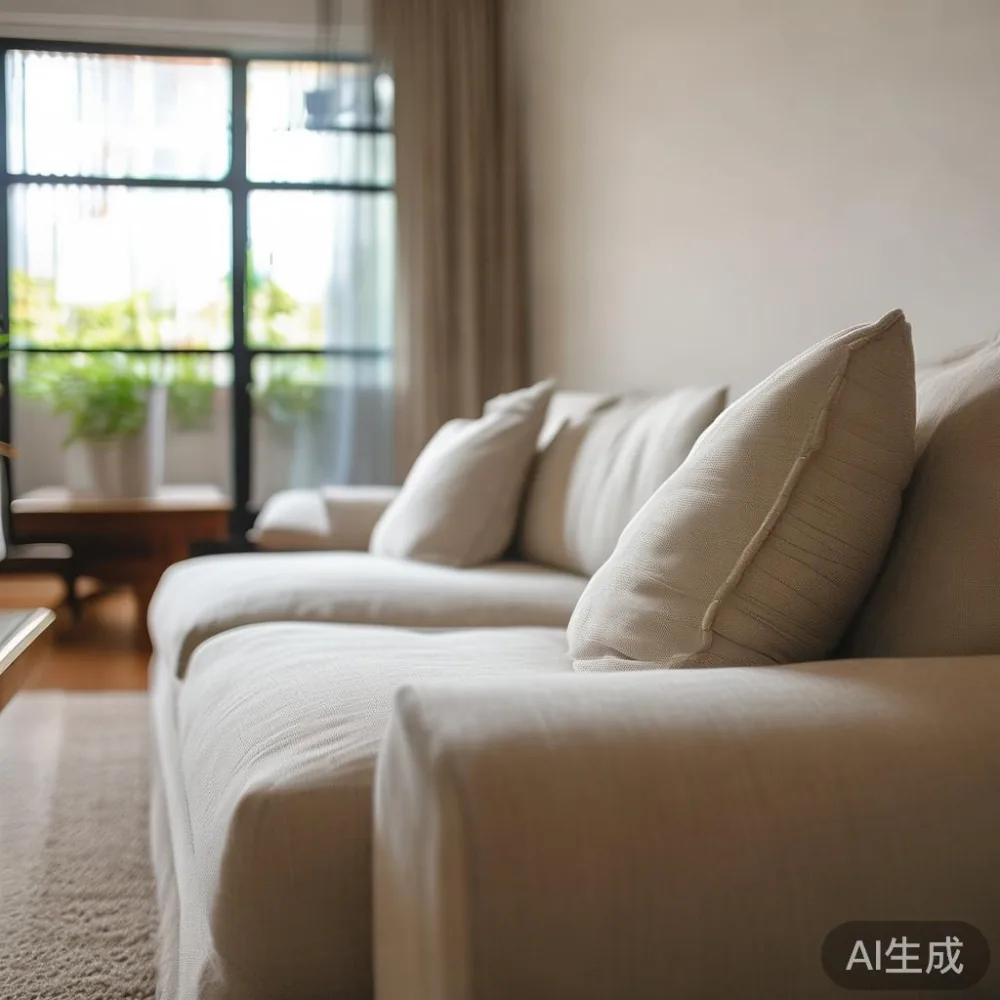
Start with a dry, lint-free microfibre cloth. Dust or wipe in the direction of the grain, using light pressure of roughly 1–2 kg. If the mark remains, mix 5 ml of mild, pH-neutral dish soap with 500 ml of lukewarm water. Dampen a second cloth rather than spraying the furniture; lacquer joints and edges should not be flooded. Wipe once, then dry with a clean cloth within 2 minutes.
Never use nail-polish remover, acetone, turpentine, alcohol, bleach, ammonia, vinegar, abrasive pads or conventional polish containing silicone or wax. Silicone can create a patchy shine, and repeated solvent use can soften the coating. Avoid “magic eraser” products too: their embedded abrasive material can turn a small mark into a matte haze.
Clean a visible test area of about 10 cm × 10 cm first. If the finish changes colour or loses gloss within 10 minutes, stop and contact the supplier. For a lacquered dining table, clean after use rather than waiting for a weekly deep clean. For a lacquered wardrobe, inspect the lower edges after rain because dirt and moisture often collect there. For a marble table, use a separate pH-neutral cleaner because acidic liquid can etch the stone even when the wood cabinet below it is lacquered.
How should scratches, fingerprints and dull areas be treated?
Fingerprints normally disappear with the mild soap method. A fresh mark can also be lifted by gently rubbing the cloth along the grain, not in circles. Fine scratches may become less visible under a soft cloth and indirect lighting, but they should not be polished at home. Friction can create a flat “haze” that is harder to repair than the original line.
For a damp imprint, allow the room to remain below 70% relative humidity for 24–48 hours and keep the affected surface ventilated. Do not apply direct heat with a hair dryer; warm air of 40–50°C can dry one area too quickly and make the finish cloud. If moisture has entered a joint, avoid forcing it closed. Photograph the affected panel with your phone, measure the gap, and ask the furniture maker whether the lacquer can be refinished or the component replaced.
Small chips around a 2–3 mm area sometimes respond to a colour-matched repair, but the result depends on the exact sheen and colour code. Larger areas of 10 cm or more should be assessed professionally. A clear lacquer used for repairs may have a different gloss from a factory layer, so an invisible repair is not guaranteed.
Can lacquered furniture pass safely through an HDB lift and corridor?
Many HDB blocks provide a lift measuring about 90–110 cm deep and 100–140 cm wide internally, although older blocks and newer upgrades vary. A completed sofa may be 190–240 cm long and 85–100 cm deep. Before delivery, measure the lift doorway, the turning space at the lobby and the corridor width; a 140 cm corridor with a sharp 90-degree turn needs a different handling plan from a 160 cm straight run.
Measure the packaged solid wood sofa as well as the finished item. Allow 5–10 cm of clearance on each side to protect fingers and lacquered edges. For a 220 cm sofa, a diagonally angled entry may work in a 110 cm lift, while a 240 cm model may need its legs removed. Confirm that the delivery crew can use a 2-person lift for 45–80 kg rather than carrying one end around a bend.
Protect the piece with moving blankets at least 2 cm thick and corner guards made from foam or cardboard. Do not tape directly onto lacquer: adhesive can lift the coating or leave a residue. Wrap the item in clean blankets, then add kraft paper; keep the finish away from trolley handles and metal straps. Lift rather than drag it across a corridor floor, where grit can scratch the legs or coating.
Stairwells may be steeper and narrower than lifts. A 70–90 cm common landing can be difficult for a wardrobe or bed frame, so check every turn before the furniture leaves the workshop. Singapore delivery usually takes 7–14 working days after production confirmation, but access checks should happen 2–3 days beforehand. The cost may vary by lift surcharge, distance and assembly needs, so request an all-in SGD quotation including GST before dispatch.
How should I care for a lacquered bed frame, wardrobe and dining table?
For a lacquered bed frame, inspect the headboard and side rails every 3 months. Tighten loosened fittings only within the maker’s guidance, and avoid dragging the frame 20–30 cm across the floor when repositioning it. Use felt pads under the legs and keep the frame at least 10 cm from an open window. In a Punggol bedroom, a dehumidifier set to 55–60% can help during wet periods.
For a lacquered wardrobe, check the door tracks every month and remove only soft dust with a dry cloth. Do not oil the hinges or coat the sliding channel with furniture spray. If a door catches, adjust it gradually rather than forcing it; excessive pressure can chip the lacquer at the edge. A wardrobe should stand with a 3–5 cm ventilation gap at the back where the unit design permits.
For a lacquered dining table, use a mat at least 40 cm × 30 cm under hot dishes, although a trivet is still needed for a hot pot. Wipe spills within 5 minutes. Do not place chilled glassware directly on a warm surface because the temperature difference may create condensation. For a marble table, blot spills immediately and keep lemon juice, red wine and vinegar away from the stone.
These choices fit luxury Modern light luxury furniture when the forms are restrained, the joinery is precise and the finish remains tactile rather than over-polished. A French light luxury dining room often uses pale oak, cream upholstery and slender profiles; maintain that quiet character by protecting the finish instead of covering every surface with decorative products.
Which design comparisons help when choosing furniture for an HDB home?
Size and finish should suit the route into the home, not only the photograph in a catalogue. When comparing an American bed vs Nordic bed, check the outer dimensions and headboard thickness: a 160 cm mattress may sit in a 170–185 cm frame, while a statement American design can need a 200–220 cm turning allowance. A Nordic-style frame may be visually lighter, yet a wide headboard can still present a difficult corridor measurement.
Similarly, an Italian light luxury TV console should be planned around a television rather than allowed to dominate a compact common room. A 180 cm console may suit a 140–165 cm television, but the depth of 38–45 cm can affect wall sockets and lift access. The term Italian light luxury TV console appears twice in product research, yet its real value in an hdb livingroom comes from balanced proportions, durable solid wood construction and a finish that can be maintained.
An American sofa vs Mid-century modern sofa comparison also depends on seat depth and arm width. A 210–230 cm sofa with 65–75 cm-deep seats can feel spacious in a 25–35 m² common room, but narrow corridors may demand removable legs. A French sofa vs Italian light luxury sofa is often discussed through curves, tufting and profile, though local access is equally important: a curved base should not be assumed to fit a rectangular lift.
For a bedroom, shoppers searching for the best Rustic bed for 2026 should check whether the visible timber is solid wood and how the joints are finished. A rustic surface may hide small variations by design, but a lacquered version still needs careful dust removal. The same applies to a solid wood sofa, nightstand or wardrobe: a sample of 10 cm × 10 cm at home is more useful than a large showroom display.
What should I do if a lacquered surface has been damaged?
Stop using solvent cleaners and stop rubbing the area. Take 3 photographs in daylight, including one with a coin or ruler for scale. Record the approximate size, whether the mark is white, brown or colourless, and when it appeared. If the finish is lifting, has bubbles over 2 cm, or smells strongly of solvent, move people and pets away and ventilate the room for 15–30 minutes.
Contact MIDHILL with those details for an assessment. Lifetime refinishing can help with eligible wear and finish-related damage, although transport, environmental conditions and the extent of damage may affect the service arrangement. Keep the original receipt, finish specification and product photographs. If the issue follows delivery, do not attempt to correct it before the maker has reviewed it, because additional moisture or solvent can complicate diagnosis.
Preventive care remains the simplest approach. Rotate small decorative objects every 2–4 weeks so one area does not darken unevenly, use 3–4 mm felt pads under movable items, and maintain 50–60% indoor humidity where practical. Keep lacquered furniture out of direct rain at open HDB windows and at least 30 cm away from a sliding door that may admit sea breeze.
Last month I visited a colleague’s Bedok home after a weekend of family gatherings. A lacquered dining table had several dull rings where glasses had been moved without coasters. We used the 5 ml-to-500 ml soap solution, wiped with the grain, and dried the surface in under 2 minutes. Two rings disappeared; one deeper mark needed a colour-matched touch-up. The table looked better, but the experience confirmed why coasters, controlled humidity and immediate spill care are more useful than aggressive polishing.
A well-maintained lacquered surface can age gracefully in a Singapore home. Gentle cleaning, careful movement and honest documentation protect the finish, while a 10-year structural warranty and lifetime refinishing provide support beyond the showroom. For any delivery above SGD 350, MIDHILL offers free shipping within its stated service terms, and eligible purchases can be returned within 14 days under the published policy.