How Southeast Asian Humidity Affects Solid Wood Furniture in Singapore HDB Homes
Singapore’s equatorial climate keeps indoor relative humidity high for much of the year, and that can affect solid wood furniture more than many shoppers expect. In an HDB flat, a dining table near the kitchen or a solid wood sofa beside a balcony door may experience daily changes as warm, moist air enters the home and air conditioning brings the room back down to a comfortable temperature. Over 12 months, those cycles can cause swelling, shrinkage, joint movement and surface marks that reduce the life of a poorly made cabinet.
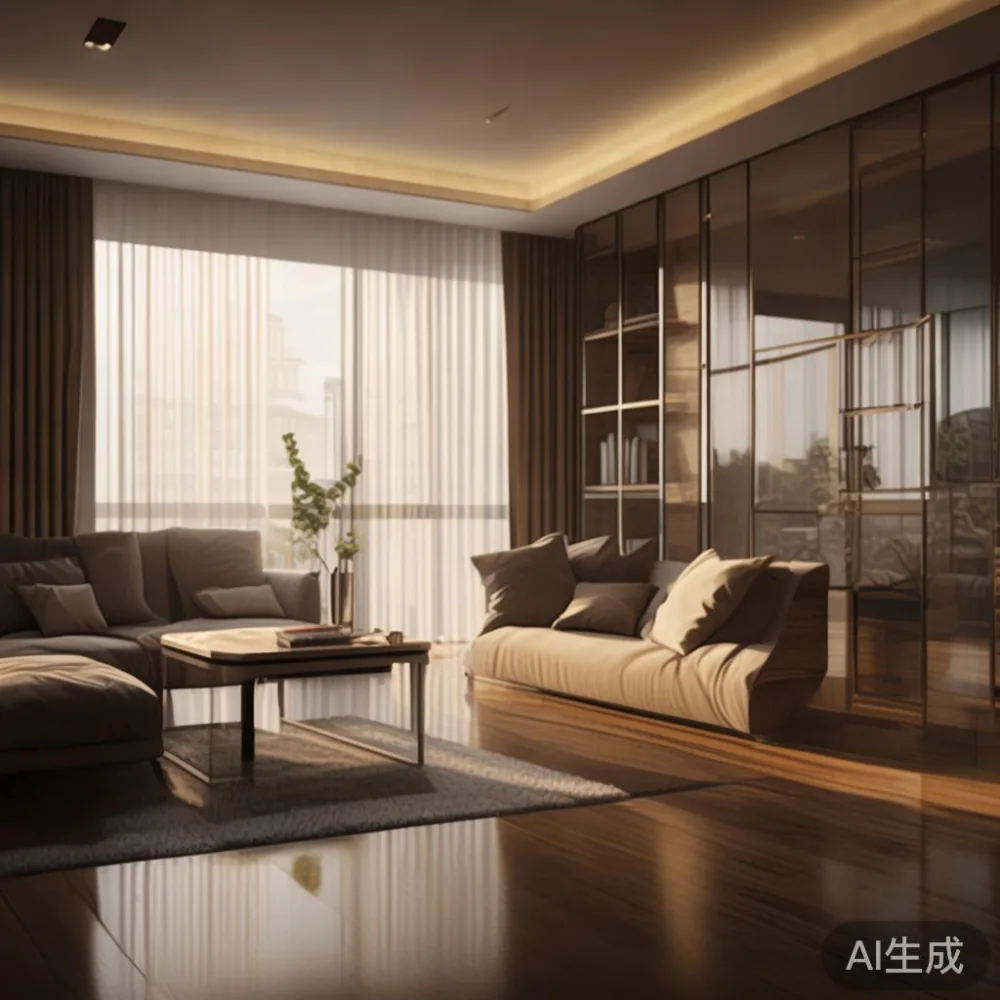
At MIDHILL, we design and manufacture solid wood furniture for practical homes, including Singapore’s HDB livingroom category. The aim is not to eliminate every natural change in timber, but to control it through suitable wood, sound construction, careful finishing and responsible guidance after delivery. A 10-year structural warranty reflects the focus on load-bearing construction, while lifetime refinishing gives owners a longer route for restoring the surface after years of use.
This guide explains how humidity affects an HDB livingroom, how to recognise movement, and how to select furniture for Tampines, Bedok and Punggol homes. It also covers delivery planning for lifts and corridors, the relevance of GST to Singapore purchases, and the care required for solid wood sofa, bed frame, dining table, wardrobe and nightstand products.
How much humidity is normal in a Singapore HDB flat?
Outdoor relative humidity in Singapore commonly sits around 70–85%, with heavier moisture content during monsoon periods. A comfortably conditioned living room often falls between 45–60% relative humidity, although the exact reading depends on the unit, weather and duration of air-conditioning use. Air conditioning lowers moisture rather than adding it, but a door left open near a wet balcony or an entry next to a laundry area can raise local humidity quickly.
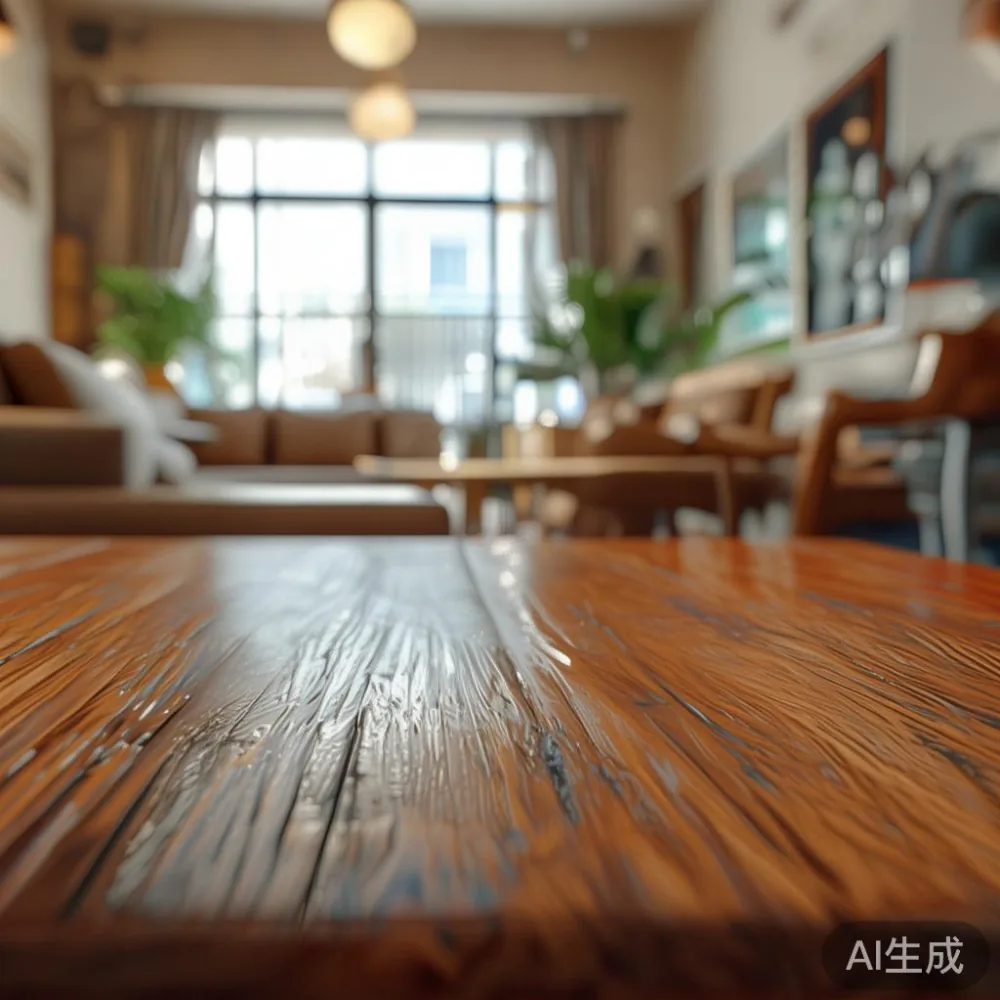
Wood responds to the surrounding humidity by gaining or losing moisture. A solid dining table may expand by roughly 1–3 mm across a 180 cm width when its fibre becomes damp, then contract as the room dries. These are small measurements with visible consequences: a hinged door may catch slightly, a drawer may feel tight, and a finished panel can show a faint line where movement has opened a joint. The response varies by species, panel orientation and how the timber was dried.
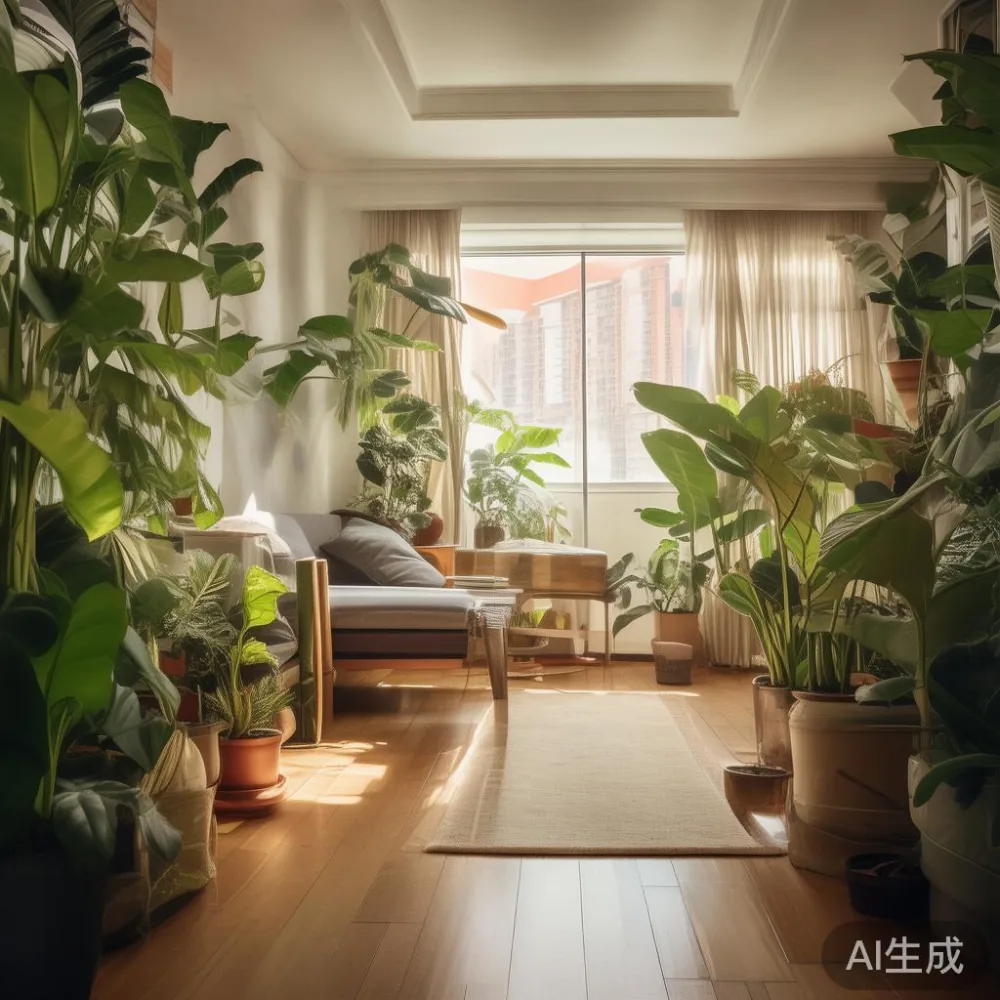
A hygrometer is useful and inexpensive. Place one in the living room for 2–4 weeks, keeping it around 1.2–1.5 m above the floor and away from vents, windows and direct sun. If readings regularly exceed 65%, consider improving airflow, using the air conditioner more consistently and keeping doors to wet balconies closed. Sustained readings below about 35% can cause excessive shrinkage, so the same guidance applies to very dry, air-conditioned rooms.
Measurements matter, but a stable environment is usually more helpful than chasing one perfect number. A dining table that sees humidity from 45% to 65% for several hours each day is under less stress than one kept at 80% for weeks. In an hdb livingroom, sensible placement is often as important as the choice of finish.
Why some solid wood furniture moves and other pieces stay stable?
The largest factor is how the timber was prepared. Well-seasoned wood is dried gradually to a moisture level suited to its intended use, and quality makers also watch grain direction and panel movement. Kiln drying alone does not remove every risk, because a board can still respond to a humid room, but it reduces the amount of uncontrolled change.
Construction is equally important. A wide tabletop may use a solid frame and tongue-and-groove boards rather than one oversized slab. This allows each board to expand in the intended direction. Furniture assembled with excessive fasteners can restrict that movement, while poor corner joints can loosen after repeated cycles.
Finishes affect how quickly moisture enters and leaves the visible surface. A properly applied hardwax oil or compatible lacquer can slow moisture exchange, but it cannot make timber completely moisture-proof. Matte oil finishes often feel more natural and can be maintained locally; lacquer is easier to wipe clean but needs more care if it scratches. For a bedroom wardrobe with tall doors, ventilated construction and a suitable internal gap can reduce binding.
The product type also matters. A solid wood sofa has upholstered frames and cushions, so humidity is more likely to influence the timber frame, joints and fabric-covered foam than a flat cabinet surface. A bed frame may sit close to windows and receive less direct air movement. A nightstand has a smaller top surface, yet its drawer needs enough clearance to move. A marble table has a different response because stone does not expand like wood, although its setting should still avoid persistent dampness and impact.
Which wood should Singapore buyers choose for an HDB livingroom?
Oak, ash, beech, walnut and other commonly used hardwoods can work in Singapore when their construction and finish are properly controlled. Dense tropical hardwoods may also be offered, but buyers should ask for clear species information, moisture preparation and finish details rather than relying on a broad description such as “wooden”.
Colour and style do not determine stability by themselves. A pale oak dining table in French light luxury can suit an airy HDB livingroom, while a walnut bed frame in American light luxury may suit a compact bedroom. Post-modern light luxury often combines clean lines with warmer timber and restrained detailing, which can work well in newer Punggol or Tampines homes. The practical test remains panel construction, movement allowance, finish quality and supplier accountability.
Size is especially important in high-rise living. Standard HDB lift doors are commonly around 90 cm wide, with internal cars measuring roughly 1.1–1.4 m across and about 2.1–2.4 m deep. A sofa with a 220 cm length will not fit as one rigid package through every corridor and turn, even if it fits inside a larger lift at ground level. Ask for the packaged dimensions, not only the product dimensions.
For example, a dining table listed at 180 × 90 × 76 cm may be delivered in a compact flat pack or protected in 2–4 sections. A solid wood sofa may arrive in separate modules to make the lift and corridor journey manageable. A 210 cm wardrobe could require upright panels measuring no more than the usable lift opening. These choices support safer delivery and reduce damage in shared corridors.
Does a European-style wardrobe or sofa suit Singapore humidity?
European styling is compatible with Singaporean homes, provided the construction accounts for tropical moisture. Searching for a European light luxury wardrobe can produce appealing options with panelled doors, pale finishes and generous storage, but a tall unit needs stable joints, adjustable hinges and room for seasonal panel movement. Confirm whether the wardrobe is solid wood throughout or uses solid wood in selected structural parts with engineered components elsewhere.
Comparisons such as European sofa vs Italian light luxury sofa often focus on appearance, but humid conditions also affect the frame, suspension, cushion fill and textile. A solid wood sofa should use a frame that can tolerate normal seasonal movement and upholstery that permits cleaning. The European sofa vs Italian light luxury sofa comparison is more useful when it includes frame construction, cushion density, fabric specification and warranty terms.
Design references can be adapted without copying European room sizes. French provincial for bedroom usually includes carved details, curved forms and softer visual character; in a compact Singapore bedroom, a French-style bed frame may need careful measurements so the mattress and side tables do not obstruct a 70–80 cm passage. Similarly, a French sofa vs Mid-century modern sofa comparison can guide shape and proportion, while the final selection should account for lift access, daily airflow and family use.
For shoppers researching top 10 Scandinavian furniture, the restrained shapes and pale woods shown in many examples suit many HDB interiors. Scandinavian-inspired solid wood dining tables and bed frames should still be checked for moisture treatment, finish maintenance and joinery. A Scandinavian label alone does not confirm suitability for a humid tropical climate.
How should I protect a dining table near the kitchen?
Place the dining table where it is visible but not directly exposed to cooking steam, wet laundry or a frequently opened balcony door. In a Singapore HDB flat, the kitchen is often near the dining area or separated only by a doorway, so humidity and grease can reach furniture more easily than in a detached house.
Use a stable mat under hot vessels and wipe spills promptly, particularly from water, juice and alcohol. A coaster should be at least 2–3 mm thick, while felt pads beneath table lamps and vases prevent scratches. Do not place a damp decorative tray directly on the wood, and avoid leaving folded towels or paper against a leg for several days.
When searching for Rustic for dining room ideas, solid timber, visible grain and hand-finished surfaces fit the style, but “rustic” does not mean untreated or maintenance-free. Clean with a lightly damp cloth, then dry the surface within about 10 minutes. Do not use soaking cloths, abrasive pads or household bleach. Oiled furniture may need a refreshing coat every 12–24 months depending on use and sunlight; lacquered furniture should be assessed for scratches and colour changes instead.
Allow air to move around the table. If condensation forms on nearby windows in the early morning, keep a 20–30 cm gap where possible and consider a thicker curtain that does not press directly against the wood. Stable placement helps more than applying an extra layer of wax every month.
What humidity problems should I check in a solid wood bed frame?
Check the bed frame for side-to-side movement, loose joints and doors that no longer close evenly. Lift a mattress corner gently; if the timber feels damp or the joint gives under light pressure, inspect for a leak, condensation or long-term contact with the floor. Keep the frame at least 5–10 cm from cold walls where feasible, and do not trap wet bedding inside a closed storage base for hours.
For an HDB livingroom that doubles as a sleeping area, a storage bed can be useful, but ventilation matters. An open frame generally allows better airflow than a fully enclosed box. If humidity readings stay above 65%, use the bedroom air conditioner and leave a small gap between the wardrobe and wall where it is safe and practical. Avoid placing the bed directly beneath a window that receives rain-driven condensation.
Solid wood bed frames with slats should use fixings that allow the slats and rails to expand and contract. A slat spacing of about 5–8 cm may be specified for mattress support, subject to the frame design. Consumers should not tighten every fixing until the timber cannot move at all; moderate seasonal variation is normal.
How do marble tables and solid wood pieces behave differently?
A marble table does not exchange moisture in the same way as timber, but moisture can still affect its surroundings. Keep the stone away from direct rain, use a stable support and avoid dragging it across a tiled floor. Natural marble may need sealing according to the supplier’s instructions, and acidic liquids should be wiped away quickly. A 60 cm round marble table may be easier to move through an HDB corridor than a 140 cm rectangular one, but its base and packaged dimensions still need checking.
Combinations also deserve attention. A marble top on a solid wood base requires compatible fixing methods and controlled clearances. The stone should be supported at designed points rather than forced against wooden components that may move. This is one reason a light-luxury marble table should be delivered and assembled by people who understand both materials.
For a mixed-material dining table, compare the top and base dimensions with the actual table, because sales drawings often show only the visible footprint. Check the package length against the lift car diagonal and the tightest corridor turn. Allow at least 10 cm of practical clearance for handles and protective packaging.
What should I do if a drawer catches or a panel develops a gap?
Do not force the drawer or wedge a door with an improvised block. Seasonal movement can often be corrected by adjusting the hinge or slide, but forcing the component can turn a minor alignment issue into damaged hardware. Measure the panel opening, compare it with the furniture tolerances and check whether the room has recently become more humid.
For lacquered or oiled surfaces, clean the edge and examine it under side lighting. Hairline movement along a panel may be normal if the furniture remains stable and the gap does not widen. A spreading split, softened timber, musty smell or visibly swollen base deserves a service assessment. Keep the area ventilated and remove any standing water while awaiting advice.
Owners should retain the product care instructions, finish batch information and delivery record. MIDHILL offers lifetime refinishing, which can restore many surface changes after assessment, while the 10-year structural warranty addresses structural failures under applicable terms. Damage caused by flooding, uncontrolled moisture exposure or misuse may need separate evaluation, so documentation matters.
How do I plan delivery to an HDB flat without damaging the furniture?
Measure the route before ordering. Record the lift opening, internal height, corridor width, door widths, turning points and parking distance. Common HDB lift openings are about 90 cm, while corridor widths vary by block and landing. A package that is 86 cm wide may pass the lift but become difficult to rotate around a narrow landing where the corridor is only 1.0–1.2 m wide.
For a solid wood sofa, confirm whether it arrives as 2–3 modules and whether the modules can pass through the lift separately. For a dining table, ask whether the top and base are separate and whether the top can be carried on its edge. A wardrobe may arrive as flat panels, but the longest board must still fit through the access route. These details should be agreed before production or dispatch.
Singapore orders shown at SGD prices include GST where applicable, so the final payable amount should be confirmed at checkout. MIDHILL provides free shipping for orders over US$350; for other destinations, the delivery charge depends on volume, route and destination. Local Singapore delivery commonly takes about 3–7 business days after the order is ready, while production or consolidated shipments can take longer. The supplier should provide a realistic estimate rather than a generic dispatch date.
Inspect the package when it arrives. Photograph the wrapping, corners and hardware before opening it, and check for impact marks before assembly. A 14-day return window allows eligible unused items to be returned under the stated conditions, while damage from narrow lift access may not be a manufacturing fault if the agreed delivery dimensions were not followed.
How can I make an HDB livingroom look refined without creating humidity risks?
Begin with scale. A 200–220 cm sofa may suit a 300 cm-wide living area but overwhelm a 240 cm compact space. Leave a route of at least 70–80 cm from the entry to the main seating area where possible. A dining table of 140 × 80 cm can seat 4–6 people, while 180 × 90 cm gives more elbow room for a family that regularly hosts 6 people.
Group furniture according to use, but separate moisture-heavy zones from timber. Keep the wardrobe in a drier bedroom rather than beside the main bathroom entrance if space allows. Use a marble table as a clean visual anchor in the dining area, then choose a solid wood dining table only where the room has stable humidity and enough clearance. A nightstand should sit within reach of the bed but away from an open window with condensation.
Light-luxury design does not require a large room. French light luxury can come through pale upholstery, slender profiles and one carved feature rather than a crowded collection. American light luxury works through generous comfort and warm materials. Post-modern light luxury can pair a simple solid wood sofa with a sculptural lamp and restrained marble table. In every case, balance visual impact with ventilation and realistic dimensions.
Useful buying questions include: What is the moisture preparation of the timber? Which parts are solid wood? How is the piece joined? What are the exact packaged dimensions? How should the finish be maintained? What happens if a component arrives damaged? Clear answers are more valuable than a broad style label, particularly in Southeast Asia’s changing humidity.
What is the practical routine for protecting furniture every month?
Check the hygrometer at least once a week and note unusually high readings. Dust with a soft cloth, keep vents clear and wipe condensation from nearby windows. Inspect the dining table, wardrobe and nightstand every 3 months for movement, loose joints and finish wear. Inspect the sofa and bed frame every 6 months, especially if they sit near a balcony or laundry area.
Maintain the finish according to its type rather than applying one generic product. Oiled timber may be refreshed when the surface looks dry, usually at intervals of 12–24 months in a normal home. Lacquer should be cleaned gently and protected from direct sun. Upholstery needs periodic vacuuming and prompt removal of stains. A marble table should be checked for seal condition and edge chips after heavy use.
Most importantly, correct the environment before replacing or heavily repairing the furniture. Keep humidity closer to 45–60% where practical, eliminate standing water, avoid sudden wet cleaning and maintain airflow. Solid wood is capable of lasting for decades when its movement is respected. For a compact Singapore home, thoughtful species selection, sound joinery, a durable finish and disciplined care make the difference between furniture that ages characterfully and pieces that deteriorate early.